
The Vision: Defining Your Hotel’s Identity
Owning a hotel is a complex but rewarding endeavor, built upon a foundation of clear vision and meticulous planning. Before diving into the transactional aspects, it’s crucial to articulate what kind of hotel you envision. This is not merely about bricks and mortar; it’s about crafting an experience, a brand, and a destination within a destination.
Identifying Your Niche and Target Market
The hospitality industry is diverse, catering to a spectrum of traveler needs and desires. Understanding your niche is paramount. Are you aiming for a luxury boutique hotel that offers personalized service and exquisite amenities in a vibrant city like New York City? Perhaps a charming bed and breakfast nestled in the rolling hills of the Tuscany countryside, drawing in romantic getaways and culinary enthusiasts? Or a modern, tech-forward business hotel designed for the modern road warrior, conveniently located near major convention centers and airports like London Heathrow Airport?
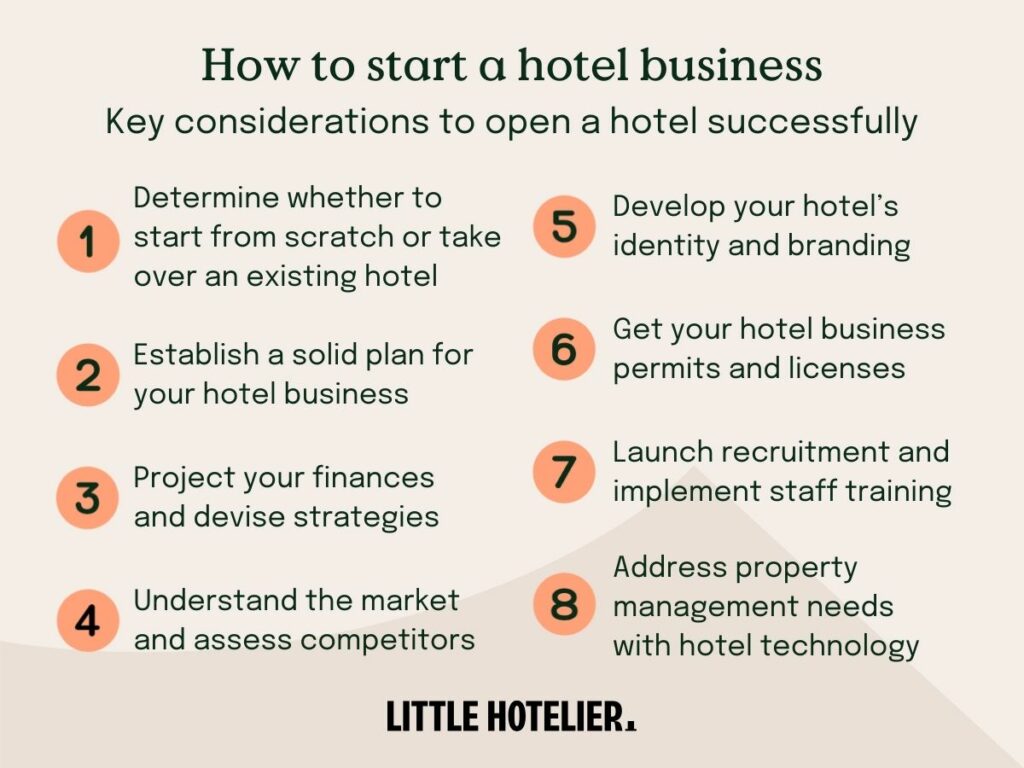
Your target market will dictate every subsequent decision, from property location and design to staffing and marketing. Research demographics, psychographics, and travel trends relevant to your chosen niche. Consider the competitive landscape in your desired location. Who are your potential competitors? What are their strengths and weaknesses? How can your hotel differentiate itself and offer a unique value proposition?
Developing a Unique Selling Proposition (USP)
A strong USP is what sets your hotel apart. It’s the compelling reason a traveler chooses your establishment over others. This could be anything from an unparalleled spa experience at a resort in the Maldives to a commitment to sustainability and eco-friendly practices, appealing to environmentally conscious travelers. Perhaps it’s a focus on local art and culture, showcasing regional artists and offering curated tours of nearby attractions.
The USP should be integrated into every facet of your hotel’s operation, from the interior design and amenities offered to the service style and marketing messages. It needs to be authentic and deliverable. A misaligned USP can lead to disappointment and negative reviews, undermining your brand before it even gains traction.
The Foundation: Financials and Feasibility
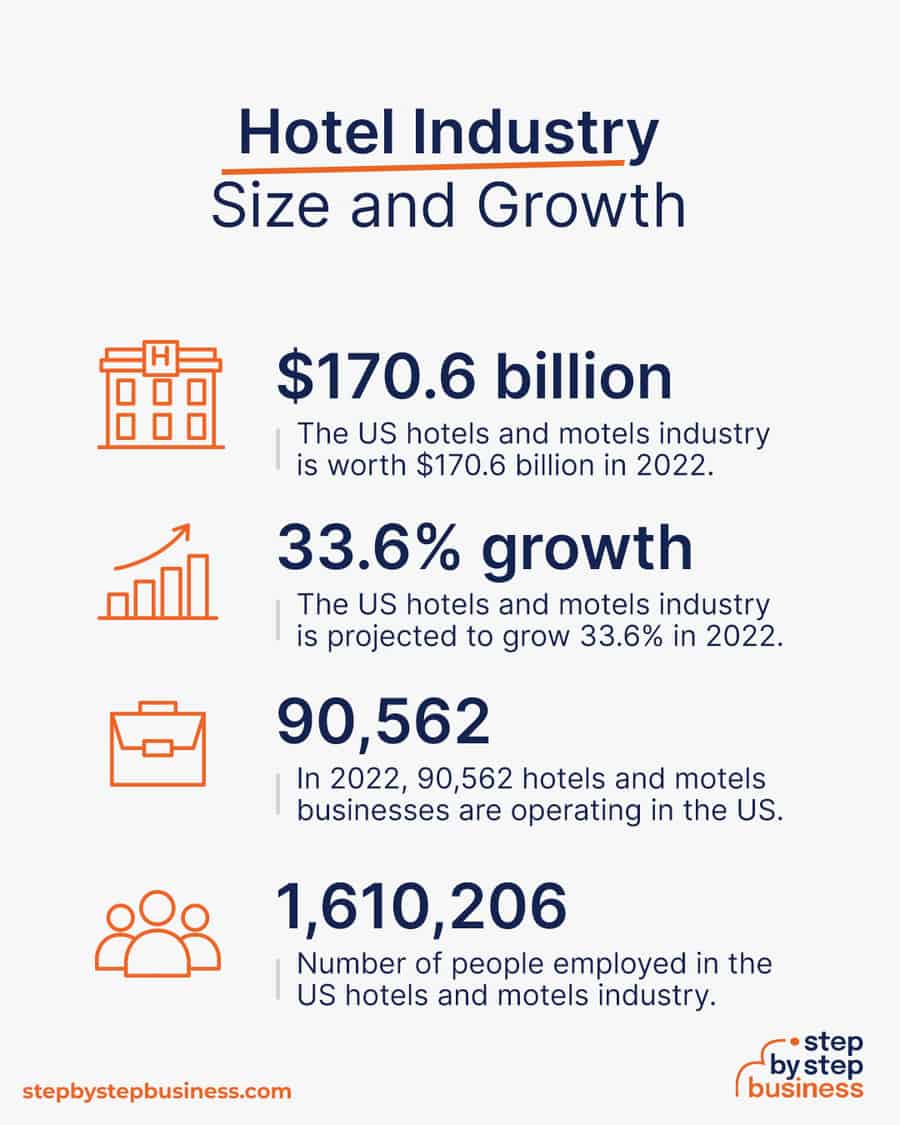
The dream of owning a hotel must be grounded in robust financial planning and a thorough feasibility study. This is where the passion meets the practicalities of business.
Securing Financing
Hotel acquisition and development are capital-intensive. Understanding your financing options is the first step. This typically involves a combination of personal equity, traditional bank loans, Small Business Administration (SBA) loans, or private equity investors. Developing a comprehensive business plan is essential for securing any form of external financing. This plan should clearly outline your vision, target market, marketing strategy, operational plan, management team, and, most importantly, detailed financial projections.
Lenders and investors will scrutinize your financial acumen, demanding realistic revenue forecasts, expense budgets, and a clear path to profitability. Be prepared to demonstrate a strong understanding of hotel financial metrics, such as Revenue Per Available Room (RevPAR), Average Daily Rate (ADR), and Occupancy Rate.
Conducting a Feasibility Study
A feasibility study is an in-depth analysis of the viability of your proposed hotel project. It assesses market demand, competition, site suitability, zoning regulations, environmental considerations, and potential operational challenges. This study helps determine if the project is financially sound and strategically sensible. It may involve hiring consultants with expertise in hotel feasibility studies, market research, and financial modeling.
Key components of a feasibility study include:
- Market Analysis: Quantifying the demand for hotel rooms in the chosen location, considering different segments (leisure, business, group).
- Competitive Analysis: Identifying direct and indirect competitors and assessing their market share, pricing, and service offerings.
- Site Analysis: Evaluating the suitability of potential locations, considering accessibility, visibility, proximity to attractions, and infrastructure.
- Financial Projections: Developing detailed pro forma income statements, balance sheets, and cash flow statements, including projected operating expenses and capital expenditures.
- Risk Assessment: Identifying potential risks and developing mitigation strategies.
The Acquisition: Finding and Securing Your Property
The physical manifestation of your hotel vision begins with acquiring the right property. This is a critical stage that requires patience, diligence, and a keen eye for opportunity.
Property Search and Due Diligence
The search for a hotel property can be a lengthy process. You might be looking to purchase an existing hotel, lease a property, or develop a new one. Working with experienced commercial real estate brokers specializing in hospitality properties is highly recommended. They can provide access to off-market listings and invaluable insights into market conditions.
Once potential properties are identified, rigorous due diligence is non-negotiable. This involves a comprehensive investigation into every aspect of the property and its operations.
- Financial Due Diligence: Reviewing historical financial statements, operating statements, tax returns, and occupancy reports. This helps verify the seller’s claims about revenue and profitability.
- Physical Due Diligence: Conducting thorough inspections of the building’s structure, systems (HVAC, plumbing, electrical), and grounds. This includes identifying any deferred maintenance, code violations, or necessary capital improvements. Environmental assessments are also crucial to identify potential contamination.
- Legal Due Diligence: Examining all contracts, leases, permits, licenses, and legal encumbrances associated with the property. This includes reviewing zoning laws, building codes, and any pending litigation.
- Operational Due Diligence: Assessing current staffing levels, management practices, vendor contracts, and guest review profiles. Understanding the existing operational framework is vital for a smooth transition.
Negotiation and Closing
Once due diligence is satisfactory, you’ll enter the negotiation phase. This is where you’ll work with your legal counsel and brokers to agree on terms, price, and conditions of sale. Be prepared for counter-offers and to walk away if the terms are not favorable.
The closing process involves the transfer of ownership, typically facilitated by an escrow agent. All legal documents are signed, funds are transferred, and you officially become the owner of your hotel. This is a pivotal moment, marking the transition from aspiration to realization.
The Operations: Building a World-Class Hotel
With ownership secured, the focus shifts to building and managing a hotel that delivers exceptional guest experiences and achieves operational excellence.
Property Development and Renovation (If Applicable)
If you’ve acquired an existing property, you may need to undertake renovations or upgrades to align it with your brand vision and meet modern guest expectations. This could range from cosmetic updates to full-scale remodels. For new developments, this phase involves architectural design, construction management, and obtaining all necessary permits.
Consider the guest experience at every touchpoint. This includes the lobby ambiance, room design and comfort, public spaces like restaurants and bars, and amenities such as fitness centers, pools, and meeting rooms.
Staffing and Management
Your team is the backbone of your hotel’s success. Hiring the right people and fostering a positive work environment are critical. This includes a competent General Manager, experienced department heads (Front Office, Housekeeping, Food & Beverage, Sales & Marketing, Maintenance), and well-trained frontline staff.
Implement comprehensive training programs that emphasize service standards, brand values, and operational procedures. Empower your staff to resolve guest issues and create memorable moments. A strong leadership team with industry experience is invaluable.
Marketing and Sales
Attracting guests requires a strategic and multi-faceted marketing and sales approach.
- Online Presence: A professional, user-friendly website is essential, optimized for search engines (SEO).
- Online Travel Agencies (OTAs): Partnering with platforms like Booking.com and Expedia can drive significant bookings, though it’s crucial to manage commissions and direct bookings.
- Social Media Marketing: Engaging content on platforms like Instagram and Facebook can build brand awareness and connect with potential guests.
- Public Relations: Securing positive media coverage and reviews can enhance your reputation.
- Sales Team: For business and group travel, a dedicated sales team is often necessary to secure bookings for corporate events, conferences, and weddings.
Guest Experience and Reputation Management
In the digital age, a hotel’s reputation is paramount. Prioritizing exceptional guest service and actively managing online reviews are crucial. Respond promptly and professionally to all feedback, both positive and negative. Use guest feedback to identify areas for improvement and to celebrate successes. A strong online reputation can significantly influence booking decisions and drive direct bookings.
The Future: Growth and Sustainability
Owning a hotel is not a static endeavor; it requires continuous adaptation, innovation, and a commitment to long-term sustainability.
Embracing Technology
The hospitality industry is rapidly evolving with technological advancements. Investing in Property Management Systems (PMS), Customer Relationship Management (CRM) software, and mobile check-in/check-out solutions can streamline operations and enhance the guest experience. Consider implementing smart room technology for enhanced guest comfort and energy efficiency.
Financial Management and Profitability
Regularly review your financial performance against your initial projections and industry benchmarks. Identify opportunities to optimize revenue streams, manage costs effectively, and improve profitability. This might involve dynamic pricing strategies, upselling services, or renegotiating vendor contracts.
Long-Term Vision and Expansion
As your hotel becomes established, consider long-term growth strategies. This could involve expanding the property, acquiring additional hotels, or developing new brands. Staying abreast of industry trends, evolving guest preferences, and market shifts will be key to maintaining a competitive edge and ensuring the enduring success of your hotel ownership journey.
LifeOutOfTheBox is a participant in the Amazon Services LLC Associates Program, an affiliate advertising program designed to provide a means for sites to earn advertising fees by advertising and linking to Amazon.com. Amazon, the Amazon logo, AmazonSupply, and the AmazonSupply logo are trademarks of Amazon.com, Inc. or its affiliates. As an Amazon Associate we earn affiliate commissions from qualifying purchases.