
Maximizing the value of travel rewards is a cornerstone of savvy globetrotting, and for many, the allure of a Chase Sapphire Reserve or similar premium credit card from Chase lies in its travel credits. Specifically, the “hotel credit” offered by some Chase cards, often framed as a travel credit or incidentals credit that can be applied to hotel stays, presents a fantastic opportunity to reduce the cost of your accommodations. This guide will walk you through how to effectively utilize these credits, ensuring you get the most out of your Chase card benefits and unlock more affordable and luxurious stays.
Understanding Your Chase Hotel Credit
The term “Chase hotel credit” can be a bit fluid, as Chase cards often offer a broader “travel credit” rather than a credit specifically earmarked only for hotels. The Chase Sapphire Reserve, for instance, provides an annual travel credit that can be redeemed through the Chase Ultimate Rewards portal. When you book hotels through this portal, your credit is automatically applied. However, the nuances of how this credit can be used, and whether it directly applies to any hotel booking or only those made through specific channels, are crucial to understand.
Annual Travel Credits: A Deeper Dive
Many premium travel cards, including those from Chase, offer an annual statement credit for travel purchases. This credit is typically designed to offset the cost of flights, hotels, car rentals, and other travel-related expenses. The key is to understand the specific terms and conditions of your particular Chase card.
- Chase Sapphire Reserve Travel Credit: This card offers a significant annual travel credit that is best redeemed by booking travel – including hotels – through the Chase Ultimate Rewards travel portal. When you search for hotels within the portal, the system usually prompts you to use your available travel credit to reduce the cash amount you need to pay. The credit is applied as a statement credit after the purchase is made, effectively making the travel free up to the credit limit.
- Other Chase Cards: While the Chase Sapphire Reserve is the most prominent example, other Chase cards might offer similar benefits, sometimes labeled as airline incidental credits or general statement credits that can be strategically used for hotel expenses. Always check your cardholder agreement for the precise nature and redemption method of your credits.
How Credits Are Applied
The application of these credits is usually straightforward, but understanding the timing and process can prevent confusion.
- Booking Through the Portal: When you book a hotel directly through the Chase Ultimate Rewards travel portal, the system typically shows you the total cost and then an option to apply your available travel credit. The credit is deducted from the total, and you pay the reduced amount. The credit is then usually applied as a statement credit to your account shortly after the transaction posts.
- Statement Credits: In some cases, the credit might function as a broader statement credit. You make a qualifying travel purchase (which could include a hotel stay booked directly with the hotel, not through the portal), and then Chase automatically or manually applies a statement credit to your account for that purchase, up to the annual limit. This often requires the purchase to be coded by the merchant in a specific way. For example, an “incidentals” credit might apply to in-flight purchases or baggage fees, but it’s worth exploring if certain hotel amenities or charges could qualify.
Strategic Redeeming for Hotel Stays
To maximize your Chase hotel credit, strategic planning is essential. It’s not just about spending the credit, but about using it to enhance your travel experiences and unlock greater value.
Booking Through the Chase Ultimate Rewards Portal
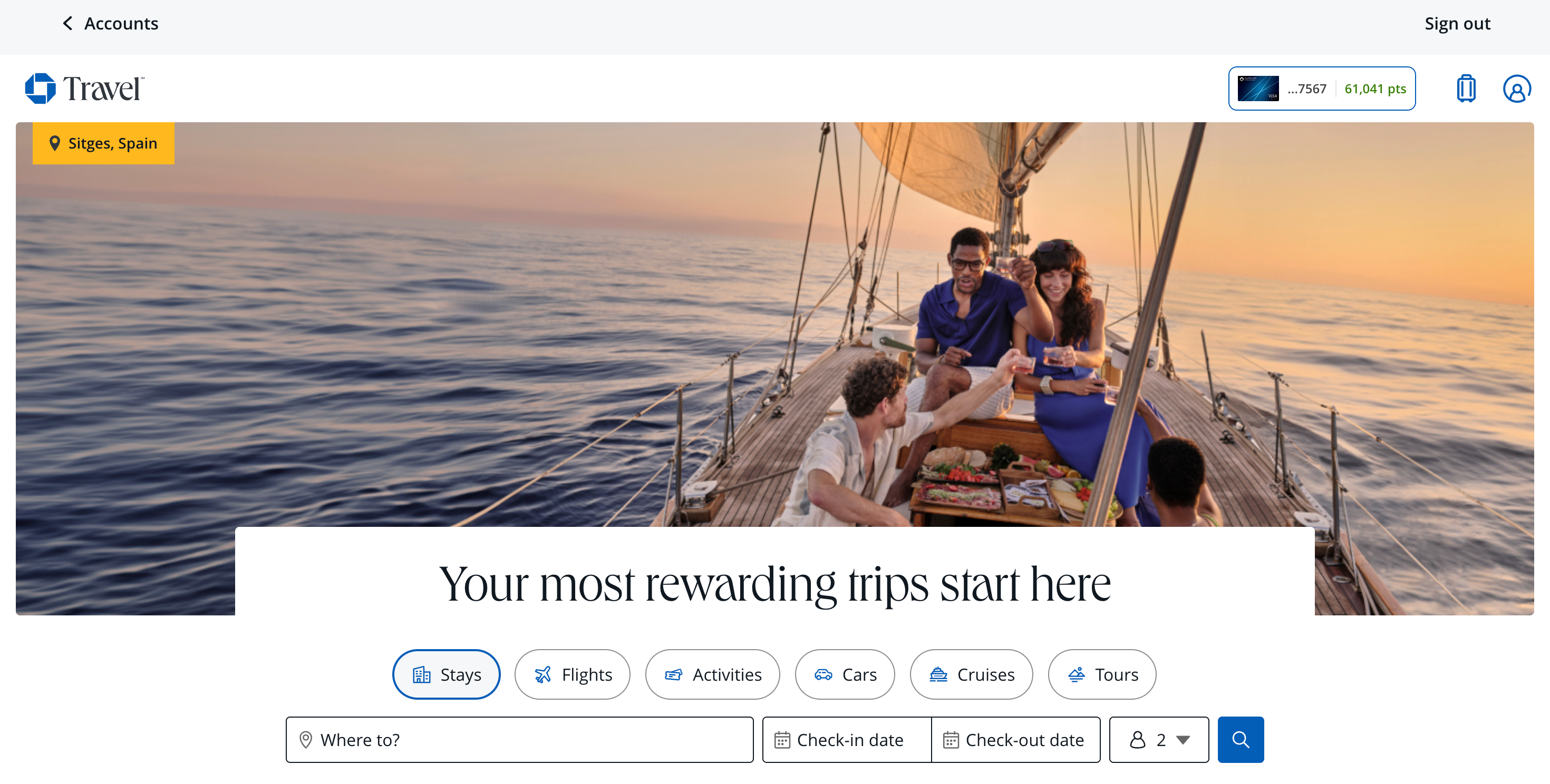
This is the most direct and often the most seamless way to utilize your Chase travel credit for hotels. The portal offers a vast inventory of hotels, from budget-friendly options to luxury resorts, across popular destinations like New York City, Paris, and Tokyo.
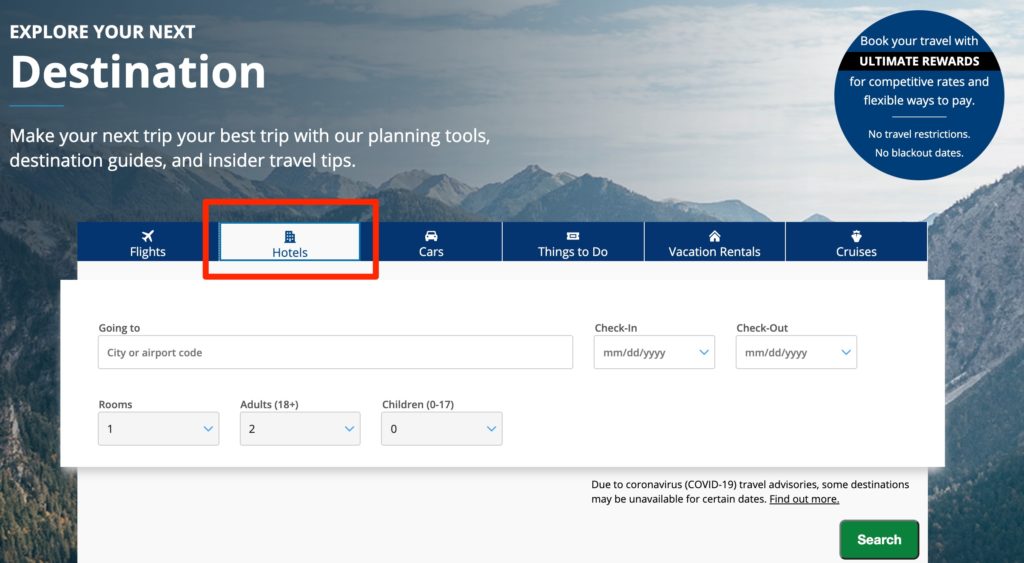
- Finding Hotels: Navigate to the travel portal via your Chase online account. Select “Hotels” and enter your desired destination, dates, and number of guests.
- Applying the Credit: As you browse the search results, you’ll see prices displayed. When you proceed to book a specific hotel, you will usually be presented with an option to apply your available travel credit. This will reduce the final out-of-pocket cost.
- Value of Points vs. Credit: Remember that booking through the portal also allows you to redeem your Chase Ultimate Rewards points. If your credit is being used for a hotel stay, consider if you could achieve a better redemption value by using points for a different travel expense or holding onto them for a premium redemption. However, for simply offsetting the cost of a necessary hotel stay, the credit is an excellent tool.
When Direct Booking Might Be Better (and How to Still Use Credit)
While the portal is convenient, sometimes booking directly with a hotel or through another booking site might offer a better rate, exclusive perks, or a more familiar interface. In these scenarios, understanding how your credit works becomes critical.
- Statement Credit Redemption: If your credit is a general statement credit for travel, you can often book your hotel directly through the hotel’s website or a third-party site like Booking.com or Expedia. After the charge appears on your statement, Chase will typically apply the credit automatically as a statement credit to offset the cost of that qualifying hotel purchase. This gives you flexibility in where you book.
- Qualifying Travel Purchases: It’s vital to ensure that your hotel booking is classified as a “travel purchase” by the merchant’s card processing. Most hotel bookings will be, but sometimes booking ancillary services through a hotel might not qualify. Always refer to your card’s specific terms for what constitutes a qualifying purchase.
Timing Your Redemptions
The annual travel credit usually resets on your cardmember anniversary or at the beginning of the calendar year, depending on the card. To maximize its value, plan your hotel stays around this reset.
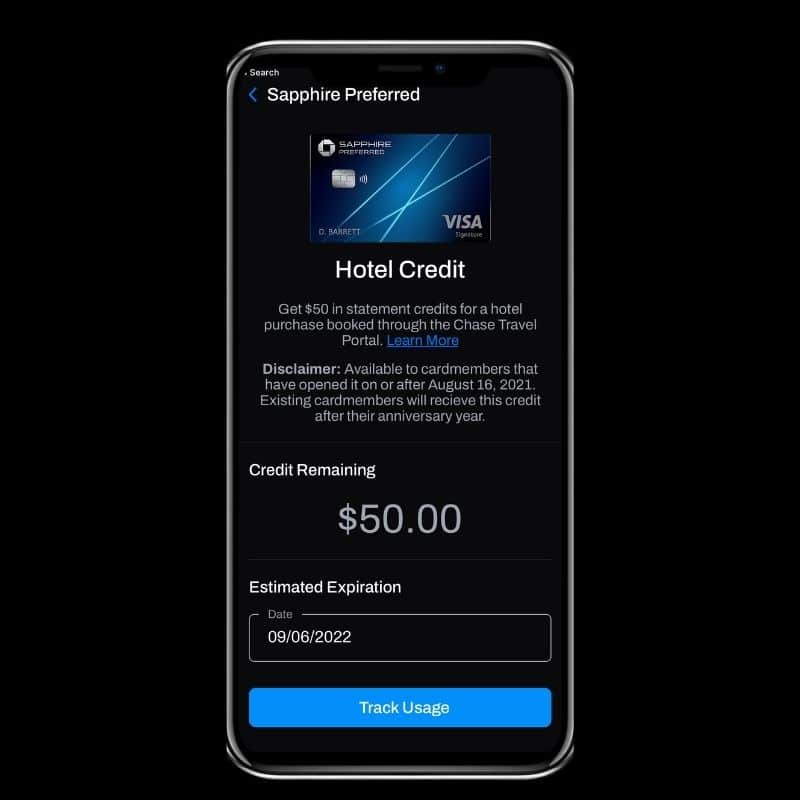
- Start of the Year: If your credit resets on January 1st, consider booking a hotel stay early in the year, perhaps during a winter getaway to Aspen or a city break to Rome. This allows you to use the credit for a significant portion of your accommodation costs, and then you still have the rest of the year to potentially use any other travel benefits.
- Cardmember Anniversary: If your credit resets on your anniversary, strategically plan a trip around that time. For example, if your anniversary is in September, a fall vacation to wine country in Napa Valley or a business trip to a major convention could be perfect for leveraging your refreshed credit.
- Don’t Let It Expire: The most common mistake is letting the credit go unused. Even if it doesn’t perfectly cover an entire stay, using a portion of the credit is better than forfeiting it.
Maximizing Value and Perks
Beyond simply offsetting the cost, using your Chase hotel credit can be part of a broader strategy to unlock exceptional travel experiences.
Combining with Hotel Loyalty Programs
When booking hotels, especially through the Chase Ultimate Rewards portal, you can often still earn loyalty points or enjoy elite status benefits with major hotel brands.
- Loyalty Program Number: When booking through the portal, ensure you have the option to add your hotel loyalty program number (e.g., Marriott Bonvoy, Hilton Honors, World of Hyatt). This allows you to earn points and potentially receive benefits like room upgrades, late checkout, or complimentary breakfast, even though you booked through a third-party portal.
- Direct Bookings and Loyalty: If you’re using a statement credit by booking directly, you are almost always guaranteed to earn loyalty points and receive elite benefits, as the booking is recognized by the hotel chain.
Leveraging Other Card Benefits
Many premium Chase cards that offer travel credits also come with other valuable perks that can enhance your hotel stay.
- Elite Status: Some cards, like the Ink Business Premier® Credit Card (which might offer similar benefits to personal travel cards in some regards), can offer complimentary elite status with hotel programs or through spending thresholds. This status can be used in conjunction with bookings made using your travel credit.
- Airport Lounge Access: While not directly related to hotels, access to lounges like the Chase Sapphire Lounge by The Club can make the travel portion of your trip more comfortable, complementing your hotel stay.
- Travel Insurance: Many Chase cards offer robust travel insurance, including trip cancellation/interruption insurance and baggage delay coverage. Ensure these protections apply to bookings made with your travel credits.
Planning for Specific Hotel Needs
Your Chase hotel credit can be particularly useful for specific types of stays.
- Business Travel: For business travelers who frequently stay at hotels, consistently using the annual credit can significantly reduce corporate travel expenses or personal out-of-pocket costs on business trips.
- Family Vacations: Planning a family trip to Orlando or a resort stay in Cancun? The hotel credit can help make those more expensive family suites or connecting rooms more affordable.
- Luxury Stays: If you’re aiming for a splurge, like a weekend at a five-star hotel in London or a resort in the Maldives, the credit can offset a meaningful portion of the cost, making luxury more accessible.
Common Pitfalls and How to Avoid Them
While the Chase hotel credit is a valuable perk, there are a few common mistakes travelers make that can diminish its value.
Misunderstanding Redemption Rules
- “Travel” Definition: The most frequent issue is misunderstanding what constitutes a “qualifying travel purchase.” While hotels are generally covered, be wary of bookings that might be classified differently, such as timeshares or certain long-term apartment rentals, depending on the specific card terms. Always check the fine print.
- Portal vs. Direct: Double-check if your credit is designed primarily for portal bookings or if it applies to direct bookings as a statement credit. Attempting to use a portal-only credit on a direct booking will result in the credit not being applied.
Not Maximizing the Full Credit Amount
- Partial Use is Still Good: If your hotel stay costs less than your full credit amount, don’t worry. You’ll use the portion that covers the cost, and the remainder will be available for future eligible travel purchases until the credit expires. However, for cards where the credit must be used for a specific booking type within the portal, ensure you book a qualifying hotel that fully utilizes or comes close to utilizing the credit if possible.
- Planning for It: Avoid last-minute bookings where you might overpay or book a less-than-ideal hotel just to use the credit. Integrate the credit into your travel planning from the outset.
Forgetting About Other Travel Credits
- Bundled Benefits: If your card offers multiple travel credits (e.g., airline incidentals, Global Entry credit), understand how they all work together and when they reset. Sometimes these credits can be combined or used in sequence for a more comprehensive travel discount.
By understanding the nuances of your Chase travel credit, planning strategically, and avoiding common pitfalls, you can transform this valuable perk into significant savings on your hotel stays, allowing you to travel more often and more luxuriously. Whether booking a quick weekend getaway or a sprawling international adventure, your Chase credit is a powerful tool in your travel arsenal.
LifeOutOfTheBox is a participant in the Amazon Services LLC Associates Program, an affiliate advertising program designed to provide a means for sites to earn advertising fees by advertising and linking to Amazon.com. Amazon, the Amazon logo, AmazonSupply, and the AmazonSupply logo are trademarks of Amazon.com, Inc. or its affiliates. As an Amazon Associate we earn affiliate commissions from qualifying purchases.