
Navigating the landscape of travel accommodation involves a crucial decision for many: the choice between a traditional hotel and a short-term rental through platforms like Airbnb. This decision often hinges on perceived cost-effectiveness, but the reality is far more nuanced. While a quick glance at nightly rates might suggest one option is definitively cheaper, a deeper dive into fees, amenities, location, and the nature of your trip reveals that the true cost comparison is multifaceted and highly dependent on individual circumstances. Understanding these variables is key to making the most budget-conscious and satisfying choice for your next getaway.
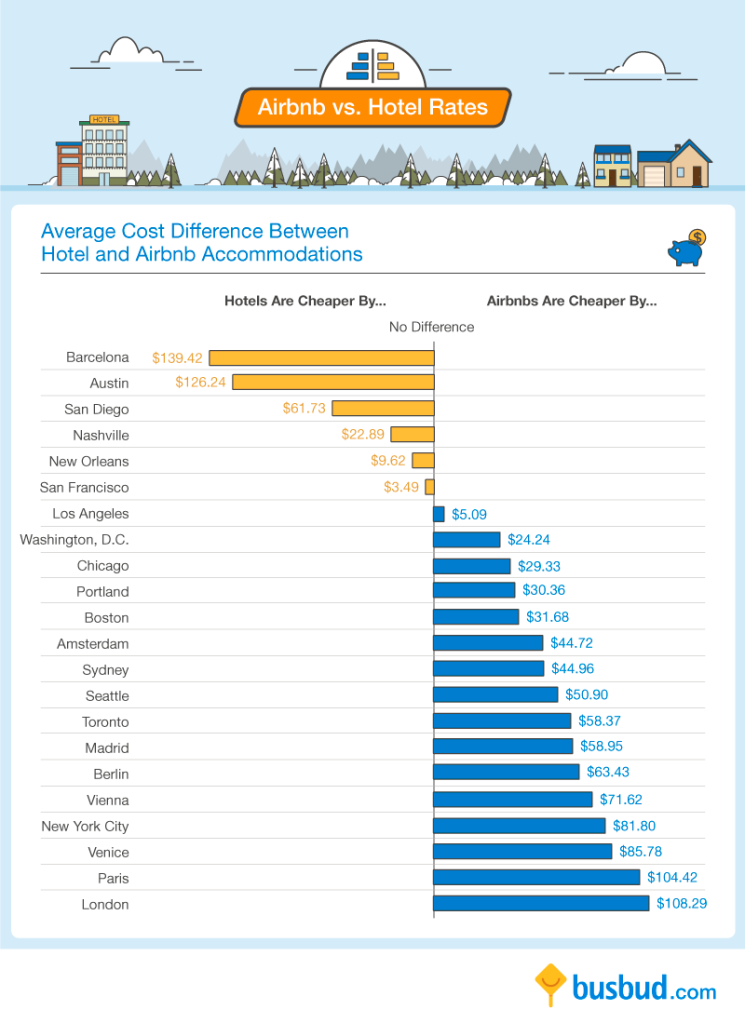
Decoding the True Cost: Beyond the Sticker Price
The initial price displayed for both hotels and Airbnbs rarely tells the whole story. Several factors contribute to the final amount you’ll pay, and neglecting them can lead to unexpected expenses.
The Hotel Equation: Transparency and Ancillary Charges
Hotel pricing typically appears straightforward, with a nightly rate clearly stated. However, it’s essential to factor in:
- Taxes and Fees: Most cities and countries levy occupancy taxes and resort fees, which can add a significant percentage to the base rate. These are often not included in the initial advertised price.
- Resort Fees: Many hotels, particularly in popular tourist destinations like Las Vegas or Miami, charge mandatory resort fees. These fees are meant to cover amenities like Wi-Fi, pool access, and fitness centers, even if you don’t use them. Always check if this fee is included in the quoted price.
- Parking: If you’re arriving by car, hotel parking fees can be substantial, often ranging from $20 to $60 per night, or even more in major metropolitan areas like New York City or San Francisco.
- Food and Beverage: While some hotels offer complimentary breakfast, many do not. The cost of dining at hotel restaurants or ordering room service can quickly escalate your expenses.
- Wi-Fi: While increasingly standard, some hotels still charge for in-room Wi-Fi, especially for higher speeds.
The Airbnb Equation: Service Fees and Hidden Costs
Airbnb pricing is generally more transparent about its additional charges, but they are still worth scrutinizing:
- Guest Service Fee: Airbnb charges a service fee to guests, which varies but typically falls between 5% and 15% of the booking subtotal. This fee covers the cost of operating the platform.
- Cleaning Fee: Most Airbnb listings include a cleaning fee, which is a one-time charge per stay. This can range from $20 for a small room to hundreds of dollars for a large house. It’s crucial to note that this fee is paid regardless of how long you stay, making it a larger proportion of the cost for shorter trips.
- Extra Guest Fees: Some hosts charge an additional fee for each guest beyond a certain number (often two). Ensure you accurately represent the number of guests in your party to avoid surprises.
- Host-Imposed Fees: While less common, some hosts might have specific surcharges for amenities or services not covered by the base rate, so always read the house rules carefully.
- Location and Size: Like hotels, the price of an Airbnb is heavily influenced by its location and size. A prime spot in downtown London will naturally be more expensive than a room in a suburban neighborhood.
Factors That Tip the Scales: When One Wins Over the Other
Beyond the direct costs, several other considerations can make either a hotel or an Airbnb a more economical choice depending on your travel style and needs.
Group Travel and Extended Stays
For families or larger groups traveling together, an Airbnb often presents a more cost-effective solution.

- Shared Costs: Renting a house or apartment allows the group to split the total cost, which can be significantly lower than booking multiple hotel rooms.
- Kitchen Facilities: Having a full kitchen in an Airbnb can lead to substantial savings on food. Instead of dining out for every meal, you can prepare breakfast, pack lunches, and even cook dinner, significantly reducing your daily food budget. This is particularly beneficial for longer trips.
- Space and Amenities: Larger groups often benefit from the extra space, multiple bedrooms, and shared living areas provided by an Airbnb, offering a more comfortable and home-like experience than being spread across several hotel rooms.
Conversely, for solo travelers or couples on short, business-focused trips, a well-priced hotel room might offer better value and convenience.
Location, Location, Location
The proximity of your accommodation to attractions, public transport, and dining options plays a significant role in your overall travel budget.
- Hotels in Prime Locations: Hotels are often situated in the heart of city centers or close to major tourist attractions. While this convenience comes at a premium, it can save you money and time on transportation. For instance, staying at a Marriott in downtown Paris might be more expensive per night than an Airbnb further out, but if it allows you to walk to the Louvre Museum and the Champs-Élysées, you’ll save on metro tickets and taxis.
- Airbnbs in Residential Areas: Airbnbs are frequently found in residential neighborhoods, which can offer a more authentic local experience and potentially lower nightly rates. However, you’ll need to factor in the cost and time of commuting to popular sites. A cheaper Airbnb in a quiet suburb of Rome might require frequent use of public transport or taxis to reach the Colosseum or the Vatican City.
Amenities and Services: What Do You Really Need?
The amenities offered by hotels and Airbnbs can sway the cost-effectiveness depending on your priorities.
- Hotel Amenities: Hotels typically offer a range of services like daily housekeeping, 24-hour front desk support, concierge services, on-site restaurants, and often swimming pools and fitness centers. If you value these conveniences and plan to utilize them, the hotel price might be justified. For example, a business traveler might prioritize a hotel with a reliable business center and room service.
- Airbnb Amenities: Airbnbs vary widely. Some offer hotel-like amenities, such as fully equipped kitchens, laundry facilities, and even private pools or hot tubs. Others are more basic. If you’re comfortable with self-sufficiency – handling your own cleaning (beyond the fee), laundry, and meal preparation – and don’t require daily service, an Airbnb can be more economical. The presence of a kitchen in an Airbnb is a major cost-saving factor for many travelers.
When to Choose Which: Strategic Decision-Making
To make the most informed decision, consider these specific scenarios:
The Case for Hotels
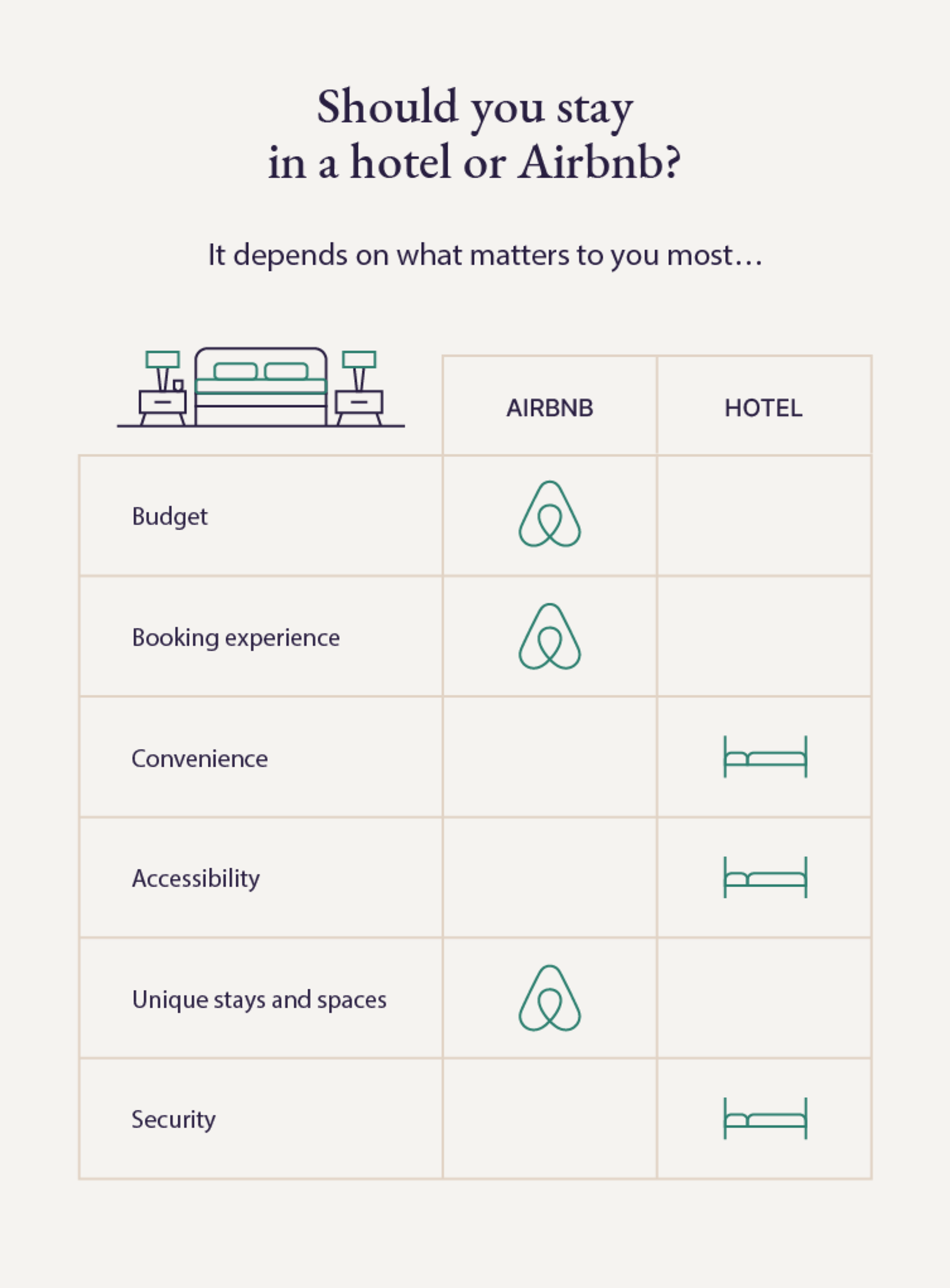
- Short Business Trips: For a quick trip where your primary focus is meetings and you value efficiency and consistent service, a hotel is often ideal. The amenities like business centers, fast Wi-Fi, and proximity to business districts are valuable.
- Solo Travelers Seeking Security and Convenience: A solo traveler might prefer the perceived security of a hotel, with staff available around the clock and a consistent level of service.
- Luxury and Pampering: If your trip is about indulgence and you want to be catered to with daily cleaning, room service, and resort amenities, a luxury hotel or resort like the Ritz-Carlton will likely be a better fit than an Airbnb.
- Loyalty Programs: If you are a frequent traveler and part of hotel loyalty programs, such as Marriott Bonvoy or Hilton Honors, you can earn points towards free stays or enjoy elite benefits that can offset costs.
The Case for Airbnbs
- Family Vacations: The space, privacy, and cost-effectiveness of renting an entire house or apartment make Airbnb a winner for families, especially those with young children who benefit from a more relaxed, home-like environment.
- Extended Stays: For stays longer than a week, the savings on food by using a kitchen can become substantial. Additionally, many Airbnb hosts offer weekly or monthly discounts, making them more competitive than hotels over extended periods.
- Cultural Immersion: Staying in a residential neighborhood via Airbnb can offer a more authentic local experience, allowing you to explore beyond the typical tourist trails.
- Budget-Conscious Group Travel: When traveling with friends, splitting the cost of a large Airbnb can be significantly cheaper per person than individual hotel rooms.
Ultimately, the “cheaper” option between a hotel and an Airbnb is not a one-size-fits-all answer. It requires careful consideration of your specific travel needs, duration of stay, group size, desired amenities, and willingness to trade convenience for potential savings. By meticulously comparing not just the nightly rate but all associated fees and factoring in the value of included services and amenities, you can confidently choose the accommodation that best suits your budget and travel style for your next adventure in Europe or beyond.
LifeOutOfTheBox is a participant in the Amazon Services LLC Associates Program, an affiliate advertising program designed to provide a means for sites to earn advertising fees by advertising and linking to Amazon.com. Amazon, the Amazon logo, AmazonSupply, and the AmazonSupply logo are trademarks of Amazon.com, Inc. or its affiliates. As an Amazon Associate we earn affiliate commissions from qualifying purchases.