
The world of hospitality is a vast and often intricate landscape, populated by numerous brands and corporate entities. For travelers, understanding the relationships between these entities can simplify booking decisions and provide clarity on what to expect from a particular hotel experience. A common point of confusion arises when guests question whether well-known brands like Hyatt are part of larger hotel conglomerates. Specifically, the question, “Is The Hyatt A Marriott Hotel?” emerges frequently. This article delves into the distinct identities of these major hotel groups, their histories, their portfolios, and their operational structures to provide a clear answer.

Understanding the Distinction: Hyatt vs. Marriott
At its core, the answer to whether Hyatt is a Marriott hotel is a straightforward “no.” The Hyatt Hotels Corporation and Marriott International are two entirely separate and independent publicly traded companies. They operate as direct competitors in the global hospitality market, each with its own distinct ownership, management, brand portfolio, loyalty programs, and strategic direction.
A Brief History of Hyatt
Founded in 1957 by entrepreneur Jay Pritzker, Hyatt began with the acquisition of the Hyatt House motel in Los Angeles, California. The brand quickly evolved, and by the 1960s, it had expanded to include larger, more luxurious properties. Over the decades, Hyatt has cultivated a reputation for sophisticated design, high-quality service, and a focus on creating memorable guest experiences, particularly within its full-service brands. The company is headquartered in Chicago, Illinois.
A Brief History of Marriott
Marriott International boasts an even longer history, tracing its origins back to 1927 when J. Willard Marriott and his wife Alice opened a root beer stand in Washington, D.C.. The company entered the hotel business in 1953 with the acquisition of the Twin Bridges Marriott Hotel. Marriott has grown exponentially through organic expansion, strategic acquisitions, and franchising, becoming one of the largest and most diversified hotel companies in the world. Headquartered in Bethesda, Maryland, Marriott oversees a vast array of brands catering to various market segments, from luxury to economy.
The Brand Portfolios: Diverse Offerings
The primary reason for the distinction between Hyatt and Marriott lies in their respective brand portfolios. Both companies own, manage, and franchise a wide range of hotel brands, each designed to appeal to specific traveler needs and preferences.
Hyatt’s Brand Spectrum
Hyatt operates a curated collection of brands, focusing primarily on full-service and luxury segments, as well as expanding into select-service and lifestyle offerings. Key brands include:
-
Luxury & Premium:
- Park Hyatt: Known for its discreet luxury, personalized service, and prime locations in major cities.
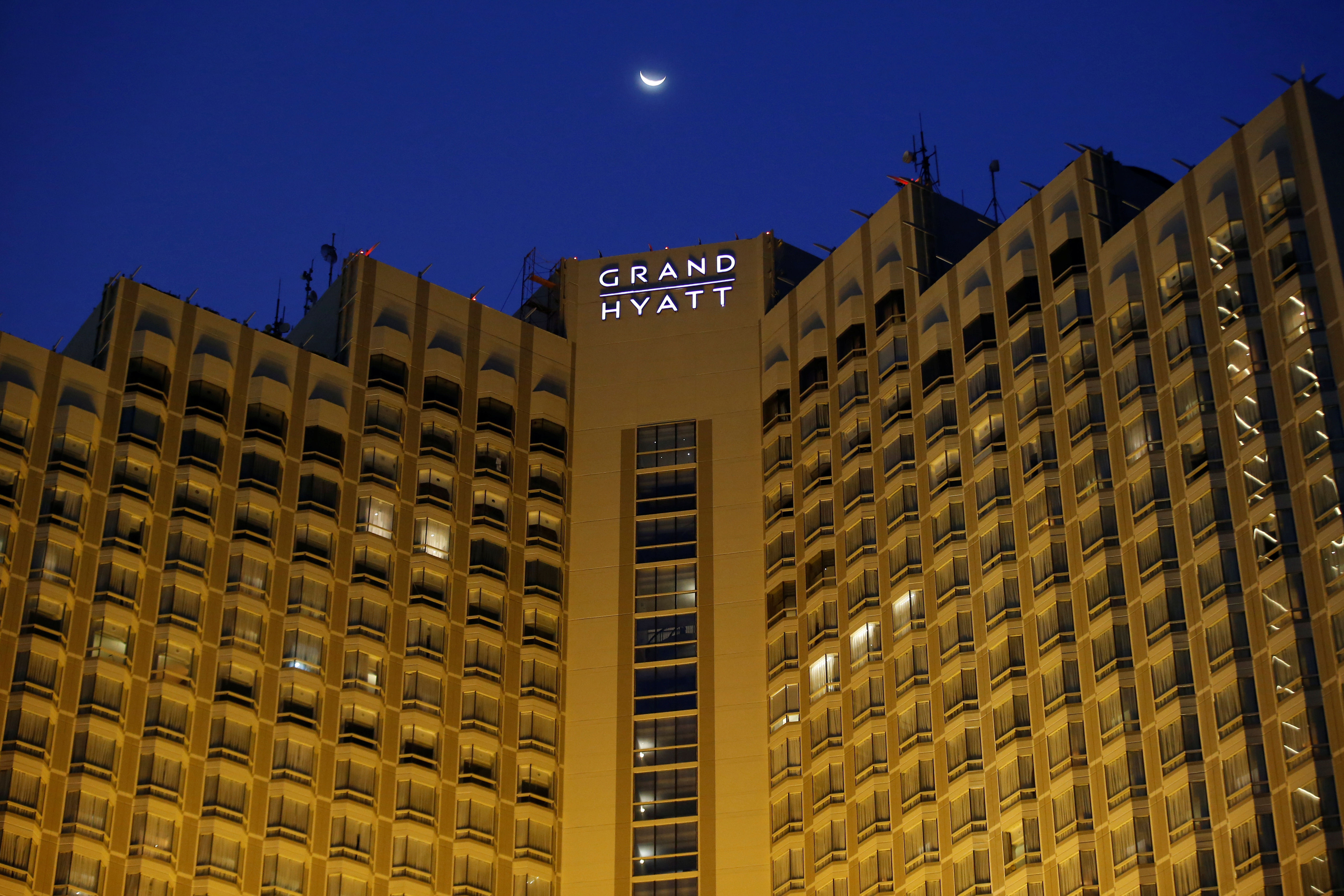
- Grand Hyatt: Characterized by its large-scale, sophisticated properties, often featuring extensive meeting facilities and diverse dining options.
- Hyatt Regency: A flagship brand offering full-service amenities, often situated in business districts or popular tourist destinations.
- The Unbound Collection by Hyatt: A distinctive collection of independent hotels, each with its own unique history and character.
- Thompson Hotels: A lifestyle brand known for its sophisticated design and vibrant social scenes.
-
Lifestyle:
- Andaz: A collection of boutique hotels that offer a localized and immersive experience.
- Caption by Hyatt: A select-service brand designed for social interaction and a blend of work and leisure.
-
Select Service:
- Hyatt Centric: Hotels designed for travelers seeking an authentic local experience.
- Hyatt House: Extended-stay hotels offering apartment-style suites with full kitchens.
- Hyatt Place: A modern select-service brand focused on providing comfortable and convenient stays.

Marriott’s Expansive Portfolio
Marriott is renowned for its sheer breadth of brands, covering virtually every segment of the lodging market. Through organic growth and significant acquisitions, such as the merger with Starwood Hotels & Resorts in 2016, Marriott commands an unparalleled presence globally. Some of its most prominent brands include:
-
Luxury:
- The Ritz-Carlton: Synonymous with unparalleled luxury, exceptional service, and iconic properties worldwide.
- St. Regis Hotels & Resorts: Offers timeless elegance and bespoke service in some of the world’s most desirable locations.
- W Hotels: A leading lifestyle brand known for its contemporary design, vibrant energy, and innovative offerings.
- JW Marriott Hotels & Resorts: Blends sophisticated design with a high level of service, catering to discerning travelers.
- The Luxury Collection: A curated ensemble of the world’s most iconic hotels and resorts, each with a distinct character.
-
Premium:
- Sheraton Hotels & Resorts: A globally recognized brand offering a comfortable and familiar stay with excellent amenities.
- Marriott Hotels & Resorts: The flagship brand, providing a consistent experience of quality and service across its extensive network.
- Westin Hotels & Resorts: Focuses on well-being, offering guests opportunities to maintain their health and fitness routines while traveling.
- Renaissance Hotels: A lifestyle brand that encourages guests to discover local culture and experiences.
-
Select Service & Moderate Tiers:
- Courtyard by Marriott: A popular choice for both business and leisure travelers, offering modern amenities and a comfortable environment.
- SpringHill Suites by Marriott: All-suite hotels offering separate living and sleeping areas.
- Fairfield Inn & Suites by Marriott: Known for providing dependable quality and value.
- TownePlace Suites by Marriott: Extended-stay hotels designed for guests seeking a residential feel.
-
Extended Stay:
- Residence Inn by Marriott: Offers spacious suites with fully equipped kitchens, catering to longer stays.
- Element Hotels: An eco-conscious, extended-stay brand focusing on wellness.
This extensive list is not exhaustive but highlights the vast scope of brands under the Marriott umbrella, demonstrating how it significantly differs in scale and brand diversity from Hyatt.
Loyalty Programs and Operational Differences
The distinct corporate structures of Hyatt and Marriott are also reflected in their renowned loyalty programs and overall operational strategies.
World of Hyatt
Hyatt’s loyalty program is called World of Hyatt. It is recognized for its straightforward earning structure and valuable redemption options, often praised by frequent travelers for its guest-centric approach. Members can earn points on eligible stays, dining, and other expenses, which can be redeemed for free nights, room upgrades, and unique experiences. Elite status tiers within World of Hyatt offer escalating benefits such as late check-out, bonus points, and suite upgrades.
Marriott Bonvoy
Marriott consolidated its previous loyalty programs (Marriott Rewards, The Ritz-Carlton Rewards, and Starwood Preferred Guest) into a single, comprehensive program named Marriott Bonvoy following the acquisition of Starwood. Marriott Bonvoy offers an extensive network of properties across its vast portfolio, providing members with numerous opportunities to earn and redeem points. The program features multiple elite tiers with a wide array of benefits, including room upgrades, lounge access, and complimentary breakfast at select brands.
The operational approaches also differ. While both companies employ franchising, management contracts, and ownership models, their emphasis and scale vary. Marriott’s immense size often means a more standardized approach across its many brands, particularly in the select-service and mid-tier segments. Hyatt, with its more focused portfolio, often allows for a greater degree of brand individuality and a more hands-on approach to guest experience, especially in its premium and luxury segments.
Conclusion: Two Distinct Hospitality Giants
In conclusion, the question of whether Hyatt is a Marriott hotel is unequivocally answered: no, they are distinct entities. Hyatt Hotels Corporation and Marriott International are two separate, competing global hospitality companies. Each possesses its own rich history, a diverse array of brands, independent loyalty programs, and unique operational philosophies. Understanding this fundamental distinction is key for travelers navigating the choices available in the accommodation sector, ensuring they can select the brand and experience that best aligns with their expectations and travel needs. While both aim to provide exceptional guest experiences, their paths to achieving this goal are independent and separate.
LifeOutOfTheBox is a participant in the Amazon Services LLC Associates Program, an affiliate advertising program designed to provide a means for sites to earn advertising fees by advertising and linking to Amazon.com. Amazon, the Amazon logo, AmazonSupply, and the AmazonSupply logo are trademarks of Amazon.com, Inc. or its affiliates. As an Amazon Associate we earn affiliate commissions from qualifying purchases.