
Florida, renowned globally as the Sunshine State, beckons millions with its vibrant beaches, exhilarating theme parks, and rich tapestry of historic sites. From the bustling metropolis of Miami to the magical entertainment hub of Orlando, and the laid-back charm of Key West, the state thrives on a dynamic tourism economy. This robust industry supports a vast and diverse workforce, encompassing everyone from dedicated hotel staff and knowledgeable tour guides to innovative chefs and skilled attraction operators. Individuals pursuing a lifestyle intertwined with the allure of Florida often find themselves immersed in this exciting yet sometimes unpredictable sector.
While the appeal of working and living in such a popular destination is undeniable, even the most thriving economies can experience periods of fluctuation. Seasonal shifts, unforeseen economic downturns, or personal circumstances can, at times, lead to temporary job loss or reduced employment. For those whose livelihoods are deeply rooted in Florida’s prolific tourism and hospitality sectors, understanding the resources available during such transitions is paramount. This guide aims to demystify the process of filing for unemployment in Florida online, providing essential insights for residents and temporary workers alike, ensuring preparedness and access to vital support during challenging times. Navigating these systems effectively allows individuals to maintain a sense of stability, enabling them to continue appreciating the unique lifestyle Florida offers, even as they transition between roles or recover from setbacks. It’s about being informed, prepared, and resilient in a state that promises both adventure and opportunity.
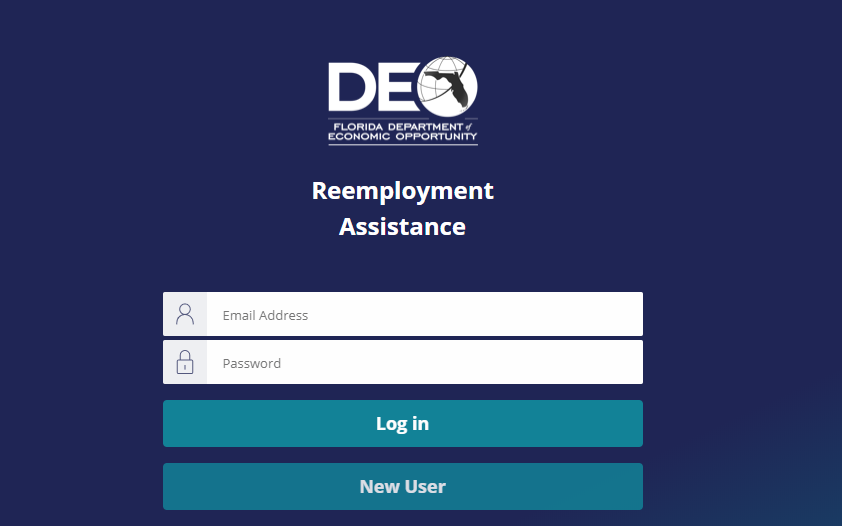
Understanding Florida’s Economic Landscape and Your Eligibility
Florida’s economy is a fascinating study in dynamism, largely propelled by its status as a premier global travel destination. This vibrant economic engine, however, operates with specific rhythms and demands that shape the employment landscape, particularly for those in the tourism and hospitality industries. Understanding these inherent dynamics is crucial for anyone living or working in the state, offering foresight into potential challenges and the pathways to navigate them.
The Dynamic Nature of Florida’s Tourism Economy
The tourism sector in Florida is characterized by its high energy and significant scale, but also by inherent seasonality and susceptibility to external factors. Major hubs like Orlando, home to giants such as Walt Disney World Resort and Universal Orlando Resort, and coastal cities like Miami or the Florida Keys, experience peaks and troughs in visitor numbers throughout the year. This directly impacts the demand for services across a wide array of businesses.
Consider the bustling hotels and sprawling resorts that pepper Florida’s landscape. These establishments employ thousands of individuals, from the meticulous housekeepers and attentive front-desk concierges to skilled chefs and vibrant entertainment staff. Similarly, the myriad attractions, ranging from world-famous theme parks to boutique museums and wildlife sanctuaries, rely on a dedicated workforce of ticket agents, ride operators, retail assistants, and tour guides. The numerous restaurants, bars, and local eateries that cater to both tourists and residents also represent a significant employment base, employing servers, bartenders, kitchen staff, and management teams. Each of these roles, while integral to Florida’s overall tourism experience, can be subject to the ebb and flow of tourist seasons, convention schedules, or even unexpected global events.

For instance, a hotel that is fully booked during the peak winter months or spring break might experience a significant drop in occupancy during the quieter summer or early autumn periods, leading to temporary layoffs or reduced hours for its staff. Tour operators might scale back their services when tourist numbers dip, impacting the guides and administrative personnel who support their operations. Even local shops and services in popular tourist destinations can feel the pinch during off-seasons. This cyclical nature means that job security, while generally strong in a growing market, can be subject to periodic fluctuations. Understanding these patterns is the first step in financial preparedness for anyone building a lifestyle around Florida’s vibrant, yet sometimes unpredictable, tourism economy. It underscores the importance of having a clear understanding of support systems like unemployment benefits.
Key Eligibility Criteria for Unemployment Benefits in Florida
Navigating the unemployment system begins with a fundamental understanding of who qualifies for benefits. In Florida, the system is designed to provide temporary financial assistance to individuals who have lost their jobs through no fault of their own. For those deeply entrenched in the tourism and hospitality sectors, where seasonal work and industry shifts are common, knowing these criteria is particularly relevant.
The core requirements for eligibility generally revolve around three main areas: your past employment and wages, your reason for job separation, and your ongoing availability and search for work.
Firstly, to be eligible, you must have earned sufficient wages during a specific “base period” (typically the first four of the last five completed calendar quarters before you file your claim). Florida uses a specific formula to determine if your earnings meet the minimum threshold, ensuring that benefits are provided to individuals with a demonstrated history of attachment to the workforce. For many working in hotels, resorts, or attractions, especially those with consistent employment through peak seasons, meeting this monetary requirement is usually straightforward. However, for those with highly sporadic or very short-term contract work, it’s essential to verify if their earnings within the base period qualify.

Secondly, and critically, your unemployment must be “through no fault of your own.” This is where the nuances of job separation become important.
- Layoffs due to lack of work or economic downturns: This is the most common scenario for many in the tourism industry. If a hotel reduces staff due to lower bookings, an attraction closes for renovations, or a tour company scales back operations due to decreased visitor demand, employees laid off under these circumstances are generally eligible. This includes seasonal layoffs where there’s no guarantee of re-employment or a long gap between seasons.
- Voluntary separation: If you quit your job, you are typically not eligible for benefits unless you had “good cause” attributable to the employer. This “good cause” is narrowly defined and usually relates to unsafe working conditions, discrimination, or certain significant changes to your terms of employment without prior agreement. Merely disliking a job or finding a better opportunity that fell through usually doesn’t qualify.
- Discharge for misconduct: If you were fired for misconduct, you are generally not eligible. Misconduct is defined as deliberate violations of company policy, willful disregard of employer’s interests, or actions that are a clear breach of duties. Poor performance, while a reason for termination, is often not classified as misconduct in the context of unemployment benefits, as long as it wasn’t due to willful disregard.
For individuals working in Florida’s dynamic tourism industry, understanding these distinctions is vital. A seasonal layoff or a reduction in force due to lower tourist numbers falls squarely within the “no fault of your own” category, making unemployment benefits a crucial safety net. Preparing for potential shifts in employment by understanding these criteria ensures that you can quickly and effectively access the support you need, maintaining your desired lifestyle in the Sunshine State even during times of transition.
Navigating the Online Application Process: Step-by-Step
Once you understand the context of Florida’s economy and your potential eligibility, the next critical step is to initiate the application for reemployment assistance. In today’s digital age, this process is predominantly conducted online, emphasizing the need for internet literacy and access to technology. This section guides you through the specifics of Florida’s digital filing system and the essential documentation required to ensure a smooth application.
The CONNECT System: Your Digital Gateway
In Florida, the online platform for filing and managing unemployment claims is known as CONNECT. This system serves as the central hub for all reemployment assistance activities, from initial application to weekly claim certifications and communication with the Department of Economic Opportunity. For individuals residing in or working across Florida’s diverse regions, from the bustling urban centers to more remote coastal towns, CONNECT is the primary interface for seeking support.
The emphasis on an online system highlights the modern approach to public services, streamlining what was once a paperwork-heavy, in-person process. This digital transformation means that applicants need a reliable internet connection and a device – be it a computer, tablet, or smartphone – to access the portal. This is generally not an issue for many, given the widespread availability of Wi-Fi in public libraries, community centers, and even many accommodation options like hotels or guesthouses. However, it underscores the importance of digital access for all residents, including those who might be transient workers in the tourism industry or those residing in more budget-friendly, long-term stay accommodations that may or may not offer robust internet services.
Upon accessing the CONNECT portal, new applicants will be prompted to create an account. This involves setting up a secure username and password, which will be used for all future interactions with the system. It is imperative to keep these credentials safe and accessible, as they are your key to managing your claim. The system is designed to guide users through each step of the application, often employing clear prompts and instructions. However, being prepared with all necessary information before you start can significantly reduce the time and potential frustration involved. This foresight is part of maintaining a proactive lifestyle, ensuring that even administrative tasks are handled efficiently to minimize stress and free up time for other pursuits, such as exploring local culture or engaging in budget-friendly activities while in transition.
Essential Information and Documentation for Your Claim
The online application process on CONNECT requires a comprehensive set of personal and employment-related information. Gathering these details before you begin the application is highly recommended, as it can prevent interruptions, reduce errors, and ensure a quicker, more accurate submission. For individuals who may have moved frequently for seasonal work across Florida, or who manage their affairs digitally, having these documents readily available is particularly beneficial.
Here is a list of the key information and documentation you will likely need:
- Social Security Number (SSN): Your SSN is fundamental for identification and for verifying your employment history and wages.
- Driver’s License or State ID Card: This serves as proof of identity and residency.
- Employment History for the Last 18 Months:
- Names and Addresses of All Employers: You’ll need the full legal names and physical addresses of every employer you worked for during this period. For those in the tourism sector, this might include various hotels, resorts, attractions, or seasonal businesses from Miami to Orlando.
- Dates of Employment: Exact start and end dates for each job.
- Gross Wages Earned: The total amount of money you earned from each employer.
- Reason for Separation from Each Employer: A clear and concise explanation for why each job ended (e.g., laid off due to lack of work, seasonal contract ended, voluntary quit, discharged). Be precise and truthful.
- Proof of Earnings (Pay Stubs, W-2s): While not always strictly required at the initial filing stage, having these documents on hand can help you accurately report your wages and clarify any discrepancies that may arise.
- Bank Account Information: For direct deposit of benefits (routing number and account number). This is the most common and efficient way to receive payments.
- Alien Registration Number or Work Permit (if not a U.S. citizen): For non-citizens authorized to work in the U.S.
- Union Membership Information (if applicable): For members of a trade union.
For individuals living a nomadic or semi-nomadic lifestyle common in certain segments of the travel and tourism industry, having digital copies of these documents stored securely can be a lifesaver. This approach aligns with modern lifestyle practices where important information is often accessed via cloud services or secure digital wallets, ensuring that regardless of whether you’re staying in a short-term villa, a budget apartment, or a long-term resort, your essential paperwork is always at your fingertips. Taking the time to gather and organize this information proactively will streamline your online application significantly, reducing stress during an already challenging period and allowing you to focus on future plans or enjoy Florida’s numerous attractions responsibly.
Life After Filing: What to Expect and How to Stay Engaged in Florida
Filing for unemployment is a significant step, but it’s just one part of the journey. Once your application is submitted and approved, there are ongoing requirements you must meet to continue receiving benefits. Beyond the administrative tasks, this period also presents an opportunity to redefine your lifestyle, explore Florida’s rich offerings on a budget, and strategize for your next career move within the state’s vibrant landscape.
Maintaining Your Claim and Meeting Work Search Requirements
After successfully filing your initial claim for reemployment assistance through CONNECT, the process transitions into a phase of ongoing engagement and compliance. To continue receiving benefits, applicants are generally required to perform two main actions regularly: certify their claim weekly or bi-weekly and actively seek new employment.
Weekly Claim Certifications: This is a crucial administrative task that must be completed diligently. Through the CONNECT system, you will need to certify that you were unemployed during the specified week, that you were able and available for work, and that you reported any earnings you might have had from temporary or part-time work. This weekly certification confirms your continued eligibility and triggers the processing of your benefit payment for that period. Missing these certifications can lead to delays or even suspension of benefits, so it’s essential to set reminders and adhere to the schedule. For those who embrace a flexible lifestyle, integrating this into a weekly routine, perhaps while enjoying a morning coffee overlooking a scenic Florida beach or from the comfort of a temporary accommodation, is key.
Work Search Requirements: A fundamental principle of unemployment benefits is that they serve as a temporary bridge while you actively look for new work. In Florida, this means you are generally required to conduct a certain number of work search activities each week and accurately report them. These activities can include applying for jobs, attending job fairs, interviewing, or participating in approved reemployment services. The specific number of required contacts can vary, so it’s vital to check the latest guidelines on the CONNECT portal or through the Florida Department of Economic Opportunity website.
For individuals whose careers are deeply entwined with Florida’s tourism and hospitality industry, the work search requirement often involves targeting jobs within hotels, resorts, theme parks like Walt Disney World Resort or Universal Orlando Resort, travel agencies, or local attractions. The state also offers various career resources, often through local career centers, which can provide assistance with resume writing, interview skills, and access to job listings specifically for the hospitality sector. Staying engaged with these resources not only helps fulfill the work search requirement but also increases your chances of swiftly re-entering the workforce. This period of transition, while challenging, can be reframed as an opportunity to upskill, network, and strategically plan your next career move within Florida’s dynamic economy.
Exploring Florida on a Budget: A Lifestyle Adjustment
While navigating the administrative aspects of unemployment, it’s equally important to maintain your well-being and sense of connection to the vibrant lifestyle Florida offers. Facing financial constraints requires a shift in approach, turning to budget-friendly experiences that still allow you to appreciate the Sunshine State’s unique charm. This period can be an unexpected opportunity to explore local culture, engage with nature, and discover hidden gems you might have overlooked during busier times.
Free and Low-Cost Attractions: Florida is rich with natural beauty and public access points that require minimal to no cost. Its extensive network of Florida State Parks offers stunning natural landscapes, hiking trails, and picnic areas, often with only a small entrance fee per vehicle or even free pedestrian access. The miles of pristine beaches along the Atlantic and Gulf coasts are free to access, providing endless opportunities for swimming, sunbathing, shelling, and watching breathtaking sunsets. Cities like St. Augustine or Pensacola boast historic downtown areas perfect for walking tours, admiring architecture, and soaking in the atmosphere without spending a dime. Many local museums offer free admission days, or have permanent collections that are free to view, providing a dose of culture and history. Exploring local markets, like farmers’ markets or artisan fairs, can be an enjoyable way to experience local life, even if you’re only window shopping.
Budget-Friendly Accommodation and Lifestyle Choices: For those in transition or considering a more flexible living arrangement, exploring budget-friendly accommodation options becomes relevant. While luxury resorts and grand hotels are part of Florida’s allure, options like extended-stay hotels, guesthouses, or even carefully selected vacation rentals can provide comfortable, cost-effective long-term stays. These alternatives often come equipped with kitchenettes, allowing for self-catering, which significantly reduces food expenses compared to dining out.
Embracing a more mindful approach to spending can also open doors to new experiences. Seek out local eateries that offer delicious, authentic Florida cuisine at affordable prices – from fresh seafood shacks to Cuban sandwiches in Miami or key lime pie in Key West. Many communities host free events, concerts in the park, or outdoor movie nights, providing entertainment without breaking the bank.
Maintaining well-being during this period is paramount. Engaging in physical activity, connecting with friends and family, and finding ways to de-stress are vital. Florida’s natural environment lends itself perfectly to these pursuits, offering a therapeutic backdrop. This period of adjustment can be viewed not as a pause, but as a different chapter in your Florida lifestyle – one focused on resilience, resourcefulness, and discovering the state’s beauty from a refreshed perspective, preparing you for when you re-enter the workforce, invigorated and ready for new opportunities.
Unemployment, while a challenging phase, is typically a temporary one, particularly in an economically dynamic and resilient state like Florida. The vibrant tourism industry that initially attracted many to the Sunshine State continues to grow, offering myriad opportunities for those with the skills and passion to contribute to its allure. By understanding the online filing process through CONNECT, diligently meeting the ongoing requirements, and proactively engaging in job search activities, individuals can navigate this period with greater confidence and stability.
Moreover, this time can be uniquely leveraged for personal growth and rediscovery, allowing for exploration of Florida’s natural landmarks and cultural experiences through a budget-conscious lens. From the serene Florida State Parks to the lively local markets, the state offers countless ways to maintain an engaging lifestyle without significant expenditure. Embracing preparedness, leveraging available resources, and maintaining a positive outlook are essential. Florida’s enduring appeal as a travel destination and a place to live ensures a vibrant future, and with the right strategy, you can swiftly transition back into the heart of its thriving economy, ready for new adventures and opportunities in its ever-evolving landscape.
LifeOutOfTheBox is a participant in the Amazon Services LLC Associates Program, an affiliate advertising program designed to provide a means for sites to earn advertising fees by advertising and linking to Amazon.com. Amazon, the Amazon logo, AmazonSupply, and the AmazonSupply logo are trademarks of Amazon.com, Inc. or its affiliates. As an Amazon Associate we earn affiliate commissions from qualifying purchases.