
Hotel suites represent a significant evolution from the standard hotel room, offering guests an elevated and often more luxurious lodging experience. They are designed to provide more space, enhanced amenities, and a distinct separation of living and sleeping areas, catering to a diverse range of traveler needs, from families and business professionals to those seeking a more indulgent getaway. Understanding the nuances of hotel suites can empower travelers to make informed booking decisions, ensuring their stay aligns perfectly with their expectations and requirements.
The Defining Characteristics of a Hotel Suite
At its core, a hotel suite is defined by its larger size and the presence of at least one separate living area, distinct from the sleeping quarters. This fundamental difference sets suites apart from conventional hotel rooms, which typically consist of a single, multi-purpose space.
Space and Layout
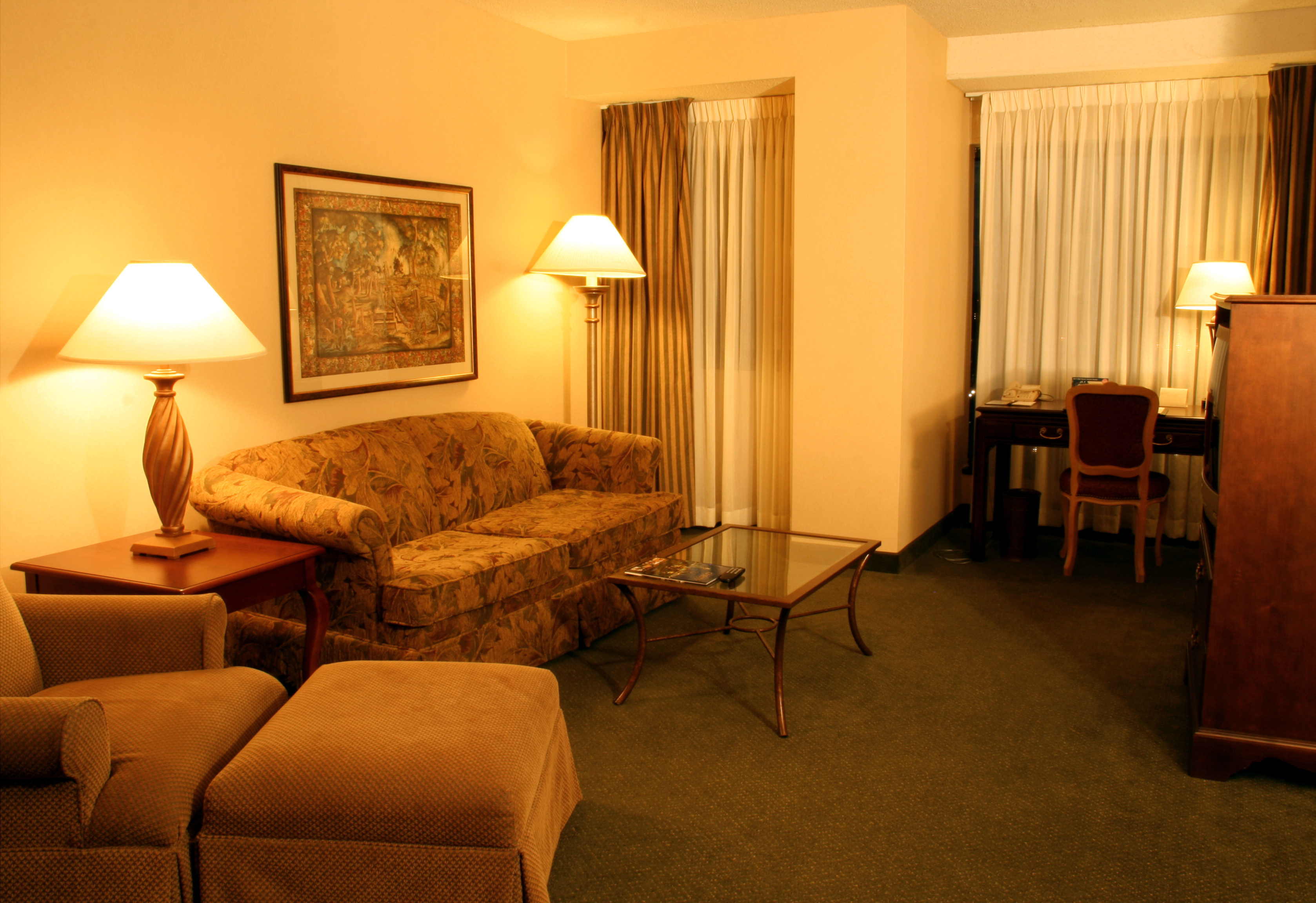
The most immediate and noticeable characteristic of a hotel suite is its generous square footage. While standard rooms often hover around 250-350 square feet, suites can range from 500 square feet to well over 1,000 square feet, offering considerably more room to relax, work, and entertain. The typical layout includes a separate bedroom, often with its own ensuite bathroom, and a distinct living area. This living space can vary in its offerings, from a simple seating area with a sofa and armchairs to a more comprehensive lounge with a dining table, a work desk, and even a small kitchenette.
Separation of Areas
The segregation of living and sleeping spaces is a key benefit of suites. This separation provides privacy for multiple occupants, allowing one person to sleep while another relaxes or works in the living area without disturbance. For business travelers, this means the ability to conduct meetings or work late without impacting a sleeping companion. For families, it offers a communal space for children to play or watch television while parents unwind in the bedroom.
Enhanced Amenities
Beyond the architectural separation, suites are typically outfitted with upgraded amenities that surpass those found in standard rooms. These can include:
- Multiple Televisions: Often one in the bedroom and another in the living area.
- Larger Bathrooms: Frequently featuring separate bathtubs and showers, double vanities, and premium toiletries.
- Minibars and Refrigerators: More substantial than those in standard rooms, sometimes stocking a wider array of beverages and snacks.
- Coffee Makers: Often higher-end models, providing a more enjoyable coffee experience.
- Workspaces: Dedicated desks with ample lighting and power outlets are common, catering to the needs of business travelers.
- Soaking Tubs or Jacuzzis: In some luxury suites, these add an extra layer of indulgence.
- Additional Bathrooms: Larger suites may offer a powder room in the living area, in addition to the ensuite bathroom in the bedroom.
Types of Hotel Suites and Their Appeal
The world of hotel suites is not monolithic; it encompasses a variety of types, each designed to cater to specific preferences and occasions. From the practicality of a junior suite to the opulence of a presidential suite, there is a suite for nearly every traveler.
Junior Suite
A junior suite, also often referred to as a studio suite, is the most basic form of suite. It offers a larger room than a standard room and features a distinct sleeping area and a separate living area, though the separation might not be a fully enclosed room but rather achieved through furniture placement or a partial divider. The living area typically includes a sofa or comfortable seating. This type of suite is ideal for couples or solo travelers seeking a bit more space and comfort than a traditional hotel room, without the full commitment or cost of a larger suite. Hotels like the Four Seasons Hotel New York often offer well-appointed junior suites.
One-Bedroom Suite
This is the classic definition of a suite, featuring a separate bedroom and a distinct living room. The living room can be furnished with a sofa, chairs, a coffee table, and often a dining area or workspace. This layout is particularly appealing to families, as it provides a private sleeping space for parents and a communal area for children. Business travelers also find this configuration highly beneficial, offering a professional setting for informal meetings or a place to unwind without disturbing a sleeping partner. Many major hotel brands, such as Marriott International properties worldwide, have extensive offerings of one-bedroom suites.
Two-Bedroom Suite and Beyond
For larger groups, families, or those desiring even more privacy and space, suites with two or more bedrooms are available. These suites offer multiple private sleeping quarters, often with separate bathrooms, along with a shared living and dining area. This makes them an excellent choice for extended families traveling together, groups of friends, or corporate retreats where individual privacy is paramount. Properties like the Ritz-Carlton often feature expansive multi-bedroom suites.
Specialty Suites
Beyond the standard configurations, hotels offer a range of specialty suites, each with unique themes, features, and levels of luxury.
Executive Suite
Tailored for the business traveler, the executive suite typically includes a spacious work desk, high-speed internet, enhanced communication facilities, and often a separate meeting area or table. The focus is on providing a productive and comfortable environment for those conducting business on the road.
Diplomatic Suite
Often found in high-end hotels, particularly in capital cities, the diplomatic suite is designed for entertaining and formal gatherings. They usually feature large living and dining areas, sometimes with a private kitchen or catering facilities, and multiple bedrooms for guests or staff.
Presidential Suite
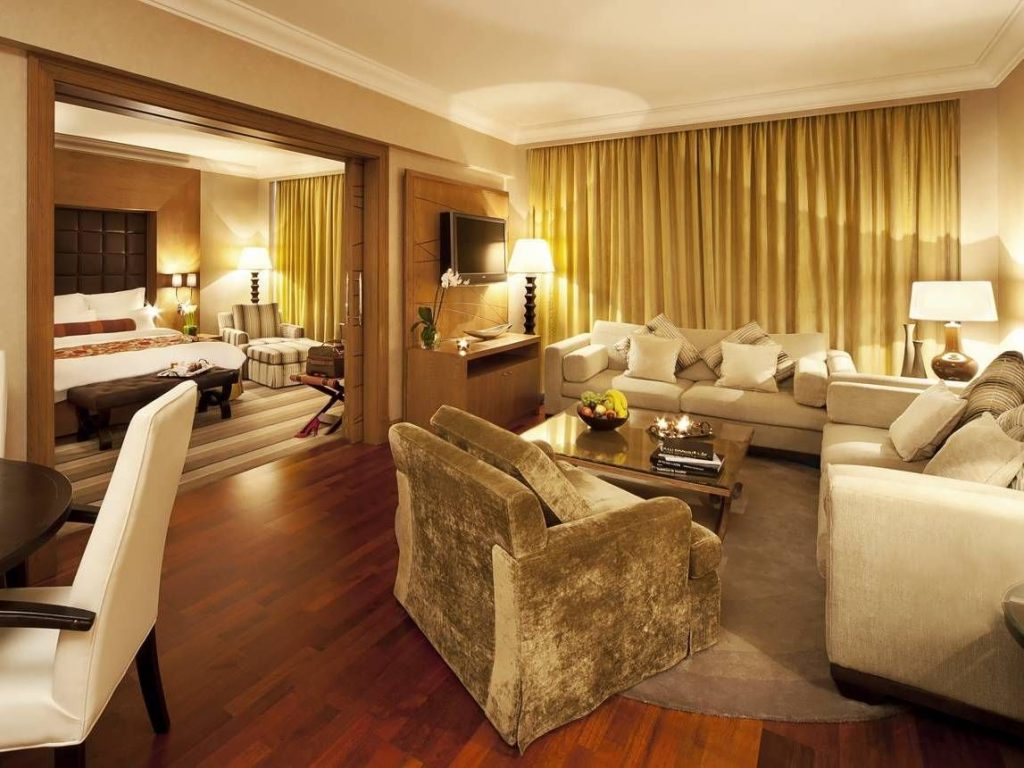
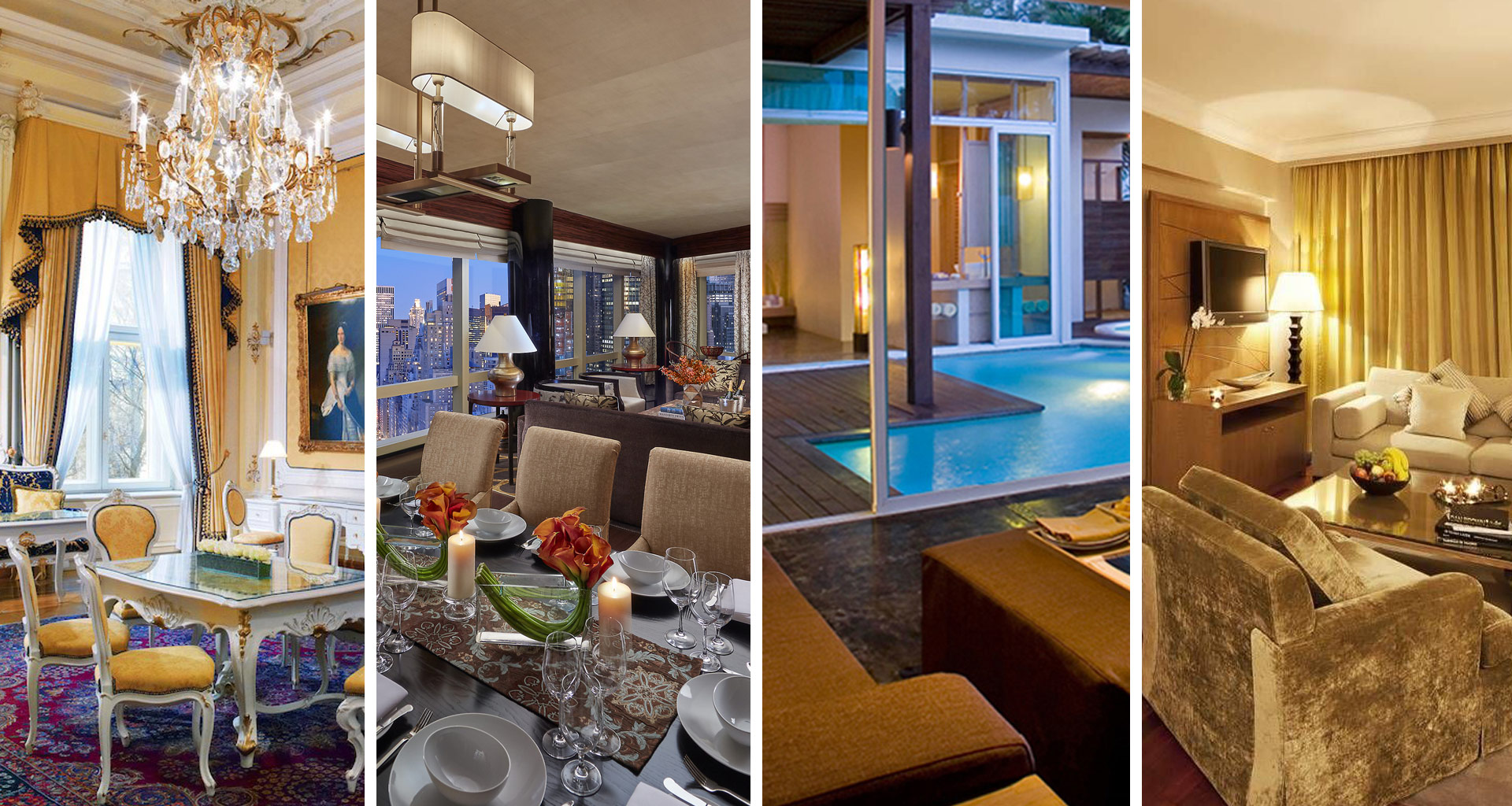
Representing the pinnacle of hotel luxury, the presidential suite is the most exclusive and opulent accommodation. These suites are typically the largest and most expensively appointed, featuring multiple bedrooms, lavish living and dining spaces, premium designer furnishings, state-of-the-art entertainment systems, private terraces or balconies, and often personalized butler service. Examples can be found at renowned establishments like the Plaza Hotel in New York or the Savoy Hotel in London.
Penthouse Suite
Similar in luxury to a presidential suite, a penthouse suite is distinguished by its location, typically occupying the top floor of a hotel, offering breathtaking panoramic views of the city or surrounding landscape. These suites often boast extensive outdoor space, such as private terraces or rooftop gardens.
The Benefits of Booking a Hotel Suite
The decision to book a hotel suite often stems from a desire for more than just a place to sleep. The added space, privacy, and amenities translate into a host of tangible benefits for various traveler profiles.
For Families
Suites offer a sanctuary for families. The separate living area provides a space where children can play, watch cartoons, or do homework without disturbing parents trying to rest in the bedroom. The extra room makes it easier to manage luggage, unpack, and create a more organized and less chaotic environment. The availability of multiple bedrooms further enhances privacy and comfort for larger families. Many resorts, such as those in Orlando, Florida, cater specifically to families with suite options.
For Business Travelers
The professional advantages of a suite are significant. The separate living space can function as a private office or a quiet area for calls and virtual meetings. A dedicated workspace with good lighting and connectivity is invaluable. The ability to entertain clients or colleagues in a comfortable, private setting without having to leave the hotel can be a considerable convenience and a sign of professionalism. Some hotels even offer dedicated business suites with extra features like printers and conference call facilities.
For Extended Stays
When staying in a hotel for an extended period, a standard room can feel confining. Suites provide the feeling of a home away from home, with distinct areas for living, working, and sleeping. The presence of a kitchenette or even a small refrigerator and microwave can significantly reduce dining costs and increase convenience. This is particularly beneficial for individuals on long-term assignments, relocation support, or extended vacations.
For Special Occasions and Luxury Seekers
For honeymoons, anniversaries, or simply a desire for indulgence, suites offer an unparalleled experience. The enhanced luxury, spaciousness, and often superior views and amenities contribute to a memorable and romantic atmosphere. The additional privacy afforded by a suite allows couples to relax and enjoy their time together without the constraints of a smaller, more public-feeling space. The premium toiletries, plush robes, and often more attentive service further elevate the experience.
Factors to Consider When Choosing a Hotel Suite
While the appeal of a hotel suite is undeniable, making the right choice requires careful consideration of several factors to ensure it meets your specific needs and budget.
Budget
Hotel suites are, by nature, more expensive than standard rooms. The price difference can vary significantly depending on the hotel’s star rating, location, and the specific type of suite. It’s crucial to set a realistic budget and compare suite prices against standard rooms and alternative accommodations like serviced apartments. Sometimes, booking two adjoining standard rooms might offer similar space and privacy at a lower cost.
Location and Hotel Amenities
The overall quality of the hotel and its location are paramount. A luxurious suite in a poorly located or poorly maintained hotel will not deliver the desired experience. Consider the hotel’s amenities, such as dining options, pool, fitness center, and spa, especially if you plan to spend a considerable amount of time on the property. For example, staying at a beach resort like the Grand Wailea, A Waldorf Astoria Resort in Maui might have suites with direct ocean views and access to exclusive beach areas.
Specific Needs and Purpose of Stay
The primary reason for your trip should guide your suite selection. If you are traveling solo for leisure and just want more space, a junior suite might suffice. If you are traveling with family and require separate sleeping areas, a one or two-bedroom suite is essential. If you are hosting business meetings, an executive or diplomatic suite with appropriate facilities would be ideal.
Suite Layout and Features
Always review the detailed floor plan and feature list for a specific suite. Look for details such as the number of bathrooms, the size of the living area, the presence of a dining table, a kitchenette, a balcony, or specific views. Images and virtual tours provided by the hotel can be invaluable in assessing whether the suite meets your expectations. Pay attention to the sleeping arrangements – is the sofa in the living area a pull-out bed, and is it comfortable enough for an adult?
Reviews and Reputation
Consulting reviews from previous guests who have stayed in the suites you are considering can offer invaluable insights. Look for comments on cleanliness, comfort, noise levels, the functionality of amenities, and the overall value for money. Reputable hotel review sites and travel forums can provide a balanced perspective.
In conclusion, hotel suites offer a sophisticated and often necessary upgrade from standard hotel rooms. By understanding the diverse types available and carefully considering individual needs, travelers can unlock a more comfortable, productive, and enjoyable lodging experience, transforming a simple trip into a truly memorable stay.
LifeOutOfTheBox is a participant in the Amazon Services LLC Associates Program, an affiliate advertising program designed to provide a means for sites to earn advertising fees by advertising and linking to Amazon.com. Amazon, the Amazon logo, AmazonSupply, and the AmazonSupply logo are trademarks of Amazon.com, Inc. or its affiliates. As an Amazon Associate we earn affiliate commissions from qualifying purchases.