
The allure of Stanley Kubrick’s cinematic masterpiece, The Shining, continues to captivate audiences decades after its release. While the film is set within the imposing walls of the fictional Overlook Hotel, a chillingly isolated establishment nestled high in the Rocky Mountains, the reality of its filming locations offers a fascinating glimpse into the production of this iconic horror film. The question of where this terrifying narrative was brought to life on screen often sparks curiosity among cinephiles and hotel aficionados alike.
The Real-World Inspiration and Filming Locations
While The Shining‘s narrative unfolds entirely within the imagined confines of the Overlook Hotel, the inspiration for its imposing presence and isolated setting drew heavily from a very real, and very grand, establishment: The Stanley Hotel in Estes Park, Colorado. F. Scott Fitzgerald’s stay at the Stanley Hotel in 1917 is widely believed to have inspired his short story “Winter Dreams,” and it was his experience with the eerie atmosphere of the hotel during a particularly harsh winter that reportedly planted the seed in Stephen King’s mind for The Shining. King himself stayed at the Stanley Hotel in 1974, just before its closure for the season, an experience he described as having a profound impact on his imagination.
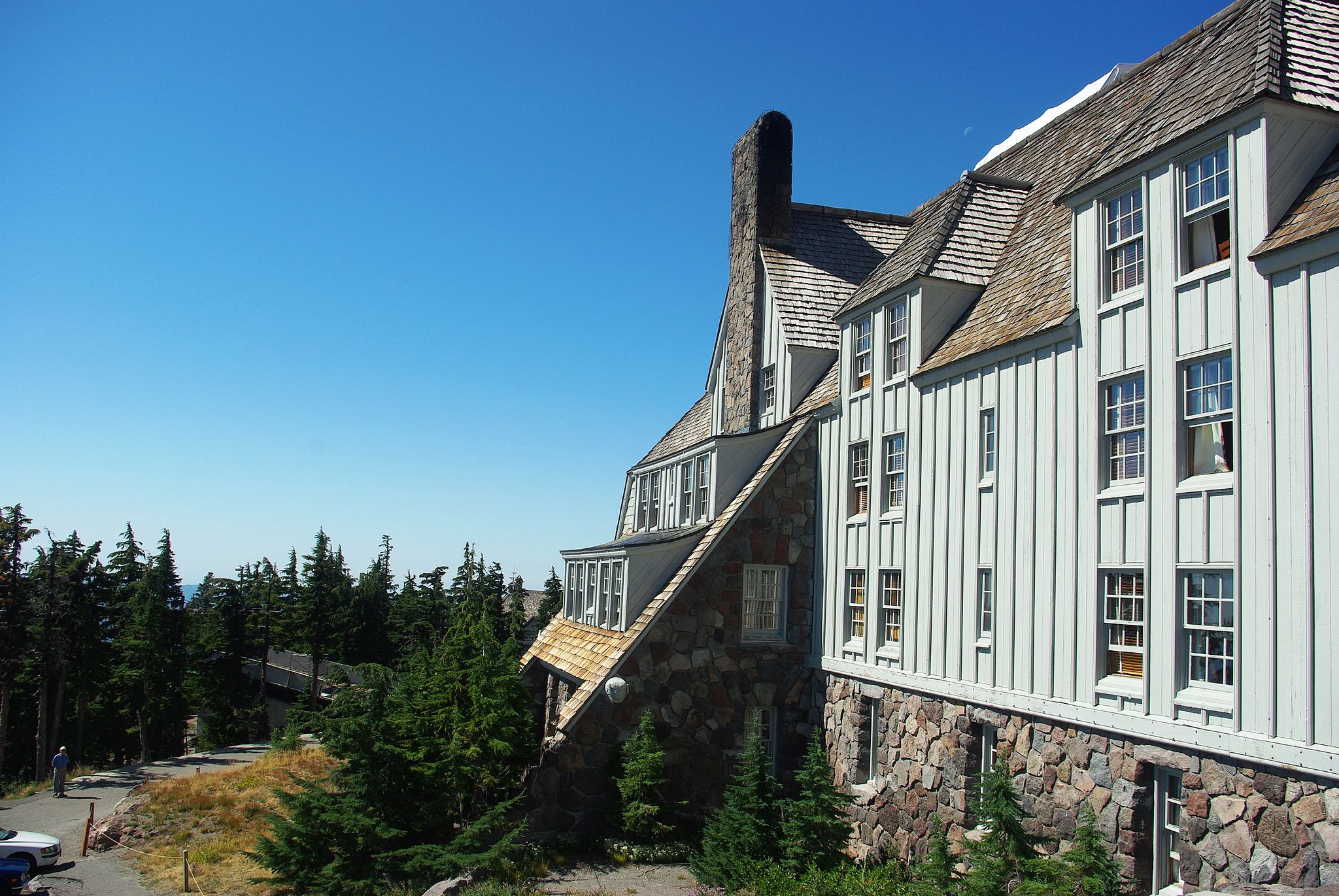
However, the grandeur and isolation of the Stanley Hotel were not directly translated to the film’s principal filming location. Kubrick, known for his meticulous attention to detail and his pursuit of specific aesthetic and atmospheric qualities, chose a different hotel for the bulk of the exterior and interior shots: The Timberline Lodge in Oregon.
The Timberline Lodge: A Majestic Setting
Perched on the southern slopes of Mount Hood in the Cascade Mountains of Oregon, the Timberline Lodge provided the breathtaking, yet subtly menacing, exterior shots of the Overlook Hotel. Completed in 1937, the lodge is a National Historic Landmark, celebrated for its stunning architecture and its commitment to integrating seamlessly with the natural environment. Its imposing stone facade, the snow-dusted peaks surrounding it, and its remote location perfectly embodied the isolation and grandeur that Kubrick sought for the film’s setting.
Kubrick’s crew famously used the Timberline Lodge for establishing shots that presented the Overlook Hotel to the audience. The iconic aerial shots and exterior views of the hotel are undeniably the Timberline Lodge. However, the lodge’s management, concerned about the film’s potentially negative impact on tourism, requested that the name “Overlook Hotel” be used throughout the film and that the Timberline Lodge not be directly identified as its filming location in the movie itself. This led to a clever workaround: when shots of the Overlook Hotel appeared on screen, they were often accompanied by text that read “The Overlook Hotel” rather than any reference to the Timberline Lodge.
Studio Sets and Interior Shots
While the Timberline Lodge provided the imposing exterior, the vast majority of the film’s interior scenes were not shot on location at any single hotel. Instead, Kubrick opted to construct elaborate sets at Elstree Studios in Hertfordshire, England. This allowed for greater control over lighting, camera angles, and the precise creation of the disorienting and claustrophobic interiors that are so central to the film’s psychological horror.
The iconic Gold Room, the labyrinthine hedge maze, and the seemingly endless corridors of the Overlook Hotel were all meticulously recreated on soundstages. This approach enabled Kubrick to achieve his signature visual style, meticulously crafting each frame to enhance the film’s themes of isolation, madness, and the supernatural. The interior design of these sets, particularly the eerie geometry of the carpets and the oppressive grandeur of the hotel’s public spaces, contributed significantly to the film’s unsettling atmosphere. The meticulous attention to detail in these studio sets is a testament to Kubrick’s visionary direction and the skill of his production design team.

The Legacy of the Stanley Hotel
Despite not being the primary filming location for the movie The Shining, the Stanley Hotel in Estes Park, Colorado, has become inextricably linked with the film’s enduring legacy. The hotel has embraced its association with Stephen King’s novel and, by extension, the film, becoming a pilgrimage site for fans of the horror genre.
Today, the Stanley Hotel actively leans into its haunted reputation and its connection to The Shining. Guests can book rooms that are said to be particularly active with paranormal phenomena, and the hotel offers guided ghost tours that explore its reportedly haunted history. The hotel’s bar, the Cascades Restaurant, even features a life-size replica of the Overlook Hotel’s carpet pattern. While the film was not shot there, the atmosphere and historical accounts of the Stanley Hotel undoubtedly contributed to the creation of the fictional hotel’s terrifying persona. The fact that visitors can experience the very real ambiance that inspired the fictional Overlook Hotel makes a stay at the Stanley Hotel a uniquely compelling travel experience for many.
Exploring Estes Park, Colorado
A visit to the Stanley Hotel also offers the opportunity to explore the charming town of Estes Park, Colorado, and the surrounding natural beauty of Rocky Mountain National Park. The town itself is a picturesque mountain community, offering a variety of shops, restaurants, and outdoor activities. Visitors can enjoy hiking, wildlife viewing, and scenic drives through the park, which provides a stunning backdrop of rugged peaks, alpine lakes, and dense forests. The juxtaposition of the serene natural beauty with the lingering echoes of horror can create a captivating travel experience for those who appreciate the intersection of history, literature, and popular culture.
The Enduring Appeal of Cinematic Hotels
The fictional Overlook Hotel has achieved a status akin to a character in itself, its menacing architecture and isolated setting deeply etched into the collective consciousness of filmgoers. The dichotomy between the real-world locations that inspired and housed the filming of The Shining—the atmospheric Stanley Hotel and the majestic Timberline Lodge—and the fabricated interiors of the film, highlights the power of filmmaking to create immersive and unforgettable environments.
The Timberline Lodge Today
The Timberline Lodge continues to operate as a successful and highly-regarded lodge, welcoming visitors who are drawn to its historic charm, its breathtaking mountain setting, and, of course, its connection to The Shining. Guests can still experience the very views and architecture that served as the face of the terrifying Overlook Hotel. The lodge offers a range of accommodations, dining options, and recreational activities, allowing visitors to immerse themselves in the beauty of the Oregon wilderness. Its enduring popularity is a testament to its inherent appeal, further amplified by its cinematic fame.

The Impact on Tourism
The association with The Shining has undoubtedly had a significant impact on the tourism industry for both the Stanley Hotel and, to a lesser extent, the Timberline Lodge. Both destinations attract a considerable number of fans eager to walk in the footsteps of Jack Torrance or simply to experience the atmosphere that inspired such a chilling narrative. These hotels have successfully leveraged their cinematic connections to create unique tourism offerings, drawing visitors who are interested in more than just a place to stay, but an experience steeped in cultural history and cinematic legend. The ability of a film to transform a physical location into a memorable icon underscores the profound influence of cinema on our perception of places and our desire to visit them.
LifeOutOfTheBox is a participant in the Amazon Services LLC Associates Program, an affiliate advertising program designed to provide a means for sites to earn advertising fees by advertising and linking to Amazon.com. Amazon, the Amazon logo, AmazonSupply, and the AmazonSupply logo are trademarks of Amazon.com, Inc. or its affiliates. As an Amazon Associate we earn affiliate commissions from qualifying purchases.