
The term “SRO hotel” might not be as widely recognized as “boutique hotel” or “luxury resort,” yet these establishments play a crucial, albeit often overlooked, role in the accommodation landscape. Often misunderstood or misrepresented, an SRO hotel, or Single Room Occupancy hotel, represents a specific model of lodging that caters to a unique demographic and addresses particular urban housing needs. Understanding SRO hotels requires delving beyond their basic definition to appreciate their function, typical clientele, and the complex social and economic factors that shape their existence.
Defining Single Room Occupancy
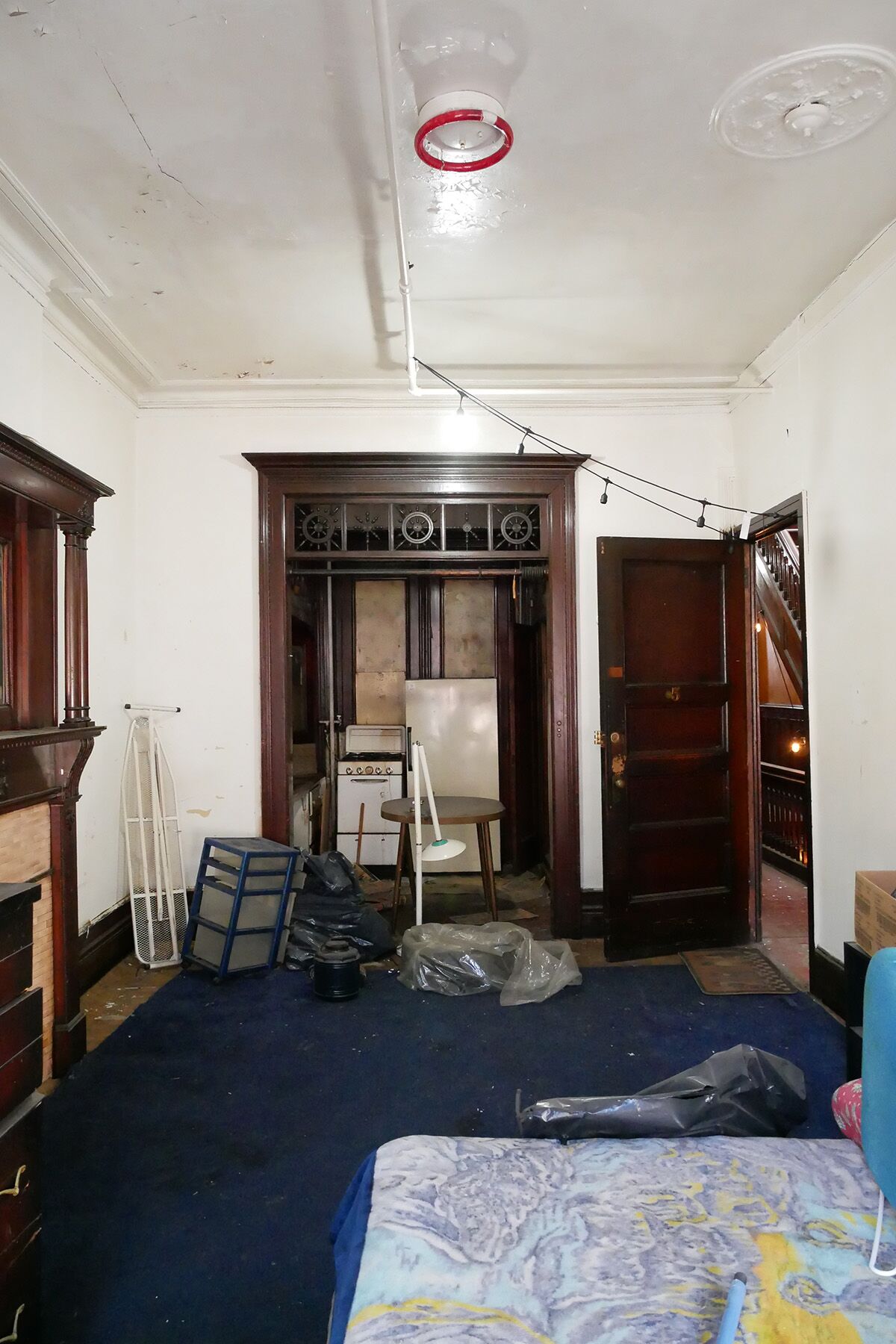
At its core, an SRO hotel is a building that provides small, private rooms for individuals, typically on a monthly or longer-term basis. These rooms are generally furnished and often include basic amenities like a bed, a dresser, and a sink. What distinguishes SROs from conventional hotels is the communal nature of the facilities. Bathrooms and kitchens are usually shared among multiple residents on a floor or within a wing of the building. This shared aspect is a defining characteristic, contributing to both the affordability and the communal living environment inherent to SROs.

Key Characteristics of SRO Rooms and Facilities
- Room Size and Furnishings: SRO rooms are characteristically compact, often no larger than a typical hotel room, and sometimes even smaller. They are intended for sleeping and personal storage rather than extensive living. Furnishings are usually basic, comprising a bed, a wardrobe or dresser, and sometimes a small desk or chair.
- Shared Amenities: The most significant differentiator is the shared facilities. Bathrooms are almost universally communal, meaning residents share shower and toilet facilities with other occupants of their floor. Kitchen access can vary; some SROs have communal kitchens where residents can prepare meals, while others may offer only limited food preparation options within rooms, such as a microwave or a mini-refrigerator.
- Privacy vs. Community: While each resident has a private room, the shared nature of essential facilities fosters a degree of community interaction. This can be a positive aspect for some, offering a built-in social network, but it can also present challenges related to privacy and shared responsibility.
- Lease Structure: Unlike traditional hotels that operate on nightly or weekly rentals, SROs are primarily designed for longer-term stays. Leases are typically month-to-month, offering a degree of flexibility while providing stable housing. This focus on longer stays positions SROs as a form of transitional or permanent housing for many.
The Role of SRO Hotels in Urban Housing
SRO hotels emerged and evolved as a response to specific urban housing challenges, particularly the need for affordable accommodation in densely populated cities. In many metropolitan areas, the cost of housing has escalated dramatically, making it difficult for low-income individuals, students, and transient workers to secure stable and affordable lodging. SROs fill this gap by offering a more economical alternative to traditional apartments or conventional hotels.
Affordability as a Primary Driver
The economic model of an SRO hotel is built on maximizing occupancy and minimizing individual unit costs. By providing small rooms and communal facilities, the construction and maintenance costs per resident are significantly lower than for standard apartments or hotels. This cost-saving translates directly into lower rental rates for tenants, making SROs a vital lifeline for those on tight budgets. For individuals transitioning from homelessness, those working in low-wage sectors, or students struggling with living expenses, the affordability of an SRO room can be the difference between having a roof over their head and facing homelessness.
Serving Specific Demographics
SROs historically and presently serve a diverse range of individuals. This includes:
- Low-income workers: Individuals employed in service industries or other low-wage jobs often find SROs to be the most accessible housing option within city limits.
- Students: University students, particularly those attending institutions in expensive urban centers, may opt for SROs as a cost-effective way to live near campus.
- Transitional populations: Individuals who are new to a city, those experiencing temporary financial hardship, or those in the process of finding more permanent housing may utilize SROs as a short-term solution.
- Individuals with specific needs: In some cases, SROs are part of supportive housing initiatives, providing a stable living environment for individuals with mental health challenges, recovering from addiction, or re-entering the community after incarceration.
Historical Context and Evolution
The concept of single-room occupancy lodging has a long history in urban environments. In the late 19th and early 20th centuries, before the widespread availability of affordable apartments, SROs were a common feature of city life, providing lodging for single men working in industrial centers. As urban development and housing policies evolved, the nature and perception of SROs have also changed. While once a mainstream form of housing, many SROs have been redeveloped or converted into more upscale accommodations, leading to a decline in their numbers in some areas. However, the persistent need for affordable housing has ensured their continued relevance.

Management and Operational Considerations
Managing an SRO hotel presents unique challenges and requires a distinct operational approach compared to conventional hospitality businesses. The focus shifts from transient guest services to the management of long-term residents and the maintenance of shared living spaces.
Resident Relations and Community Management
Building positive relationships with residents is paramount. This involves establishing clear rules and expectations for shared spaces, mediating disputes, and fostering a sense of community among diverse individuals. Effective management often requires strong communication skills and an understanding of the social dynamics at play within the building. Many SROs, especially those operating as social enterprises or part of supportive housing programs, employ staff who are trained in social work or community organizing.
Maintenance and Housekeeping of Shared Facilities
The upkeep of communal bathrooms, kitchens, and common areas is critical to maintaining a safe and habitable environment. Regular cleaning schedules, prompt repairs, and adherence to health and safety codes are essential. Residents often share a responsibility for the cleanliness of these spaces, but the ultimate accountability lies with the management.
Security and Safety Protocols
Given the diverse resident base and the nature of shared living, robust security measures are often a priority. This can include controlled access to the building, surveillance systems, and on-site staff or resident managers to ensure the safety and well-being of all occupants. Emergency preparedness plans are also crucial.
Regulatory and Legal Frameworks
SRO hotels operate within a complex web of housing regulations, zoning laws, and health codes. Depending on the jurisdiction, these establishments may be subject to specific licensing requirements and inspections to ensure compliance with building standards and tenant protection laws. The legal framework often reflects a balance between the need for affordable housing and concerns about public health and safety.
The Future of SRO Hotels
The role and future of SRO hotels are closely tied to the ongoing housing affordability crisis in many urban centers worldwide. As cities continue to grapple with rising housing costs, the demand for low-cost accommodation is likely to persist, keeping SROs relevant.
Challenges and Opportunities
- Preservation vs. Redevelopment: A significant challenge is the pressure to redevelop older SRO buildings into market-rate housing or commercial spaces, which can displace existing residents. Efforts to preserve existing SRO stock and to build new ones are critical for maintaining affordable housing options.
- Improving Conditions: There is an ongoing need to improve the living conditions in some SROs, ensuring they meet modern health and safety standards while remaining affordable. This can involve investment in renovations, upgrades to shared facilities, and better management practices.
- Supportive Housing Models: The integration of SROs into supportive housing models, where services such as case management, mental health support, and job training are provided alongside accommodation, offers a promising path forward. These models aim to not only provide housing but also to help residents achieve greater stability and self-sufficiency.
- Policy and Advocacy: Advocacy groups and policymakers are increasingly recognizing the importance of SROs in the affordable housing spectrum. Policies that support the creation, preservation, and improvement of SROs are crucial for their continued viability.
In conclusion, SRO hotels represent a vital, albeit often understated, component of the urban accommodation ecosystem. They provide an essential and affordable housing solution for a significant segment of the population, particularly in high-cost cities. While challenges related to their management, perception, and preservation exist, their role in addressing housing affordability and supporting vulnerable populations ensures their continued relevance in the complex tapestry of modern urban living.
LifeOutOfTheBox is a participant in the Amazon Services LLC Associates Program, an affiliate advertising program designed to provide a means for sites to earn advertising fees by advertising and linking to Amazon.com. Amazon, the Amazon logo, AmazonSupply, and the AmazonSupply logo are trademarks of Amazon.com, Inc. or its affiliates. As an Amazon Associate we earn affiliate commissions from qualifying purchases.