
The term “boutique hotel” evokes images of stylish design, personalized service, and an intimate atmosphere, a stark contrast to the often impersonal grandeur of large chain hotels. But what truly defines a boutique hotel, and why have they become such a sought-after choice for discerning travelers? Delving into the essence of the boutique hotel reveals a dedication to unique experiences, a celebration of individuality, and a commitment to crafting memorable stays that resonate long after checkout.
The Genesis and Evolution of the Boutique Hotel
The concept of the boutique hotel, while relatively modern in name, draws inspiration from historical precedents. Historically, inns and guesthouses served as more intimate lodging options, offering a local flavor and a personal touch that larger establishments struggled to replicate. The modern iteration, however, emerged in the late 20th century as a deliberate reaction against the homogenization of the hospitality industry.

The Rise of Individuality in Hospitality
In the 1980s, as global hotel chains began to dominate the landscape, a desire for something different grew among travelers. They sought accommodations that reflected the character of the destination, rather than a standardized experience. This led to the emergence of properties that prioritized unique design, local art, and a more personalized approach to guest service.
The Andron de la Torre in New York City is often cited as one of the earliest pioneers, opening its doors in 1981. It eschewed the traditional, corporate hotel model, offering a more residential feel with curated décor and attentive, individualized attention. This paved the way for a wave of similar establishments that valued distinctiveness over uniformity.
Key Differentiating Factors
Several core elements distinguish boutique hotels from their larger counterparts:
- Size: Boutique hotels are typically small, ranging from 10 to 100 rooms. This limited capacity is fundamental to their ability to offer personalized service and maintain an intimate ambiance.
- Design and Ambiance: Each boutique hotel boasts a unique design aesthetic, often reflecting the local culture, history, or a specific theme. This can range from sleek contemporary art installations to charming vintage décor, ensuring that no two properties are alike. The goal is to create an immersive environment that captivates guests.
- Location: While not exclusively urban, many boutique hotels are situated in vibrant neighborhoods, historic districts, or areas with a strong sense of local identity. This allows guests to easily explore and experience the authentic character of a city or region.
- Service: Personalized and attentive service is a hallmark of the boutique hotel experience. Staff members are often empowered to go above and beyond, anticipating guest needs and creating tailor-made experiences. This can include concierge services that offer insider tips on local attractions, dining recommendations, and customized itineraries.
The Boutique Experience Today
Today, the boutique hotel sector has diversified, encompassing a wide range of styles and price points. From ultra-luxury havens to chic urban retreats, the core principle of offering a distinct and personalized experience remains central. This evolution has led to the development of sub-categories within the boutique hotel sphere, catering to even more specific traveler preferences.
The Defining Characteristics of a Boutique Hotel
Understanding what sets a boutique hotel apart requires a closer examination of its fundamental characteristics, which extend beyond mere size and location. These are the elements that converge to create an experience that feels curated, exclusive, and deeply personal.
Intimate Scale and Personalized Attention
The reduced number of rooms in a boutique hotel is not just a statistical difference; it’s the foundation for a fundamentally different guest interaction. With fewer guests, hotel staff can dedicate more time and attention to each individual. This allows for a level of recognition and anticipation of needs that is often impossible in larger establishments.
- Recognition: Staff members are more likely to remember guest names and preferences, creating a sense of familiarity and welcome.
- Anticipation: By observing guest behavior and through open communication, staff can proactively address needs, whether it’s arranging a reservation at a popular restaurant or providing extra amenities.
- Tailored Recommendations: Concierge services in boutique hotels are typically highly knowledgeable about the local area and can offer personalized recommendations that go beyond typical tourist hotspots.
Unique Design and Thematic Elements
A defining feature of boutique hotels is their distinct design ethos. Unlike the standardized décor of chain hotels, boutique properties often showcase:
- Local Art and Craftsmanship: Many boutique hotels collaborate with local artists to feature their work, bringing the spirit of the destination indoors. This can range from commissioned paintings and sculptures to handcrafted furniture and textiles.
- Architectural Distinction: The buildings themselves are often architecturally significant, whether they are historic structures repurposed for modern use or contemporary designs that make a statement. This integration with the built environment adds another layer to the guest experience.
- Curated Interiors: The interior design is meticulously planned, often with a specific theme or narrative. This can be inspired by the hotel’s history, the surrounding landscape, or a particular artistic movement. The result is a visually engaging and immersive atmosphere.
Consider the Ace Hotel London Shoreditch, for instance, known for its industrial-chic aesthetic and vibrant, artistic common spaces. Or imagine a property like The Gritti Palace in Venice, where historical opulence meets contemporary comfort, offering a glimpse into Venetian grandeur.
Elevated Amenities and Experiences
While not always overtly luxurious, boutique hotels tend to offer amenities that enhance the guest experience in thoughtful ways. These are not always the standard offerings of larger hotels, but rather carefully selected features that contribute to the hotel’s unique identity.
- Gourmet Dining: Many boutique hotels feature exceptional on-site restaurants or bars, often emphasizing locally sourced ingredients and innovative culinary creations. These venues can become destinations in themselves for both guests and locals.
- Exclusive Services: This can include unique spa treatments, private yoga sessions, bespoke city tours, or even in-room amenities like artisanal bath products or curated mini-bars.
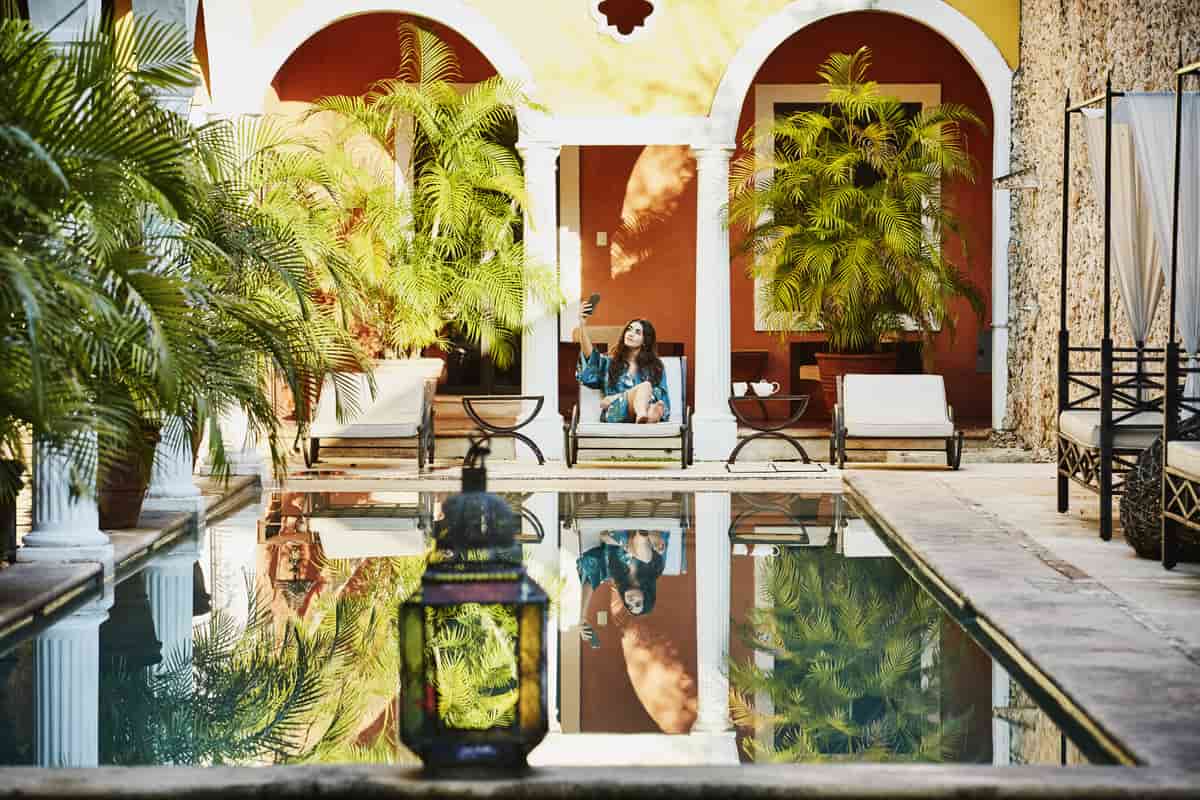
- Common Spaces: The communal areas, such as lounges, courtyards, or rooftop terraces, are often designed as extensions of the guest rooms, offering stylish and comfortable spaces for relaxation, work, or socializing.
The Appeal of the Boutique Hotel for Modern Travelers
The rise of the boutique hotel is intrinsically linked to evolving traveler preferences. Today’s travelers are often seeking more than just a place to sleep; they are looking for authentic experiences, opportunities for personal discovery, and accommodations that align with their individual style and values.
Seeking Authenticity and Immersion
The modern traveler is increasingly interested in experiencing a destination like a local, rather than simply observing it as a tourist. Boutique hotels facilitate this by:
- Connecting to the Local Fabric: Their design, amenities, and staff recommendations are all geared towards showcasing the best of the surrounding area. This can include recommending authentic neighborhood eateries, guiding guests to hidden cultural gems, or even arranging experiences with local artisans.
- Providing a Sense of Place: The unique character of a boutique hotel helps to anchor the traveler in the specific environment they are visiting. It’s a constant reminder that they are not in a generic location, but in a place with its own history, culture, and personality.
The Desire for Unique and Shareable Experiences
In the age of social media, travelers often seek out experiences that are not only enjoyable but also visually appealing and worth sharing. Boutique hotels, with their distinctive designs and curated offerings, frequently provide these “Instagrammable” moments.
- Photogenic Interiors and Exteriors: The stylish décor, art installations, and architectural features of boutique hotels often create beautiful backdrops for photos.
- Unique Dining and Social Experiences: The special menus at on-site restaurants, the ambiance of the hotel bar, or communal events can all contribute to memorable and shareable moments.
A Sanctuary for Relaxation and Rejuvenation
While boutique hotels offer access to the vibrant energy of their surroundings, they also provide a sanctuary for relaxation. The intimate scale and attentive service contribute to a tranquil atmosphere where guests can truly unwind.
- Quiet and Intimate Settings: The limited number of rooms generally translates to a quieter environment, free from the hustle and bustle often associated with larger hotels.
- Comfort and Care: The focus on personalized service ensures that guests feel looked after and catered to, promoting a sense of peace and well-being. This is particularly appealing for travelers seeking a break from their daily routines.
Navigating the World of Boutique Hotels
As the popularity of boutique hotels continues to grow, understanding how to find and choose the right one for your needs becomes increasingly important. It involves considering your personal preferences, travel style, and the specific experience you are hoping to gain from your stay.
Identifying the Right Boutique Hotel for You
The diversity within the boutique hotel sector means there’s a perfect fit for nearly every traveler. When searching, consider:
- Design Style: Are you drawn to minimalist modernism, eclectic bohemian chic, historical grandeur, or something entirely different? Many boutique hotels openly showcase their design philosophy on their websites.
- Location Preferences: Do you prefer to be in the heart of the city’s action, nestled in a quiet, artistic neighborhood, or perhaps overlooking a natural landscape? The location will significantly shape your overall experience.
- Desired Atmosphere: Are you looking for a lively, social hub or a tranquil, romantic escape? Some boutique hotels are designed to foster a sense of community among guests, while others prioritize privacy and quietude.
- Key Amenities: While not always the primary focus, certain amenities like exceptional dining, a rooftop pool, or a well-equipped spa might be important to your choice.
The Booking Process and Guest Expectations
Booking a boutique hotel often involves a more direct interaction than with larger chains.
- Direct Booking: Many boutique hotels encourage direct bookings through their own websites, which can sometimes offer better rates or exclusive packages.
- Personalized Communication: Don’t hesitate to reach out to the hotel directly with specific requests or questions before your stay. Their staff is typically more accessible and willing to accommodate special needs.
- Setting Expectations: While the service is personalized, it’s important to remember that boutique hotels operate with smaller teams. Be patient and understanding, and you’ll likely find the staff to be exceptionally dedicated.

Beyond the Stay: Integrating with the Local Culture
The true magic of a boutique hotel often lies in its ability to act as a gateway to the local culture.
- Leverage Staff Expertise: The most valuable resource in a boutique hotel is often its staff. Engage with the concierge and other team members for insider tips on local events, authentic dining experiences, and off-the-beaten-path attractions.
- Explore the Neighborhood: Dedicate time to simply wander the streets surrounding your hotel. This is where you’ll discover local shops, cafés, and hidden gems that might not appear in guidebooks.
- Engage with On-Site Offerings: If your hotel has a restaurant or bar, make an effort to experience it. These spaces are often curated to reflect the local flavor and can be a great place to meet other travelers or soak in the hotel’s unique ambiance.
In essence, a boutique hotel is more than just a place to stay; it’s an experience crafted with intention, designed to offer a more personal, engaging, and memorable journey into the heart of a destination. It’s a celebration of individuality, a commitment to thoughtful service, and an invitation to discover the world in a more intimate and authentic way.
LifeOutOfTheBox is a participant in the Amazon Services LLC Associates Program, an affiliate advertising program designed to provide a means for sites to earn advertising fees by advertising and linking to Amazon.com. Amazon, the Amazon logo, AmazonSupply, and the AmazonSupply logo are trademarks of Amazon.com, Inc. or its affiliates. As an Amazon Associate we earn affiliate commissions from qualifying purchases.