
Stanley Kubrick’s 1980 cinematic masterpiece, The Shining, has cemented itself in the annals of horror history. While the film is celebrated for its psychological terror, chilling performances, and groundbreaking cinematography, a persistent question lingers for many viewers: what is the name of the haunted hotel where the Torrance family spends their fateful winter? This inquiry delves into the fictional establishment that serves as the central setting for Jack Torrance’s descent into madness and the ensuing terror.
The name of the hotel, while fictional, is intrinsically linked to the atmosphere and narrative of the film. It is not merely a backdrop but an active participant in the unfolding horror, a character in its own right, imbued with a malevolent history and a spectral presence. Understanding the chosen name is key to appreciating the layered symbolism and thematic underpinnings that Kubrick so masterfully wove into the fabric of The Shining.
The Overlook Hotel: A Fictional Icon of Isolation
The chilling name that echoes through the desolate corridors of Kubrick’s creation is the Overlook Hotel. This grand, isolated establishment in the Rocky Mountains becomes the winter refuge for writer Jack Torrance, his wife Wendy, and their young son Danny. Intended to be a peaceful retreat for Jack to overcome his writer’s block, the Overlook Hotel instead becomes a prison, a crucible of supernatural forces that prey on Jack’s fragile mental state and exploit the psychic sensitivities of Danny.
The name “Overlook” itself carries a potent double meaning. On one hand, it suggests a panoramic vista, a commanding view of the surrounding wilderness, hinting at the hotel’s physical grandeur and its seemingly idyllic, albeit remote, location. This initial impression of grandeur and sweeping views serves as a deceptive facade, masking the hotel’s dark secrets. On the other hand, “overlook” can imply neglecting, failing to notice, or being superseded. This secondary meaning resonates deeply with the hotel’s history of violence and neglect, where past atrocities are not forgotten but continue to exert their influence, “overlooking” the present with a spectral gaze.
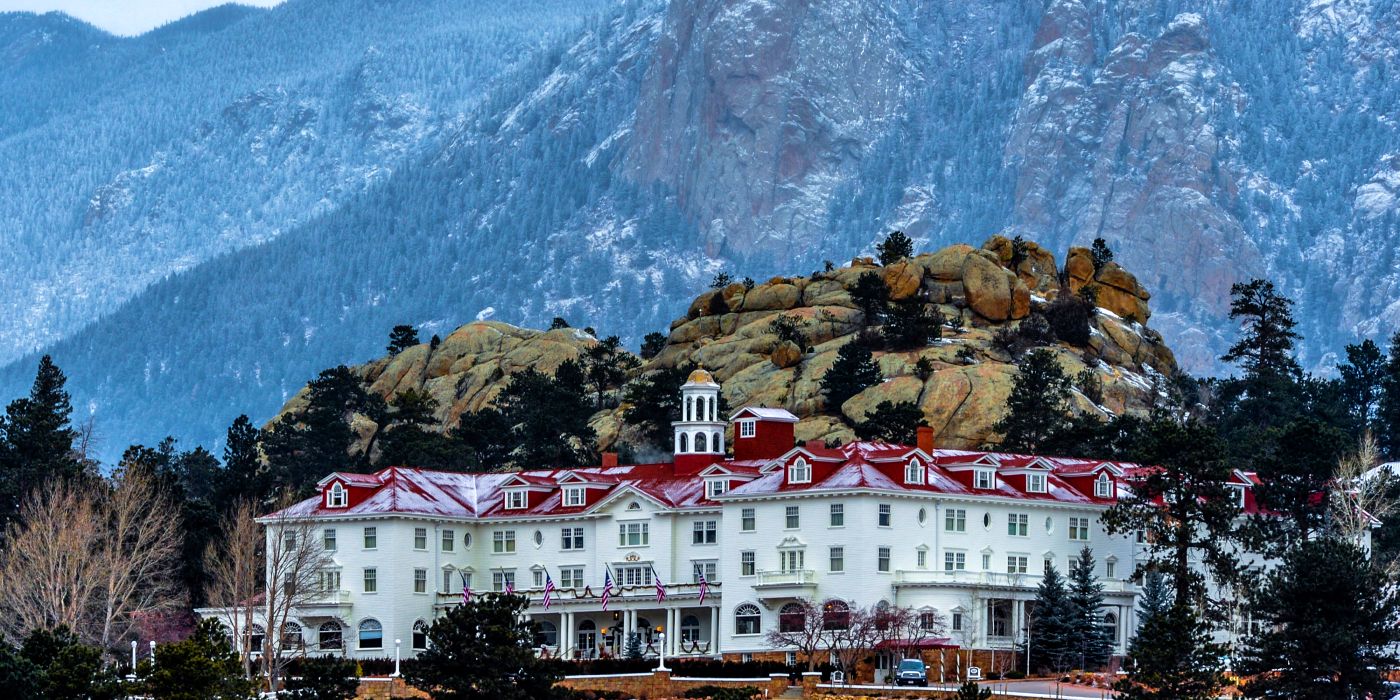
The genesis of the Overlook Hotel in Stephen King’s novel, upon which the film is based, was inspired by King’s personal experience at the Stanley Hotel in Estes Park, Colorado. King and his wife stayed at the Stanley Hotel just before it closed for the season, and the eerie emptiness and sprawling architecture left a lasting impression. While King’s novel features the Overlook Hotel, Kubrick’s film, while retaining the name, significantly alters the hotel’s visual representation and some narrative elements, creating its own distinct entity.
The Architectural Persona of the Overlook
The Overlook Hotel in the film is a character defined by its imposing architecture and labyrinthine interior. Kubrick, known for his meticulous attention to detail, chose or created a design that amplifies the sense of unease and entrapment. The vast, echoing ballrooms, the endless corridors, and the unnerving symmetry all contribute to the psychological disorientation experienced by the characters, and by extension, the audience.
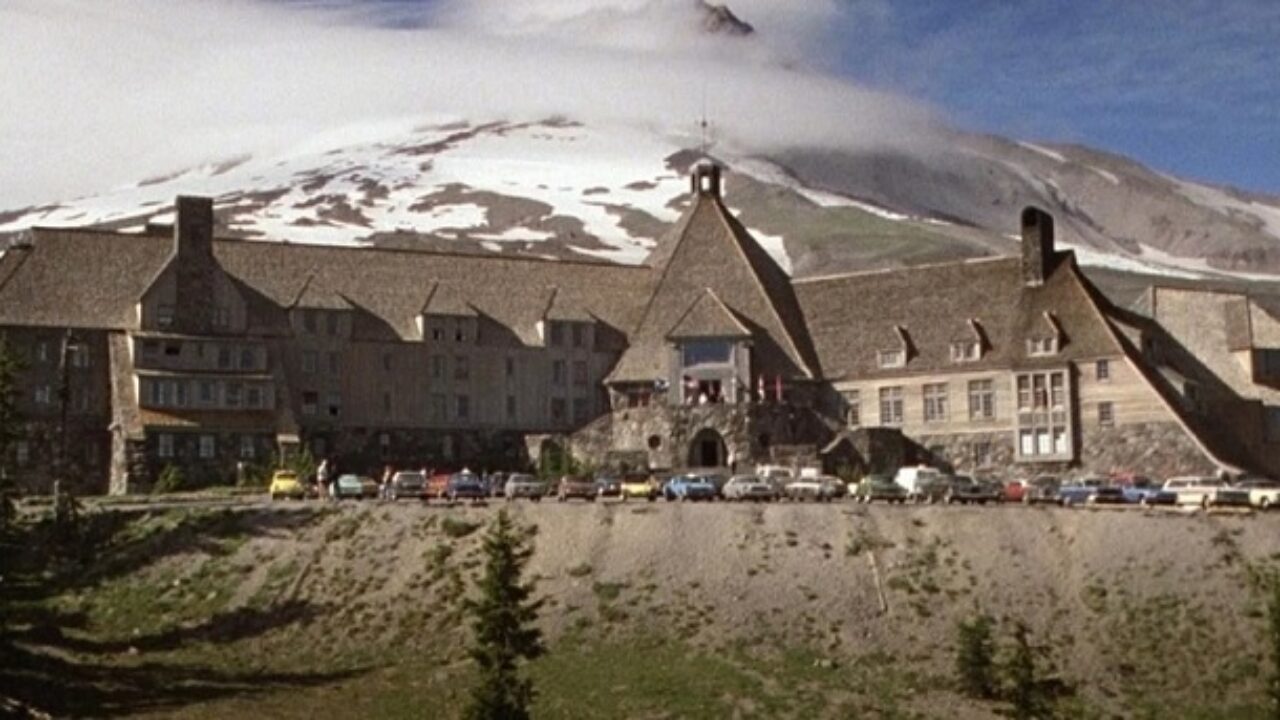
The exterior shots of the hotel, though filmed at different locations including the Timberline Lodge on Mount Hood in Oregon for exterior shots and a studio set for the interior, create an image of a majestic, yet isolated, structure. The sheer scale and the grandeur of the building, set against a backdrop of snow-covered mountains, initially suggest a place of escape and tranquility. However, this very isolation becomes a breeding ground for terror, cutting the inhabitants off from any immediate aid and amplifying their psychological vulnerability.
The interior design, particularly the famous hexagonal carpet pattern and the expansive hedge maze, are iconic elements that contribute to the unsettling atmosphere. The carpet’s disorienting geometric patterns seem to ripple and shift, mirroring Jack’s unraveling sanity. The hedge maze, a physical manifestation of the characters’ mental labyrinth, becomes a deadly trap where the boundaries of reality blur and survival is threatened. These design choices are not accidental; they are deliberate tools used to create a palpable sense of dread and unease, making the Overlook Hotel an unforgettable haunt.
The Hotel’s Infamous History

The supernatural occurrences at the Overlook Hotel are deeply rooted in its fictional past. The hotel is presented as a place with a dark history, a site where violence and tragedy have occurred repeatedly. This historical residue fuels the spectral manifestations that plague the Torrance family.
In the film, it is implied that the land on which the Overlook Hotel was built was once a Native American burial ground, a common trope in supernatural horror that imbues the location with a primal, vengeful energy. The film subtly hints at this history through various visual cues, including the infamous roque batquet scene with Grady. The spirits of those who died violently within its walls, or on its grounds, are said to linger, seeking to drive new inhabitants to madness and despair, perpetuating the cycle of violence.
The character of Dick Hallorann, the hotel’s chef, plays a crucial role in revealing the hotel’s haunted nature. He possesses the psychic ability known as “the shining,” which allows him to perceive the hotel’s malevolent past and its present dangers. His warnings to Danny about the hotel’s ability to feed on the psychic energy of children are chilling and prescient, highlighting the Overlook Hotel’s predatory nature. The hotel’s history is not merely a narrative device; it is the very engine of its horror, providing the supernatural ammunition that breaks Jack Torrance.
Thematic Significance of the Overlook
Beyond its fictional status, the Overlook Hotel serves as a potent symbol within the film, embodying themes of isolation, madness, and the haunting nature of the past. Its grand yet desolate architecture, combined with its spectral inhabitants, creates a microcosm of psychological breakdown and existential dread.
The hotel’s isolation is paramount to its terror. Cut off from the outside world by heavy snowfall, the Torrance family is left to confront the hotel’s influence and their own internal demons without external support. This physical isolation mirrors Jack’s own psychological isolation, as his writer’s block and alcoholism lead him to disconnect from his family and succumb to the hotel’s whispers. The vast, empty spaces of the Overlook Hotel become a canvas for Jack’s internal descent, a place where his deepest fears and resentments are amplified.
The theme of madness is inextricably linked to the Overlook Hotel. The hotel acts as a catalyst, accelerating Jack’s existing vulnerabilities and driving him to homicidal insanity. The spectral encounters, the disorienting environment, and the constant whispers of the past all conspire to erode his sanity. Whether the hotel’s influence is truly supernatural or a projection of Jack’s own psychological turmoil is a subject of ongoing debate, but the hotel undeniably plays a critical role in his unraveling.
Furthermore, the Overlook Hotel represents the inescapable nature of the past. The hotel is a repository of its own history, a place where past tragedies are not buried but remain active, influencing the present. The spectral figures that appear—the Grady twins, the woman in Room 237, and the masked figures at the New Year’s Eve party—are remnants of the hotel’s violent past, constantly replaying their horrors and attempting to ensnare new victims. This thematic element suggests that certain places, and perhaps certain traumas, are forever imprinted with the echoes of what has transpired, making escape impossible.
The Overlook’s Legacy in Popular Culture
The Overlook Hotel has transcended its fictional origins to become a cultural icon, synonymous with haunted locations and psychological horror. Its name evokes immediate recognition among fans of cinema and horror literature alike.
The enduring power of the Overlook Hotel lies in its ability to tap into universal fears: the fear of isolation, the fear of losing one’s mind, and the fear of the unknown. The hotel’s vastness and emptiness create a sense of vulnerability, while its supernatural elements tap into our primal fears of ghosts and the afterlife. The film’s ambiguous nature, leaving the audience to question the true source of the horror, only adds to its lasting impact.
The Overlook Hotel has been referenced and parodied in countless works of popular culture, solidifying its place in the pantheon of memorable cinematic locations. From its iconic hedge maze to the chilling pronouncements of its spectral residents, the hotel continues to haunt the imaginations of audiences worldwide. The very name “Overlook” has become a shorthand for a grand, isolated, and terrifying place, a testament to the enduring power of Kubrick’s vision and Stephen King’s terrifying concept. While the hotel may be fictional, its impact on the genre and its place in cinematic history are undeniably real.
LifeOutOfTheBox is a participant in the Amazon Services LLC Associates Program, an affiliate advertising program designed to provide a means for sites to earn advertising fees by advertising and linking to Amazon.com. Amazon, the Amazon logo, AmazonSupply, and the AmazonSupply logo are trademarks of Amazon.com, Inc. or its affiliates. As an Amazon Associate we earn affiliate commissions from qualifying purchases.