
Discovering bed bugs in your hotel room can turn an exciting trip into a stressful ordeal. While the thought of sharing your temporary living space with these unwelcome guests is unsettling, knowing how to react calmly and effectively can mitigate the discomfort and prevent further issues. This guide provides a comprehensive approach to handling bed bug encounters, ensuring your hotel stay remains as pleasant as possible and protecting your home from bringing these pests back with you.
Immediate Steps Upon Discovery
The moment you suspect or confirm the presence of bed bugs, it’s crucial to act swiftly and discreetly. Your primary goals are to confirm the infestation, protect yourself and your belongings, and document the situation for necessary action.

Verifying the Presence of Bed Bugs
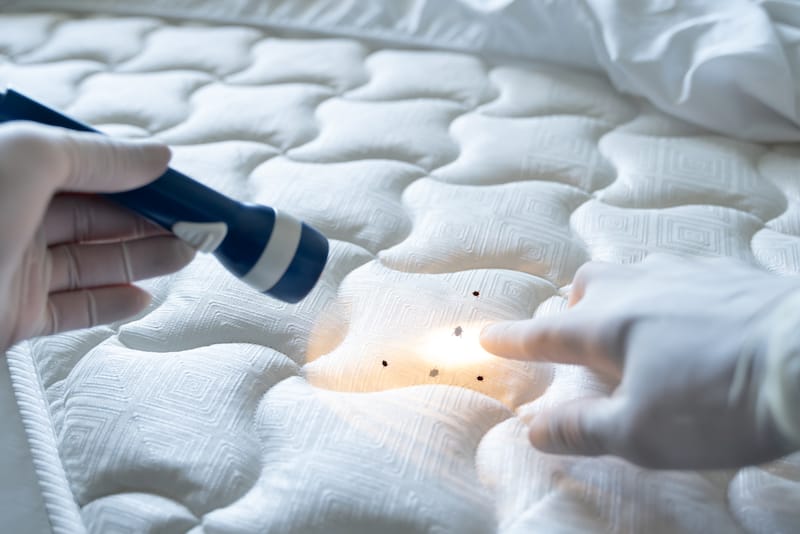
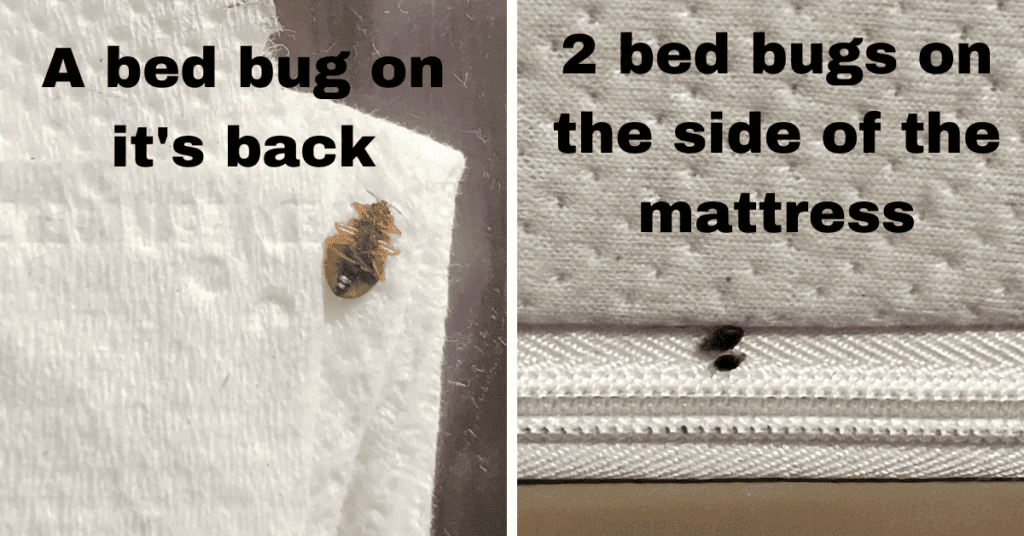
Before lodging a complaint, ensure you are indeed dealing with bed bugs. These small, reddish-brown insects are about the size of an apple seed and are most commonly found in seams of mattresses, box springs, headboards, and nearby furniture.
- Look for Live Insects: In dim lighting, examine the mattress seams, corners, and under the mattress pad. Bed bugs are nocturnal, so they might be harder to spot during the day.
- Identify Droppings: Their waste appears as small, dark or rusty spots, resembling ink blots, on mattresses, sheets, or furniture.
- Check for Shed Skins: As bed bugs grow, they molt, leaving behind translucent, empty exoskeletons. These are often found in crevices and seams.
- Observe Blood Stains: Small, reddish stains on your sheets or pillowcases can be from crushed bed bugs or blood meals.
- Inspect Bites (with caution): While not a definitive sign, bed bug bites often appear as red, itchy welts in a line or cluster, typically on exposed skin during sleep. However, these can be mistaken for other insect bites.
If you find any of these signs, it’s highly probable you’re dealing with bed bugs.
Protecting Your Belongings
Once you suspect bed bugs, prevent them from infesting your luggage and personal items.
- Isolate Your Luggage: Keep your suitcases and bags in the bathroom, away from the bed and upholstered furniture. The hard surfaces of a bathroom are less hospitable to bed bugs.
- Seal Items: If you have plastic garbage bags, seal any clothing or items you’ve used outside the bathroom in them. This creates a barrier.
- Avoid Spreading: Do not unpack any further items from your luggage into the room. Keep everything contained.
Documenting the Evidence
Thorough documentation is essential for making a formal complaint and potentially seeking compensation.
- Take Clear Photos/Videos: Capture images of the live insects, droppings, shed skins, and blood stains. Ensure the photos are well-lit and close-up, clearly showing the evidence.
- Note the Room Number and Hotel: Record the exact room number and the name of the hotel, including its location.
- Record the Date and Time: Keep a log of when you discovered the evidence.
Communicating with Hotel Management
Once you have gathered evidence, it’s time to inform hotel management. A calm, clear, and factual approach will be most effective.
Reporting the Infestation
Approach the front desk or contact the manager directly.
- Be Calm and Factual: Present your findings without excessive emotion. State what you have observed and show your photographic or video evidence.
- Request a Room Change: The immediate solution is to be moved to a different room, preferably on a different floor or even in a different section of the hotel.
- Ask for Assurance: Inquire about the steps the hotel will take to address the issue in the infested room and ensure the room you are moved to has been thoroughly inspected.
- Keep Records of Communication: Note the name of the person you speak with, the time of the conversation, and what was agreed upon.
Negotiating a Resolution
Depending on the severity of the infestation and the hotel’s response, you may wish to negotiate further.
- Escalate if Necessary: If the initial response is unsatisfactory (e.g., offering a room in the same vicinity), politely ask to speak with a higher-ranking manager or the hotel’s corporate office.
- Consider Compensation: Depending on the hotel’s policy and the inconvenience caused, you might request a partial or full refund, a discount on your current stay, or points for future stays with the hotel chain.
- Seek Documentation of Their Actions: Ask for confirmation of the actions they will take regarding the infested room (e.g., professional pest control treatment).
Protecting Yourself and Your Home
Even after leaving the infested room, there are steps you must take to ensure you don’t bring bed bugs home with you.
Inspecting and Treating Your Luggage
Upon returning home, your luggage is the primary vehicle for transporting bed bugs.
- Inspect Outside: Before bringing your luggage into your home, carefully inspect it for any signs of bed bugs, especially around zippers and seams.
- Immediate Cleaning: Immediately wash all clothing and fabrics that were in your luggage in hot water (at least 120°F or 49°C) and dry them on the highest heat setting for at least 30 minutes.
- Vacuum Your Luggage: Thoroughly vacuum the inside and outside of your suitcases. Dispose of the vacuum bag immediately outside your home in a sealed plastic bag.
- Steam Cleaning: For non-washable items or luggage itself, consider using a steamer to kill any potential bed bugs or eggs.
- Isolate Luggage: Keep your luggage in a garage, basement, or an isolated area of your home for a few days while you perform these checks and treatments, just to be safe.
Monitoring Your Home
Even with diligent cleaning, it’s wise to monitor your home for any signs of hitchhikers.
- Regular Inspections: Periodically check common bed bug hiding spots in your bedroom: mattress seams, box spring, headboard, bed frame, baseboards, and electrical outlets near the bed.
- Early Detection: If you notice any suspicious spots or shed skins, take action immediately by using a vacuum, steam cleaner, or contacting a pest control professional.
Preventing Future Bed Bug Encounters
While bed bugs can be an unfortunate occurrence anywhere, taking proactive measures can reduce your risk.
Before Booking
- Read Recent Reviews: Pay close attention to recent hotel reviews on sites like TripAdvisor or Google. Look for mentions of cleanliness or pest issues, specifically bed bugs, even if they are older.
- Research Hotel Chains: Some hotel chains have more rigorous pest control protocols than others. If you travel frequently, sticking to reputable brands with strong reputations for cleanliness can be beneficial.
- Consider Location: While not a direct indicator, hotels in high-traffic tourist areas or older buildings might have a slightly higher propensity for pest issues.
Upon Arrival
- Perform a Pre-Inspection: Before settling in, conduct a quick visual inspection of your room, especially the bed, as described in the “Immediate Steps” section.
- Keep Luggage Elevated: When you first enter the room, keep your luggage on a luggage rack or in the bathroom until you’ve assessed the room for pests.
- Avoid Storing Items Under the Bed: Never store personal belongings in drawers or on the floor under the bed, as this provides an ideal hiding place for bed bugs.
By understanding what to do if a hotel has bed bugs, you can navigate the situation with confidence, protect your health and belongings, and ensure that your travel experiences remain positive and memorable for all the right reasons.
LifeOutOfTheBox is a participant in the Amazon Services LLC Associates Program, an affiliate advertising program designed to provide a means for sites to earn advertising fees by advertising and linking to Amazon.com. Amazon, the Amazon logo, AmazonSupply, and the AmazonSupply logo are trademarks of Amazon.com, Inc. or its affiliates. As an Amazon Associate we earn affiliate commissions from qualifying purchases.