
Navigating the world of hotel bookings can often feel like a complex puzzle, with prices fluctuating seemingly without rhyme or reason. While last-minute deals can sometimes appear, the most reliable way to secure the best rates is by understanding the underlying patterns that influence hotel pricing. This comprehensive guide delves into the optimal times and strategies to book your accommodation to ensure you’re not overpaying.
Understanding Seasonal Demand and Its Impact
The most significant driver of hotel prices is seasonality. Hotels, much like airlines and event venues, operate on a supply and demand model, and demand is heavily influenced by the time of year. Understanding these cycles is paramount to finding cheaper rates.
Peak Season: When Demand Soars
Peak season typically coincides with school holidays, major public holidays, and the most desirable weather conditions for a particular destination. During these periods, families are on vacation, and many travelers aim to experience the best a location has to offer, leading to a surge in bookings.
- Summer Holidays: For many destinations, especially those with beaches or outdoor attractions, summer (June to August in the Northern Hemisphere, December to February in the Southern Hemisphere) represents the peak of demand. Families are out of school, and the weather is generally favorable.
- Winter Holidays: Destinations offering winter sports or a festive Christmas and New Year’s experience, such as Aspen or Lapland, see their highest prices during this time.
- Major Events and Festivals: Local festivals, sporting events like the Olympics or the FIFA World Cup, and major conferences can dramatically inflate hotel prices, often months in advance.
During peak season, it’s not uncommon to see prices double or even triple compared to the off-season. Booking well in advance is often the only way to secure a room, and even then, rates will be at their highest.
Shoulder Season: The Sweet Spot for Savings
Shoulder seasons fall between the peak and off-peak periods. These months often offer a fantastic balance of pleasant weather, fewer crowds, and significantly lower hotel prices. This makes them ideal for travelers seeking value and a more relaxed experience.
- Spring (April-May in Northern Hemisphere): As the weather warms and flowers bloom, spring offers a beautiful time to travel to many destinations. Crowds are thinner than in summer, and prices begin to dip after the spring break rush. Consider destinations like Kyoto for its cherry blossoms or Paris before the summer tourist influx.
- Autumn (September-October in Northern Hemisphere): Similar to spring, autumn provides mild weather and stunning natural beauty, particularly with fall foliage in regions like New England or parts of Canada. This period is often ideal for city breaks and exploring cultural attractions without the intense summer heat and crowds.
- Early and Late Shoulder: For destinations with distinct hot and cold seasons, the periods just before or after the peak can also be lucrative. For example, visiting Dubai in late October or early April can offer pleasant temperatures at more reasonable rates than the peak winter months.
Booking during shoulder season requires a bit more foresight than last-minute travel, but the savings can be substantial, often allowing for stays in higher-tier hotels or for longer durations.
Off-Peak Season: The Bargain Hunter’s Paradise
Off-peak season, also known as the low season or off-season, is when demand for a particular destination is at its lowest. This usually occurs when the weather is less favorable, or outside of major holiday periods. While it might not be the “ideal” time for some, it presents the greatest opportunity for significant hotel savings.
- Extreme Weather Periods: Think of visiting Venice in the dead of winter when it’s cold and damp, or Phuket during the monsoon season. While the weather might be a deterrent for some, prices can plummet.
- Mid-Week Travel in Off-Peak: Even within the off-peak season, traveling mid-week can further reduce costs.
- Post-Holiday Slump: The period immediately following major holidays, such as early January after New Year’s or mid-September after summer breaks, often sees a dip in demand.
While prices are lowest during off-peak, it’s crucial to research the destination to ensure that key attractions are still accessible and that the weather, while not ideal, is manageable for your planned activities.
The Weekday vs. Weekend Hotel Price Phenomenon
Beyond seasonality, the day of the week plays a significant role in hotel pricing, especially in cities and destinations that cater to business travelers or weekend leisure seekers.
Business Destinations: Weekday Premium
Cities that are major business hubs, such as New York City, London, or Singapore, often experience their highest demand and thus highest prices from Sunday to Thursday. This is when business travelers and conference attendees fill the rooms.
- Sunday to Thursday: Expect to pay a premium for rooms during these days. Rates can be significantly higher, and availability may be limited.
- Friday and Saturday: Conversely, as the business week concludes, demand from leisure travelers can sometimes drop, or a different type of leisure traveler emerges. In many business-centric cities, weekend rates can be considerably lower than weekday rates. This is an excellent opportunity for a weekend city break at a reduced cost.

Leisure Destinations: Weekend Premium
Resort towns and popular tourist destinations that attract weekend getaways, like Miami, the Hamptons, or Lake Tahoe, operate on the opposite schedule.
- Friday and Saturday: These are the peak nights for leisure destinations. Demand from weekenders means prices will be at their highest, and bookings should be made well in advance.
- Sunday to Thursday: As the weekend crowds depart, hotel occupancy and prices tend to drop significantly. If your schedule allows, staying mid-week in a leisure destination can lead to substantial savings.
Booking Windows: When to Book for Optimal Savings
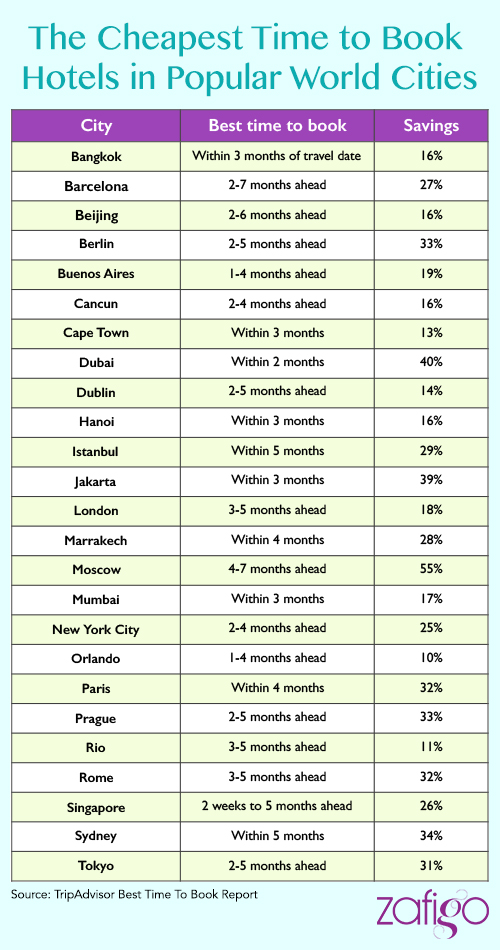
The timing of your booking relative to your travel dates is a critical factor in securing the best hotel rates. There’s a delicate balance to strike; booking too early or too late can both result in higher prices.
The Sweet Spot: 1 to 3 Months in Advance
For most popular destinations and during general travel periods (not extreme holidays), the optimal booking window is typically between one to three months before your intended stay.
- Early Bird Advantages: Booking within this timeframe allows you to capitalize on early bird discounts that hotels sometimes offer to secure occupancy. It also gives you access to a wider selection of rooms before the best options are taken.
- Avoiding Last-Minute Hikes: Last-minute deals do exist, but they are often for less desirable rooms or in less popular locations. Relying on them for prime dates or specific hotel preferences is risky. Prices tend to rise as the travel date approaches and availability dwindles.
Exceptions and Nuances
While the 1-3 month window is a good general rule, certain circumstances warrant different strategies.
- Ultra-Luxury or Boutique Hotels: High-end or unique boutique hotels, especially those with limited inventory, often require booking six months to a year in advance, particularly for peak seasons or special events. Hotels like The Ritz London or exclusive private villas in Bali fall into this category.
- Major International Events: For events like the Super Bowl or global conferences, booking can be necessary up to a year or more in advance. Prices can skyrocket, and availability becomes a premium commodity.
- Budget Travel and Last-Minute Opportunities: If you are highly flexible with your dates, destination, and hotel type, being open to last-minute bookings (within a few days to a week) can occasionally yield bargains, especially if hotels are struggling to fill rooms after cancellations or during unexpectedly slow periods. However, this is a gamble.
Strategies to Maximize Savings Beyond Timing
While understanding the best times to book is crucial, employing smart strategies can further enhance your chances of securing cheaper hotel rates.
Be Flexible with Dates and Destinations
The most significant savings come from flexibility. If you can shift your travel dates by even a few days, you might move from a peak demand period to a shoulder or off-peak one, dramatically impacting the price. Similarly, if your heart isn’t set on a specific city, being open to nearby alternatives or slightly less popular, but equally charming, destinations can lead to considerable savings. For instance, instead of Venice, consider a stay in nearby Padua, which offers a more local feel and lower hotel costs.
Leverage Comparison Websites and Loyalty Programs
- Comparison Sites: Websites like Booking.com, Expedia, and Kayak aggregate prices from numerous hotels and booking platforms, allowing you to compare rates easily. Always check a few to ensure you’re getting the best deal.
- Loyalty Programs: Joining hotel loyalty programs (e.g., Marriott Bonvoy, Hilton Honors, World of Hyatt) can unlock member-exclusive rates, free upgrades, and points that can be redeemed for free stays. Accumulating points through stays, credit card spending, or promotions can significantly reduce the out-of-pocket cost of future accommodation.

Consider Alternative Accommodation Types
For longer stays or for travelers seeking a more local experience, considering alternatives to traditional hotels can be more budget-friendly.
- Vacation Rentals: Platforms like Airbnb and VRBO offer apartments, houses, and rooms that can be more cost-effective, especially for groups or families, and often include kitchen facilities, saving on dining expenses.
- Hostels: While often associated with backpackers, many hostels offer private rooms that can be an excellent budget option, particularly in expensive cities like Tokyo or Sydney.
- Extended Stay Hotels: For stays longer than a week, dedicated extended-stay hotels often provide weekly or monthly rates that are significantly lower than daily tariffs.
By understanding the interplay of seasonality, day of the week, booking windows, and by employing smart booking strategies, travelers can significantly reduce their accommodation expenses and make their next trip more affordable and enjoyable. The key is to be informed, flexible, and to start planning in advance.
LifeOutOfTheBox is a participant in the Amazon Services LLC Associates Program, an affiliate advertising program designed to provide a means for sites to earn advertising fees by advertising and linking to Amazon.com. Amazon, the Amazon logo, AmazonSupply, and the AmazonSupply logo are trademarks of Amazon.com, Inc. or its affiliates. As an Amazon Associate we earn affiliate commissions from qualifying purchases.