
Understanding the standard check-in times for hotels is fundamental to a smooth travel experience. Whether you’re arriving after a long flight or planning a meticulously timed itinerary, knowing when you can access your room is crucial. Hotel check-in policies, while generally consistent, can vary, and being informed can prevent potential frustration and logistical hurdles. This guide delves into the typical check-in window, factors influencing it, and how to navigate early arrivals or late departures to ensure your stay begins and ends without a hitch.
The Standard Hotel Check-In Window
The vast majority of hotels operate within a predictable check-in timeframe. This standardization is largely driven by operational efficiency, allowing housekeeping staff ample time to prepare rooms for arriving guests after previous occupants have departed.
The Afternoon Arrival Standard
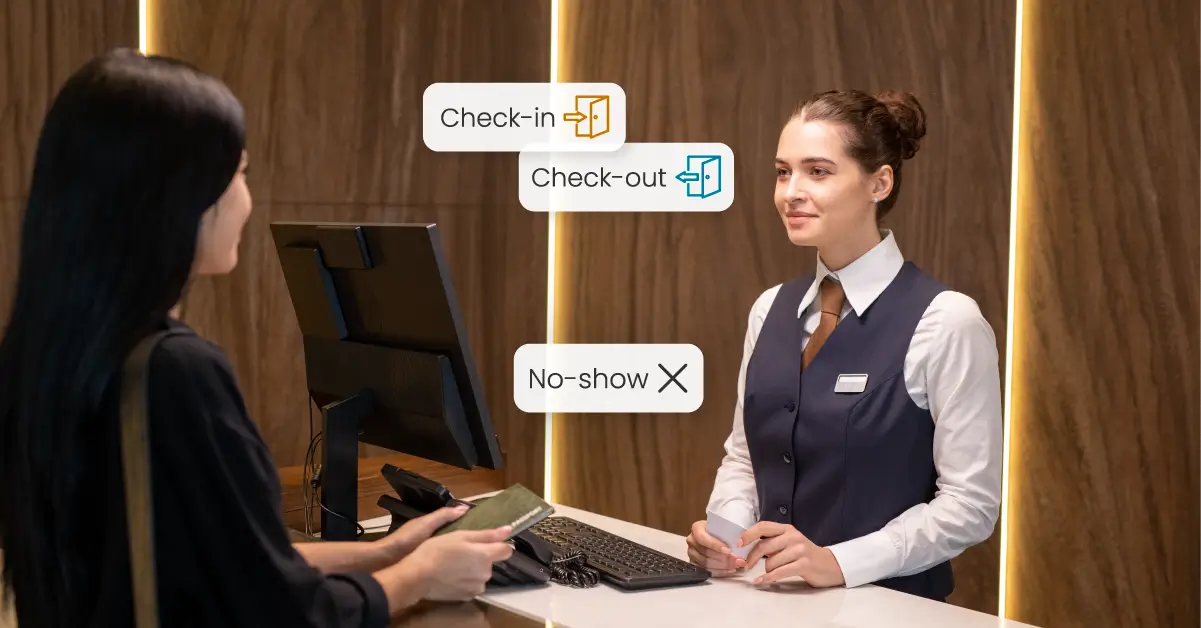
Most hotels set their standard check-in time between 2:00 PM and 4:00 PM. This window provides a buffer for housekeeping to complete their tasks, which often include cleaning, restocking amenities, and conducting quality checks, ensuring each room is immaculate for its next guest. For instance, if a guest checks out at 11:00 AM, the housekeeping team needs several hours to prepare the room. A 3:00 PM check-in time allows for this necessary turnaround.
Why This Window? Operational Logistics
The afternoon check-in is a carefully calibrated process. Consider the following aspects:
- Housekeeping Efficiency: Hotel staff typically work in shifts. The morning shift focuses on checking out guests and preparing rooms. By the afternoon, the bulk of this work is completed, allowing for a seamless handover to arriving guests.
- Staff Availability: Front desk staff are fully operational during these hours to manage the influx of arriving guests, process payments, and distribute room keys efficiently.
- Guest Departure Times: Many hotels have a standard check-out time between 10:00 AM and 12:00 PM. This creates a natural overlap where rooms become available for cleaning throughout the late morning and early afternoon.
Variations Across Hotel Types
While the afternoon window is common, some hotel categories might exhibit slight variations:
- Luxury Hotels and Resorts: These establishments often pride themselves on personalized service. While they may still adhere to a standard check-in time, they are typically more accommodating of early arrivals if rooms are ready. For example, a Ritz-Carlton property might have a check-in of 3:00 PM but could potentially allow guests to access a prepared room earlier if available.
- Boutique Hotels: Smaller establishments may have more flexible policies, sometimes with a slightly earlier or later standard check-in, depending on their operational model and staffing.
- Budget Hotels or Hostels: These properties might have earlier check-in times, sometimes as early as 1:00 PM, to maximize room turnover and accommodate travelers with tighter schedules.
Navigating Early Check-In
Arriving at your hotel before the official check-in time is a frequent scenario for travelers. Fortunately, hotels often have several options to accommodate this, though it’s rarely guaranteed.
Pre-Arranging Early Check-In
The most reliable way to secure an early check-in is to request it in advance.
- Contact the Hotel Directly: Reach out to the hotel’s front desk at least 24-48 hours before your arrival. Explain your situation and inquire about the possibility of an early check-in. Some hotels may charge a fee for guaranteed early check-in, while others may offer it complimentary if availability permits.
- Booking Notes: When making your reservation, include a note requesting early check-in. While this is not a guarantee, it alerts the hotel to your needs and can help them plan.
- Loyalty Programs: If you are a member of a hotel’s loyalty program, such as Marriott Bonvoy or Hilton Honors, inquire about early check-in benefits. Many premium tiers offer this perk as a standard benefit or a priority request.
Arriving and Waiting
If pre-arranging isn’t possible or successful, you can still try your luck upon arrival.
- The “Fingers Crossed” Approach: Arrive at the hotel and approach the front desk. Politely ask if your room is ready. If it is, you’ll be able to access it immediately.
- Utilizing Hotel Amenities: If your room isn’t ready, most hotels will happily store your luggage. This allows you to explore the surrounding area, have a meal, or use the hotel’s facilities (like a gym or pool) without being burdened by your bags. This is particularly useful if you’ve arrived early morning and wish to sightsee. For example, if you arrive in New York City at 9:00 AM, you can leave your luggage at the The Plaza and explore Central Park.
Guaranteed Early Check-In Fees
Be aware that some hotels, particularly those operating at high occupancy rates, may offer guaranteed early check-in for an additional fee. This is often a fixed rate or a percentage of the nightly room rate. If your travel plans are inflexible and an early check-in is critical, this option can provide peace of mind.
Late Check-Out and Its Implications
Conversely, many travelers find themselves needing a later check-out time. Understanding the hotel’s policy and how to arrange it can save you from rushing or being charged extra.
Standard Check-Out Times
The typical check-out time for most hotels is between 10:00 AM and 12:00 PM. This is the flip side of the check-in coin, providing the necessary time for housekeeping and preparation for the next guests.
Requesting a Late Check-Out
Similar to early check-in, late check-out is often subject to availability and hotel policy.
- Advance Inquiry: It’s best to request a late check-out when you book or at least 24 hours in advance. This gives the hotel management time to see if it’s feasible without impacting incoming guests.
- At the Front Desk: You can also inquire at the front desk the evening before your departure or on the morning of your check-out. Be prepared for the possibility that it may not be possible, especially during peak seasons or at hotels with high occupancy.
- Loyalty Program Perks: Again, hotel loyalty programs can be a valuable resource. Elite members often receive complimentary late check-out privileges, sometimes up to a specific time like 2:00 PM or even 4:00 PM.
Late Check-Out Fees and Policies
If a hotel cannot accommodate a complimentary late check-out, they may offer it for a fee.
- Hourly Fees: Some hotels charge an hourly rate for late check-outs beyond a certain grace period (e.g., an extra hour or two).
- Half-Day or Full-Day Rates: For significantly later check-outs, hotels might charge a half-day or full-day rate, essentially treating it as an additional night’s stay. This is more common if you need to check out very late in the afternoon or evening.
- No Guarantee: It’s crucial to understand that late check-out is never guaranteed. Hotels need to manage their room inventory efficiently, and accommodating one guest’s late departure can directly impact their ability to service rooms for incoming guests.
Beyond Standard Times: Strategies for Flexibility
When your travel schedule doesn’t align with standard hotel check-in and check-out times, a little planning and communication can go a long way.
Utilizing Luggage Storage
As mentioned, if your room isn’t ready upon arrival, or if you need to check out early but have hours to kill before your flight, most hotels offer complimentary luggage storage. This service is invaluable for maximizing your time and comfort. You can leave your bags securely at the front desk and explore the city, enjoy a leisurely breakfast, or do some last-minute souvenir shopping. This is a standard amenity at virtually all hotels, from a humble motel in Austin to a grand hotel in Paris.
Exploring Hotel Amenities
Even if you can’t get into your room immediately, you can often still enjoy the hotel’s facilities.
- Pools and Fitness Centers: Many hotels allow guests to use their recreational facilities before check-in or after check-out. This can be a great way to relax or get a workout in.
- Restaurants and Bars: Use the hotel’s dining options for meals or a refreshing drink while you wait for your room.
- Lobby Areas: Comfortable lobby areas are often available for guests to relax in.
Considering Airport Hotels or Transit Hubs
For extremely early arrivals or late departures, particularly with international flights, consider booking a hotel near the airport or in a well-connected transit hub. These hotels are specifically designed to cater to travelers with varied schedules and often have more flexible check-in/check-out policies or readily available short-term rest areas. For instance, staying near Heathrow Airport in London might simplify your travel logistics if you have an overnight layover or very early flight.

Communication is Key
The overarching theme for managing check-in and check-out times is proactive communication. By speaking with the hotel staff in advance and clearly articulating your needs, you significantly increase your chances of a smooth and comfortable experience, allowing you to focus on enjoying your trip rather than worrying about logistical details. Whether you are staying at the iconic Burj Al Arab Jumeirah or a cozy bed and breakfast, a polite conversation with the front desk can often unlock unexpected flexibility.
LifeOutOfTheBox is a participant in the Amazon Services LLC Associates Program, an affiliate advertising program designed to provide a means for sites to earn advertising fees by advertising and linking to Amazon.com. Amazon, the Amazon logo, AmazonSupply, and the AmazonSupply logo are trademarks of Amazon.com, Inc. or its affiliates. As an Amazon Associate we earn affiliate commissions from qualifying purchases.