
The Stanley Hotel stands as a beacon of historic charm and architectural grandeur, captivating visitors with its allure. Nestled in the heart of the Rocky Mountains, its precise location plays a pivotal role in its enduring appeal and the unique experiences it offers. This iconic establishment is more than just a place to stay; it’s a destination steeped in history, often associated with literary inspiration and breathtaking natural beauty. Understanding its geographical setting is key to appreciating the full spectrum of its identity.
Estes Park: The Gateway to Rocky Mountain National Park
The Stanley Hotel is situated in the picturesque town of Estes Park, Colorado. This vibrant mountain community serves as the eastern gateway to the majestic Rocky Mountain National Park, one of America’s most cherished natural treasures. Estes Park itself is a destination that draws visitors year-round, offering a delightful blend of outdoor adventure, quaint shops, local eateries, and a strong sense of mountain-town culture.

Proximity to Natural Wonders
The hotel’s location in Estes Park places it within easy reach of unparalleled natural landscapes. Guests can embark on scenic drives, hike through diverse ecosystems, and witness abundant wildlife within the Rocky Mountain National Park. The allure of the mountains, with their rugged peaks, pristine alpine lakes, and vast evergreen forests, provides a dramatic and inspiring backdrop to the Stanley Hotel’s historic facade. This close connection to nature is a significant part of the hotel’s charm and a primary draw for many of its guests.
A Hub for Outdoor Activities
From Estes Park, a plethora of outdoor activities are readily accessible. Hiking trails range from gentle strolls to challenging ascents, catering to all fitness levels. Fishing in the clear mountain streams, rock climbing on granite formations, and horseback riding through scenic meadows are popular pursuits. During winter, the area transforms into a haven for snowshoeing, cross-country skiing, and even backcountry skiing. The Stanley Hotel acts as an ideal basecamp for exploring these diverse recreational opportunities, providing a comfortable and historic retreat after a day of adventure.
The Charm of Estes Park Town
Beyond the natural splendor, Estes Park itself offers a charming experience. The town boasts a lively downtown area filled with unique boutiques, art galleries, and souvenir shops. Visitors can savor local flavors at various restaurants, from casual cafes to upscale dining establishments. The Stanley Hotel is conveniently located to allow guests to explore these local amenities on foot or with a short drive, immersing themselves in the friendly atmosphere and distinct character of this mountain community.
Architectural Significance and Setting
The Stanley Hotel is not merely a hotel; it is a landmark in its own right, distinguished by its elegant architecture and its strategic placement. Its design and setting contribute significantly to its iconic status.
Edwardian Grandeur in the Rockies
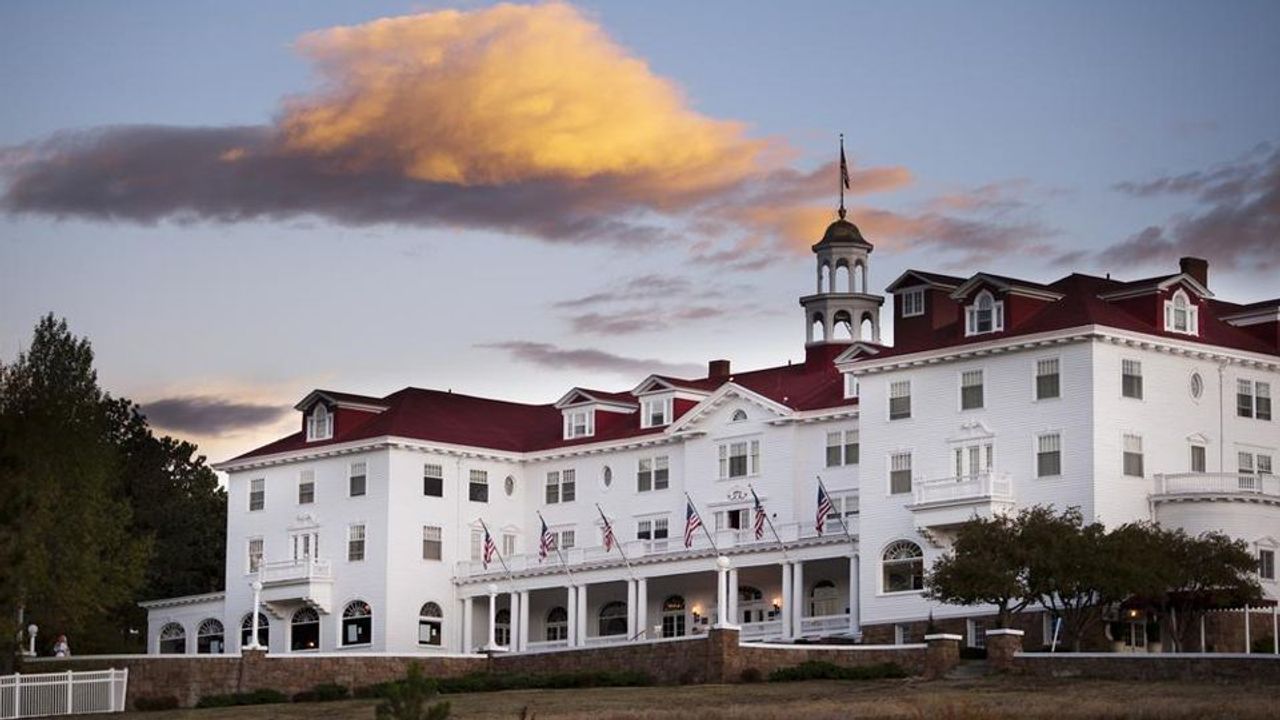
Designed by architect Frank Lloyd Wright protégé Henry J. Hardenbergh, the Stanley Hotel was constructed in the grand Edwardian style. Its imposing white facade, stately columns, and expansive verandas evoke an era of classic elegance. The architecture is perfectly complemented by its natural surroundings. Perched on a gentle rise overlooking Estes Park and framed by the dramatic peaks of the Rockies, the hotel commands a spectacular view, making its setting as much a part of its allure as its design. This harmonious blend of man-made beauty and natural grandeur is a hallmark of the Stanley Hotel.
A Majestic Vista
The elevated position of the Stanley Hotel affords guests breathtaking panoramic views. From its windows and terraces, one can gaze out at the sprawling valleys, the dense forests, and the towering mountains that define the Rocky Mountain National Park. This vista changes dramatically with the seasons, offering snow-dusted landscapes in winter, vibrant greens in summer, and a fiery palette of colors in autumn. The hotel’s orientation and thoughtful design maximize these views, ensuring that the stunning scenery is an integral part of the guest experience.
Historical Context and Development
The Stanley Hotel opened its doors in 1909, conceived by Freelan Oscar Stanley, inventor of the Stanley Steamer automobile. Its construction was a significant undertaking, bringing luxury accommodation to a relatively remote mountain region. The hotel was designed to attract wealthy Easterners seeking a refined mountain escape. Its subsequent history is intertwined with the development of Estes Park as a tourist destination and the growth of the Rocky Mountain National Park. The hotel’s classic architecture and its historical significance as a pioneering luxury resort contribute to its enduring legacy.
Literary and Cultural Connections
The location of the Stanley Hotel has not only shaped its physical presence but also its cultural identity, most famously through its connection to literature.
Stephen King’s Inspiration
The most prominent cultural association of the Stanley Hotel is with author Stephen King. King and his wife, Tabitha, stayed at the hotel in 1974, and during their visit, King conceived the terrifying premise for his iconic novel, The Shining. The isolated setting, the grand yet somewhat eerie atmosphere of the hotel, and the dramatic mountain landscape all served as fertile ground for his imagination. King himself has acknowledged the hotel’s profound influence on his work, describing it as a place that “haunted” him and sparked the narrative of Jack Torrance’s descent into madness.
A Real-Life Haunted Hotel?
The association with The Shining has led to the Stanley Hotel being widely recognized as a “haunted hotel.” Stories of spectral apparitions, unexplained noises, and ghostly encounters are part of the hotel’s lore. While some guests seek out these paranormal experiences, others are drawn to the hotel for its historic charm and its stunning location. The hotel actively embraces this reputation, offering ghost tours and paranormal investigations that add another layer of intrigue for visitors. Whether one believes in the supernatural or not, the stories contribute to the mystique of the Stanley Hotel.
Cultural Landmark and Tourist Attraction
Beyond its literary ties, the Stanley Hotel has become a significant cultural landmark and a major tourist attraction in Colorado. It is a popular destination for day-trippers, history buffs, and those seeking a unique lodging experience. The hotel hosts various events, from concerts and conferences to weddings and historical reenactments. Its consistent presence in popular culture, particularly through its connection to The Shining, ensures its continued relevance and appeal, drawing visitors from across the globe who wish to experience its storied atmosphere firsthand.
Access and Visitor Information
Understanding where the Stanley Hotel is located also means considering how to get there and what to expect as a visitor. Its accessibility from major transportation hubs and its proximity to other points of interest in Colorado are important factors for planning a trip.
Reaching Estes Park
Estes Park, and by extension the Stanley Hotel, is most commonly accessed by car. The nearest major airport is Denver International Airport (DEN), located about 70 miles east of Estes Park. From Denver, visitors can rent a car and take a scenic drive through the foothills of the Rockies. Alternatively, shuttle services and private transportation options are available from the airport to Estes Park.
Driving Routes
The drive to Estes Park offers beautiful vistas. From the east, the most direct route is via U.S. Highway 36. This route winds through the foothills, providing increasingly dramatic mountain scenery as you approach the town. Other routes, such as U.S. Highway 34 (Trail Ridge Road, seasonal), offer even more spectacular, high-alpine views within the Rocky Mountain National Park, though this is a more circuitous path to Estes Park itself.
Local Transportation and Parking
Once in Estes Park, the Stanley Hotel is centrally located, making it convenient to walk to many shops and restaurants in the downtown area. For exploring further afield, especially within Rocky Mountain National Park, a car is highly recommended. Parking is generally available at the hotel for guests, and there are also public parking areas in the town center. During peak seasons, it is advisable to check parking regulations and availability, especially for accessing popular trailheads within the national park.

Planning Your Visit
When planning a visit to the Stanley Hotel, consider the time of year. Summer and early fall offer the most accessible outdoor activities and pleasant weather. Winter provides a different kind of beauty, with opportunities for snow-based recreation, though some park roads may be closed. Booking accommodations well in advance is strongly advised, particularly if you wish to stay in the historic main hotel building. Understanding the hotel’s location within the vibrant setting of Estes Park and its proximity to the natural wonders of the Rocky Mountain National Park will undoubtedly enhance the overall travel experience.
LifeOutOfTheBox is a participant in the Amazon Services LLC Associates Program, an affiliate advertising program designed to provide a means for sites to earn advertising fees by advertising and linking to Amazon.com. Amazon, the Amazon logo, AmazonSupply, and the AmazonSupply logo are trademarks of Amazon.com, Inc. or its affiliates. As an Amazon Associate we earn affiliate commissions from qualifying purchases.