
The hospitality industry is a complex web of ownership structures, brand affiliations, and management agreements. Understanding who ultimately owns a hotel brand like Element Hotels can offer insights into its operational philosophy, investment strategies, and future direction. While the concept of “ownership” can be multifaceted, for brands like Element, the answer typically points to a major global hospitality corporation.
The Marriott International Connection
At its core, Element Hotels is a brand under the vast umbrella of Marriott International. Marriott International is one of the world’s largest and most recognized hospitality companies, boasting a portfolio of over 30 distinct brands, including iconic names like Ritz-Carlton, JW Marriott, and Sheraton. The acquisition of Starwood Hotels & Resorts Worldwide by Marriott International in 2016 was a monumental event in the industry, bringing brands like Element under its stewardship.
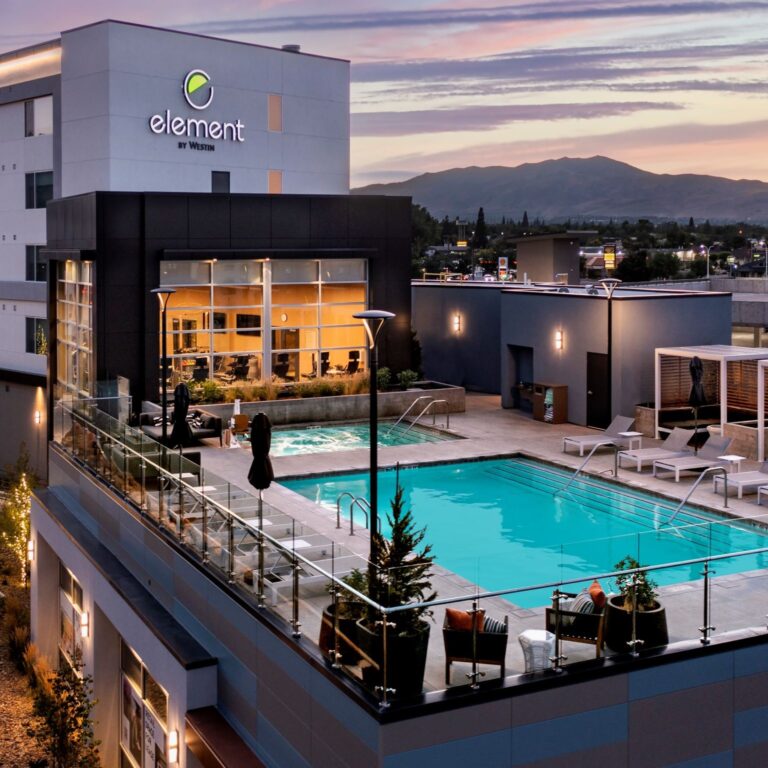
This integration means that Element Hotels benefits from Marriott International’s extensive global presence, robust loyalty program (Marriott Bonvoy), operational expertise, and financial resources. While Marriott International is the ultimate owner of the brand and dictates its overall strategy and standards, the individual hotel properties themselves often operate under different ownership and management models.
Brand Development and Strategy
Marriott International develops and nurtures brands like Element to meet specific market demands. Element Hotels, launched in 2008, was conceived as a modern, eco-conscious, extended-stay brand. Its focus on wellness, sustainability, and spacious accommodations differentiated it within the market, appealing to travelers seeking a more balanced and healthier stay, whether for business or leisure. Marriott continually invests in brand positioning, marketing, and guest experience enhancements to ensure Element remains competitive and relevant.
The Role of Franchising and Management Agreements
It’s crucial to distinguish between owning a hotel brand and owning the physical hotel properties. Marriott International, like most major hotel companies, primarily operates through franchising and management agreements.
Franchising
In a franchise model, an independent owner (or a group of investors) purchases the right to operate a hotel under the Element Hotels brand. This owner is responsible for financing, developing, constructing, and operating the hotel according to Marriott’s strict brand standards and operational guidelines. They pay franchise fees and royalties to Marriott International for the use of the brand name, access to Marriott’s reservation systems, marketing support, and participation in the Marriott Bonvoy loyalty program. This allows Marriott to expand its brands rapidly without bearing the full capital investment for each property.
Management Agreements
Under a management agreement, an owner of a hotel property contracts with Marriott International to manage the day-to-day operations of the hotel. In this scenario, the owner still retains ownership of the physical asset, but Marriott provides experienced management teams, operational expertise, and brand consistency. Marriott earns management fees, typically a percentage of revenue, for its services. This model allows owners to leverage Marriott’s operational prowess and brand recognition while maintaining direct control over their investment.
In both franchising and management agreements, the ultimate brand standards, guest experience, and quality assurance remain under the purview of Marriott International, ensuring a consistent Element Hotels experience for guests worldwide.
The Investor and Developer Perspective
The ownership of individual Element Hotels properties is typically held by real estate investment firms, private equity groups, or individual developers. These entities see the value in aligning with a strong, reputable brand like Element due to its established market position and the backing of Marriott International.
Investment Rationale
Investors are drawn to the Element Hotels brand for several key reasons:
- Brand Strength and Reputation: Being part of the Marriott portfolio provides immediate credibility and access to a vast customer base.
- Target Market Appeal: The brand’s focus on wellness, sustainability, and extended-stay amenities caters to a growing segment of travelers, including corporate guests, relocating individuals, and families on longer trips.
- Operational Efficiency: Marriott’s operational standards and systems are designed to maximize efficiency and profitability.
- Loyalty Program Integration: Access to Marriott Bonvoy drives repeat business and customer loyalty.
- Development Support: Marriott often provides developers with design guidelines, brand standards, and support throughout the development process.
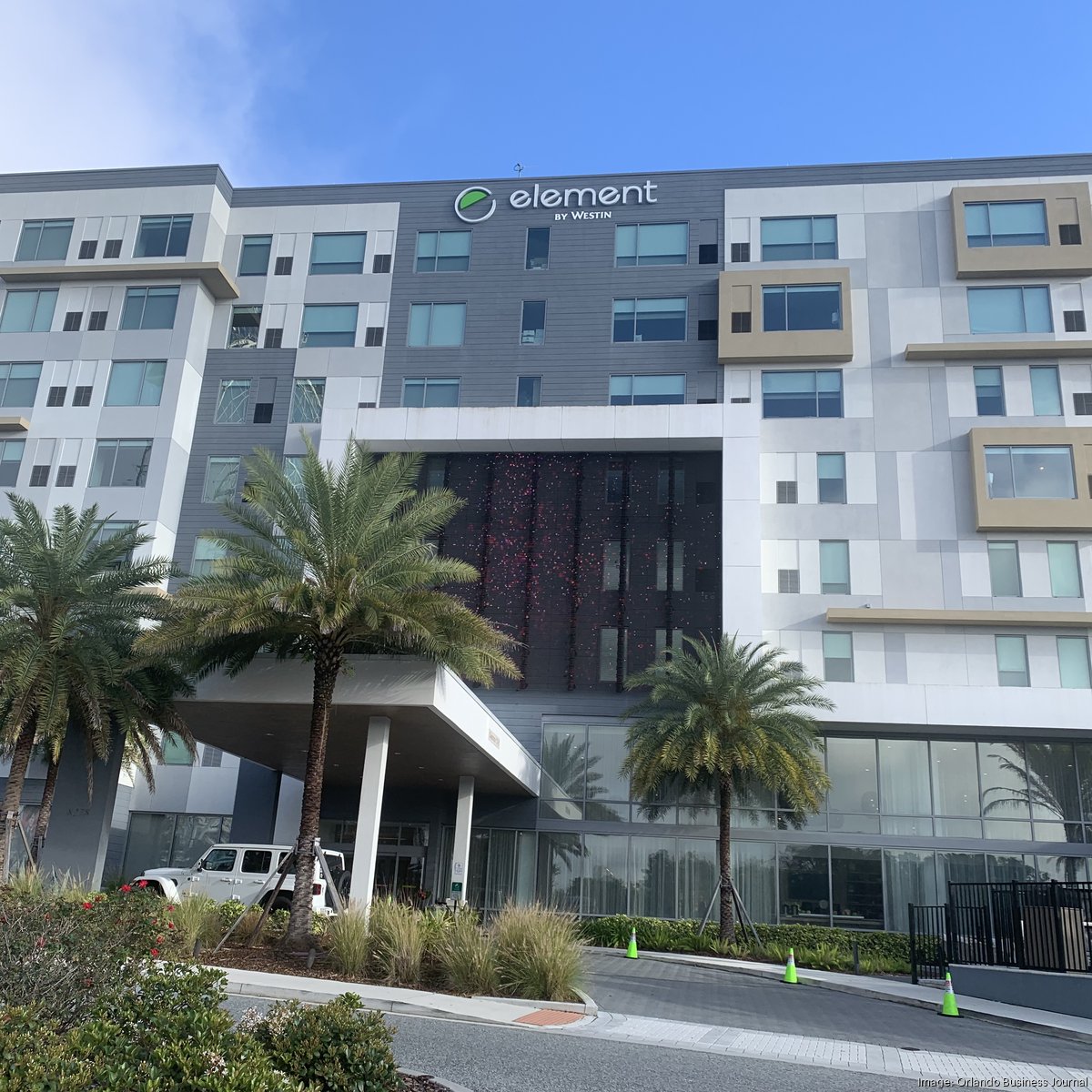
These investors make substantial capital investments in land acquisition, construction, and property development. Their goal is to generate returns through hotel operations, either by managing the property themselves under a franchise agreement or by contracting with Marriott for management services.
Geographic Expansion and Site Selection
The decision of where to build new Element Hotels is a strategic one, driven by market demand, economic growth, and the availability of suitable locations. Marriott International works closely with developers and owners to identify prime sites in gateway cities, business districts, and popular tourist destinations. Locations near major airports, convention centers, corporate campuses, and recreational attractions are often prioritized to ensure a steady flow of guests. For example, new Element Hotels might be developed in burgeoning markets like Austin, Texas, or established hubs like London, England.
Understanding the “Element” Brand Identity
While Marriott International owns the brand, the distinct identity and guest experience of Element Hotels are what attract both guests and owners. The brand’s commitment to a healthy, balanced lifestyle is evident in its design and amenities.
Design and Amenities
Element Hotels are characterized by their bright, airy, and modern design, often incorporating natural elements and abundant natural light. Key features include:
- Spacious Studios and Suites: All rooms are designed as suites, offering distinct living and sleeping areas, fully equipped kitchens with energy-efficient appliances, and ample workspace. This caters particularly well to extended-stay travelers who need more than just a bed.
- Complimentary Breakfast: A daily healthy breakfast buffet is a signature amenity, featuring a wide array of options, including fresh fruits, yogurts, cereals, and hot items.
- Evening Reception: A complimentary evening reception, often referred to as “Restore,” offers light snacks and beverages, fostering a social atmosphere.
- Wellness Focus: Hotels typically feature a state-of-the-art fitness center, an indoor pool, and often offer complimentary bike rentals, encouraging guests to stay active.
- Sustainability Initiatives: Element is committed to eco-friendly practices, with features like low-flow water fixtures, energy-efficient lighting, recycling programs, and the use of sustainable materials in construction and operation.
Target Audience
The primary target audience for Element Hotels includes:
- Business Travelers: Especially those on extended assignments or who prefer the amenities of a home-like environment.
- Leisure Travelers: Particularly families and groups who appreciate the extra space and kitchen facilities.
- Health-Conscious Travelers: Individuals who prioritize wellness and sustainable options during their stays.
This specific focus allows Element to carve out a unique niche within the broader Marriott portfolio and the competitive hospitality landscape.
The Future of Element Hotels
As part of Marriott International, Element Hotels is poised for continued growth and evolution. The brand benefits from Marriott’s global scale, innovation in guest experience, and ongoing investment in technology and sustainability.
Innovation and Brand Evolution
Marriott continuously analyzes market trends and guest feedback to adapt and enhance its brands. For Element Hotels, this could mean further integration of smart technology, expanded wellness offerings, or new F&B concepts that align with its core philosophy. The brand’s commitment to sustainability is also likely to deepen, reflecting growing consumer demand for eco-friendly travel options.

Global Expansion
With Marriott International’s extensive global reach, Element Hotels continues to expand into new markets across the globe. This includes key cities in North America, Europe, and emerging markets in Asia and Latin America. The brand’s adaptable model makes it suitable for various urban and suburban settings, ensuring its presence in destinations where its target audience travels.
In conclusion, while the physical Element Hotels properties are owned by a diverse group of independent investors and developers, the brand itself, its strategic direction, operational standards, and global marketing efforts are firmly under the ownership and management of Marriott International. This symbiotic relationship ensures the consistent delivery of Element’s unique value proposition to travelers worldwide.
LifeOutOfTheBox is a participant in the Amazon Services LLC Associates Program, an affiliate advertising program designed to provide a means for sites to earn advertising fees by advertising and linking to Amazon.com. Amazon, the Amazon logo, AmazonSupply, and the AmazonSupply logo are trademarks of Amazon.com, Inc. or its affiliates. As an Amazon Associate we earn affiliate commissions from qualifying purchases.