
The ubiquitous presence of the television in hotel rooms has long been a staple of the hospitality experience. For many travelers, it offers a familiar comfort, a way to unwind after a day of exploring a new city or attending business meetings. Yet, a peculiar phenomenon often disrupts this intended relaxation: the hotel television’s tendency to fast-forward through content, particularly during playback of recorded programs or on-demand features. This is not an accidental glitch or a deliberate act of sabotage by hotel staff, but rather a consequence of specific technological choices and operational considerations within the hotel industry. Understanding the underlying reasons behind this behavior sheds light on the intricate world of in-room entertainment systems and their management.
The Technological Underpinnings of In-Room Entertainment
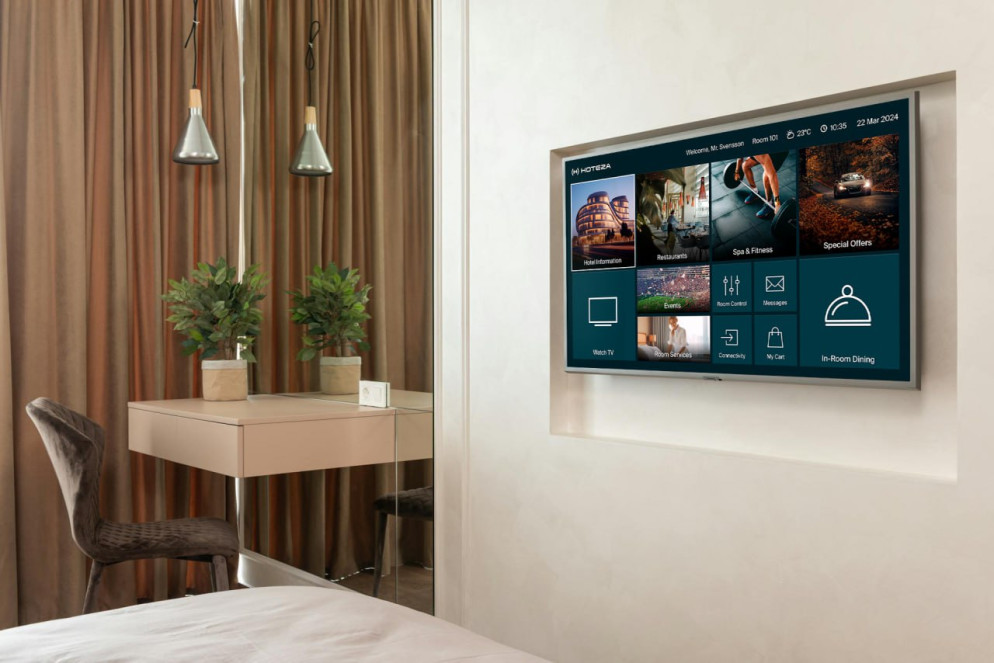
The televisions found in hotel rooms are rarely identical to the consumer-grade models purchased for personal use. They are often specialized units, designed with durability, security, and centralized management in mind. This specialization extends to their software and operational capabilities, which differ significantly from standard residential televisions.
Proprietary Entertainment Systems
Many hotels utilize proprietary in-room entertainment systems. These systems are developed by specialized companies and are integrated into the television sets, often through a set-top box or a direct integration within the TV’s firmware. Examples include systems like Guest-Tek or Spectra, which provide a suite of services beyond simple channel viewing, such as interactive programming guides, movie-on-demand, guest services portals, and even integration with the hotel’s Property Management System (PMS).
These systems are designed for the unique demands of a commercial environment. They need to be robust enough to withstand frequent use by a diverse range of guests, easily managed remotely by hotel IT staff, and capable of delivering a consistent experience across numerous rooms. The fast-forwarding behavior is often a feature, or a byproduct, of how these systems manage content playback, especially when dealing with pre-recorded material or live broadcasts that are being buffered or time-shifted.
The Role of Content Delivery Networks (CDNs) and Streaming
Modern hotel entertainment systems increasingly rely on Content Delivery Networks (CDNs) and internal streaming solutions. When a guest requests to watch a movie on demand, or when the hotel offers a pre-recorded program, the content is typically streamed to the room from a central server or a remote CDN. The television, or the connected set-top box, acts as the client receiving this stream.
The fast-forwarding can occur if the system prioritizes stream stability or efficiency over seamless playback control. For instance, if the system detects a momentary interruption in the stream or is managing bandwidth allocation, it might automatically advance the playback point to maintain continuity, effectively skipping over the problematic segment. This is often a design choice to prevent buffering or outright playback failure.
Bandwidth Management and Network Congestion
A hotel’s internal network, especially in larger properties like the Bellagio or the Ritz-Carlton, can experience significant bandwidth demands. With hundreds, if not thousands, of guests simultaneously using the Wi-Fi for their personal devices and the in-room televisions accessing streaming content, network congestion is a real challenge.
The in-room entertainment system might be programmed to manage this by optimizing data flow. When a guest initiates playback, the system might quickly buffer a portion of the content to ensure smooth playback. If the network is struggling, the system could be configured to “jump” ahead within the buffered content to avoid delays. This is a crude but sometimes effective method for maintaining a semblance of usability in a high-demand environment. The “fast-forward” action the guest observes is, in essence, the system catching up or preemptively navigating around potential network bottlenecks.
Operational Considerations and System Design
Beyond the raw technology, the operational realities of managing a hotel’s entertainment infrastructure play a crucial role in how these systems function. The goal is to provide a reliable and cost-effective service to a large number of users with minimal manual intervention.
Centralized Control and Remote Management
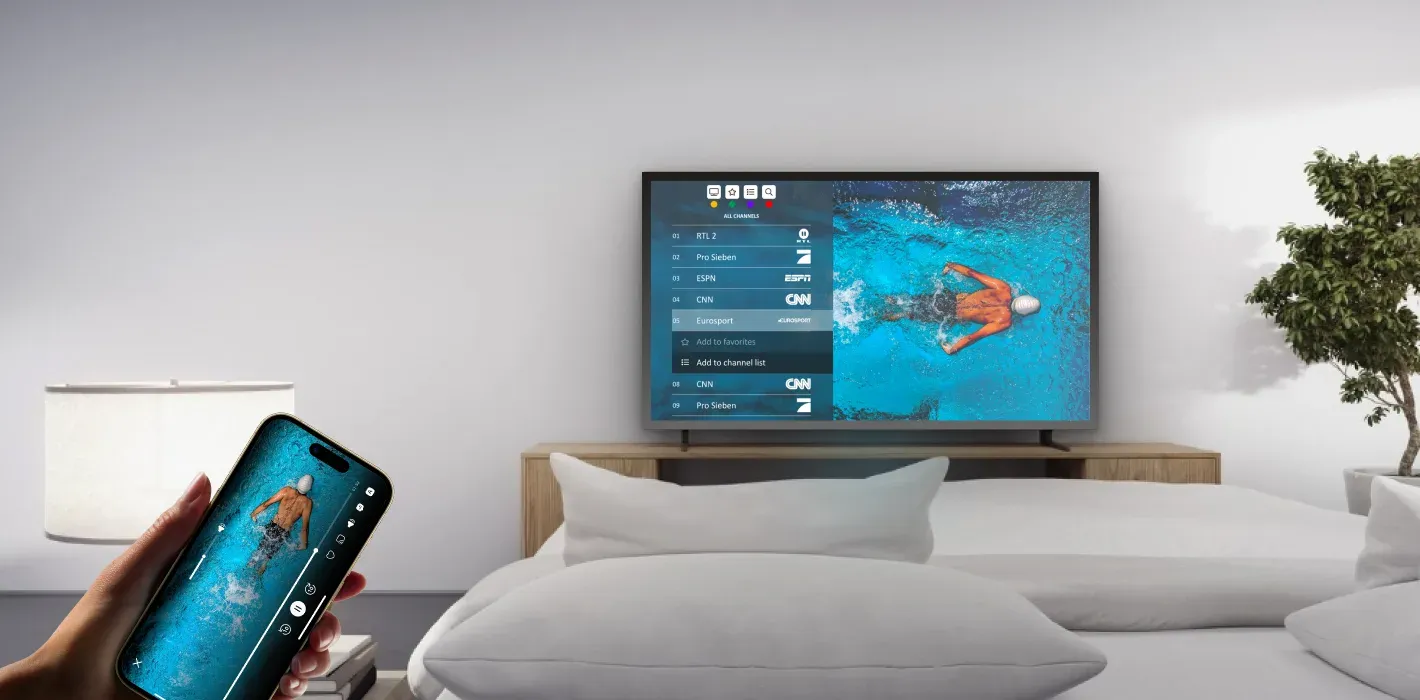
One of the key advantages of hotel entertainment systems is their ability to be managed centrally. Hotel IT departments can often update software, monitor system health, and even troubleshoot issues remotely from a central console. This capability extends to managing content playback settings.
The fast-forwarding behavior might be a default setting or a configurable parameter within these management systems. It could be designed to expedite the delivery of content, reduce the load on servers, or even to ensure that older, potentially problematic versions of content are quickly skipped if an updated version is available. For example, if a movie file on the server has a minor corruption, the system might be set to skip over that section rather than cause a playback error for the guest.
Minimizing Support Calls and Maintenance
Hotel operations are highly focused on efficiency and minimizing disruptions. If an in-room TV system frequently glitches, freezes, or presents errors to guests, it leads to increased calls to the front desk and demands for technical support. This diverts staff time and resources.
By implementing features that proactively avoid playback issues, such as the automatic fast-forwarding, system designers aim to create a more seamless user experience, even if it means sacrificing some granular control for the guest. It’s a trade-off: a slightly imperfect playback experience for the guest is preferable to a system that constantly fails and requires intervention. The objective is to keep the entertainment flowing, albeit sometimes at an accelerated pace.
Content Licensing and Digital Rights Management (DRM)
The way hotels manage the licensing and delivery of on-demand content can also influence playback behavior. Digital Rights Management (DRM) technologies are employed to prevent unauthorized copying and distribution of copyrighted material. The implementation of these DRM protocols, especially when integrated with complex streaming and caching mechanisms, can sometimes lead to unexpected playback behaviors.
While less common as a direct cause of continuous fast-forwarding, DRM can interact with other system functions. If the system is momentarily unsure of its authorization to play a specific segment of content, it might be programmed to quickly move past that point until it can re-establish a valid license or state. This is a highly technical aspect, but it contributes to the overall complexity of in-room entertainment delivery.
Guest Experience and Perceptions
For the guest, the experience of a fast-forwarding hotel TV can be frustrating. It disrupts the ability to pause, rewind, or enjoy content at a leisurely pace, which is often the very reason for engaging with the television in the first place.
The Intended vs. Actual User Experience
Ideally, a hotel TV should offer functionality comparable to a home television, allowing guests to manage their viewing experience as they see fit. This includes the ability to pause during a phone call, rewind a missed dialogue, or simply savor a scene. When the system automatically fast-forwards, it removes this control from the guest.
This disconnect between the perceived need for control and the system’s automated behavior can lead to dissatisfaction. Guests might feel that the technology is unreliable or poorly designed, impacting their overall impression of the hotel or resort.
Potential Solutions and Future Trends
As technology advances, the hope is that in-room entertainment systems will become more sophisticated and guest-friendly. Innovations in adaptive streaming, improved network infrastructure within hotels, and more intelligent software design are all contributing to a better future.
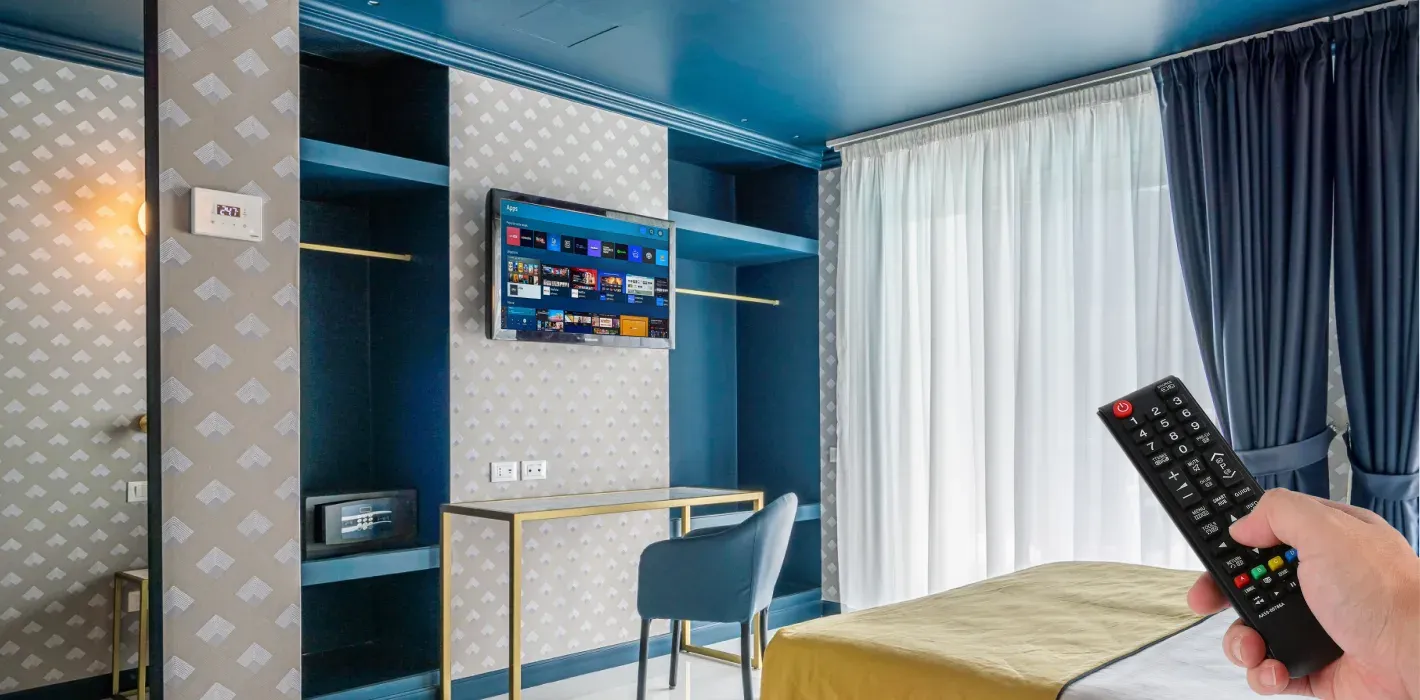
Some newer systems are already offering more robust playback controls. Furthermore, the increasing adoption of smart TVs with integrated streaming apps (like Netflix or Hulu) that connect directly to the guest’s personal accounts, bypassing the hotel’s proprietary system, can circumvent these issues entirely. While this shifts the responsibility for content to the guest, it often provides a more familiar and controllable viewing experience.
The trend towards offering a seamless, integrated, and highly personalized in-room experience means that the “fast-forward” quirk is likely to become less common as hotels invest in more advanced and user-centric entertainment solutions, striving to match the convenience guests expect from their own homes. The goal remains to offer a comfortable and engaging stay, and the in-room entertainment is a significant part of that equation.
LifeOutOfTheBox is a participant in the Amazon Services LLC Associates Program, an affiliate advertising program designed to provide a means for sites to earn advertising fees by advertising and linking to Amazon.com. Amazon, the Amazon logo, AmazonSupply, and the AmazonSupply logo are trademarks of Amazon.com, Inc. or its affiliates. As an Amazon Associate we earn affiliate commissions from qualifying purchases.