
The absence of a thirteenth floor in many hotels is a curious phenomenon that often sparks conversation among travelers. While it might seem like a mere oversight or a quirky design choice, the reality is rooted in a deep-seated cultural superstition that has a tangible impact on the hospitality industry. This practice, known as triskaidekaphobia (the fear of the number 13), is not exclusive to hotels; it extends to airplanes, office buildings, and even residential complexes. Understanding the origins and implications of this aversion reveals a fascinating intersection of cultural beliefs, business strategy, and the psychology of guest experience.
The Roots of Triskaidekaphobia
The fear of the number 13 is ancient and multifaceted, with origins stretching back to various mythologies and historical events. One prominent theory links the number 13 to the Last Supper, where Judas Iscariot, the apostle who betrayed Jesus, was the thirteenth guest to arrive. This association with betrayal and misfortune has been a potent symbol in Western culture for centuries.
Religious and Mythological Influences
Beyond the Last Supper, other narratives contribute to the negative connotations of 13. In Norse mythology, a banquet for 12 gods was disrupted by the uninvited 13th guest, Loki, who orchestrated the death of Baldur, the god of light and joy. This tale further cemented the idea of 13 as a harbinger of chaos and ill fortune.
The Lunar Connection
Historically, the number 12 has been associated with completeness and order. There are 12 months in a year, 12 signs of the zodiac, 12 hours on a clock face, and 12 tribes of Israel. The number 13, by extension, represents a disruption to this perceived harmony, an anomaly that breaks the established pattern. Some also link it to lunar cycles, where some calendars based on lunar phases have 13 months, but this is less widely accepted as a primary driver for the Western superstition.
The “Unlucky” Leap
The superstition gained further traction in the modern era, amplified by anecdotal evidence and popular culture. The Friday the 13th phenomenon, for instance, has become a cultural touchstone, reinforcing the notion that this particular date carries an inherent risk or misfortune. This widespread belief, even if not consciously held by everyone, can influence decision-making and create a collective anxiety.
The Hospitality Industry’s Response
Hotels, as businesses heavily reliant on guest comfort and satisfaction, are particularly sensitive to any potential source of unease or negative perception. The decision to omit a 13th floor is a pragmatic business strategy designed to cater to a significant portion of their clientele who might be superstitious or simply prefer to avoid rooms on such a floor.
Navigating Guest Preferences and Perceptions
For a hotel manager, the goal is to create an environment where every guest feels comfortable and safe. If a substantial number of potential guests harbor a fear of the number 13, or associate it with bad luck, then offering a 13th floor could be perceived as a risk. This risk is not just about a single guest’s discomfort; it’s about the cumulative effect on bookings and overall reputation. A guest who is particularly superstitious might choose another hotel altogether if they know a 13th floor exists, or if they are assigned a room on it.
The “Skip-a-Floor” Method
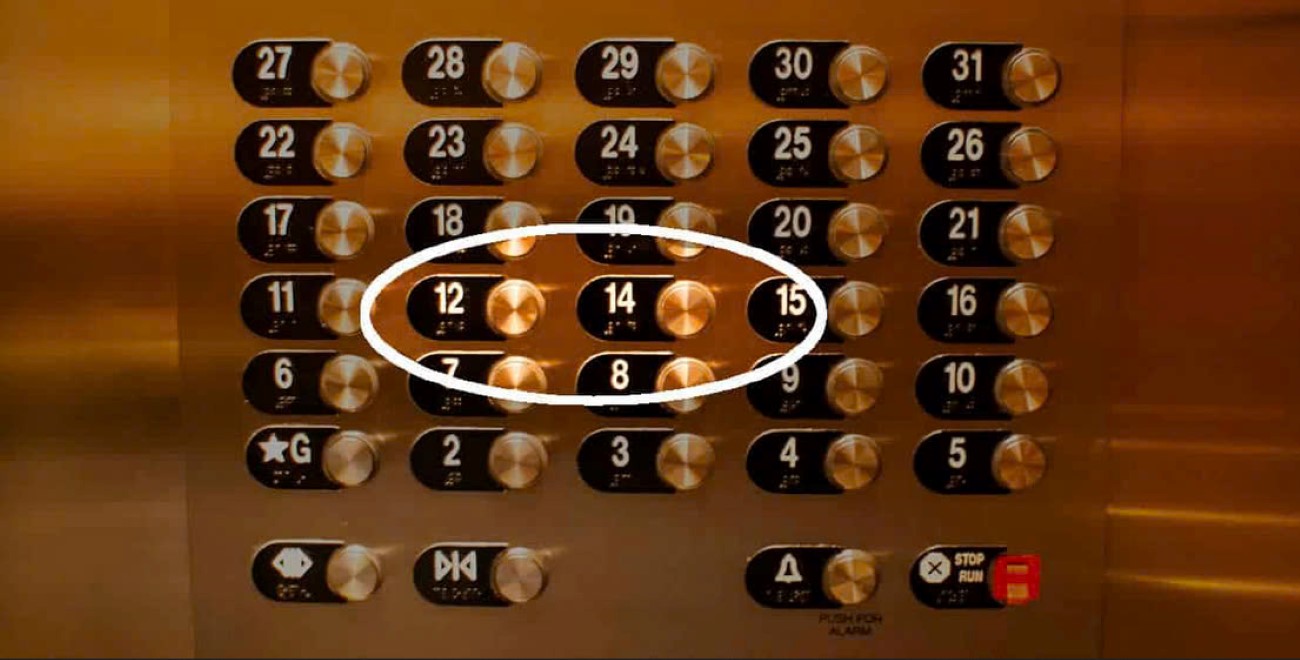
The most common practice is to simply skip the 13th floor when numbering. A building might go directly from the 12th floor to the 14th floor. This means that what is physically the 13th level of the building is designated as the 14th floor, or sometimes the 12th floor is the highest occupied floor. This approach is a subtle yet effective way to avoid confronting the superstition directly. From the guest’s perspective, they are simply booked into a room on the 14th floor, and the perceived “unlucky” number is never encountered. This is a pragmatic solution that doesn’t require extensive architectural changes but addresses a significant psychological concern for many.
Impact on Building Design and Operations
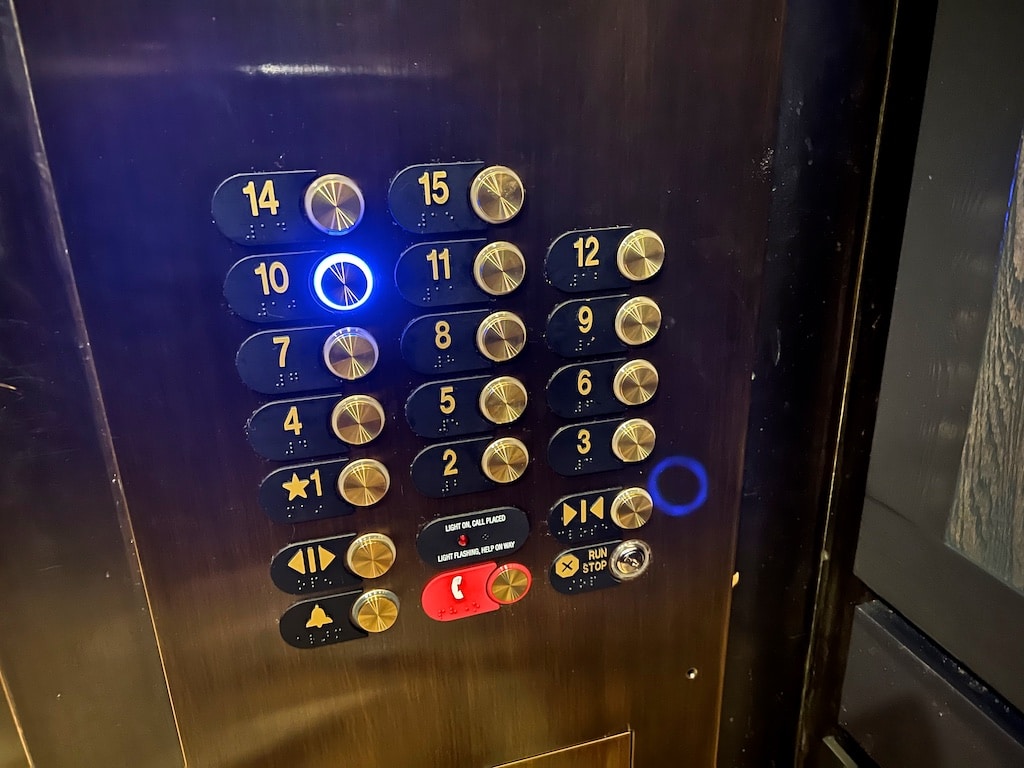
While omitting a floor number seems simple, it can have minor implications for building design and operational efficiency. Elevators, for instance, need to be programmed to skip the 13th floor. Signage needs to be consistent, and internal building directories must reflect the chosen numbering system. Maintenance staff and housekeeping schedules also need to be aware of the floor numbering to ensure accurate dispatch and service. For larger hotels or hotel chains, this requires a standardized approach across multiple properties.
Beyond the 13th Floor: Other Superstitions in Hotels
The aversion to the number 13 is just one example of how superstitions influence the hospitality industry. Hotels, especially in certain cultures, have historically incorporated or avoided certain symbols and numbers to appeal to a broader range of guests.
Number Symbolism in Different Cultures
The significance of numbers varies greatly across cultures. While 13 is unlucky in many Western societies, other numbers can carry negative connotations elsewhere. For instance, in China, the number 4 is considered unlucky because its pronunciation is similar to the word for death. Therefore, many buildings in China will skip the 4th floor, or any floor containing the number 4, in their numbering system. Similarly, in some Southeast Asian countries, the number 9 is considered auspicious, leading hotels to emphasize rooms or floors associated with this number.
Room Numbering Conventions
Beyond floor numbers, individual room numbers can also be subject to superstitious considerations. Hotels may choose to avoid room numbers that are perceived as unlucky within a particular cultural context. For example, a hotel in a country where 4 is feared might avoid rooms 4, 14, 24, 34, and so on. This attention to detail is a way for hotels to demonstrate cultural sensitivity and to make guests feel more at ease, particularly those who are traveling from different cultural backgrounds.
Addressing Superstitions for a Global Audience
In a globalized world, hotels cater to an increasingly diverse clientele. This necessitates a nuanced approach to superstitions. While overtly superstitious practices might be avoided in Western markets, a hotel operating in Asia, for example, would likely be very mindful of the number 4. The decision of which floors or room numbers to omit or highlight often depends on the primary target markets of the hotel. This can lead to varied numbering systems even within the same hotel chain.
The Psychology of Belief and Choice
The persistence of practices like omitting the 13th floor speaks to the enduring power of human belief and the psychology of decision-making. Even for those who do not actively believe in superstitions, the pervasive cultural awareness can influence their choices and perceptions.
The Placebo Effect and Guest Expectations
The concept of the placebo effect, typically discussed in medicine, can also be observed in travel. If a guest believes a hotel is unlucky due to its 13th floor, they might unconsciously look for negative experiences, thereby confirming their belief. Conversely, a hotel that caters to their superstitions by omitting the 13th floor can create a sense of comfort and reassurance, leading to a more positive overall experience. This psychological framing can significantly influence guest satisfaction and reviews.
The Role of Marketing and Branding
The way a hotel presents itself is also influenced by these considerations. While hotels rarely advertise the absence of a 13th floor as a specific selling point, it is an implicit assurance of comfort and consideration for guests’ beliefs. This subtle accommodation contributes to the overall brand image and can indirectly enhance a hotel’s appeal in a competitive market. Brands like the Ritz-Carlton or Four Seasons have built their reputations on meticulous attention to guest needs, and this includes acknowledging and respecting cultural nuances.

The Future of Hotel Numbering
As societies evolve and superstitions potentially wane, will hotels eventually reintroduce the 13th floor? It’s possible, especially in more secular or less superstitious markets. However, the deep-rooted nature of the superstition, combined with the low cost of maintaining the “skip-a-floor” practice, suggests that the 13th floor will likely remain absent from many hotel directories for the foreseeable future. The hospitality industry, at its core, is about anticipating and meeting guest needs, and in this regard, accommodating a deeply ingrained cultural belief remains a sound business practice. For now, the phantom 13th floor continues to exist as a testament to the enduring power of human belief in shaping the built environment.
LifeOutOfTheBox is a participant in the Amazon Services LLC Associates Program, an affiliate advertising program designed to provide a means for sites to earn advertising fees by advertising and linking to Amazon.com. Amazon, the Amazon logo, AmazonSupply, and the AmazonSupply logo are trademarks of Amazon.com, Inc. or its affiliates. As an Amazon Associate we earn affiliate commissions from qualifying purchases.