
While the vast plains of the American Midwest are often synonymous with devastating tornado outbreaks, the state of Idaho experiences its fair share of these powerful weather phenomena. Understanding the frequency and characteristics of tornadoes in Idaho is crucial for residents and visitors alike, particularly for those planning outdoor activities or seeking to appreciate the state’s diverse natural beauty. This exploration delves into the typical number of tornadoes recorded annually in Idaho, the contributing factors, and what this means for experiencing the Gem State.
Understanding Tornado Activity in Idaho
The perception of Idaho as a tornado-prone state might surprise many, given its mountainous terrain and northern latitude compared to traditional “Tornado Alley.” However, the state does fall within a region susceptible to severe thunderstorms, which are the precursors to tornado formation.

The Average Annual Tornado Count
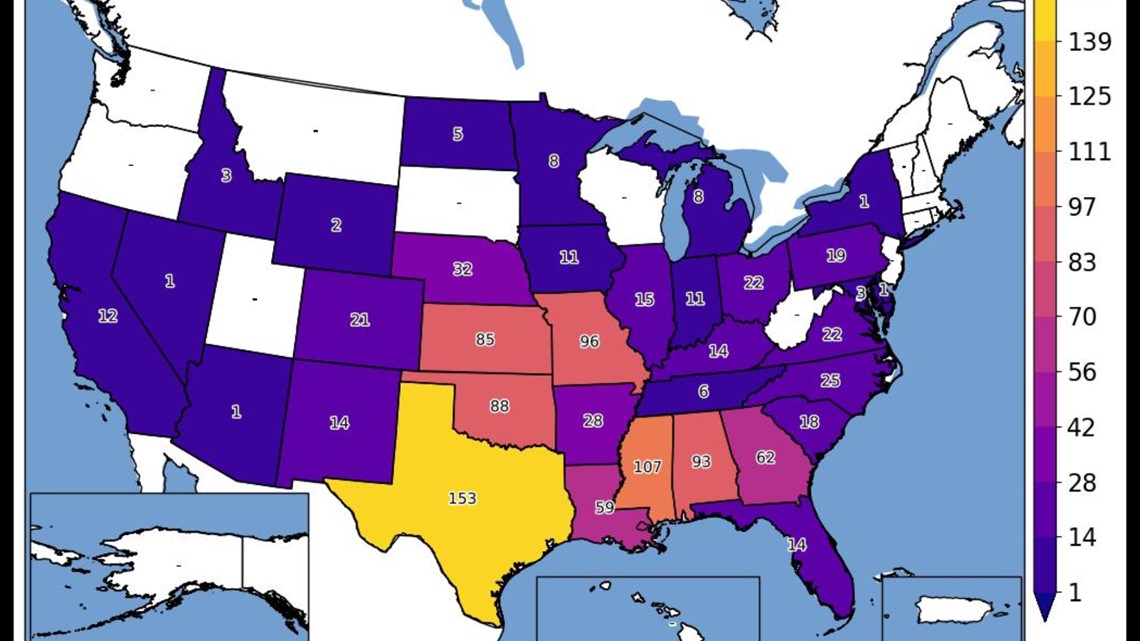
On average, Idaho experiences a relatively low number of tornadoes per year compared to other parts of the United States. While precise figures can fluctuate year by year, historical data suggests an average of around 5 to 10 tornadoes annually. This number can vary significantly, with some years seeing fewer than five, while others might experience a slightly higher count. It is important to note that not all reported tornadoes are significant; many are weak, short-lived, and cause minimal damage. The intensity of these events is measured on the Enhanced Fujita (EF) Scale, with EF0 being the weakest and EF5 being the strongest. Most tornadoes that touch down in Idaho are typically in the EF0 to EF1 range.
Factors Influencing Tornado Formation
Several meteorological conditions must align for a tornado to form. These include:
- Moisture: Ample moisture in the lower atmosphere is essential for the development of thunderstorms. This is often supplied by systems moving from the Gulf of Mexico, though in Idaho, moisture can also be sourced from the Pacific Ocean or local evaporation.
- Instability: Warm, moist air near the ground coupled with cooler, drier air at higher altitudes creates atmospheric instability, fueling the updrafts necessary for severe storms.
- Lifting Mechanism: A trigger, such as a cold front or dryline, is needed to force the unstable air upward.
- Wind Shear: Changes in wind speed and direction with height are critical for the rotation within a thunderstorm that can lead to tornado development. This is where the mountainous topography of Idaho can play a role, influencing wind patterns.
In Idaho, the primary tornado season generally occurs during the late spring and early summer months, typically from May through July. This period often sees the convergence of the necessary atmospheric ingredients. However, tornadoes can occur outside of this window, though it is less common.
Regional Variations and Notable Tornado Events
While tornadoes can occur anywhere within Idaho, certain regions might be more susceptible due to geographical features and prevailing weather patterns.
Geographic Susceptibility
The areas with the highest potential for tornado activity in Idaho tend to be the southern and southwestern parts of the state. These regions are more likely to experience the confluence of warm, moist air masses moving north from the desert southwest and cooler air from the Pacific Northwest. The flatter terrain in parts of the Treasure Valley, including areas around Boise, can also be more conducive to tornado development once severe thunderstorms form. The mountainous regions, while less prone to tornado touchdowns due to chaotic wind patterns, can still experience the severe thunderstorms that produce them.
Notable Tornado Outbreaks and Impacts
Despite the generally lower frequency, Idaho has experienced notable tornado events that underscore the importance of preparedness.
One significant event occurred on August 10, 1984, when a powerful EF-3 tornado struck the rural community of Teton. This tornado caused extensive damage, injured several people, and sadly resulted in one fatality. It serves as a stark reminder that even less frequent tornadoes can have devastating impacts.
Another notable occurrence was the July 10, 2006 tornado that touched down near Twin Falls. While rated as an EF1, it caused damage to homes and businesses, highlighting the potential risks even for weaker twisters.
These events, while infrequent, are crucial for understanding the tornado threat in Idaho and reinforcing the need for awareness and safety measures for residents and visitors.
Experiencing Idaho Safely Amidst Tornado Season
For those planning a trip to Idaho or residing within its borders, understanding tornado season and potential risks can enhance safety and enjoyment. The state offers a wealth of attractions, from the majestic peaks of the Sawtooth Mountains to the vibrant city life in Boise.
Travel and Outdoor Activity Considerations
During the late spring and summer months, it is prudent for travelers and outdoor enthusiasts to stay informed about weather forecasts. Activities like hiking in Craters of the Moon National Monument & Preserve, exploring the scenic drives through the Panhandle, or visiting destinations like Sun Valley can be incredibly rewarding. However, any outdoor pursuit in Idaho should include monitoring weather conditions.
- Stay Informed: Always check local weather forecasts from reliable sources like the National Weather Service before embarking on any outdoor adventure. Utilize weather apps and radio broadcasts.
- Be Aware of Signs: Learn to recognize the signs of developing severe weather, such as dark, threatening skies, large hail, and a loud roar that resembles a freight train.
- Have a Plan: If you are in an area with a tornado watch or warning, have a plan for seeking shelter. This typically involves moving to the lowest floor of a sturdy building, away from windows. Mobile homes and vehicles are not safe during a tornado.
Accommodation and Preparedness
While Idaho may not experience the same tornado frequency as states in the central U.S., it is still wise to consider preparedness, especially when choosing lodging. Most hotels and accommodations in major cities like Boise or Coeur d’Alene are built to withstand various weather conditions and will have established procedures for severe weather.
For those staying in more remote areas or considering vacation rentals, it is advisable to:
- Inquire About Safety: Ask your accommodation provider about their emergency procedures and the nearest safe shelter.
- Identify Shelter Locations: Before a severe weather event, scout potential shelter locations in your vicinity.
- Pack an Emergency Kit: Consider packing a small kit with essentials like water, non-perishable food, a first-aid kit, a flashlight, and extra batteries.
Beyond the Tornado Threat: Appreciating Idaho’s Natural Wonders
It is important to frame the discussion of tornadoes within the broader context of Idaho’s remarkable natural beauty and diverse attractions. The state’s comparatively low tornado frequency means that for the vast majority of the year, and in most locations, visitors can enjoy its wonders without significant concern.
The Allure of Idaho’s Landscapes
From the vast wilderness areas to the charming small towns, Idaho offers experiences for every type of traveler.
- The Sawtooth National Recreation Area: A paradise for hikers, campers, and anglers, offering breathtaking alpine scenery.
- Yellowstone National Park (Western Entrance): A significant portion of this world-renowned park is located in Idaho, offering unparalleled geothermal wonders and wildlife viewing.
- Hells Canyon National Recreation Area: The deepest river gorge in North America, providing opportunities for whitewater rafting and scenic drives.
- Boise River Greenbelt: A paved pathway winding through the heart of the state’s capital, perfect for cycling, jogging, and leisurely strolls.
Embracing the Season
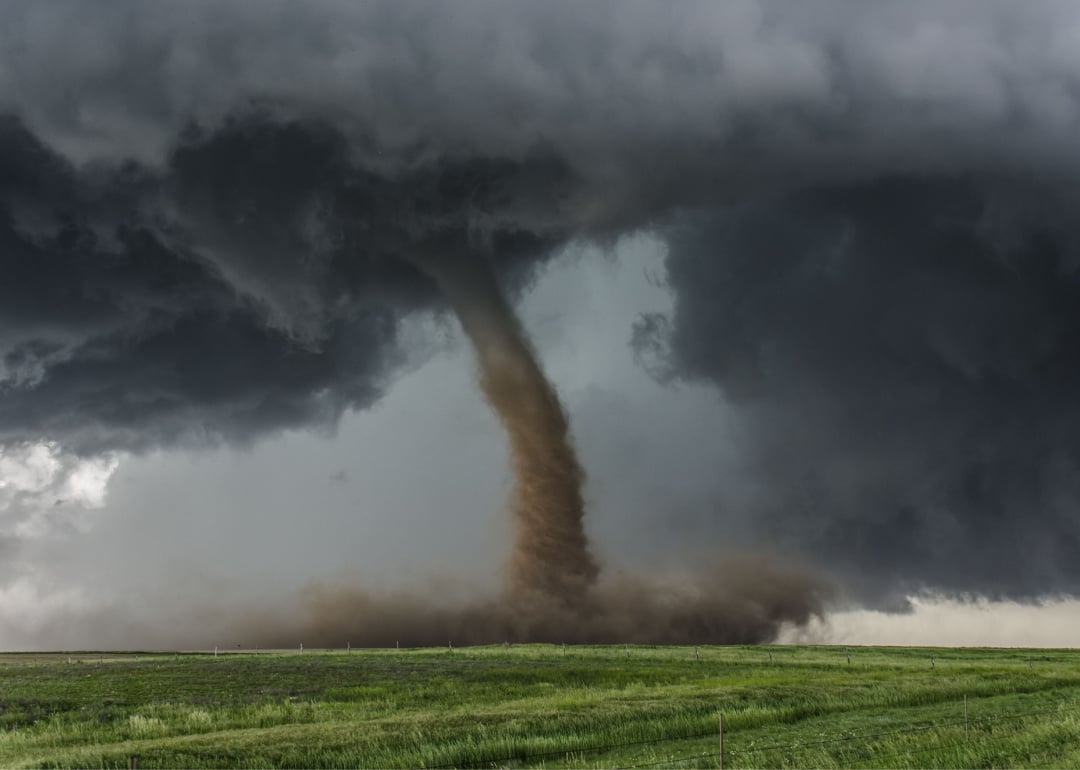
The tornado season in Idaho is a reminder of nature’s power, but it should not deter exploration of this magnificent state. By staying informed and prepared, individuals can safely enjoy the unique geological formations, pristine wilderness, and vibrant communities that Idaho has to offer. The beauty of its natural landscapes, from the rugged mountains to the fertile valleys, far outweighs the infrequent threat of severe weather. Understanding the meteorological nuances, including the average number of tornadoes, allows for a more informed and ultimately more enjoyable experience of the Gem State.
LifeOutOfTheBox is a participant in the Amazon Services LLC Associates Program, an affiliate advertising program designed to provide a means for sites to earn advertising fees by advertising and linking to Amazon.com. Amazon, the Amazon logo, AmazonSupply, and the AmazonSupply logo are trademarks of Amazon.com, Inc. or its affiliates. As an Amazon Associate we earn affiliate commissions from qualifying purchases.