
Understanding the financial landscape of a destination is a crucial, often overlooked, aspect of travel planning. While the allure of majestic mountains, pristine lakes, and vibrant local culture draws visitors to Idaho, being aware of the state’s tax structure can lead to more informed budgeting and a smoother travel experience. This guide delves into the intricacies of Idaho State Sales Tax, clarifying what it is, how it applies to travelers, and what you can expect when exploring the Gem State.
The Fundamentals of Idaho Sales Tax
At its core, Idaho State Sales Tax is a transaction tax imposed on the sale of tangible personal property and certain services within the state. It is a significant source of revenue for the state government, funding essential public services such as education, infrastructure, and public safety. Unlike income taxes, sales taxes are regressive in nature, meaning they tend to disproportionately affect lower-income individuals who spend a larger percentage of their income on taxable goods and services. However, for travelers, it represents a predictable, albeit sometimes surprising, addition to the cost of goods and services purchased during their visit.
Taxable Transactions and Exemptions
The Idaho State Tax Commission oversees the collection and administration of sales tax. Generally, most retail sales of tangible goods are subject to sales tax. This includes items purchased from retailers, such as souvenirs, clothing, electronics, and sporting goods. In addition to goods, certain services are also taxable. These can include things like repair services, lodging (though this has specific nuances discussed later), and admission fees to certain entertainment venues.
However, Idaho also has a number of exemptions to prevent double taxation or to encourage specific economic activities. For instance, groceries intended for home consumption are typically exempt from state sales tax. This is a common exemption in many states and is designed to ease the burden on residents for essential food items. Similarly, prescription medications are usually exempt. Business-to-business transactions, such as the purchase of raw materials used in manufacturing, may also be exempt under certain conditions. For travelers, understanding these exemptions is less critical for everyday purchases but can be helpful when planning for larger expenses.
The Statewide Tax Rate
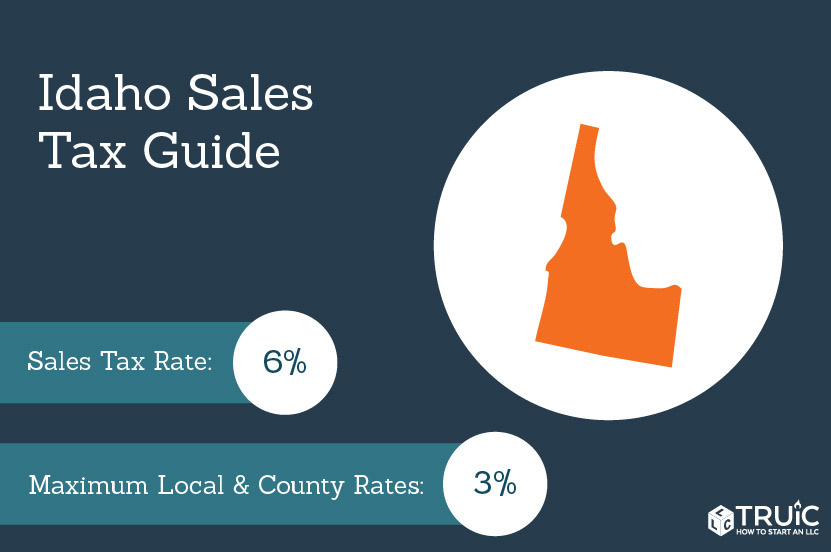
As of the current understanding, Idaho has a uniform statewide sales tax rate. This simplifies matters for both consumers and businesses, as the rate is consistent across all counties. The current state sales tax rate is 6%. This rate applies to all taxable transactions unless a specific local option tax is also in effect, which is less common for general consumer goods. When you make a purchase in Idaho, this 6% will be added to the price of taxable items.
It’s important to distinguish between the state sales tax and any potential local option taxes. While the state rate is uniform, some cities or counties might be authorized to levy additional local sales taxes. However, these are often targeted at specific projects or services and may not apply broadly to all retail sales. For most travelers, the primary tax they will encounter is the 6% state sales tax.
Sales Tax Implications for Tourists
For visitors to Idaho, the most visible impact of sales tax will be on purchases made during their trip. From buying a Gifts at a shop in Boise to purchasing outdoor gear in Sandpoint, the 6% tax will be factored into the final price.
Accommodation and Lodging Taxes
A key area where travelers often encounter sales tax, and sometimes additional taxes, is in accommodation. Idaho levies sales tax on hotel rooms, motels, and other forms of lodging. This means that the advertised price of your stay at establishments like the The Coeur d’Alene Resort or a charming bed and breakfast in McCall will likely increase due to the addition of sales tax.
In addition to state sales tax, many cities and counties in Idaho also impose a lodging tax, often referred to as a “lodging occupancy tax” or “transient room tax.” This tax is specifically targeted at short-term stays and is designed to generate revenue that can be used for tourism promotion, infrastructure improvements related to tourism, or other local services. The rates for these local lodging taxes can vary significantly from one jurisdiction to another. For example, a popular tourist destination like Sun Valley might have a higher lodging tax than a less frequented area. When booking accommodation, it is advisable to inquire about the total tax burden, including both state sales tax and any applicable local lodging taxes, to get an accurate understanding of your total cost. This information is often detailed on booking platforms or can be obtained directly from the hotel.
Dining and Entertainment
When enjoying the culinary delights of Idaho, from a casual meal in Idaho Falls to a fine dining experience, you will also encounter sales tax on food and beverages purchased for immediate consumption. Unlike groceries intended for home preparation, restaurant meals are generally considered taxable. This applies to sit-down meals, take-out orders, and even some convenience store purchases of prepared foods.
Similarly, admission fees to many attractions, such as museums, movie theaters, amusement parks, and sporting events, are also subject to sales tax. If you’re planning to visit the Boise Art Museum or catch a game at a local stadium, factor in the 6% state sales tax on ticket prices. These taxes help fund the operations and maintenance of many of the cultural and recreational facilities that enhance the visitor experience.
Motor Vehicle Rentals and Other Services
Renting a vehicle to explore Idaho is a common practice for travelers, and the rental cost is subject to sales tax. This includes the base rental rate as well as any additional charges for insurance, mileage, or equipment. The 6% state sales tax will be applied to the total rental amount.
Other services that tourists might utilize, such as guided tours, equipment rentals for outdoor activities (like skiing or rafting), and even some professional services, may also be subject to Idaho’s sales tax. It’s always prudent to confirm with the service provider whether sales tax is included in their quoted prices or will be added at the time of payment.
Understanding Local Sales Tax Additions
While the state sales tax rate of 6% provides a baseline, it is important for travelers to be aware of potential local sales tax additions. These are authorized by state law and allow local governments to impose additional sales taxes to fund specific community needs.
County and City Sales Taxes
In Idaho, counties and cities have the authority to levy local option sales taxes. These are typically applied in conjunction with the state sales tax. The rates and applications of these local taxes can vary significantly. For instance, a city might implement a small local sales tax to fund a new park or public transportation initiative. Some counties may have a higher combined rate than others.
The Idaho State Tax Commission maintains information on which jurisdictions have authorized local option taxes and at what rates. While most commonly these are for specific local projects, the cumulative effect can increase the overall tax burden on purchases. For travelers, this often means the sales tax on goods and services in a particular city or county could be higher than the state’s 6%. It’s beneficial to be aware of the specific locality you are visiting. For instance, if you are spending significant time and making numerous purchases in a major city like Boise or Meridian, it’s worth checking if any local option taxes are in effect that would increase the overall sales tax rate.
Special Purpose District Taxes
Beyond general county and city taxes, Idaho also allows for special purpose districts to levy sales taxes. These are usually established to fund specific infrastructure projects or services, such as transportation districts or stadium districts. The purpose of these taxes is often to spread the cost of significant public improvements across a broader base, including transient populations who benefit from the services or facilities. The implementation and rates of these taxes are also determined at the local level and are regulated by the state. Travelers might encounter these when visiting areas with specific large-scale public amenities funded through such taxes.
Practical Tips for Travelers
Navigating sales tax in a new destination can sometimes feel like a puzzle. Here are some practical tips to help travelers in Idaho manage their expectations and budget effectively.
Budgeting for Sales Tax
The simplest way to manage sales tax is to build it into your budget. Always assume that the sticker price of goods and services will increase by at least the 6% state sales tax. For accommodation and dining, research potential local lodging taxes or other local sales tax additions for the specific areas you plan to visit. Many travel planning apps and websites will provide estimated tax breakdowns for hotels, but it’s always wise to verify directly with the establishment. When making significant purchases, such as electronics or sporting equipment, remember that the tax will add a noticeable amount to the final cost.
Keeping Receipts
Retaining receipts from your purchases can be helpful for several reasons. Firstly, it allows you to track your spending and verify the accuracy of the sales tax applied. If you believe an incorrect tax rate was charged, having the receipt will be essential for any potential dispute or inquiry with the retailer or the Idaho State Tax Commission. Secondly, for business travelers, receipts are crucial for expense reporting and reimbursement. While most tourists are unlikely to seek tax refunds, for business purposes, accurate documentation is paramount.
Understanding Taxable vs. Non-Taxable Items
While most tangible goods are taxable, knowing common exemptions can help you make informed purchasing decisions. As mentioned, groceries intended for home consumption are generally not taxed. If you are staying in accommodation with a kitchen or planning picnics at places like Craters of the Moon National Monument & Preserve, buying groceries will likely be more cost-effective than eating out for every meal. Always confirm with the retailer or vendor if you are unsure about the taxability of an item or service.
Online Purchases and Remote Sellers
The landscape of sales tax has become more complex with the rise of e-commerce. Idaho has implemented laws requiring remote sellers (businesses that do not have a physical presence in the state but sell to Idaho residents) to collect and remit sales tax if they meet certain economic thresholds. This means that purchases made from online retailers may also be subject to Idaho’s sales tax, even if the company is based elsewhere. When shopping online for items to be delivered to your Idaho address, expect to see sales tax added to your order if the seller is registered to collect it.
In conclusion, Idaho State Sales Tax is a fundamental component of the state’s revenue system and directly impacts the cost of goods and services for visitors. By understanding the basic rates, common taxable items and services, and potential local additions, travelers can better prepare their budgets and navigate their financial transactions with confidence while exploring the diverse attractions and experiences that Idaho has to offer.
LifeOutOfTheBox is a participant in the Amazon Services LLC Associates Program, an affiliate advertising program designed to provide a means for sites to earn advertising fees by advertising and linking to Amazon.com. Amazon, the Amazon logo, AmazonSupply, and the AmazonSupply logo are trademarks of Amazon.com, Inc. or its affiliates. As an Amazon Associate we earn affiliate commissions from qualifying purchases.