
Understanding the minimum wage in any state is a foundational element for both residents and visitors planning their finances, especially when considering a trip or extended stay. For Idaho, the economic landscape, including its prevailing wage rates, directly impacts the cost of experiences, from dining to local services. This exploration delves into the current minimum wage in Idaho, its historical context, and how it influences the visitor experience within the state.
The Current Minimum Wage in Idaho
As of the latest available information, the minimum wage in Idaho is set at $7.80 per hour. This rate has been in effect since January 1, 2007. It is important to note that Idaho’s minimum wage has not seen an increase since that time, a fact that distinguishes it from many other states that have implemented regular adjustments to their minimum wage laws.
Federal vs. State Minimum Wage
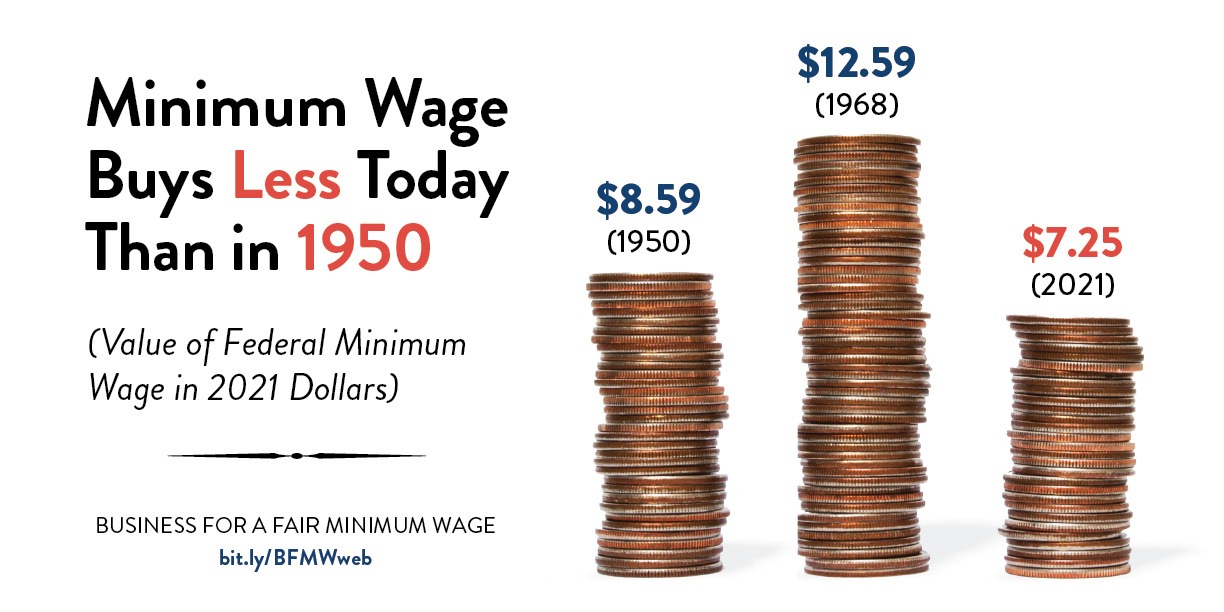
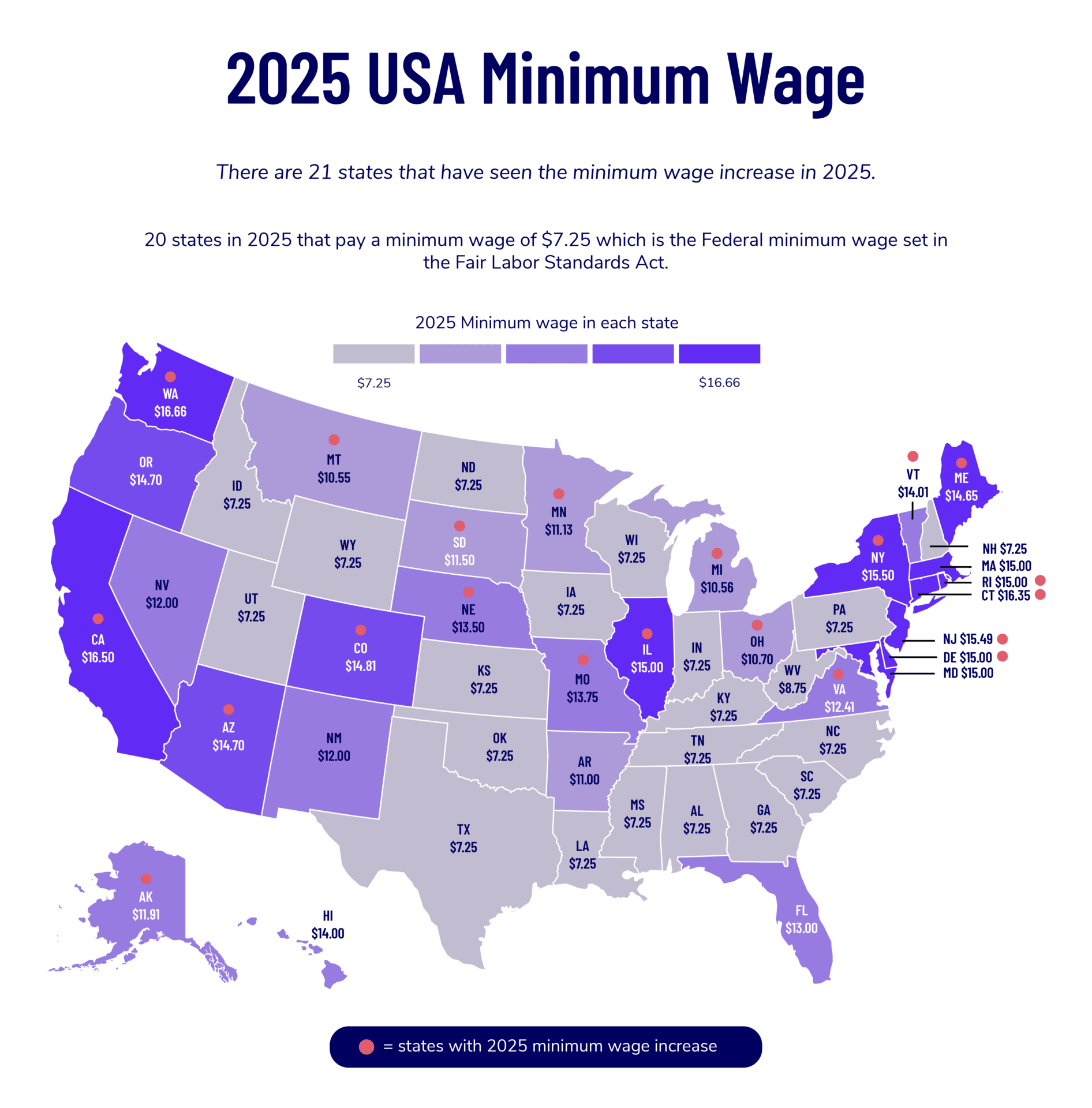
Idaho adheres to the federal minimum wage, which is currently $7.25 per hour. However, state law in Idaho mandates a higher rate of $7.80 per hour. This means that employers in Idaho must pay employees at least the higher of the two rates. This state-specific higher minimum wage provides a slightly better baseline for workers within the state compared to the federal floor.
Tipped Employees
A crucial aspect of minimum wage discussions involves tipped employees. In Idaho, the cash minimum wage for tipped employees is $3.90 per hour. This rate applies to employees who customarily and regularly receive more than $30 per month in tips. The employer can pay this lower cash wage as long as the employee’s tips, combined with the cash wage, equal at least the state’s standard minimum wage of $7.80 per hour. If the tips do not bring the total earnings up to $7.80 per hour, the employer must make up the difference. This allowance is a common practice across many states and directly impacts the service industry, which is a significant component of the tourism sector in Idaho.
Factors Influencing Minimum Wage in Idaho
The static nature of Idaho‘s minimum wage, unchanged for over a decade, is a subject of discussion and has several contributing factors. Unlike states that have legislated automatic annual increases tied to inflation or have seen proactive legislative action to raise the wage, Idaho has not followed this trend.
Legislative Inertia and Economic Climate
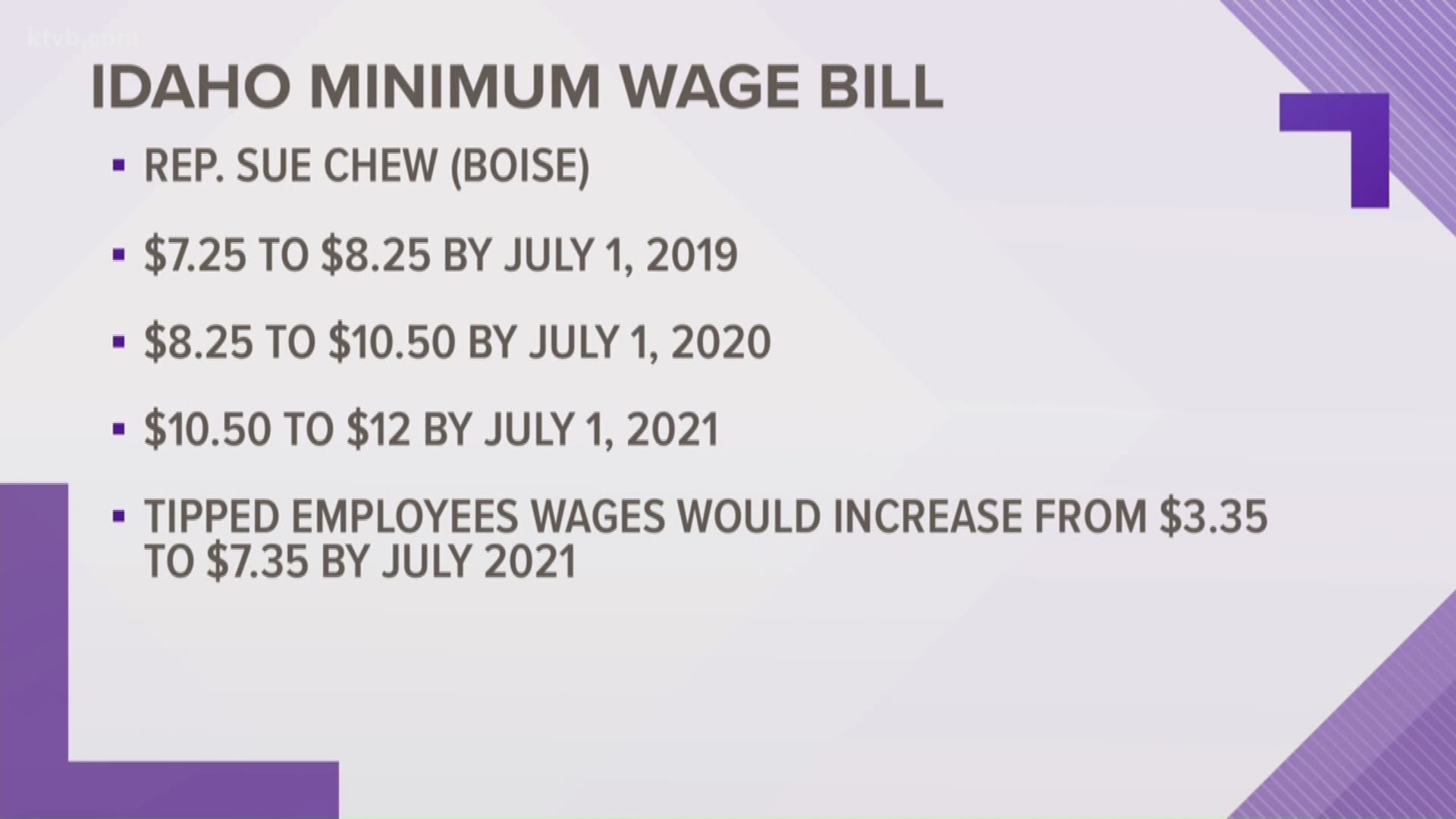
One of the primary reasons for the lack of an increase in Idaho‘s minimum wage is legislative inertia. Proposals to raise the minimum wage have been introduced in the state legislature in the past but have not gained sufficient traction to pass into law. The economic climate and prevailing political viewpoints within the state often play a significant role in these legislative outcomes. Arguments against raising the minimum wage frequently center on concerns about potential negative impacts on small businesses and job creation.
Impact on Local Economies
The minimum wage directly affects the disposable income of a significant portion of the workforce. For a state like Idaho, known for its diverse economy, including agriculture, tourism, and growing tech sectors, the minimum wage can influence consumer spending patterns. A stagnant minimum wage can mean that lower-income workers have less purchasing power, potentially affecting demand for local goods and services. Conversely, some argue that a lower minimum wage can make businesses more competitive and attract investment.
Minimum Wage and its Effect on Tourism in Idaho
While the minimum wage is a state labor issue, it has tangible implications for visitors and the tourism industry in Idaho. Understanding this connection provides a more comprehensive picture of the state’s economic dynamics.
Cost of Services and Goods
The minimum wage paid to employees in the service industry, such as restaurant staff, hotel housekeepers, and retail associates, can influence the prices of goods and services that tourists encounter. In areas where the minimum wage is lower, businesses may have lower labor costs, which could theoretically translate to more competitive pricing for consumers. However, other factors, such as the cost of goods, rent, and the overall demand for services, also play a significant role in determining prices.
For instance, a diner in a popular tourist town like Sun Valley might have prices that reflect not only labor costs but also the premium associated with a sought-after destination and the cost of supplying goods to a more remote location. Similarly, the cost of a guided tour or a stay at a local lodge could be influenced by the wage floor.
Labor Market Dynamics and Service Quality
The minimum wage also affects the labor market for the tourism sector. A lower minimum wage might make it more challenging for businesses to attract and retain qualified staff, potentially impacting the quality of service. In a competitive tourism market, excellent customer service is paramount. Businesses that struggle to offer competitive wages may face higher staff turnover, leading to less experienced employees and a potential dip in service standards.
Conversely, a strong labor market supported by a fair wage can lead to a more stable and skilled workforce, contributing positively to the visitor experience. This is particularly relevant for Idaho‘s growing tourism sector, which relies on delivering memorable experiences to encourage repeat visits and positive word-of-mouth.
Affordability for Budget Travelers
For budget-conscious travelers, the prevailing wage rates in a destination can be a consideration when planning a trip. While Idaho offers a wide range of experiences, from outdoor adventures to cultural attractions, the cost of basic necessities like food and local transportation can be influenced by the local economy, which is partly shaped by the minimum wage.
However, Idaho generally remains an attractive destination for budget travelers due to its abundant natural beauty, much of which is accessible without significant cost. State parks, national forests, and vast public lands offer opportunities for hiking, camping, and scenic drives that are either free or require minimal entrance fees.
The Future of Minimum Wage in Idaho
The discussion surrounding Idaho‘s minimum wage is ongoing. Advocates for an increase often point to the rising cost of living and the need to ensure a living wage for workers. They may highlight the disparities between Idaho‘s minimum wage and those of neighboring states or the national average.
Potential for Future Increases
While there has been no recent legislative action to raise the minimum wage, the possibility of future increases remains. Public opinion, economic conditions, and shifts in political priorities can all influence legislative action. Several other states and numerous cities have recently increased their minimum wages, setting precedents that may eventually encourage similar movements in Idaho.
Economic Implications of a Wage Hike
Should Idaho decide to increase its minimum wage, the economic implications would be multifaceted. Proponents would argue for increased consumer spending, reduced poverty, and improved worker morale. Opponents would express concerns about potential job losses, increased prices for consumers, and the burden on small businesses. A well-planned and phased-in increase, potentially coupled with support for small businesses, could mitigate some of these concerns.
For the tourism industry, an increase in the minimum wage could lead to higher labor costs for businesses, potentially impacting prices for tourists. However, it could also lead to a more motivated and skilled workforce, enhancing the overall quality of services offered. Furthermore, increased disposable income for low-wage workers could translate into greater local spending, benefiting businesses across the state.
Navigating Idaho’s Economic Landscape as a Visitor
For visitors to Idaho, understanding the state’s minimum wage provides context for the local economy and the services they might utilize. While the absolute figures of the minimum wage might seem distant, they form the bedrock of the economic environment.
Budgeting for Your Trip
When planning a trip to Idaho, consider that while many natural attractions are free, costs for dining, accommodation, and local transportation are influenced by the state’s economic conditions, including its wage rates. Researching average costs for meals and local transport in specific regions, such as Boise or Coeur d’Alene, can help in creating a realistic budget.
Supporting Local Businesses
By patronizing local establishments, visitors contribute directly to the Idaho economy. Even with a lower minimum wage, supporting small businesses means that your spending stays within the community, helping to sustain jobs and local character. This is especially true in smaller towns and rural areas where tourism is a vital economic driver.
Experiencing Idaho’s Value
Ultimately, Idaho offers a wealth of experiences that provide significant value, regardless of its minimum wage. The unparalleled natural beauty, from the vast plains of the Snake River region to the rugged peaks of the Sawtooth Mountains, offers activities that are accessible and rewarding. The friendly culture and growing culinary scene also contribute to a rich visitor experience. While the minimum wage is a factual component of the state’s economy, it does not diminish the inherent appeal and value that Idaho offers to every traveler.
LifeOutOfTheBox is a participant in the Amazon Services LLC Associates Program, an affiliate advertising program designed to provide a means for sites to earn advertising fees by advertising and linking to Amazon.com. Amazon, the Amazon logo, AmazonSupply, and the AmazonSupply logo are trademarks of Amazon.com, Inc. or its affiliates. As an Amazon Associate we earn affiliate commissions from qualifying purchases.