
Shoshone Falls, often heralded as the “Niagara of the West,” is a breathtaking natural spectacle located in the heart of Idaho. This magnificent waterfall, cascading over a dramatic cliff face, draws visitors from across the globe seeking to witness its raw power and serene beauty. Understanding its precise location is key for any traveler planning an excursion to this iconic landmark. Situated just outside the city of Twin Falls, Shoshone Falls is an integral part of the Snake River Canyon, a geological wonder carved over millennia by the relentless flow of the Snake River.

The prominence of Shoshone Falls as a must-see destination stems from its impressive dimensions and the sheer volume of water that plunges over its edge, particularly during the spring and early summer months. Its width can rival that of Niagara Falls, and its height, while less dramatic, is still substantial enough to create a mesmerizing display of mist, rainbows, and thundering water. For those venturing into southern Idaho, a visit to Shoshone Falls is not merely an option but a quintessential experience, offering a profound connection with the untamed spirit of the American West.
Exploring the Vicinity of Shoshone Falls
The strategic location of Shoshone Falls within the Snake River Canyon provides a rich tapestry of surrounding attractions and natural wonders. The ease of access, coupled with the stunning visual impact of the falls themselves, makes it a focal point for tourism in the region. Travelers often combine a trip to the falls with explorations of the canyon and the amenities offered in nearby Twin Falls.
Proximity to Twin Falls
The city of Twin Falls serves as the primary gateway to Shoshone Falls. Located approximately five miles east of the city center, the falls are readily accessible via well-maintained roads. This proximity is a significant advantage for visitors, as Twin Falls offers a comprehensive range of services, including lodging, dining, and recreational facilities. Visitors can easily base their stay in Twin Falls and embark on short day trips to experience the grandeur of the waterfall. The city’s infrastructure is well-equipped to handle the influx of tourists, ensuring a comfortable and convenient experience for all.
The Snake River Canyon
The Snake River Canyon itself is a marvel of natural erosion, stretching for miles and boasting sheer basalt cliffs that plunge hundreds of feet. Shoshone Falls is just one jewel within this vast geological formation. The canyon offers numerous viewpoints and recreational opportunities, including hiking trails, picnic areas, and opportunities for wildlife observation. The presence of the powerful Snake River at the canyon’s base adds another layer of dynamic beauty to the landscape. Exploring the canyon rim provides panoramic vistas of the Shoshone Falls and the surrounding rugged terrain, offering a comprehensive appreciation of the area’s natural artistry. The canyon is a testament to the erosive power of water and time, shaping a landscape that is both awe-inspiring and historically significant.
Other Nearby Attractions
Beyond the immediate vicinity of the falls and the Snake River Canyon, the region surrounding Twin Falls offers a variety of other points of interest. These include agricultural lands that showcase Idaho’s rich farming heritage, historical sites that tell the story of early settlers, and opportunities for outdoor recreation such as fishing, boating, and birdwatching. The Perrine Bridge, which spans the Snake River Canyon near Twin Falls, is another notable landmark, famous for its use by BASE jumpers. For those interested in local culture, the city of Twin Falls provides access to museums, art galleries, and community events that offer insights into the life and traditions of southern Idaho. This interconnectedness of attractions ensures that a visit to Shoshone Falls can be seamlessly integrated into a broader exploration of the region’s diverse offerings.
Planning Your Visit to Shoshone Falls
A successful trip to Shoshone Falls hinges on careful planning, considering factors such as the best time to visit, the ideal viewing locations, and the necessary amenities for a comfortable experience. Understanding these elements will significantly enhance your appreciation of this natural wonder.
Best Time to Visit
The flow of Shoshone Falls is highly dependent on seasonal precipitation and snowmelt. Consequently, the most spectacular viewing periods typically occur in the spring and early summer months, generally from April through June. During this time, the Snake River is at its fullest, generating a thunderous roar and a voluminous cascade that truly earns the waterfall its grand title. The mist generated by the powerful flow often creates stunning rainbows, adding to the visual spectacle.
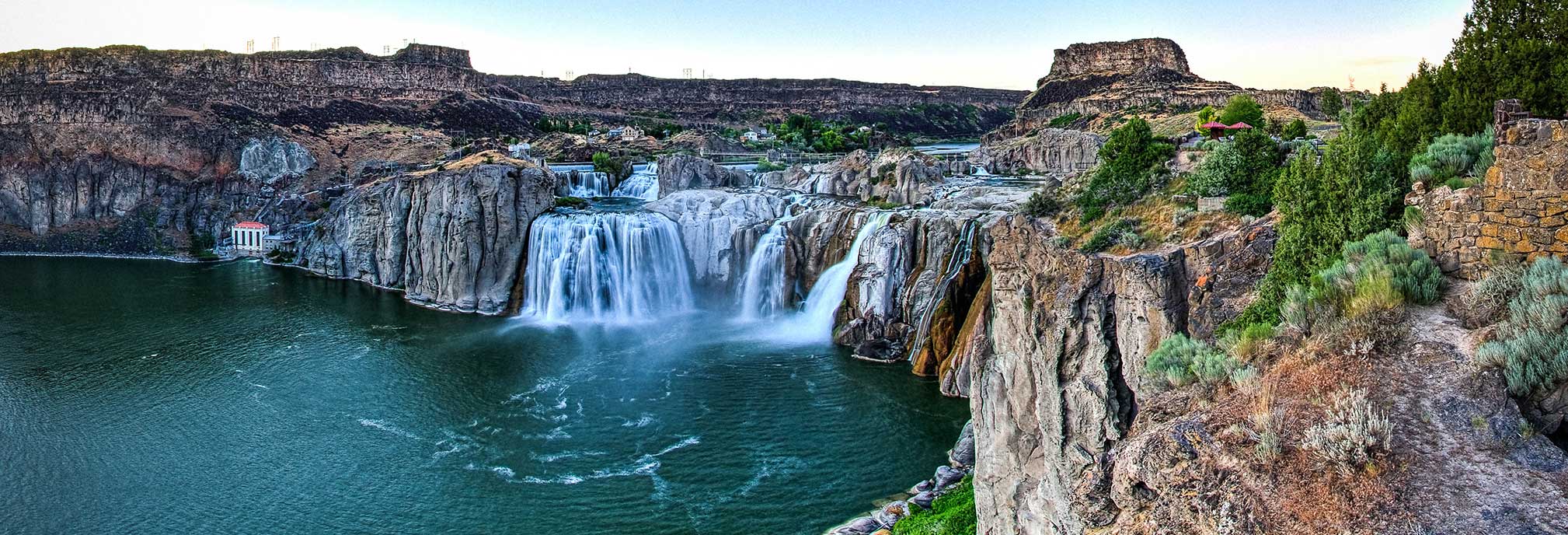
Conversely, the flow can diminish significantly in late summer and fall, especially during dry years. While the falls remain a beautiful sight year-round, visiting during the peak flow periods offers the most dramatic and impressive experience. For those interested in photography, the soft light of early morning or late afternoon can enhance the beauty of the falls, especially when combined with the mist. It is advisable to check local conditions and flow rates before planning your visit, particularly if experiencing the full power of the falls is a priority.
Viewing and Access Points
Several well-designed viewing areas provide excellent vantage points for observing Shoshone Falls. The most accessible and popular is the Shoshone Falls Park, located on the south rim of the Snake River Canyon. This park features paved walkways, observation decks, and picnic areas, making it suitable for visitors of all ages and mobility levels. From these vantage points, you can fully appreciate the width and height of the falls, as well as the intricate patterns of the water as it plunges into the canyon below.
For a different perspective, the north rim of the canyon also offers viewing opportunities, though access may be less developed. These alternative viewpoints can provide a more secluded and intimate experience of the falls and the surrounding canyon landscape. The Perrine Bridge area also offers elevated views looking down into the canyon, though the focus here is less on the falls themselves and more on the vastness of the canyon. Informational signage at various viewing points often provides details about the geology, history, and ecology of the area, enriching the visitor’s understanding.
Amenities and Facilities
The Shoshone Falls Park is equipped with essential amenities to ensure a pleasant visit. These typically include restrooms, picnic tables, and ample parking. For longer stays or for those seeking more comfortable accommodations, the nearby city of Twin Falls offers a wide array of hotels, motels, and vacation rentals. These range from budget-friendly options to more upscale establishments, catering to diverse traveler needs.
Restaurants in Twin Falls provide numerous dining choices, from casual cafes to fine dining establishments, allowing visitors to sample local Idaho cuisine. Visitors are also encouraged to bring their own refreshments, especially if planning to spend an extended period enjoying the scenic beauty of the falls. The presence of these facilities underscores the region’s commitment to providing a welcoming environment for tourists. It is always a good idea to pack essentials such as water, sunscreen, and comfortable walking shoes, especially if you plan to explore beyond the immediate viewing platforms.
The Geological and Historical Significance of Shoshone Falls
Beyond its immediate visual appeal, Shoshone Falls possesses a deep geological history and has played a role in the human narrative of Idaho. Understanding these aspects adds another layer of appreciation to this natural wonder.
Formation of the Falls
The formation of Shoshone Falls is a story etched in the geological history of Idaho. The falls are a direct result of the erosive power of the Snake River acting upon ancient basalt flows. Millions of years ago, volcanic activity in the region created vast plains of hardened lava. Over eons, the Snake River, carving its path across this landscape, encountered these resistant basalt layers. The river’s persistent flow gradually wore away the softer rock, leaving behind the dramatic cliffs over which the water now tumbles.
The sheer volume of water carried by the Snake River, particularly during periods of high flow, has been instrumental in shaping the canyon and the falls. The basalt itself is composed of layers of volcanic rock, and the varying resistance of these layers to erosion has contributed to the complex and varied formations seen within the Snake River Canyon. The falls represent a dynamic geological process, constantly being reshaped by the ongoing action of water and gravity. The geological story of Shoshone Falls is one of immense timescales and the relentless power of natural forces.

Historical Context and Indigenous Heritage
Long before European settlers arrived, the area around Shoshone Falls was a significant territory for Indigenous peoples. Archaeological evidence suggests that Native American tribes, including the Shoshone people, utilized the Snake River and its resources for centuries. The falls likely served as a natural landmark and possibly a source of food, with the river providing abundant fish. The name “Shoshone” itself is a direct acknowledgment of this rich Indigenous heritage, honoring the original inhabitants of this land.
The arrival of pioneers and settlers in the 19th century marked a new chapter in the region’s history. The Snake River and its abundant water resources were crucial for the development of agriculture in the arid landscape of southern Idaho. The falls, while a natural marvel, also presented a formidable obstacle to navigation and development. Over time, however, their spectacular beauty was recognized, leading to their preservation and promotion as a tourist attraction. The historical narrative of Shoshone Falls is interwoven with the stories of Indigenous peoples, explorers, and settlers, all of whom were drawn to the power and beauty of this iconic location. The preservation of the site ensures that its natural and historical significance can be appreciated by future generations.
LifeOutOfTheBox is a participant in the Amazon Services LLC Associates Program, an affiliate advertising program designed to provide a means for sites to earn advertising fees by advertising and linking to Amazon.com. Amazon, the Amazon logo, AmazonSupply, and the AmazonSupply logo are trademarks of Amazon.com, Inc. or its affiliates. As an Amazon Associate we earn affiliate commissions from qualifying purchases.