
Nestled in the Magic Valley region of southern Idaho, Twin Falls stands as a vibrant city with a unique geographic identity and a rich tapestry of natural wonders and human endeavor. Its location is more than just a pin on a map; it’s a gateway to breathtaking landscapes, a hub for agricultural innovation, and a growing center for outdoor recreation. Understanding where Twin Falls is situated provides context for its development, its attractions, and its appeal to both residents and visitors.
Geographical Positioning and Regional Significance
Twin Falls is strategically located in the Snake River Plain, a vast, fertile expanse that defines much of southern Idaho. The city itself is situated in Twin Falls County, serving as its county seat. Its position along the Snake River is paramount to its identity and economic vitality. The river, a mighty force shaping the region, not only provides crucial irrigation for agriculture but also carves out dramatic canyons that are a defining feature of the area’s topography.

Proximity to Major Transportation Corridors
The city’s accessibility is enhanced by its proximity to major transportation routes. Interstate 84 (I-84), a significant east-west highway, passes directly through Twin Falls. This vital artery connects Twin Falls to other major Idaho cities such as Boise to the west and Salt Lake City, Utah, to the southeast. This connectivity is crucial for commerce, facilitating the transport of agricultural products and enabling easier travel for tourists and business professionals alike.
Beyond the interstate, a network of state highways further connects Twin Falls to surrounding communities and rural areas. U.S. Route 93 (US-93), a north-south highway, plays a key role, extending north towards central Idaho and south into Nevada. These routes ensure that while Twin Falls possesses a distinct identity, it remains well-integrated into the broader regional and national infrastructure.
The Magic Valley Context
Twin Falls is the largest city within the Magic Valley region, a designation that encapsulates the agricultural prowess and stunning natural beauty of this part of Idaho. The term “Magic Valley” itself speaks to the transformative power of irrigation, which has turned what was once arid land into a productive agricultural heartland. Twin Falls is at the epicenter of this phenomenon, with vast fields of crops like potatoes, beans, and sugar beets surrounding the city. This agricultural foundation has deeply influenced the city’s culture, economy, and its very character. The Magic Valley is not just a geographical designation but a testament to human ingenuity and the bounty of the land.
Navigating the Local Landscape: Key Features and Attractions
The location of Twin Falls is most famously defined by its namesake natural wonders and the vibrant community that has grown around them. The city’s relationship with the Snake River is central, shaping its identity and offering unparalleled opportunities for exploration.
Shoshone Falls: The Niagara of the West
Perhaps the most iconic natural landmark associated with Twin Falls is Shoshone Falls. Often referred to as the “Niagara of the West,” these magnificent cascades are a breathtaking spectacle, especially during the spring and early summer when the Snake River is at its most powerful. The falls are significantly wider than Niagara Falls and plunge an impressive 212 feet. Located just a few miles east of the city, Shoshone Falls is a major draw for tourists and a source of immense local pride. The surrounding park offers scenic overlooks, walking paths, and picnic areas, making it an ideal destination for a day trip. The sheer power and beauty of Shoshone Falls are a direct result of the geological forces that shaped the Snake River Plain.
Perrine Coulee Falls and the Canyon Rim Trail
Another significant waterfall easily accessible from Twin Falls is Perrine Coulee Falls. This impressive waterfall, though smaller than Shoshone Falls, is unique in that it flows over a dramatic overhang, allowing visitors to walk behind the curtain of water. The Canyon Rim Trail offers a spectacular pathway along the edge of the Snake River Canyon, providing panoramic views of both Perrine Coulee Falls and the vast canyon. This trail is a favorite for hikers, cyclists, and anyone looking to immerse themselves in the natural splendor of the region. The presence of these waterfalls and the dramatic canyon underscore the powerful erosive forces of the Snake River and the unique geological history of the area.
The Snake River Canyon: A Natural Wonder
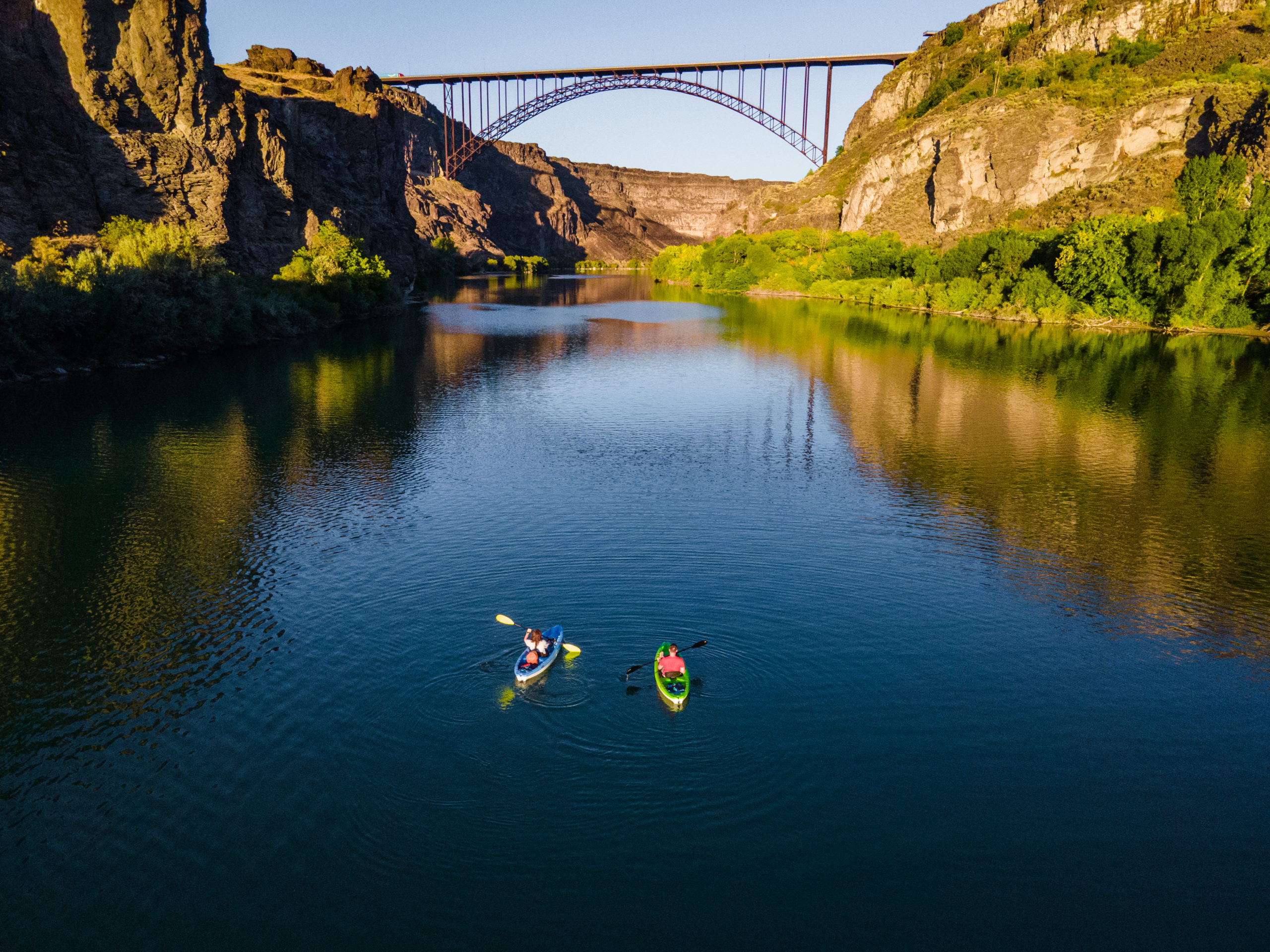
The Snake River Canyon itself is a significant geographical feature that defines the landscape around Twin Falls. This immense canyon, carved over millennia by the Snake River, stretches for miles, showcasing towering basalt cliffs and a diverse ecosystem. The canyon offers not only stunning vistas but also opportunities for adventurous activities like BASE jumping, a sport for which Twin Falls has become internationally known, particularly with events like Jonas Brothers Canyon Day. The Canyon Rim Trail and various viewpoints provide accessible ways for visitors to appreciate the scale and grandeur of this natural marvel. The canyon’s geological formation is a testament to the dynamic geological processes that have shaped Idaho.
Economic and Cultural Landscape
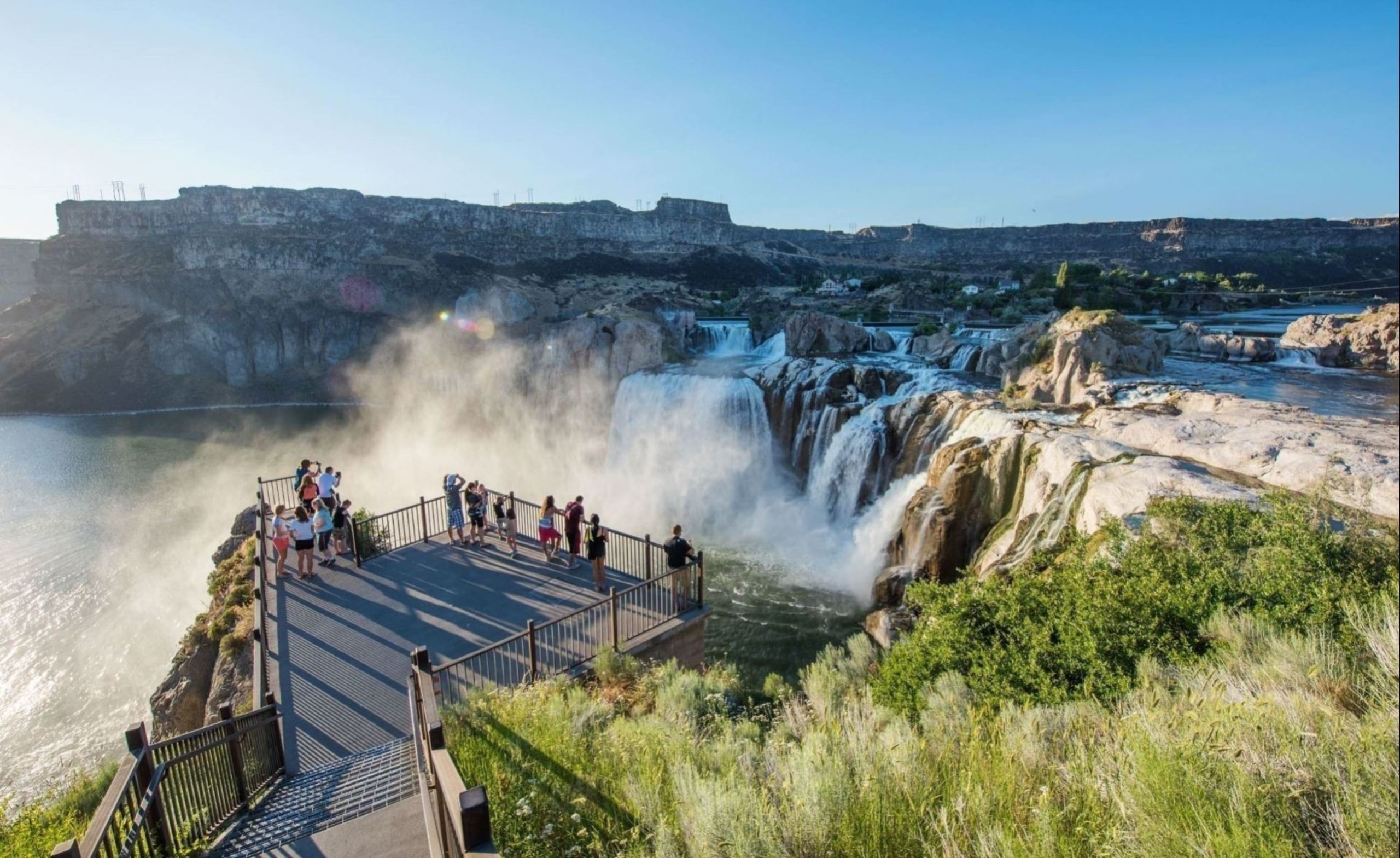
The location of Twin Falls has profoundly shaped its economic and cultural development. Its fertile surroundings have made agriculture the bedrock of its economy, while its natural beauty has fostered a growing tourism sector.
Agricultural Hub of the Magic Valley
As the principal city of the Magic Valley, Twin Falls serves as a crucial hub for the region’s robust agricultural industry. The rich volcanic soil, combined with extensive irrigation systems fed by the Snake River, supports a diverse array of crops. Dairy farming, beef production, and the cultivation of potatoes, beans, and sugar beets are particularly significant. This agricultural foundation has led to the establishment of numerous food processing plants and related businesses in and around Twin Falls, creating a strong economic base and a unique rural-urban dynamic. The presence of companies like the Clairborne & Miller Dairy highlights the integral role of agriculture in the local economy.
Growing Tourism and Outdoor Recreation
The spectacular natural attractions in and around Twin Falls, particularly Shoshone Falls and the Snake River Canyon, have increasingly drawn tourists. The city is actively promoting its outdoor recreational opportunities, which extend beyond the waterfalls. Activities such as hiking, fishing in the Snake River, boating, and exploring nearby Perrine Memorial Bridge (the only legal BASE jumping bridge in the United States) attract visitors throughout the year. The development of infrastructure to support tourism, including lodging and dining options, further enhances its appeal as a destination. The Twin Falls Visitor Center is a key resource for those looking to explore the area’s attractions.
Community and Lifestyle
The people of Twin Falls often describe their community as friendly and welcoming, reflecting a blend of agricultural heritage and modern growth. The city offers a high quality of life with a lower cost of living compared to many larger metropolitan areas, while still providing access to amenities and services. The proximity to natural beauty encourages an active outdoor lifestyle. The community is served by essential services and institutions, including the Saint Luke’s Magic Valley Medical Center, contributing to the overall well-being of its residents. The blend of a strong work ethic rooted in agriculture and an appreciation for the natural environment defines the lifestyle in Twin Falls.
Exploring Beyond Twin Falls: Day Trips and Nearby Attractions
While Twin Falls itself boasts significant attractions, its strategic location makes it an excellent base for exploring the wider wonders of southern Idaho and beyond. The surrounding region offers a wealth of natural beauty, historical sites, and recreational opportunities.
Craters of the Moon National Monument and Preserve
A must-visit destination for any traveler in the region is Craters of the Moon National Monument and Preserve. Located approximately 90 miles north of Twin Falls, this surreal landscape of volcanic cones, lava flows, and sagebrush offers a glimpse into the raw power of geological forces. The monument preserves one of the most extensive and diverse examples of volcanic activity in the contiguous United States, dating back thousands of years. Hiking through the lava fields, exploring lava tubes, and learning about the region’s volcanic history provides a unique and unforgettable experience. The vastness and otherworldly nature of Craters of the Moon stand in stark contrast to the lush agricultural lands surrounding Twin Falls, showcasing the diverse geology of Idaho.
The Sawtooth National Recreation Area
For those seeking more mountainous terrain and alpine beauty, the Sawtooth National Recreation Area is within reach for a longer day trip or an overnight adventure. Situated roughly a few hours northwest of Twin Falls, this vast wilderness area is renowned for its dramatic granite peaks, pristine alpine lakes, and extensive network of hiking trails. The Sawtooth Mountains are a majestic backdrop for outdoor pursuits like backpacking, fishing, kayaking, and wildlife viewing. While a longer drive, the unparalleled natural splendor of the Sawtooths offers a rewarding experience for nature enthusiasts looking to explore the diverse landscapes of Idaho.
Sun Valley: A Premier Ski and Resort Destination
Further north and west of Twin Falls lies Sun Valley, a world-renowned resort town celebrated for its upscale amenities, excellent skiing, and vibrant cultural scene. While a more significant drive, Sun Valley offers a different kind of attraction, blending luxury with outdoor adventure. Visitors can enjoy downhill skiing, snowboarding, ice skating, and a variety of summer activities like hiking and mountain biking. The town itself boasts charming shops, fine dining, and a rich history associated with its early days as a premier winter destination. Its accessibility from Twin Falls makes it a viable option for those looking to experience a different facet of Idaho‘s recreational offerings.
Conclusion: A City Defined by Its Location
In essence, Twin Falls, Idaho, is a city whose identity is inextricably linked to its geographical setting. Situated in the fertile Snake River Plain of southern Idaho, it benefits from the agricultural bounty provided by the Snake River and its irrigation systems, making it the heart of the Magic Valley. Its iconic natural landmarks, most notably Shoshone Falls and the dramatic Snake River Canyon, are not just attractions but defining features that draw visitors and shape the local lifestyle.
The city’s strategic location along Interstate 84 ensures it is well-connected, fostering both economic growth and accessibility for travelers. From its agricultural roots to its burgeoning tourism and outdoor recreation scene, Twin Falls offers a unique blend of natural beauty, economic vitality, and community spirit. Understanding its location is key to appreciating the resources that have shaped its past, the opportunities that define its present, and the potential that lies ahead for this dynamic Idaho city. Whether drawn by the thundering waterfalls, the vast agricultural landscapes, or the adventurous spirit of the Snake River Canyon, Twin Falls proves to be a destination that offers more than just a place on the map – it offers an experience deeply rooted in its remarkable setting.
LifeOutOfTheBox is a participant in the Amazon Services LLC Associates Program, an affiliate advertising program designed to provide a means for sites to earn advertising fees by advertising and linking to Amazon.com. Amazon, the Amazon logo, AmazonSupply, and the AmazonSupply logo are trademarks of Amazon.com, Inc. or its affiliates. As an Amazon Associate we earn affiliate commissions from qualifying purchases.