
Reintroducing the Ghost of the Prairies
The question, “Are there wolves in Kansas?” often conjures images of vast, untamed wilderness, a romanticized notion of the American West. For many, Kansas is synonymous with rolling plains, agriculture, and endless horizons—a landscape seemingly devoid of apex predators. However, the history and ecological present of the Sunflower State tell a more complex and intriguing story. While the fearsome gray wolf (Canis lupus) has been absent from Kansas for nearly a century, its spirit, and perhaps its distant kin, may be returning, albeit in a different guise. This exploration delves into the historical presence of wolves, the reasons for their disappearance, and the compelling evidence suggesting a resurgence, primarily through the Eastern wolf and its hybrid descendants.
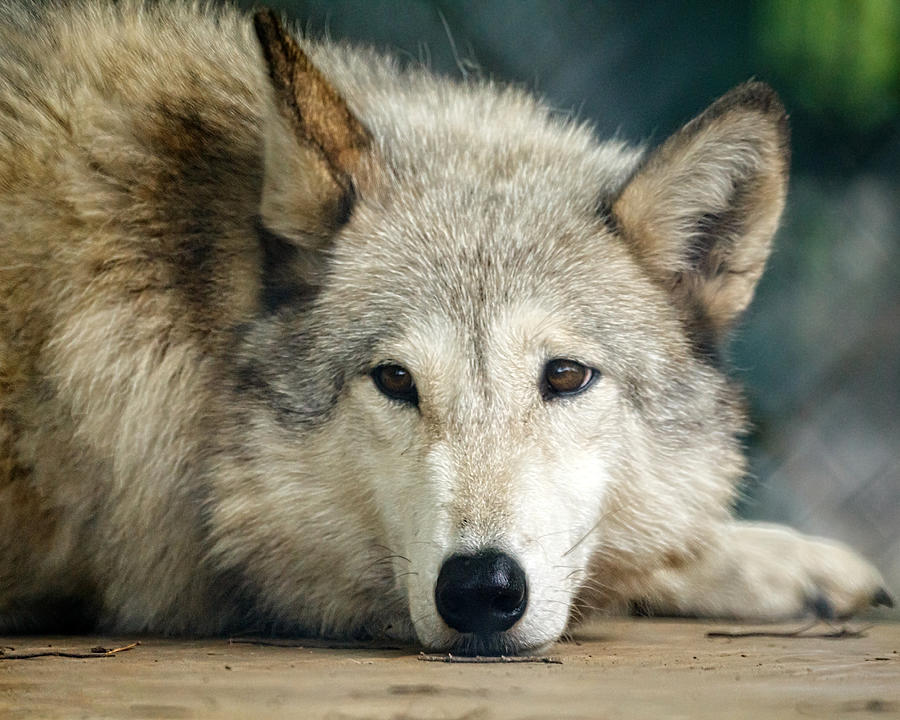
The narrative of wolves in Kansas is intrinsically tied to the westward expansion of the United States and the transformation of the American landscape. European settlers, driven by notions of taming the wild and protecting livestock, systematically eradicated large predators. Wolves, perceived as threats to livestock and game populations, were hunted, trapped, and poisoned with ruthless efficiency. By the early 20th century, the iconic howl of the gray wolf had been silenced across most of its historical range, including Kansas. The last confirmed sighting of a gray wolf in Kansas dates back to the late 1920s or early 1930s. This marked the end of an era, a chapter closed in the ecological history of the state.
The absence of wolves, however, created an ecological void. Without these natural regulators, prey populations could fluctuate unchecked, potentially impacting vegetation and the balance of other species. The desire to restore ecological integrity and reintroduce keystone species has become a significant focus for wildlife conservationists and agencies across North America. While reintroducing the historically native gray wolf to Kansas faces immense challenges—including habitat fragmentation, public perception, and the availability of suitable prey—the possibility of other canid species, or hybrids, filling a similar ecological niche is a topic of ongoing scientific interest and public debate.
The Eastern Wolf and its Kansas Connection
The question of wolves in Kansas today often leads to discussions about the Eastern wolf (Canis lycaon). This species, once thought to be a subspecies of the gray wolf, is now recognized as a distinct species with a complex genetic history, sharing ancestry with both gray wolves and coyotes. The Eastern wolf historically ranged through eastern North America, including parts of the Great Lakes region and as far south as the Appalachian Mountains. Its presence in Kansas is not directly as a native species but as a potential migrant or as a component of hybrid populations.
Recent genetic studies and wildlife surveys have provided compelling evidence that wolves, or wolf-like canids, are indeed present in Kansas. These animals are not the pure gray wolves of historical accounts but are often identified as Eastern wolves or hybrids—creatures with a genetic makeup that includes both wolf and coyote ancestry. These hybrids, sometimes colloquially referred to as “coywolves” or “eastern coyotes,” possess a unique set of characteristics, blending the size and predatory behaviors of wolves with the adaptability and resourcefulness of coyotes.
The U.S. Fish and Wildlife Service and state wildlife agencies have been actively monitoring these populations. Camera traps, scat analysis, and genetic testing of collected samples are providing crucial data to understand the extent and genetic composition of these returning canids. The presence of these animals is a testament to the resilience of wildlife and the dynamic nature of ecological processes. As habitats shift and human landscapes evolve, species adapt and sometimes re-colonize areas they were previously extirpated from.
Understanding the Hybridization Phenomenon
The hybridization between Eastern wolves and coyotes is a significant factor in the modern canid landscape of North America. This interbreeding has occurred as coyote populations expanded their range northward and eastward, encountering dwindling populations of native wolves. The resulting hybrids often exhibit traits that allow them to thrive in a variety of environments, including those impacted by human development.
These animals can be larger than pure coyotes, possess different vocalizations, and exhibit a wider range of prey selection. Their ability to adapt to agricultural lands, forest edges, and even suburban areas makes them particularly successful in regions like Kansas. The genetic exchange is not a sign of decline for the Eastern wolf but rather a complex evolutionary process that has created a new, robust lineage.
Implications for Kansas Wildlife Management
The presence of wolf-like canids in Kansas presents unique challenges and opportunities for wildlife management. For decades, management strategies focused on controlling coyote populations. The emergence of these larger, more powerful hybrids necessitates a reevaluation of these strategies. Understanding the genetic makeup of these animals is crucial for effective conservation and management efforts.
For instance, if these populations are primarily Eastern wolves or Eastern wolf hybrids, they may be subject to different legal protections and management considerations than pure coyotes. Wildlife agencies are tasked with balancing the needs of these expanding canid populations with the concerns of livestock producers and the broader agricultural community. This involves research into their diet, reproductive success, and impact on native wildlife.
Signs of Wolf-Like Canids in the Sunflower State
Identifying wolves, or wolf hybrids, in Kansas is a complex task, often relying on a combination of anecdotal evidence, expert observation, and scientific data. Unlike the widespread and easily recognizable presence of coyotes, wolf-like canids can be elusive and their appearance can vary significantly. However, several indicators have led wildlife biologists to conclude that these animals are not merely a figment of imagination.
One of the most compelling pieces of evidence comes from the physical characteristics observed in captured or photographed animals. These canids are often larger than typical coyotes, with broader heads, longer legs, and a more lupine facial structure. Their coats can exhibit a range of colors, from gray and brown to reddish hues, often with distinctive markings. Their behavior also tends to differ from coyotes; they may hunt in larger packs and display a greater degree of boldness or territoriality.

The Kansas Department of Wildlife and Parks has documented instances that strongly suggest the presence of these animals. Reports from hunters, ranchers, and wildlife enthusiasts, when corroborated by photographic evidence or genetic analysis, contribute to a growing body of knowledge. The Kansas landscape, with its extensive rural areas, vast agricultural fields, and pockets of natural habitat, provides ample territory for these adaptable canids to inhabit and move through.
Vocalizations: A Clue to Their Identity
One of the most evocative signs of wolf presence is their vocalization. While coyotes are known for their distinctive yips and howls, wolf howls are typically longer, more resonant, and carry farther. Reports of deep, sustained howls echoing across the Kansas prairie, distinct from typical coyote sounds, have been a recurring theme in anecdotal accounts.
Researchers are working to catalog and analyze these vocalizations. Sophisticated audio recording equipment, deployed in areas where wolf-like canids are suspected, can capture and differentiate between the calls of various canid species. This acoustic data, when combined with visual and genetic evidence, provides a more comprehensive picture of the canid population in Kansas.
Scat Analysis and Genetic Fingerprinting
Modern science offers definitive methods for identifying species. The analysis of scat (feces) and hair samples collected from the wild provides a treasure trove of genetic information. DNA extracted from these samples can reveal the species composition of the canids present.
Through these methods, researchers have confirmed the presence of Eastern wolf DNA, as well as a significant degree of hybridization with coyotes, in samples collected from Kansas. This genetic fingerprinting is invaluable for understanding population dynamics, migration patterns, and the degree of genetic exchange occurring. It moves the question from speculation to scientific certainty, confirming that animals with wolf ancestry are now part of the Kansas ecosystem.
Conservation and Coexistence in Modern Kansas
The reemergence of wolf-like canids in Kansas is not just an ecological curiosity; it carries significant implications for conservation efforts and the human-wildlife relationship within the state. As these animals establish a presence, it becomes crucial to foster an environment of understanding and coexistence.
For many residents of Kansas, the idea of wolves returning is met with a mixture of awe, concern, and perhaps a touch of apprehension. The historical narrative of wolves as dangerous predators, coupled with the economic realities of livestock farming, fuels some of these concerns. However, modern conservation science emphasizes the ecological benefits of apex predators and the importance of integrating them back into the landscape responsibly.
The Kansas Department of Wildlife and Parks, along with other state and federal agencies, plays a vital role in navigating this complex terrain. Their efforts focus on several key areas:
Research and Monitoring
Continued research and monitoring are paramount to understanding the burgeoning wolf-like canid populations. This includes tracking their numbers, range, and genetic diversity. Understanding their dietary habits—what they prey on and how much of it is livestock versus wild game—is essential for developing effective management plans. This scientific data forms the bedrock for informed decision-making.
Public Education and Outreach
Effective conservation requires public buy-in. Educating Kansans about the ecological role of wolves, the nuances of wolf-coyote hybridization, and the steps being taken to manage these populations is crucial. Outreach programs can help dispel myths, address concerns, and foster a sense of shared responsibility for wildlife stewardship. This involves highlighting the positive impacts wolves can have on ecosystem health, such as controlling mesopredator populations and influencing prey behavior.

Conflict Mitigation Strategies
While the presence of wolf-like canids offers ecological benefits, instances of conflict with livestock are inevitable. Developing and promoting effective, non-lethal conflict mitigation strategies is a priority. These can include enhanced fencing, livestock guardian animals, herd management practices, and secure enclosures. When lethal control is deemed necessary, it must be conducted humanely and based on scientific assessment rather than reactive measures. The goal is to minimize conflict and promote harmonious coexistence between humans and wildlife.
The return of wolf-like canids to Kansas is a powerful reminder of nature’s enduring capacity for resilience and adaptation. It challenges long-held perceptions and invites a deeper engagement with the wild landscapes that define the Sunflower State. While the ghost of the gray wolf may have faded, the spirit of the wild, in its new and evolving forms, is once again making its presence felt across the Kansas prairies, urging us to rethink our place within the intricate tapestry of the natural world.
LifeOutOfTheBox is a participant in the Amazon Services LLC Associates Program, an affiliate advertising program designed to provide a means for sites to earn advertising fees by advertising and linking to Amazon.com. Amazon, the Amazon logo, AmazonSupply, and the AmazonSupply logo are trademarks of Amazon.com, Inc. or its affiliates. As an Amazon Associate we earn affiliate commissions from qualifying purchases.