
Kansas, a state often conjured with images of golden wheat fields stretching to the horizon and endless blue skies, might not be the first destination that springs to mind when envisioning a winter wonderland. However, to dismiss the Sunflower State as snow-free would be to miss a significant aspect of its diverse climate and seasonal appeal. Kansas does indeed get snow, and while its snowfall patterns are not as consistently dramatic as those found in more northerly or mountainous regions, winter in Kansas can offer a unique, often beautiful, and sometimes challenging experience for both residents and visitors. Understanding the nuances of a Kansas winter is key to appreciating the state’s full spectrum of offerings, from its charming small towns to its opportunities for outdoor exploration.

Winter in the Sunflower State: A Climate Overview
The climate of Kansas is characterized by its continental nature, meaning it experiences significant temperature variations between seasons. Summers are typically hot and humid, while winters are generally cold. Snowfall is a regular, though variable, feature of these cold months. The state experiences an average annual snowfall that, while modest compared to some regions, is substantial enough to impact daily life and offer a distinct winter ambiance.
Seasonal Snowfall Patterns
The timing and intensity of snowfall in Kansas can vary considerably year to year and across different parts of the state. Generally, the first significant snowfalls tend to occur in late November or early December, with the bulk of the snow accumulation happening in January and February. The snow season typically tapers off in March, although late-season dustings are not unheard of.
Average Snowfall by Region:
- Eastern Kansas: The eastern third of the state, including cities like Kansas City and Topeka, often receives slightly more snowfall than the western parts. This is due to the influence of weather systems moving eastward from the Rocky Mountains and moisture from the Gulf of Mexico. Average annual snowfall here can range from 15 to 25 inches.
- Central Kansas: The central plains, encompassing areas around Wichita and Salina, typically see snowfall totals in the range of 10 to 20 inches annually.
- Western Kansas: The westernmost parts of the state, bordering Colorado, tend to be drier and experience less snow, with annual averages often falling between 10 and 15 inches.
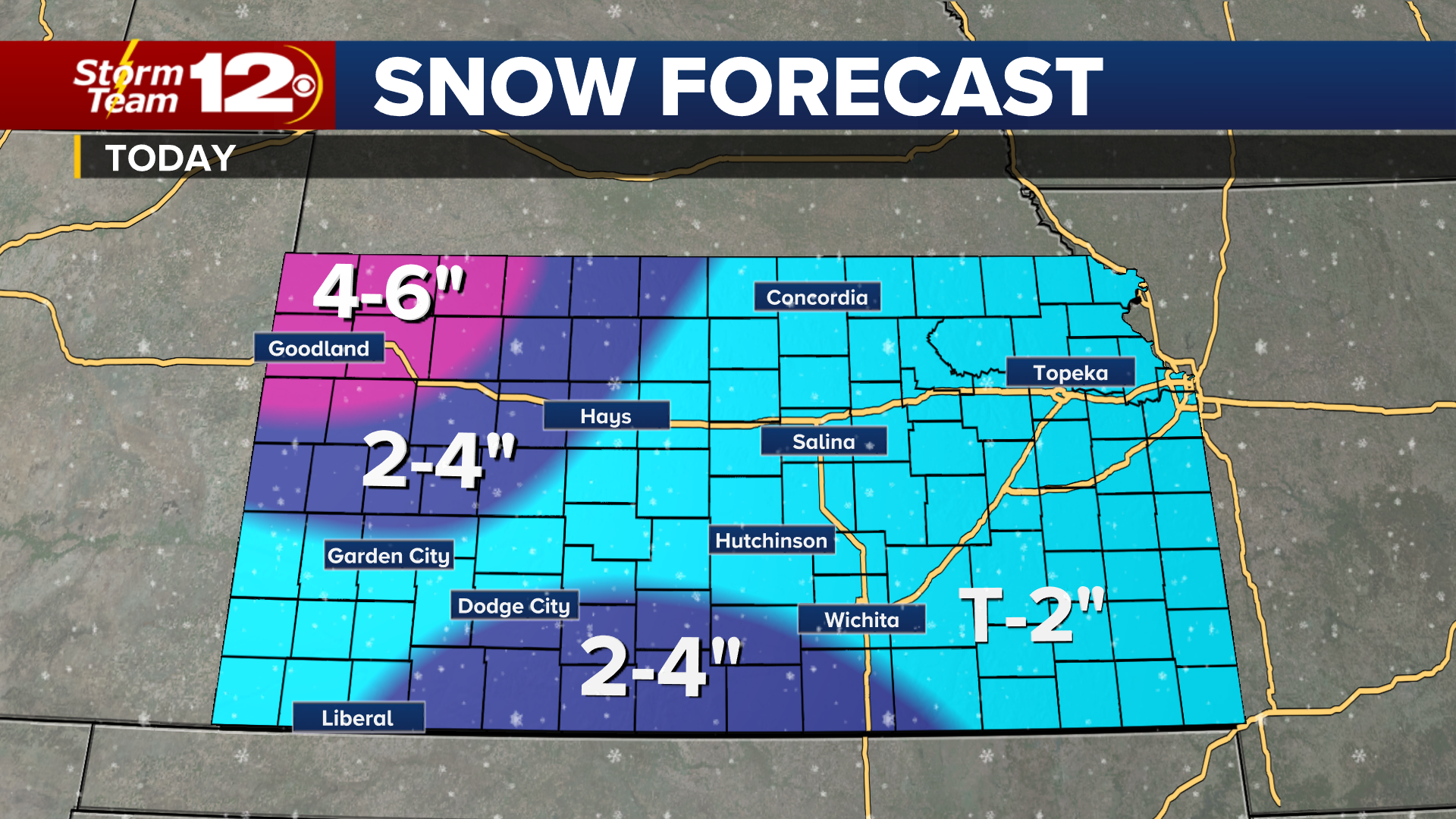
It’s crucial to note that these are averages. A single significant winter storm can drastically alter the seasonal totals, bringing a foot or more of snow to parts of the state in a matter of hours. These events, while not always frequent, are a memorable aspect of a Kansas winter.
The Impact of Snow on the Landscape and Activities
When snow does fall in Kansas, it transforms the typically flat or rolling terrain into a picturesque winter scene. The contrast between the white snow and the subtle hues of dormant prairie grasses and the stark branches of trees creates a quiet beauty. This seasonal transformation opens up a different side of Kansas, one that is often overlooked by those who associate the state solely with its warmer months.
Winter Activities and Attractions:
While Kansas may not boast alpine ski resorts, the snowy landscape provides opportunities for a range of winter pastimes.

- Winter Hiking and Nature Photography: State parks and natural areas, such as Tallgrass Prairie National Preserve or Flint Hills Nature Trail, offer a serene environment for winter exploration. The quietude of the prairie under a blanket of snow is particularly striking. Photographers will find unique opportunities to capture the stark beauty of the landscape, the intricate frost patterns on flora, and the behavior of wintering wildlife.
- Sledding and Snowball Fights: Local parks in cities and towns across Kansas become popular spots for families seeking simple winter fun. Hills that are green in summer transform into natural sledding runs.
- Ice Fishing: Several of Kansas’s lakes and reservoirs, including Milford Lake and Clinton Lake, freeze over sufficiently in colder winters to allow for ice fishing. Popular species targeted include crappie, walleye, and channel catfish. It’s essential for participants to be aware of ice thickness and safety regulations.
- Cozy Town Exploration: Historic downtowns in towns like Lindsborg or Abilene take on a charming, almost storybook quality when dusted with snow. Visitors can duck into warm cafes, browse unique boutiques, and visit local museums, such as the Dwight D. Eisenhower Presidential Library, Museum, and Boyhood Home in Abilene, which offers a fascinating glimpse into the life of the 34th U.S. President.
- Winter Festivals and Events: While less common than summer or fall festivals, some communities host winter events. These might include holiday tree lightings, chili cook-offs, or events that celebrate the unique aspects of winter in the Plains.
Preparing for a Kansas Winter: Travel and Accommodation Tips
For travelers considering a visit to Kansas during the winter months, understanding the climate and its implications for travel and accommodation is paramount. While a snowy Kansas can be enchanting, it also requires a degree of preparedness.
Navigating Winter Weather
The most significant challenge posed by snow in Kansas is its potential to disrupt travel. While major interstates like I-70 and I-35 are typically well-maintained and plowed quickly, secondary roads and rural routes can become hazardous or impassable during and immediately after significant snow events.
Travel Advice:
- Check Weather Forecasts: Always monitor the local weather forecast before and during your trip. Services like the National Weather Service provide detailed and up-to-date information.
- Vehicle Preparation: Ensure your vehicle is equipped for winter driving. This includes having good tires (snow tires are recommended for those experiencing frequent winter weather), a full tank of gas, emergency supplies (blankets, water, non-perishable food, flashlight, first-aid kit), and ensuring windshield wipers are in good working order with adequate washer fluid.
- Flexibility: Be prepared to adjust your travel plans if severe weather is forecasted. Road closures can occur, and driving conditions can deteriorate rapidly.
- Allow Extra Time: If you must drive in snowy conditions, allow significantly more time than you would normally. Drive slowly, maintain a safe distance from other vehicles, and avoid sudden braking or acceleration.
- Consider Alternative Transportation: For travel between larger cities, Amtrak train service can sometimes be a more reliable option during winter storms, though delays can still occur. Within cities, ride-sharing services are generally available, but may be less reliable during peak storm activity.
Accommodation Choices
Kansas offers a diverse range of accommodation options, from charming bed and breakfasts to well-known hotel chains. When traveling in winter, comfort and accessibility are key considerations.
Types of Accommodation:
- Hotels and Motels: In cities like Wichita, Kansas City, and Lawrence, you’ll find a wide array of national and independent hotel brands offering various amenities, from indoor pools and fitness centers to on-site dining. These are often the most convenient option during winter, as they provide a warm, dry refuge and are typically located near major roadways. Booking in advance is always recommended, especially if traveling during holiday periods.
- Bed and Breakfasts (B&Bs) and Inns: For a more intimate and local experience, consider a B&B or historic inn, particularly in smaller towns. These can offer unique charm and personalized service, often in beautifully restored historic buildings. Examples can be found in towns known for their historic architecture. Inquire about their winter accessibility and any specific recommendations they might have for local winter activities.
- Vacation Rentals: Platforms offering vacation rentals, such as apartments or houses, can be a good option for families or longer stays, providing more space and the convenience of a full kitchen. It’s important to check reviews regarding snow removal and winter accessibility for these properties.
Winter-Specific Amenities to Look For:
When booking accommodation in Kansas during winter, consider these amenities that can enhance your stay:
- Indoor Pool/Hot Tub: A perfect way to relax and warm up after a day of exploring in the cold.
- On-site Dining: Convenient for days when venturing out in inclement weather is less appealing.
- Complimentary Breakfast: A warm start to the day is always appreciated.
- Fireplaces: Many inns and some hotel rooms offer fireplaces, adding a cozy ambiance to your winter retreat.
- Snow Removal Services: For vacation rentals, inquire about their snow removal policies for driveways and walkways.
By understanding the reality of snow in Kansas and planning accordingly, travelers can discover a less-traveled, yet rewarding, winter destination. The state’s quiet beauty, unique cultural offerings, and welcoming communities provide a different, yet equally engaging, experience when viewed through the lens of a crisp, sometimes snowy, Kansas winter.
LifeOutOfTheBox is a participant in the Amazon Services LLC Associates Program, an affiliate advertising program designed to provide a means for sites to earn advertising fees by advertising and linking to Amazon.com. Amazon, the Amazon logo, AmazonSupply, and the AmazonSupply logo are trademarks of Amazon.com, Inc. or its affiliates. As an Amazon Associate we earn affiliate commissions from qualifying purchases.