
Navigating any city for the first time, or even as a seasoned local, often hinges on understanding its circulatory system: its roads. For travelers, business professionals, and residents alike, the condition and accessibility of Kansas City’s roadways are paramount to a smooth and efficient experience. This exploration delves into the multifaceted reality of driving in Kansas City, examining common perceptions, actual conditions, and the factors influencing daily commutes and visitor exploration.
Understanding the Road Network
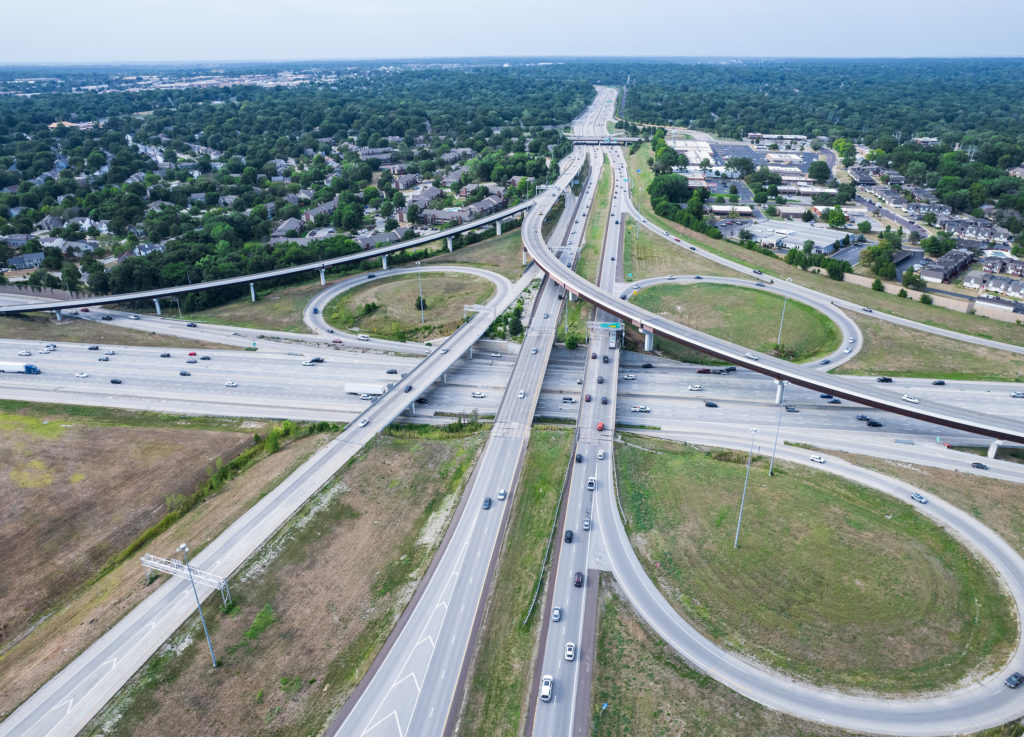
Kansas City, a sprawling metropolis straddling the border of Missouri and Kansas, boasts a complex network of highways, boulevards, and surface streets. This intricate web is designed to connect its various districts, suburbs, and neighboring communities, facilitating the movement of people and goods.

Major Arteries and Their Significance
The city is crisscrossed by a number of major interstates and highways, forming the backbone of its transportation infrastructure.
Interstate Highways
The most prominent arteries include:
- I-70: This east-west interstate is a critical link, connecting downtown Kansas City with both the eastern and western parts of the metropolitan area, as well as providing a major national transit route. Its condition can significantly impact travel times across the city.
- I-35: Running north-south, I-35 is equally vital, linking Kansas City to its southern and northern neighbors. This highway is a key corridor for commuters and freight traffic.
- I-29: Extending from I-35, I-29 heads northwest, serving as a gateway to destinations further north.
- I-435: This outer beltway encircles much of the metropolitan area, offering an alternative route for those bypassing the downtown core and connecting numerous suburban communities.
The condition of these interstates is generally well-maintained, given their federal importance and the constant traffic volume. However, like any major highway system, they are susceptible to wear and tear, leading to periodic construction projects and occasional congestion.
US Highways and State Routes
Beyond the interstates, several U.S. highways and state routes play crucial roles in local and regional travel. These include U.S. 169, U.S. 24, and various state highways that feed into or connect the larger interstate system, offering access to specific neighborhoods and businesses.
Surface Streets and Urban Grids
The dense urban core and numerous suburban neighborhoods are served by a grid of surface streets, boulevards, and avenues. These streets are essential for local navigation, connecting residents to schools, shops, and smaller commercial areas. The quality of these roads can vary more significantly than the major highways, influenced by local municipal budgets and maintenance schedules.
Perceptions vs. Reality: Common Road Conditions
When discussing the roads in Kansas City, a spectrum of opinions emerges. Some drivers report smooth, well-kept roads, particularly on the main thoroughfares, while others lament potholes, inconsistent surfaces, and the impact of weather.
The Impact of Weather
Kansas City experiences a distinct four-season climate, which directly affects road conditions.
- Winter Extremes: Freezing temperatures, snow, and ice can wreak havoc on asphalt and concrete. Freeze-thaw cycles create and exacerbate potholes, while snow removal efforts, though generally efficient, can sometimes lead to temporary road closures or the accumulation of snow and ice in less-traveled areas. Salt and other de-icing agents, while necessary, can also contribute to the deterioration of road surfaces over time.
- Summer Heat: Intense summer heat can also contribute to road stress, particularly in older asphalt sections, leading to softening and rutting under heavy traffic loads.
Maintenance and Infrastructure Investment
The condition of the roads is intrinsically linked to the investment in infrastructure maintenance and repair. Both the Missouri Department of Transportation (MoDOT) and the Kansas Department of Transportation (KDOT) are responsible for different sections of the highways and interstates within the metropolitan area. Local municipalities manage the surface streets.
Funding for road maintenance is a perennial challenge for many cities, and Kansas City is no exception. While significant projects are undertaken, the sheer volume of miles of roadway means that localized issues, such as potholes or cracked surfaces, can persist until they are prioritized for repair.
Navigating Kansas City: Tips for Drivers
For visitors and residents alike, understanding how to navigate Kansas City’s roads can enhance the travel experience.
Understanding Traffic Patterns
Traffic congestion in Kansas City is largely predictable, with peak hours typically occurring in the mornings and late afternoons on weekdays. The interstates, especially I-70 and I-35, can experience significant slowdowns during these times.
- Commuter Routes: Popular commuter routes into and out of downtown, and between major suburban employment centers, are most prone to congestion.
- Event Traffic: Major sporting events at places like Arrowhead Stadium or Kauffman Stadium, or concerts and conventions at the Kansas City Convention Center, can cause temporary but substantial traffic disruptions in surrounding areas.
Utilizing Navigation Tools
Modern navigation apps and GPS devices are invaluable for driving in Kansas City. These tools can:
- Provide Real-Time Updates: They offer live traffic information, rerouting drivers around accidents, construction, or unexpected congestion.
- Suggest Alternative Routes: For those unfamiliar with the city, these apps can be crucial for finding the most efficient paths, whether it’s a highway route or a series of surface streets.
- Identify Road Closures: They can alert drivers to temporary road closures due to construction or special events.
Awareness of Construction Zones
Kansas City, like most growing cities, is constantly undergoing infrastructure improvements. Construction zones are a common sight, particularly during warmer months. Drivers should be prepared for:
- Lane Reductions: Many construction projects involve reducing the number of open lanes, which can significantly slow down traffic.
- Detours: Specific routes may be temporarily closed and rerouted, requiring drivers to follow marked detours.
- Varying Speed Limits: Speed limits are often reduced within construction zones for the safety of workers and drivers.
Adhering to posted signs and exercising caution in these areas is essential for safe travel.
Specific Road Conditions by Area
While a general overview is helpful, the condition of roads can vary significantly depending on the specific area within the Kansas City metropolitan area.
Downtown and the Crossroads
The downtown core and the vibrant Crossroads Arts District often have a mix of well-maintained main thoroughfares and older, potentially more worn, side streets. The presence of numerous businesses, attractions like the Nelson-Atkins Museum of Art, and entertainment venues means constant traffic. Road improvements are frequently undertaken to enhance accessibility and aesthetics.
Suburban Neighborhoods
Suburban areas like Overland Park, Leawood, and Lee’s Summit generally feature newer infrastructure. Roads here tend to be wider and better maintained, reflecting more recent development. However, as these communities age, local road maintenance becomes a more prominent concern for municipal governments.
Industrial and Emerging Areas
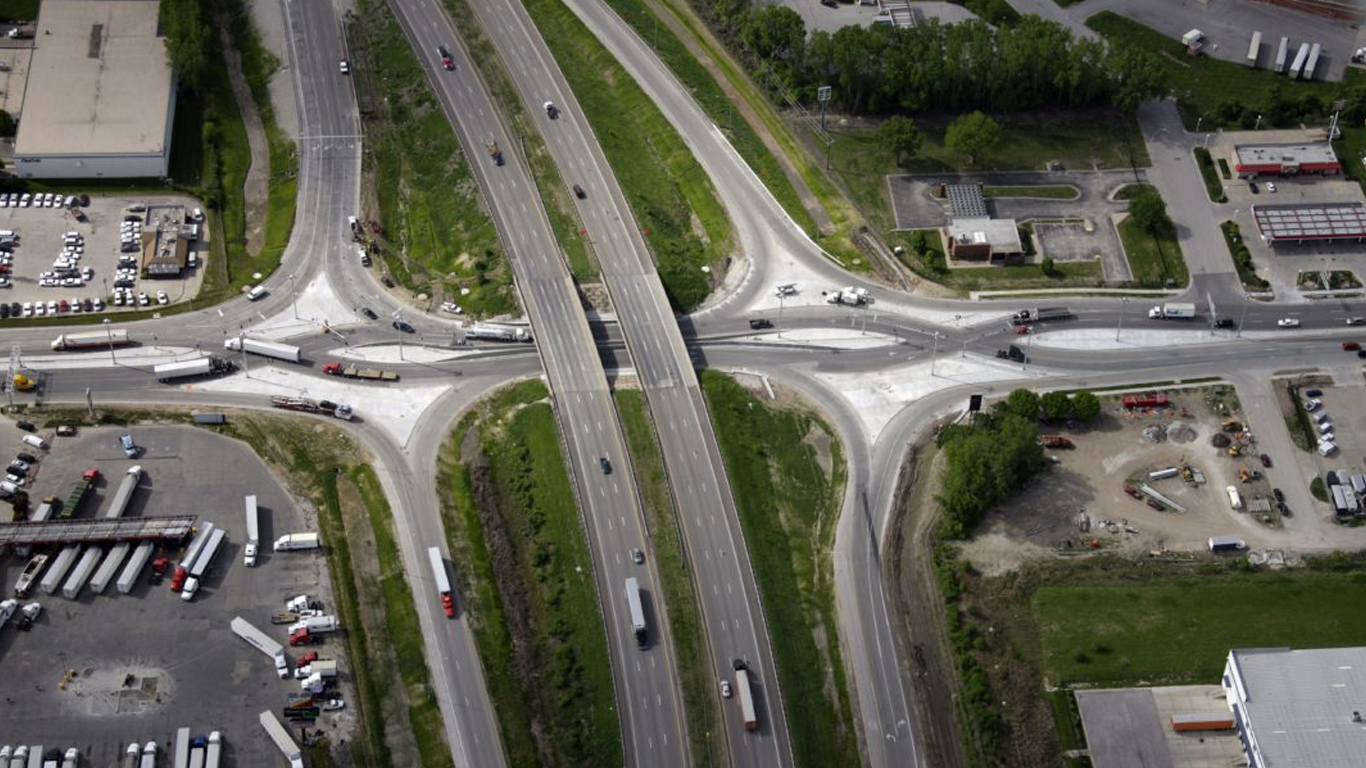
Certain industrial areas or rapidly developing outskirts might have roads that are more heavily used by commercial vehicles, potentially leading to more wear and tear. These areas are often subject to ongoing improvements as development progresses.
Conclusion: A Dynamic Road Network
In summation, the roads in Kansas City present a dynamic and evolving picture. While the major interstate highways are generally in good condition and provide efficient transit, the quality of surface streets can vary. Factors such as weather, maintenance funding, and the pace of development all play a role in shaping the driving experience. For anyone traveling through or living in Kansas City, staying informed about traffic conditions, utilizing navigation technology, and exercising patience, particularly around construction zones, will undoubtedly lead to a smoother journey. The city’s commitment to infrastructure improvement, while facing ongoing challenges, ensures that its road network continues to adapt and serve its growing population and visitors.
LifeOutOfTheBox is a participant in the Amazon Services LLC Associates Program, an affiliate advertising program designed to provide a means for sites to earn advertising fees by advertising and linking to Amazon.com. Amazon, the Amazon logo, AmazonSupply, and the AmazonSupply logo are trademarks of Amazon.com, Inc. or its affiliates. As an Amazon Associate we earn affiliate commissions from qualifying purchases.