
Understanding the cost of a fishing license in Kansas is a crucial first step for any angler planning to cast a line in the Sunflower State. Whether you’re a seasoned angler from out of state or a Kansas resident eager to explore its diverse aquatic offerings, navigating the fee structure is essential for a smooth and legal fishing experience. The fees can vary based on residency, the duration of the license, and the specific type of fishing you intend to pursue. This guide will break down the costs associated with obtaining a fishing license in Kansas, helping you budget effectively and ensure compliance with state regulations.

Understanding Kansas Fishing License Types and Costs
The Kansas Department of Wildlife and Parks (KDWP) is responsible for issuing fishing licenses and managing the state’s fish populations. They offer a range of license options designed to accommodate different needs, from short-term visitors to dedicated residents who fish year-round. The pricing is structured to be equitable, with resident licenses typically costing significantly less than non-resident ones. Understanding these distinctions is key to finding the most cost-effective option for your angling adventures.
Resident Licenses
For Kansas residents, obtaining a fishing license is a straightforward process with several affordable options. To qualify for resident rates, you must have lived in Kansas for at least six consecutive months immediately preceding the application for the license.
Annual Resident Fishing License
The most common and often the most economical choice for residents is the annual fishing license. This license is valid for one year from the date of purchase, providing unlimited fishing opportunities throughout the state during that period.
- Cost: The standard annual resident fishing license typically costs around $27.50. This fee grants access to most public waters, allowing for the pursuit of a wide variety of game fish.
Short-Term Resident Licenses
While the annual license is popular, the KDWP also offers short-term options for residents who may only fish a few times a year or are looking for a more flexible solution.
- 1-Day Resident Fishing License: For those impromptu fishing trips or visits to a favorite Kansas lake, a 1-day license is available. This is particularly useful for trying out a new spot or for younger anglers just starting out.
- Cost: Approximately $10.00.
- 5-Day Resident Fishing License: This option provides a good balance for residents planning a short series of fishing outings within a five-day period.
- Cost: Approximately $18.00.
Special Resident Licenses
Kansas also provides specialized licenses for specific resident groups or activities.
- Youth Resident Fishing License: For young anglers, Kansas offers a discounted license.
- Eligibility: Typically for residents aged 16 to 17.
- Cost: Usually around $10.00. (Note: Residents under 16 generally do not need a license).
- Senior Resident Fishing License: To encourage lifelong engagement with the outdoors, Kansas provides a reduced-cost license for its senior citizens.
- Eligibility: Typically for residents aged 65 and older. Proof of age and residency is required.
- Cost: Often significantly discounted, costing around $15.00.
- Disabled Veteran Resident Fishing License: A special license is available for qualifying disabled veterans.
- Eligibility: Requires proof of a 100% service-connected disability.
- Cost: This license is often offered at a nominal fee, sometimes even free or for a very small administrative charge. For example, it might be around $2.50.
Non-Resident Licenses
Anglers visiting Kansas from out of state will find that non-resident license fees are higher than those for residents, reflecting the state’s commitment to its local fishing resources.
Annual Non-Resident Fishing License
For non-residents who plan to spend an extended period fishing in Kansas, the annual license offers the most comprehensive access.
- Cost: The standard annual non-resident fishing license typically costs around $57.50. This allows for fishing in most public waters throughout the year.
Short-Term Non-Resident Licenses
If your visit to Kansas is brief, short-term licenses can be a more economical choice.
- 1-Day Non-Resident Fishing License: Perfect for tourists or those on a short business trip who want to enjoy a day of Kansas fishing.
- Cost: Approximately $15.00.
- 5-Day Non-Resident Fishing License: Ideal for visitors planning a weekend getaway or a few days of dedicated angling.
- Cost: Approximately $30.00.
- 10-Day Non-Resident Fishing License: For longer visits, this license provides extended fishing privileges across the state.
- Cost: Approximately $42.00.
- 23-Day Non-Resident Fishing License: This option caters to those planning a more immersive fishing experience in Kansas.
- Cost: Approximately $50.00.
Special Non-Resident Licenses
Similar to resident licenses, some special non-resident options may exist, though they are less common. It’s always best to check the KDWP website for the most current offerings.
Combination Licenses
For avid anglers who also hunt, Kansas offers combination licenses that can provide savings by bundling fishing and hunting privileges. These are typically available for residents only.
- Resident Combination Hunting/Fishing License: This license covers both small game hunting and fishing privileges for a full year.
- Cost: Can vary but often represents a cost saving compared to purchasing separate annual licenses for both activities. Expect it to be in the vicinity of $50.00 – $60.00.
Additional Fees and Permits
Beyond the base license fee, there are certain situations and specific fishing activities that may require additional permits or endorsements. These fees are designed to fund specific conservation efforts or to manage particularly popular or sensitive fishing areas.
Trout Fishing Permit

For anglers specifically targeting trout in designated trout waters, an additional permit is required. Kansas manages several streams and lakes for trout populations, and this permit helps fund the stocking and management of these cold-water species.
- Cost: The annual trout permit typically costs around $10.00 for both residents and non-residents. A one-day trout permit is also often available for approximately $5.00. This permit is in addition to your base fishing license.
Second Rod Permit
Kansas law generally allows anglers to use two fishing rods. However, in certain specific waters or under particular conditions, a second rod permit might be necessary. It’s always advisable to check local regulations.
- Cost: If required, this permit is usually a nominal fee, often around $10.00 annually.
Paddlefish and Gar Permit
For the unique pursuit of paddlefish and gar, especially during snagging season, a special permit is generally required. These permits often contribute to the conservation and management of these ancient fish species.
- Cost: This permit typically costs around $12.00 for residents and $27.00 for non-residents.
Special Regulations Permits
Certain protected species or specific management areas within Kansas might have additional permit requirements. Always consult the KDWP regulations guide for the specific area you plan to fish.
Where to Purchase Your Kansas Fishing License
Obtaining your fishing license is a convenient process with multiple avenues available. The Kansas Department of Wildlife and Parks aims to make it easy for both residents and visitors to get licensed.
Online Purchase
The most convenient method for purchasing a fishing license is through the official KDWP website. The online portal allows you to select the appropriate license type, pay securely, and print your license immediately. This is ideal for last-minute preparations or for those who prefer to manage their licenses digitally.
In-Person Purchase
If you prefer a more traditional approach or need assistance, licenses can also be purchased at numerous authorized vendor locations throughout Kansas. These typically include:
- County Clerks’ Offices: Many county offices are authorized to sell fishing licenses.
- Bait and Tackle Shops: Local sporting goods stores and bait shops are common points of sale.
- Walmart Stores: Many Walmart locations across Kansas are equipped to issue fishing licenses.
- KDWP Regional Offices: You can also visit one of the KDWP’s regional offices.
When purchasing in person, be sure to have acceptable forms of identification and proof of residency if applicable.
Important Considerations for Anglers
Beyond the cost of the license, there are other essential aspects to consider to ensure your fishing trip in Kansas is enjoyable and compliant.
Regulations and Season Dates
Fishing regulations, including season dates, size limits, and creel limits, vary by species and water body. It is the angler’s responsibility to be familiar with and adhere to these regulations. The KDWP publishes an annual fishing regulations guide, which is available on their website and at license vendor locations. Ignorance of the law is not an excuse for violations.
Specific Water Body Rules
Some specific lakes, reservoirs, or rivers in Kansas may have unique rules or require additional permits. For instance, areas managed for specific species or under special conservation efforts might have stricter guidelines. Always research the specific regulations for the water body you intend to fish.
License Validity and Renewal
Ensure you understand the expiration date of your license. Annual licenses are valid for 12 months from the date of purchase. It is recommended to renew your license before it expires to avoid any lapses in coverage.
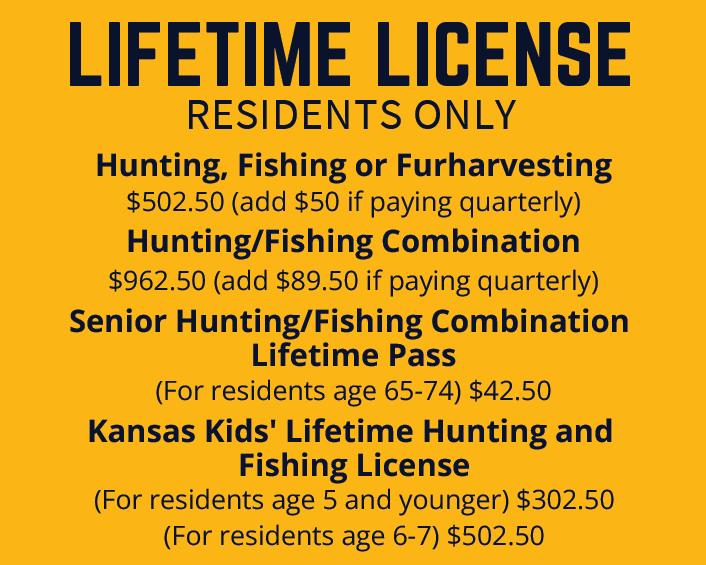
Youth and Senior Exemptions
As mentioned, Kansas residents under the age of 16 generally do not require a fishing license. Similarly, resident seniors aged 65 and older can obtain a significantly discounted license. These exemptions are designed to make fishing accessible to all ages and encourage participation.
Mandatory Reporting
For certain species, like paddlefish, there may be mandatory reporting requirements after a successful catch. Familiarize yourself with these obligations to contribute to conservation data.
By understanding the various license types, associated costs, and additional permit requirements, anglers can confidently prepare for their fishing excursions in Kansas. The fees collected contribute directly to the management and conservation of the state’s valuable aquatic resources, ensuring that future generations can also enjoy the thrill of angling in the diverse waters of Kansas. Whether you are exploring the vastness of Milford Lake or casting a line in a quiet rural creek, a valid fishing license is your ticket to a rewarding outdoor experience.
LifeOutOfTheBox is a participant in the Amazon Services LLC Associates Program, an affiliate advertising program designed to provide a means for sites to earn advertising fees by advertising and linking to Amazon.com. Amazon, the Amazon logo, AmazonSupply, and the AmazonSupply logo are trademarks of Amazon.com, Inc. or its affiliates. As an Amazon Associate we earn affiliate commissions from qualifying purchases.