
When the crisp air of autumn begins to settle over Kansas, and the vibrant hues of fall foliage paint the landscape, it’s a signal for many gardeners to begin preparing their ponds for the coming winter. For those who cultivate the serene beauty of lily pads in their water gardens, this preparation is crucial for ensuring the survival and vigorous return of these aquatic delights come spring. While often perceived as hardy, lily pads and their associated tubers require specific care to navigate the harsh freezes that are characteristic of a Kansas winter. This guide will delve into the essential steps for effectively winterizing your lily pads, safeguarding them against the elements and setting the stage for a stunning display next growing season.
Understanding the Winterization Needs of Lily Pads
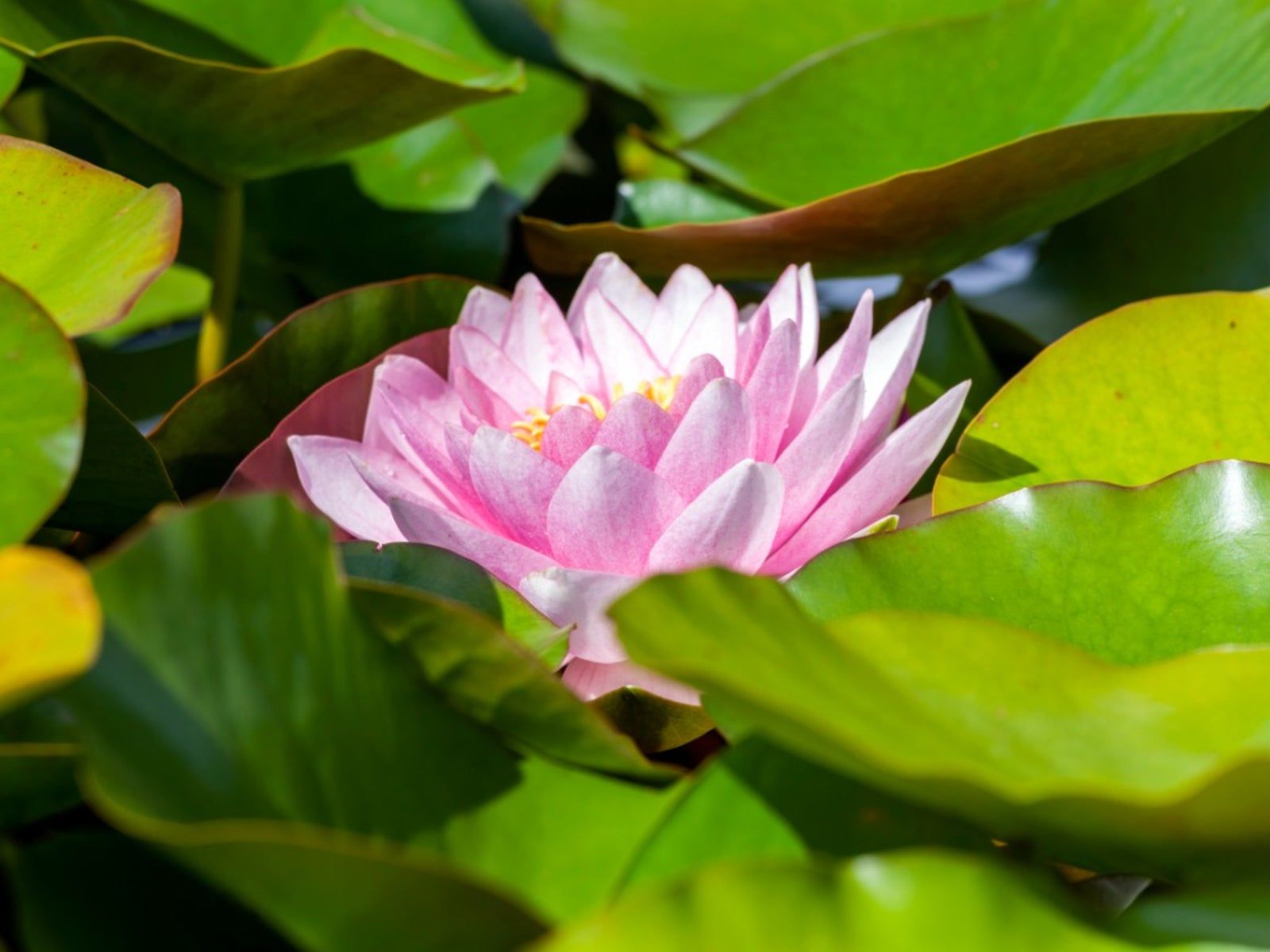
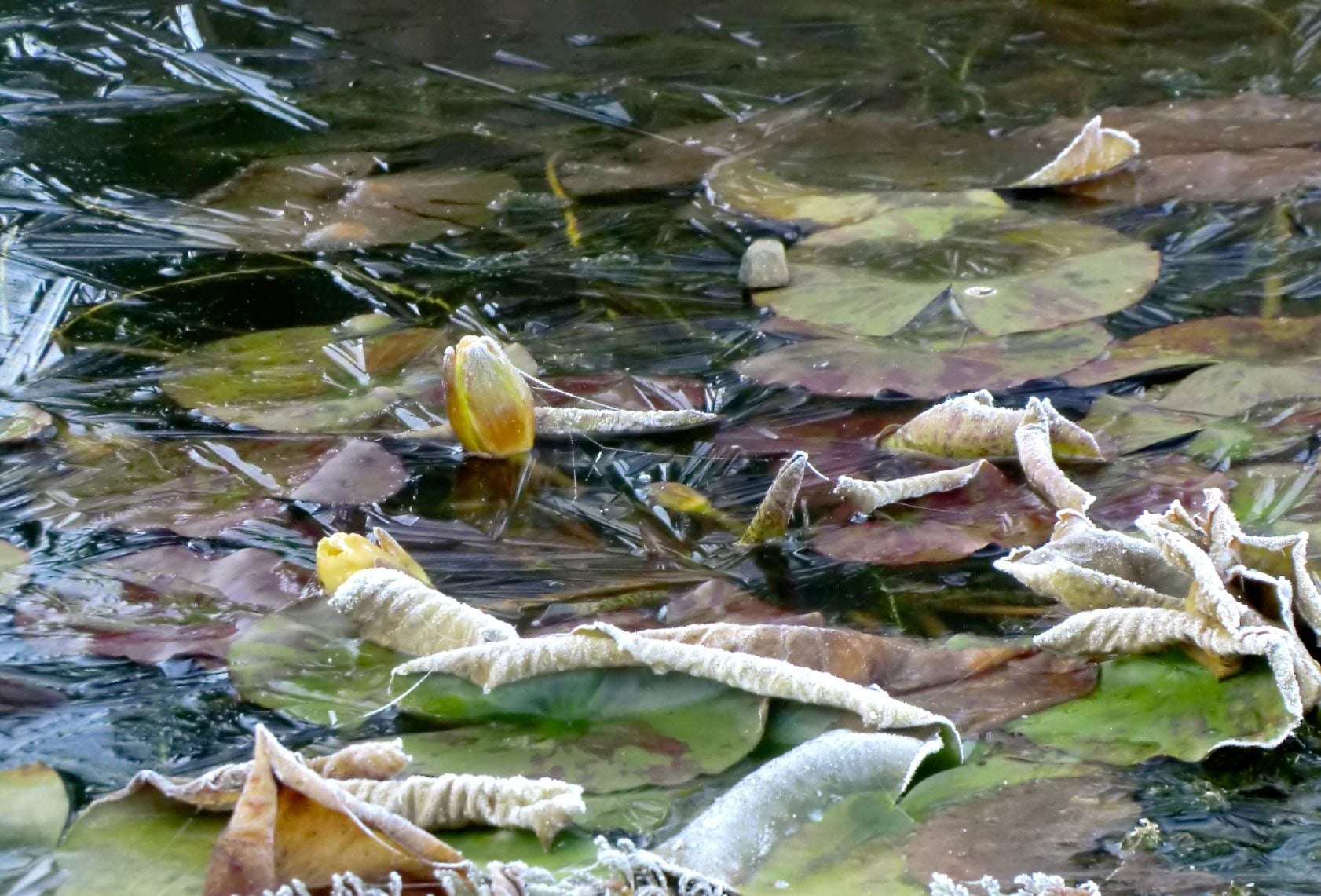
Lily pads, scientifically known as Nymphaea, are aquatic perennial plants. Their survival through winter hinges on protecting their tubers, which are the underground stems that store nutrients and energy. In the warmer months, these tubers produce the leaves and flowers that grace the surface of the pond. However, during the frigid Kansas winters, when pond surfaces can freeze solid, the shallow sections of a pond can become dangerously cold, potentially killing the tubers. Therefore, the primary objective of winterization is to ensure the tubers remain in water that stays above freezing temperatures.
The Importance of Pond Depth
The depth of your pond plays a significant role in how well your lily pads will naturally survive the winter. In deeper ponds, a significant portion of the water column remains unfrozen, even when the surface is covered in ice. A general rule of thumb is that if the deepest part of your pond is at least two to three feet, the tubers are more likely to be insulated by the water below the ice layer. In Kansas, where winter temperatures can be extreme, this natural insulation is paramount. Shallow ponds or those with large expanses of shallow edges present a greater risk to lily pad tubers.
Identifying Different Lily Pad Varieties
While this guide focuses on general winterization practices, it’s worth noting that some lily pad varieties may have slightly different tolerances. Tropical water lilies, for instance, are typically grown as annuals in colder climates like Kansas because they cannot survive freezing temperatures. Hardy water lilies, on the other hand, are well-suited for overwintering. Understanding which type you have will help you determine the best approach. Most water gardeners in Kansas cultivate hardy varieties, making the following methods applicable.
Pre-Winterization Steps: Preparing Your Lily Pads
Before the first frost truly grips the land, several proactive steps can be taken to prepare your lily pads for their dormant period. These actions not only protect the tubers but also contribute to the overall health of your pond ecosystem as it transitions into winter.
The Role of Plant Health
Ensure your lily pads are healthy throughout the growing season. Plants that are stressed by pests, diseases, or nutrient deficiencies will be less resilient to the rigors of winter. Regularly inspect your lily pads for any signs of trouble and address them promptly. A strong, vibrant plant going into dormancy will have a better chance of surviving the cold.
Cleaning the Pond Environment
As the growing season winds down, leaves and other organic debris will begin to accumulate in your pond. This debris decomposes, which can deplete oxygen levels in the water, creating an unhealthy environment. It’s essential to net out as much of this decaying matter as possible before it settles to the bottom and begins to break down significantly. This also helps prevent the pond from becoming too murky, which can hinder light penetration.
Trimming and Pruning
Once the lily pads have stopped producing new leaves and flowers, and existing foliage begins to yellow and die back, it’s time for pruning. Trim away all dead or dying leaves and stems. Leave about an inch or two of stem attached to the plant. This will help you locate the plants later if you decide to move them, and it prevents the decaying material from rotting the tubers themselves.
Winterization Methods for Lily Pad Tubers
The core of winterizing lily pads in Kansas involves ensuring their tubers are kept safe from freezing. This can be achieved through several methods, ranging from utilizing natural pond depth to actively moving the plants to protected environments.
Method 1: Relying on Pond Depth

As mentioned, if your pond has a sufficient depth of at least two to three feet in its deepest sections, your hardy lily pads may overwinter successfully without intervention. The theory is that the water at this depth will remain unfrozen due to the insulating effect of the water above. The ice layer on the surface will act as a blanket, preventing extreme temperature fluctuations in the deeper zones. For this method to be reliable in Kansas, ensure the deepest part of your pond meets or exceeds the recommended depth. Avoid any practices that might disturb the deeper water layers, such as frequent water circulation that could bring warmer surface water down.
Method 2: Relocating Lily Pads to Deeper Water
If your pond is not deep enough to guarantee sub-freezing protection, or if you have ornamental pots containing lily pads, you will need to move them. For potted lily pads, the goal is to place the pots in the deepest part of the pond where they are less likely to freeze. You can achieve this by weighing down the pots with bricks or stones to ensure they sink to the bottom. Alternatively, you can tie buoyant material to the pots, allowing them to float in the deepest section, but this is less secure. If your pond is not deep enough at all, you may need to consider removing the pots and storing them elsewhere.
Method 3: Indoor Storage (for Potted Lily Pads)
This is often the most secure method for potted lily pads, especially in regions with harsh winters like Kansas.
Sub-Method 3a: The Damp Burlap Method
- Remove Lily Pads: Carefully lift the pots from the pond. Gently remove the lily pad plants from their pots, shaking off excess soil.
- Clean the Tubers: Rinse the tubers under cool water to remove any remaining soil or debris. Inspect them for any signs of rot or damage. Discard any tubers that appear unhealthy.
- Prepare Burlap: Soak burlap sacks in water until they are thoroughly damp but not dripping wet.
- Wrap the Tubers: Wrap each healthy tuber individually in a damp burlap sack. Ensure they are completely covered.
- Store in Containers: Place the wrapped tubers in plastic containers or sturdy plastic bags. This will help retain moisture.
- Cool, Dark Storage: Store the containers in a cool, dark place, such as an unheated garage, basement, or even a spare refrigerator set to a temperature between 35-45°F (1.7-7.2°C). The temperature should be cool enough to keep the tubers dormant but above freezing.
- Monitor Moisture: Check the burlap periodically (every few weeks) to ensure it remains damp. If it starts to dry out, re-dampen it. This method effectively simulates the cool, moist conditions of a pond bottom.
Sub-Method 3b: The Water Bucket Method
- Remove and Clean: As with the burlap method, remove and clean the lily pad tubers.
- Place in Buckets: Place the tubers in a bucket or other watertight container.
- Add Water: Fill the container with enough cool, non-chlorinated water to fully submerge the tubers.
- Store: Store the containers in the same cool, dark location as described for the burlap method.
- Water Changes: It is advisable to change the water every two to three weeks to keep it fresh and prevent the buildup of stagnant conditions.
Post-Winterization Care and Spring Revival
Once winter has passed its peak and the threat of hard freezes has diminished, it’s time to begin the process of bringing your lily pads back to life. This transition period is as critical as the winterization itself.
Bringing Potted Lily Pads Back
If you stored your lily pads indoors using either the burlap or water bucket method, it’s time to reintroduce them to their aquatic environment.
- Gradual Reacclimation: Before placing them directly into the pond, allow the tubers to gradually acclimate to room temperature and then to the pond’s temperature. Bring them out of storage a week or two before you plan to replant them.
- Repotting: If the tubers were removed from their pots for storage, it’s a good time to repot them. Use a clean, appropriate-sized lily pot. Fill the pot with a heavy, loam-based soil – avoid soils with added fertilizers, which can be too harsh for dormant tubers. Do not compact the soil.
- Planting: Place the tuber in the pot with the growing tip (where the new shoots emerge) pointing upwards. Cover the tuber with about an inch of soil.
- Placement: Gently place the repotted lily pads back into the pond, preferably in a sunny location. If you are using a deep pond, place them directly on the bottom. If using a shallower pond or a container feature, ensure they are in a location where they will receive adequate sunlight and where the water depth is appropriate for the specific lily variety.
Observing Pond Conditions
As the pond begins to warm, keep an eye on the water temperature. Avoid adding tropical lilies until the water has warmed sufficiently, typically when night-time temperatures consistently remain above 65°F (18.3°C). Hardy lilies are more tolerant of cooler water but will still benefit from warmer conditions for active growth. Continue to monitor for any signs of pests or diseases as the plants begin to emerge.
Fertilization for Spring Growth
Once your lily pads show signs of active growth – new leaves unfurling and stems reaching for the surface – you can begin a regular fertilization schedule. Use aquatic plant fertilizers specifically designed for lilies. These are usually in the form of fertilizer tabs that are pushed into the soil at the base of the plant. Follow the product instructions carefully to avoid over-fertilizing, which can lead to algae blooms and harm your plants.
By diligently following these winterization and revival steps, Kansas water gardeners can ensure their lily pads not only survive the harsh winter months but emerge in the spring with renewed vigor, ready to once again adorn their water gardens with their unparalleled beauty. The investment of time and effort in these practices will undoubtedly yield a rewarding aquatic display throughout the warmer seasons.
LifeOutOfTheBox is a participant in the Amazon Services LLC Associates Program, an affiliate advertising program designed to provide a means for sites to earn advertising fees by advertising and linking to Amazon.com. Amazon, the Amazon logo, AmazonSupply, and the AmazonSupply logo are trademarks of Amazon.com, Inc. or its affiliates. As an Amazon Associate we earn affiliate commissions from qualifying purchases.