
Navigating the legal landscape of recording conversations can be a complex undertaking, especially when you’re planning a trip or a business venture in a new locale. For travelers and those considering business stays, understanding the privacy laws of a particular state is crucial. This article delves into the specifics of Kansas‘s approach to consent for recording conversations, a topic that falls under the broader umbrella of Lifestyle considerations for those who travel for business or leisure, and need to be aware of local regulations. While the question might seem niche, it impacts how one might approach business meetings, informal discussions with locals, or even documenting experiences for personal or professional use.
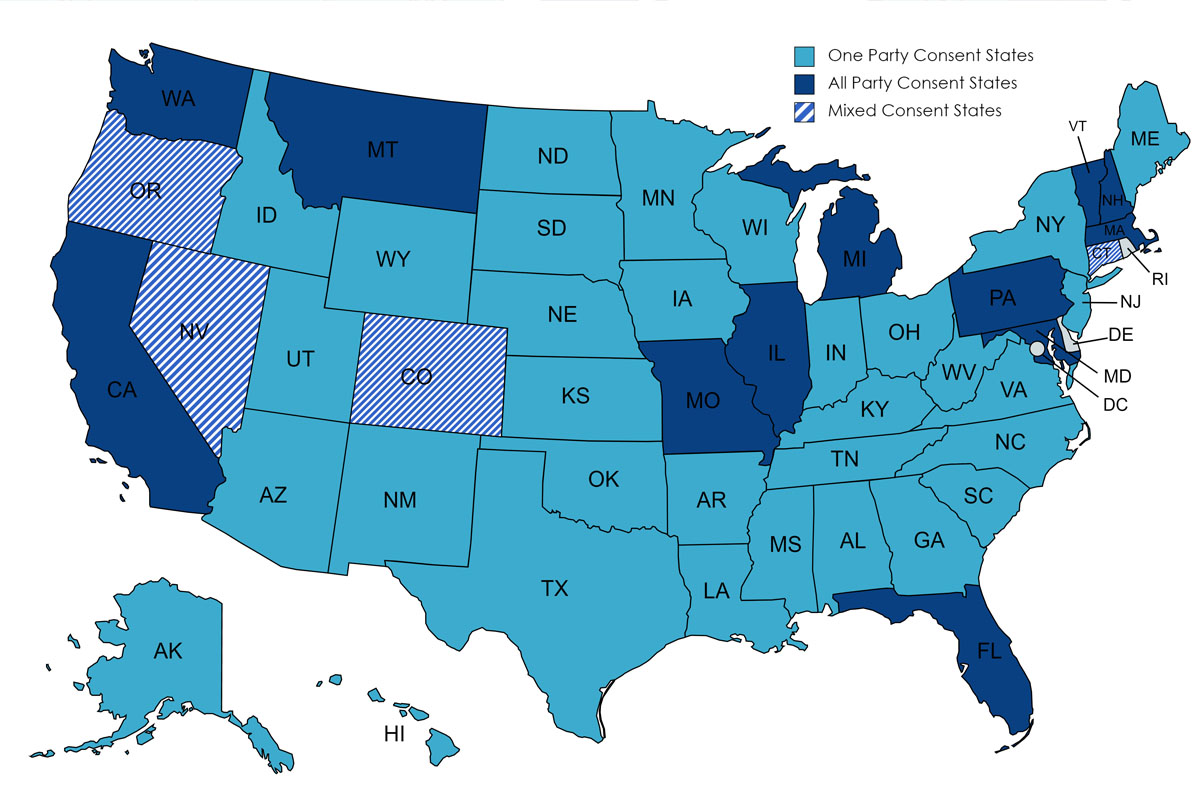
Understanding Consent Laws in Recording Conversations
The core of the issue lies in whether a state requires all parties to a conversation to consent to being recorded, or if just one party’s consent is sufficient. This distinction is paramount and can have significant legal ramifications.
The Spectrum of Consent Requirements
All-Party Consent States: In states with all-party consent laws, every individual involved in a private conversation must give their explicit permission before the conversation can be legally recorded. This is generally considered a stronger stance on privacy, ensuring that no one can be secretly recorded without their knowledge.
One-Party Consent States: Conversely, in one-party consent states, only one person involved in the conversation needs to consent to the recording. This means that if you are a participant in the conversation, you can legally record it without informing or obtaining consent from the other participants.
Why This Matters for Travelers and Business Stays
For individuals traveling to Kansas for business or leisure, understanding these laws is not merely an academic exercise. It has practical implications:
- Business Meetings: If you are conducting sensitive business negotiations or discussions in Kansas, knowing the consent laws will inform how you can document these interactions. Recording a meeting without the necessary consent can lead to legal trouble, including potential civil lawsuits or even criminal charges, depending on the severity and intent.
- Interviews and Research: Journalists, researchers, or even bloggers documenting local culture and experiences might wish to record interviews. Ignorance of the law is not a defense, and proceeding without proper consent could jeopardize their work and reputation.
- Personal Documentation: While less likely to involve high-stakes legal battles, individuals might wish to record personal conversations for memory-keeping or sharing with others. Even in these instances, respecting privacy laws is a matter of ethical conduct.
Kansas’s Position: A Deep Dive
To answer the title’s question definitively, we must examine Kansas‘s specific statutes. The relevant legislation primarily falls under the umbrella of privacy and eavesdropping laws.
Statutory Framework in Kansas
In Kansas, the law governing the interception and disclosure of wire, oral, or electronic communications is found in the Kansas Statutes Annotated (KSA), specifically under Chapter 21, Article 61, concerning privacy and related offenses. The key statute to consider is KSA 21-6101, which deals with the unlawful interception of communications.
KSA 21-6101: The Controlling Statute
KSA 21-6101 generally prohibits the willful interception, attempt to intercept, or procurement of the interception of any wire, oral, or electronic communication where the person has an expectation that such communication is not subject to interception. However, the crucial exception, which defines whether a state is one-party or all-party consent, lies in the wording concerning consent.
Interpreting the Statute: The interpretation of KSA 21-6101, and how it aligns with one-party versus all-party consent, has been a subject of legal analysis. Generally, Kansas is considered a one-party consent state. This means that if you are a participant in a conversation that you have a legal right to be a part of, you can record that conversation without the consent of the other parties involved.
Implications for Visitors and Residents
For anyone traveling to or residing in Kansas, this means that you are legally permitted to record conversations in which you are a participant. This can be incredibly useful for:
- Capturing Important Information: Business travelers can ensure they have accurate records of discussions, agreements, and action items. This can prevent misunderstandings and serve as a valuable reference point.
- Personal Memories: Tourists and visitors who want to capture the essence of their trip might feel more comfortable recording conversations with guides, locals, or travel companions, knowing they are acting within legal boundaries.
- Dispute Resolution: In the unfortunate event of a dispute, a properly obtained recording can serve as objective evidence.
What Constitutes an “Expectation of Privacy”?

It’s important to note that the concept of “oral communication” and “expectation of privacy” still holds weight. The one-party consent law applies to private conversations where parties have a reasonable expectation that their conversation is not being overheard or recorded by others. Recording a public speech, a conversation in a crowded public space where there’s no expectation of privacy, or a communication over a publicly broadcast channel would generally not be covered by these laws and would likely not require consent from anyone.
Furthermore, while Kansas is a one-party consent state for recording conversations you are part of, it’s always prudent to consider the ethical implications. Informing the other party that you are recording, even if not legally required, can foster transparency and goodwill.
Practical Considerations for Travelers to Kansas
When planning your itinerary or business engagements in the Sunflower State, keeping these legal nuances in mind can prevent unforeseen complications.
Business Travel and Meetings in Kansas
If your trip to Kansas involves significant business dealings, consider the following:
- Pre-Meeting Preparation: Before important meetings, familiarize yourself with the specific context. Are these discussions expected to be confidential? Are you in a public space or a private office?
- Device Usage: Be mindful of how you are recording. Using a discreet recording device or a smartphone app is generally acceptable under one-party consent laws, provided you are a participant.
- Company Policies: If you are traveling for a corporation, be aware of your company’s internal policies regarding recording conversations. Some companies may have stricter guidelines than the state law.
- Client Expectations: While legally permissible, it can be good practice to gauge the comfort level of clients or partners. If the conversation feels particularly sensitive, a brief heads-up might be appreciated.
Leisure Travel and Cultural Immersion in Kansas
For those exploring the rich history and culture of Kansas, from the rolling prairies to historic towns like Dodge City or the arts scene in Wichita, the consent laws still apply.
- Documenting Experiences: If you’re interviewing local artisans, historians, or shop owners for a personal travel blog or simply to remember your experiences, you can record these conversations if you are part of them.
- Interactions with Locals: Engaging with the friendly residents of Kansas can lead to memorable conversations. Knowing you can record these interactions can enhance your ability to capture the authentic spirit of your travels.
- Understanding Local Storytelling: Many communities in Kansas have unique stories and traditions. Recording conversations can help preserve these narratives and offer a deeper understanding of the local culture.
Beyond the Recording: Ethical Considerations
While Kansas permits one-party consent for recording, it’s crucial to remember that legality does not always equate to ethical practice.
- Respect for Privacy: Even if not legally mandated, respecting the privacy of others is a fundamental aspect of interpersonal interactions. Consider the potential impact of a recording on the other party’s willingness to speak freely.
- Transparency: In many situations, being transparent about recording can build trust. A simple statement like, “Would you mind if I recorded this for my notes?” can go a long way.
- Purpose of Recording: The intent behind the recording also matters. Is it for personal reference, professional documentation, or potentially to expose or embarrass someone? The latter can have serious ethical and legal repercussions, even if the recording itself was technically legal.
Legal Advice and Further Information
It’s important to state that this article provides general information based on common interpretations of Kansas law. Laws can be complex and subject to change, and specific situations may require nuanced legal analysis.
Seeking Professional Guidance
If you are involved in situations where recording conversations carries significant legal weight, or if you have specific concerns about privacy laws in Kansas or any other jurisdiction, it is always advisable to consult with a qualified legal professional. An attorney specializing in privacy law or telecommunications can provide tailored advice based on the specifics of your situation.
Resources for Travelers
For travelers planning their trips to Kansas, resources such as the official Travel Kansas website can offer information on attractions, accommodations, and local etiquette. While they may not delve into the specifics of recording laws, they can provide a broader context for understanding the state and its people, which can, in turn, inform your interactions.

Conclusion
In summary, Kansas is generally recognized as a one-party consent state regarding the recording of private conversations. This means that as long as you are a participant in the conversation, you have the legal right to record it without the consent of the other parties. This legal framework provides a degree of flexibility for business travelers, tourists, and residents alike, allowing for the documentation of interactions and memories. However, alongside this legal permissibility, it is always wise to consider ethical implications, maintain transparency where appropriate, and seek professional legal advice for any situation with significant legal ramifications. Understanding and respecting these nuances ensures a smoother, more informed, and legally sound experience when visiting or residing in the vibrant state of Kansas.
LifeOutOfTheBox is a participant in the Amazon Services LLC Associates Program, an affiliate advertising program designed to provide a means for sites to earn advertising fees by advertising and linking to Amazon.com. Amazon, the Amazon logo, AmazonSupply, and the AmazonSupply logo are trademarks of Amazon.com, Inc. or its affiliates. As an Amazon Associate we earn affiliate commissions from qualifying purchases.