
Kansas, often heralded as the “Sunflower State,” boasts a vibrant agricultural heritage and breathtaking natural landscapes. While its iconic golden blooms are a defining characteristic, the state’s official designation for its floral emblem offers a deeper insight into its historical and ecological significance. Understanding the Kansas state flower is more than just a trivia point; it connects visitors and residents alike to the very essence of this Midwestern gem, influencing the perception of its natural beauty and agricultural prowess.
The Unveiling of a Floral Icon
The journey to officially recognize a state flower is often a process steeped in civic engagement and a desire to represent the unique flora that thrives within a state’s borders. For Kansas, this endeavor culminated in the selection of a flower that is not only visually striking but also deeply intertwined with the state’s identity and economy.
A Symbol Rooted in Identity
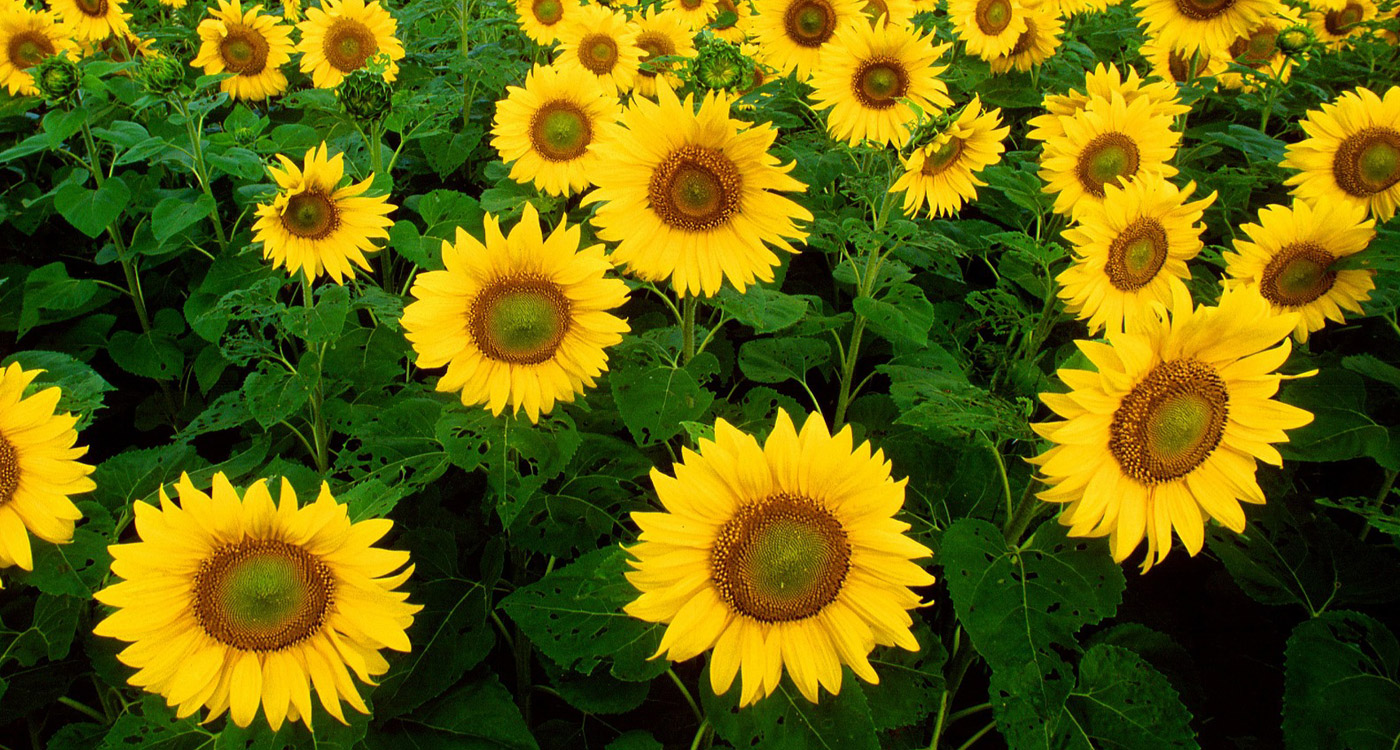
The official state flower of Kansas is the Native Sunflower, specifically Helianthus annuus. This choice is far from coincidental. The sunflower’s image is inextricably linked to the vast, sun-drenched prairies of Kansas, a landscape characterized by its sprawling fields and the relentless optimism of its people. The sight of endless fields of sunflowers turning their faces towards the sun is a quintessential image of the American Midwest, and for Kansas, it’s a powerful symbol of resilience, abundance, and the inherent beauty of its natural environment.
The decision to honor the sunflower was a deliberate act to embrace a plant that is both visually stunning and economically important. Its presence on the plains is a constant reminder of the state’s agricultural strength, particularly in the production of seeds, oil, and ornamental varieties. The sheer scale of sunflower cultivation in Kansas has cemented its status as a visual landmark, drawing the attention of travelers and photographers who seek to capture this golden spectacle.
The Legislative Process and Public Acclaim
The designation of a state flower is typically a matter of legislative action, often driven by the efforts of schoolchildren, garden clubs, and civic organizations. While the exact historical record for the Kansas state flower might be debated in terms of specific advocacy groups, the choice of the sunflower was met with widespread public acclaim and is a point of pride for many Kansans. Its adoption by the state legislature officially recognized what many already felt – that the sunflower was the most fitting emblem for the state.
The legislative act not only bestowed official status but also served to promote the appreciation and conservation of this native species. It encourages residents and visitors alike to recognize and celebrate the natural heritage that the sunflower represents. This recognition extends beyond mere aesthetics; it acknowledges the ecological role the sunflower plays in supporting local wildlife and the economic contributions it makes to the state.
Exploring the Natural and Cultural Significance of the Sunflower
The Native Sunflower is more than just a beautiful bloom; it’s a testament to the natural bounty of Kansas and a cornerstone of its cultural identity. Its characteristics and historical context offer a richer understanding of the state’s heritage.
Botanical Characteristics and Ecological Role
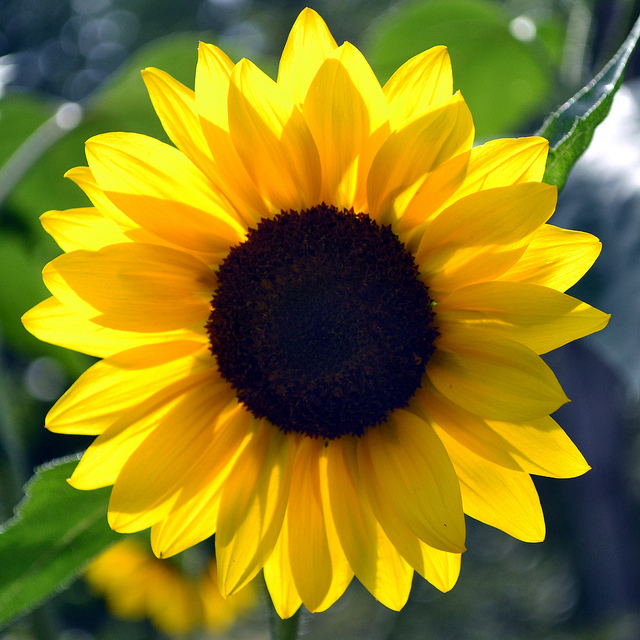
Helianthus annuus, the common sunflower, is an annual plant that belongs to the genus Helianthus, which contains about 70 species of sunflowers. These plants are renowned for their large, daisy-like flower heads, which are typically bright yellow but can also come in shades of orange, red, and brown. The characteristic heliotropism, or the tendency for young flower heads to track the sun’s movement across the sky, is a fascinating aspect that has captivated observers for centuries.
Beyond its visual appeal, the sunflower plays a crucial role in the Kansas ecosystem. Its seeds provide a vital food source for a wide variety of birds and small mammals, contributing to the biodiversity of the prairies. The nectar produced by its flowers also attracts pollinators like bees, which are essential for the reproduction of many native plants. The sunflower’s robust nature allows it to thrive in the challenging conditions of the plains, enduring hot summers and often dry spells, embodying the resilience of the Kansas landscape.
Historical Connections to Kansas
The sunflower has a long and deep historical connection to the land that is now Kansas. Native American tribes cultivated sunflowers for their edible seeds, oil, and medicinal properties long before European settlers arrived. These tribes recognized the plant’s versatility and its ability to provide sustenance and resources. The cultivation of sunflowers was an integral part of their agricultural practices and cultural traditions.
As settlers moved westward, they encountered and adopted the sunflower into their own agricultural systems. Its adaptability to the prairie environment made it a natural fit for the burgeoning farms of Kansas. Over time, the image of vast sunflower fields became synonymous with the state’s identity, capturing the spirit of growth, abundance, and the untamed beauty of the American frontier. This historical legacy continues to resonate today, with the sunflower serving as a constant reminder of the state’s agricultural roots and its enduring connection to the land.
Experiencing the Sunflower State: Attractions and Activities
The designation of the Native Sunflower as the state flower serves as an invitation to explore the natural beauty and cultural richness of Kansas. From its agricultural heartland to its charming towns, the state offers a variety of experiences for visitors.
Sunflower Fields and Agricultural Tourism
The most iconic way to experience the significance of the sunflower is by visiting the state during its blooming season. From late summer into early fall, vast fields of sunflowers transform the Kansas landscape into a breathtaking sea of gold. Many agricultural operations open their fields to the public, allowing visitors to walk among the towering blooms, take photographs, and learn about sunflower cultivation.
- Driving Tours: Scenic drives through rural Kansas offer unparalleled views of sunflower fields. Regions like western and central Kansas are particularly known for their extensive sunflower farming.
- Sunflower Festivals: Numerous towns host annual sunflower festivals, celebrating the harvest with local food, crafts, music, and, of course, plenty of opportunities to enjoy the blooms. These festivals provide an authentic glimpse into the local culture and the importance of agriculture to the community.
- Farm Visits and Workshops: Some farms offer educational tours and workshops where visitors can learn about the agricultural processes involved in growing sunflowers, from planting to harvesting. This hands-on experience offers a deeper appreciation for the effort that goes into producing these iconic crops.
Beyond the Blooms: Exploring Kansas’s Natural and Cultural Heritage
While sunflowers are a major draw, Kansas offers a wealth of other attractions that celebrate its natural beauty and rich history, often with connections to its agricultural past.
- The Tallgrass Prairie National Preserve: Located near Strong City, this preserve protects a significant remnant of the North American tallgrass prairie ecosystem. Visitors can hike through rolling hills dotted with wildflowers, observe native wildlife, and gain an understanding of the environment that the sunflower once dominated.
- Flint Hills National Scenic Byway: This iconic byway winds through the Flint Hills, offering stunning vistas of the native prairie landscape. The rolling hills, often covered in golden grasses in the fall, provide a beautiful backdrop that evokes the same sense of open space and natural grandeur as the sunflower fields.
- Historic Sites and Museums: Kansas is rich in history, from its role in the westward expansion to its significant contributions to the Dust Bowl era. Museums and historic sites, such as the Pioneer Woman Museum in Ponca City, Oklahoma (though just across the border, often visited by Kansans) or the Dwight D. Eisenhower Presidential Library, Museum, and Boyhood Home in Abilene, Kansas, offer insights into the lives and experiences of those who shaped the state. Many of these sites highlight the agricultural foundations upon which Kansas was built.
- Local Cuisine: The culinary scene in Kansas often reflects its agricultural bounty. Visitors can enjoy farm-to-table experiences, taste local specialties like wheat-based dishes, and sample sunflower products like oil and roasted seeds. Exploring the local farmers’ markets is a delightful way to connect with the state’s produce and culinary traditions.
The Enduring Legacy of the Sunflower in Kansas
The Native Sunflower is more than just a botanical specimen; it’s a symbol deeply woven into the fabric of Kansas. Its official designation as the state flower underscores its historical significance, ecological importance, and its enduring place in the hearts and minds of Kansans and visitors alike.
A Continuing Symbol of Hope and Resilience
The sunflower’s ability to thrive in the often harsh conditions of the Great Plains makes it a potent symbol of resilience and optimism. Its bright, cheerful disposition, turning its face towards the sun, mirrors the spirit of the people of Kansas who have historically faced challenges with fortitude and determination. This enduring symbolism continues to inspire, both within the state and beyond its borders.
Educational and Conservation Efforts
The recognition of the sunflower as the state flower has also spurred ongoing educational and conservation efforts. Schools often teach children about the plant’s significance, fostering an appreciation for nature and local heritage from a young age. Organizations dedicated to preserving native flora work to protect sunflower habitats, ensuring that future generations can continue to enjoy their beauty and ecological benefits. These initiatives help to maintain the natural beauty of Kansas and highlight the importance of its agricultural and natural resources.

The Sunflower’s Role in Promoting Tourism
The iconic image of Kansas sunflowers is a powerful draw for tourism. The state actively promotes its sunflower fields and related festivals as key attractions, bringing visitors who are eager to witness this natural wonder. The visual spectacle of the blooming sunflowers contributes significantly to the state’s appeal, encouraging travel and economic activity. It transforms a simple agricultural crop into a celebrated natural landmark, drawing attention to the unique beauty of the American Midwest.
In conclusion, the state flower of Kansas is the Native Sunflower, a choice that beautifully encapsulates the state’s identity, history, and natural splendor. It serves as a constant reminder of the fertile lands, the resilient spirit of its people, and the captivating beauty that defines the Sunflower State.
LifeOutOfTheBox is a participant in the Amazon Services LLC Associates Program, an affiliate advertising program designed to provide a means for sites to earn advertising fees by advertising and linking to Amazon.com. Amazon, the Amazon logo, AmazonSupply, and the AmazonSupply logo are trademarks of Amazon.com, Inc. or its affiliates. As an Amazon Associate we earn affiliate commissions from qualifying purchases.