
Florida, affectionately known as the Sunshine State, is a premier destination for travelers worldwide, renowned for its pristine beaches, vibrant cities, and world-class attractions. However, the quintessential Florida experience is intrinsically tied to its unique and often dynamic weather patterns. Understanding Florida’s climate is not just a matter of curiosity; it’s essential for planning the perfect trip, whether you’re seeking a luxury escape, a budget-friendly family vacation, or a long-term stay. From the balmy, tropical breezes of South Florida to the more temperate climes of Northern Florida, the state offers a fascinating meteorological tapestry that shapes everything from optimal travel times and packing lists to the best activities and accommodation choices.
The state’s geographical position, bordered by the Atlantic Ocean to the east and the Gulf of Mexico to the west, and its proximity to the Caribbean, plays a significant role in defining its weather. This geographic lottery blesses Florida with abundant sunshine for much of the year but also introduces humidity, a distinct rainy season, and the potential for tropical storms and hurricanes. For those planning a visit, delving into the nuances of Florida’s climate is the first step towards an unforgettable journey, ensuring that every itinerary—from exploring the historic streets of St. Augustine to thrilling rides at Walt Disney World Resort or delving into the natural wonders of Everglades National Park—is perfectly aligned with nature’s offerings.
What Defines Florida’s Climate?
At its core, Florida’s climate is largely subtropical, with a distinct tropical influence, particularly in its southern reaches. This blend results in generally warm temperatures year-round, high humidity, and a marked wet and dry season. Unlike many parts of the United States that experience four distinct seasons with significant temperature swings, Florida’s seasonal variations are more subtle, primarily shifting between a warm, wet summer and a cooler, drier winter. This consistent warmth makes it a magnet for those escaping colder climates, driving much of its tourism and long-term accommodation demand.
The Subtropical and Tropical Divide
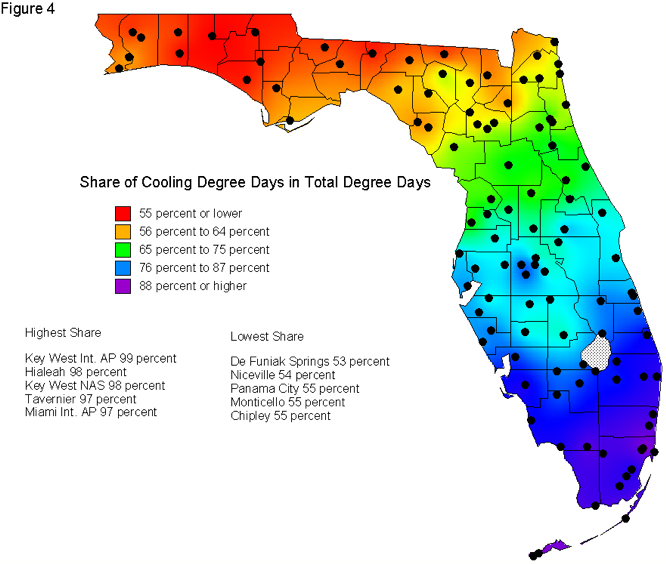
The climate in Florida isn’t uniform across the entire state, a crucial detail for travelers. Northern Florida, including cities like Jacksonville and Tallahassee, experiences a humid subtropical climate, characterized by hotter summers and mild but noticeable winters where temperatures can occasionally dip below freezing, especially inland. This region can see more pronounced cool fronts and even rare instances of frost, making winter travel here a different experience than further south.
Moving south into Central Florida, where major attractions like Universal Orlando Resort are located, the climate remains subtropical but with milder winters and hotter, longer summers. The closer you get to the southern tip of the peninsula, towards cities like Miami and Key West, the climate transitions to a true tropical zone. Here, winters are barely distinguishable from summer in terms of temperature, remaining warm and humid, with a more pronounced wet season that can last for several months. This tropical influence means that palm trees thrive, and outdoor activities are possible almost any day of the year, making beachfront resorts and villas particularly appealing.
The Constant Sunshine and Humidity
Regardless of the specific region, sunshine is a consistent element of Florida’s weather, giving it its famous moniker. The sunniest months are typically from October through May, coinciding with the drier season and prime tourist periods. Even during the wet season, rain showers are often brief and localized, allowing for plenty of sunshine between downpours.
Humidity is another defining characteristic, especially during the summer months. High humidity can make warm temperatures feel even hotter, and it’s a factor to consider for any outdoor activities or when choosing accommodation. Many hotels and resorts throughout Florida are equipped with excellent air conditioning systems, and some even offer dehumidifiers in suites and apartments to enhance guest comfort. For travelers, packing moisture-wicking clothing and planning hydration are key. The humidity also supports the state’s lush natural landscapes, from the cypress swamps of the Everglades to the vibrant botanical gardens found in various cities.
Seasonal Insights for Florida Travelers
Understanding Florida’s seasons is paramount for crafting the perfect travel itinerary, selecting the right resort, and ensuring an enjoyable experience. Each season presents unique opportunities and challenges, influencing everything from hotel prices and crowd levels to the types of activities available.
Winter: The Golden Season (December to February)
Florida’s winter is arguably its most popular tourist season, especially for those fleeing colder climates elsewhere in America. Temperatures are pleasantly mild, ranging from the low 60s°F (15-18°C) in Northern Florida to the mid-70s°F (24-27°C) in South Florida. Humidity is significantly lower, and dry, sunny days are the norm. This makes it an ideal time for exploring outdoor attractions, enjoying the beaches, and participating in water sports.
Travel & Tourism Impact: This peak season sees higher demand for flights, hotels, and vacation rentals. Destinations like Miami, Orlando, and Key West are bustling. Booking well in advance is crucial, particularly for popular resorts and luxury accommodations. Winter is perfect for theme park visits, golf, tennis, and exploring historical landmarks like Castillo de San Marcos in St. Augustine without the intense summer heat. Festivals and outdoor events are abundant, showcasing local culture and cuisine. For budget travelers, considering accommodation slightly off the main tourist strips or booking during the early part of December can offer better value.

Spring: A Brief but Beautiful Transition (March to May)
Spring in Florida offers a delightful transition from the cool, dry winter to the warm, humid summer. Temperatures steadily rise, typically ranging from the mid-70s°F to low 80s°F (24-29°C), with increasing but still manageable humidity. Rainfall begins to pick up towards late spring, signaling the approach of the wet season.
Travel & Tourism Impact: Spring break and Easter holidays bring another surge in visitors, particularly to coastal towns and theme parks. While still popular, crowds might be slightly less intense than peak winter, and hotel prices can be more varied. This is an excellent time for beach vacations, wildlife viewing in places like Everglades National Park, and enjoying outdoor dining at waterfront restaurants. For those interested in family trips, spring offers a good balance of pleasant weather for outdoor activities and fewer concerns about extreme heat or storms.
Summer: Heat, Humidity, and Hurricanes (June to November)
Florida’s summer is characterized by high heat, oppressive humidity, and daily afternoon thunderstorms. Temperatures frequently reach the upper 80s°F to low 90s°F (30-35°C), with “real feel” temperatures often soaring higher due to humidity. This period also coincides with the Atlantic hurricane season, which officially runs from June 1st to November 30th, with peak activity typically from August through October.
Travel & Tourism Impact: While many are deterred by the heat and hurricane risk, summer is a popular time for family travel, especially for those seeking deals outside of peak seasons. Theme parks are busy, but savvy travelers can mitigate the heat by planning indoor activities during the hottest parts of the day, utilizing water parks, and booking hotels with excellent pools and amenities. Resorts often offer competitive rates, making luxury travel more accessible. For long-term stays, rental prices might drop slightly.
It’s crucial to purchase travel insurance and stay informed about weather forecasts during hurricane season. Many hotels and resorts offer hurricane guarantees, allowing for cancellations or rescheduling without penalty. Despite the weather, attractions like the Kennedy Space Center Visitor Complex or indoor museums provide excellent refuge.

Autumn: A Mild and Inviting Interval (September to November)
As summer wanes, Florida’s autumn offers a gradual return to more comfortable conditions. While September and early October still fall within hurricane season and can be quite warm and humid, by late October and November, temperatures become milder, and humidity decreases significantly. This period provides a welcome relief after the intensity of summer.
Travel & Tourism Impact: Autumn, particularly November, is often considered a “sweet spot” for Florida travel. Crowds begin to thin out after the summer rush, and before the winter peak, leading to more relaxed experiences at attractions and potentially better deals on accommodation. The weather is fantastic for outdoor pursuits, from exploring the natural beauty of state parks to enjoying festivals and outdoor concerts. It’s an ideal time for couples’ getaways or those seeking a quieter experience.
Navigating Regional Weather Nuances
While the general seasonal patterns apply statewide, the localized variations in Florida’s weather are significant enough to influence travel plans and expectations for specific destinations.
The Panhandle’s Temperate Touch
The Florida Panhandle, stretching along the Gulf of Mexico in Northern Florida and including cities like Pensacola, experiences the most distinct seasonal shifts in the state. Winters here are cooler, with average lows dipping into the 40s°F (4-9°C) and occasional freezing temperatures. Summers are hot and humid, similar to Central Florida, but the region is also prone to stronger thunderstorms and is susceptible to hurricanes.
Tourism & Lifestyle: The Panhandle is popular for its beautiful white-sand beaches, often dubbed “the Emerald Coast.” Spring and fall are ideal for beach activities, fishing, and outdoor adventures. Winter can be a quieter, more budget-friendly time to visit, especially for those who enjoy cooler weather and fewer crowds. Accommodation ranges from classic beachfront hotels to charming vacation rentals, perfect for family trips.
Central Florida’s Theme Park Climate
Central Florida, home to Orlando’s world-famous theme parks, has a humid subtropical climate with hot, rainy summers and mild, dry winters. Summer brings daily afternoon thunderstorms, which are usually brief but intense, offering a dramatic spectacle before clearing up.
Tourism & Accommodation: Weather-wise, the best times to visit Orlando are spring and fall, when temperatures are comfortable, and humidity is lower. Winter is also pleasant, but holiday periods can bring significant crowds. During summer, many theme parks incorporate water features and indoor attractions to help visitors cool off. Hotels and resorts in Central Florida are adept at catering to all weather conditions, offering expansive water parks, indoor entertainment, and robust air conditioning. Planning around the afternoon showers by visiting indoor attractions or taking a mid-day break is a common strategy for a seamless family trip or business stay.
South Florida’s Tropical Allure
South Florida, encompassing Miami, Fort Lauderdale, and Naples, truly embodies the tropical paradise image. Winters are exceptionally mild and sunny, with temperatures rarely falling below 60°F (15°C). Summers are hot, very humid, and wet, with regular rainfall, but these typically come as short, heavy showers rather than all-day events.
Travel & Lifestyle: This region is a year-round destination, though winter is considered the peak season due to its perfect weather, attracting luxury travelers and snowbirds alike. Miami’s South Beach and Art Deco Historic District are buzzing. The summer offers a more relaxed pace and potentially lower accommodation prices, appealing to budget travelers or those seeking long-term stays. Resorts and hotels here often feature stunning pools and beachfront access, perfect for making the most of the warm climate, regardless of the season.
The Florida Keys: Island Paradise Weather
The Florida Keys, stretching from Key Largo to Key West, boast a truly tropical marine climate, making them distinct even from South Florida. Temperatures here are remarkably consistent throughout the year, with less fluctuation than on the mainland. Winters are dry, warm, and breezy, making it an idyllic escape. Summers are hot and humid, with a pronounced rainy season and the highest risk for tropical cyclones due to their exposed location.
Tourism & Experiences: The Keys are a haven for water enthusiasts, offering world-class snorkeling, diving at spots like John Pennekamp Coral Reef State Park, and fishing year-round. Winter is the most popular time, with perfect conditions for outdoor activities and vibrant local culture. Resorts and boutique hotels in Key West and Islamorada fill up quickly. Summer offers opportunities for quieter experiences, but visitors must be vigilant about hurricane forecasts.
Practical Tips for a Weather-Wise Florida Trip
Preparing for Florida’s weather involves more than just checking a forecast; it’s about smart planning that enhances your overall travel experience and ensures safety.
Packing Smart for Florida’s Climate
Given the state’s pervasive warmth and humidity, light, breathable clothing is a must, even in winter.
- Layering: In winter, especially in Northern and Central Florida, evenings can be cool, so a light jacket or sweater is advisable.
- Rain Gear: Regardless of the season, a compact umbrella or a light rain jacket is a smart addition, particularly for summer’s unpredictable showers.
- Sun Protection: Sunscreen (SPF 30+), hats, and sunglasses are essential year-round to protect against intense UV rays.
- Footwear: Comfortable sandals or breathable shoes are best for walking around theme parks or beaches. Water shoes can be useful for certain water activities.
For those planning long-term stays, consider investing in a few quick-drying items, as laundry can be a challenge with high humidity. Many apartments and villas offer in-unit laundry facilities, a valuable amenity.
Planning Activities Around the Weather
Flexibility is key when vacationing in Florida, especially during the summer.
- Morning Activities: Schedule outdoor activities like beach visits, golf, or theme park excursions for the morning to beat the afternoon heat and potential thunderstorms.
- Indoor Alternatives: Have backup plans for rainy days. Florida boasts excellent museums, aquariums, shopping malls, and entertainment complexes. Many hotels and resorts offer extensive indoor amenities, including spas, fitness centers, and kids’ clubs.
- Water Activities: Embrace the water! Cooling off in the ocean, a hotel pool, or a water park is a popular strategy during warmer months. Clearwater Beach, Siesta Key, and Sanibel Island are renowned for their beautiful waters.
Understanding Hurricane Season Preparedness
While the thought of hurricanes can be daunting, preparedness is the best defense.
- Travel Insurance: Investing in comprehensive travel insurance that covers weather-related cancellations is highly recommended during hurricane season (June-November).
- Stay Informed: Monitor reputable weather sources like the National Hurricane Center and local news outlets. Most hotels and resorts have well-practiced emergency procedures and will keep guests informed.
- Flexible Bookings: When booking flights and accommodation, look for options with flexible cancellation policies, especially if traveling during peak hurricane season. Many resorts, particularly those in vulnerable coastal areas, will offer “hurricane guarantees” allowing guests to rebook or cancel without penalty if a storm threatens.
- Consider Inland Stays: For extreme peace of mind during peak season, consider hotels or villas slightly more inland, like those in Orlando or Tampa, which typically face less direct impact than coastal regions like The Florida Keys or South Florida.
From the bustling streets of Miami to the serene shores of Dry Tortugas National Park, Florida’s weather is as diverse and captivating as its attractions. By understanding its unique climate—the golden winters, the humid summers, and the regional variations—travelers can strategically plan their trips, book the ideal accommodation, and immerse themselves in the rich tourism and lifestyle experiences that the Sunshine State so generously offers. Whether it’s a family adventure to Busch Gardens Tampa Bay, a luxury escape to a beachfront resort, or a long-term stay to soak up the sun, a weather-wise approach ensures a seamless and memorable Florida journey.
LifeOutOfTheBox is a participant in the Amazon Services LLC Associates Program, an affiliate advertising program designed to provide a means for sites to earn advertising fees by advertising and linking to Amazon.com. Amazon, the Amazon logo, AmazonSupply, and the AmazonSupply logo are trademarks of Amazon.com, Inc. or its affiliates. As an Amazon Associate we earn affiliate commissions from qualifying purchases.