
Understanding the time zone of Kansas is crucial for a variety of reasons, from planning your travel itinerary to coordinating business meetings and even understanding local events. While many states operate under a single time zone, the Sunflower State presents a slightly more complex picture due to its geographical positioning and historical adherence to daylight saving time. This article delves into the intricacies of Kansas’s time zones, ensuring you are perfectly aligned with local happenings whether you’re a tourist exploring its attractions or a local managing daily life.
Central Time Zone: The Majority’s Domain
The vast majority of Kansas observes the Central Time Zone (CT). This zone encompasses a significant portion of the United States, stretching from the Great Plains eastward to the Atlantic coast. For those traveling to or within most of Kansas, including major cities like Wichita, Overland Park, and Kansas City, the local time will be based on CT.

Understanding Central Standard Time (CST) and Central Daylight Time (CDT)
Within the Central Time Zone, two variations are observed depending on the time of year:
- Central Standard Time (CST): This is the standard time observed during the fall and winter months. CST is UTC-6, meaning it is six hours behind Coordinated Universal Time (UTC).
- Central Daylight Time (CDT): This is the daylight saving time observed during the spring and summer months. CDT is UTC-5, one hour ahead of CST.
The switch between CST and CDT typically occurs on the second Sunday in March (when clocks spring forward an hour) and the first Sunday in November (when clocks fall back an hour). This transition is a standard practice across much of North America to maximize daylight during waking hours.
Implications for Travelers in Central Time Kansas
For travelers heading to cities like Topeka, Olathe, or Lawrence, understanding the Central Time Zone is straightforward. Flight schedules, hotel check-in times, and attraction operating hours will all be listed in CDT during the warmer months and CST during the colder months. It’s always advisable to confirm the local time upon arrival, especially if your travel plans span the daylight saving time transition periods.
For those interested in experiencing Kansas attractions such as the Tallgrass Prairie National Preserve or exploring the historic streets of Dodge City, knowing the time zone ensures you can make the most of your daylight hours. For instance, a sunrise hot air balloon ride over the Flint Hills would be scheduled based on local CDT or CST.
Mountain Time Zone: The Western Edge’s Exception
While the majority of Kansas operates under Central Time, there’s a small, western portion of the state that observes the Mountain Time Zone (MT). This exception primarily affects a few counties in the far western part of the state.
Understanding Mountain Standard Time (MST) and Mountain Daylight Time (MDT)
Similar to the Central Time Zone, the Mountain Time Zone also observes standard and daylight saving times:
- Mountain Standard Time (MST): Observed during the fall and winter months, MST is UTC-7.
- Mountain Daylight Time (MDT): Observed during the spring and summer months, MDT is UTC-6.
The switchover dates for MST and MDT align with those for the Central Time Zone, ensuring consistency across states that observe daylight saving time.
Counties in Mountain Time
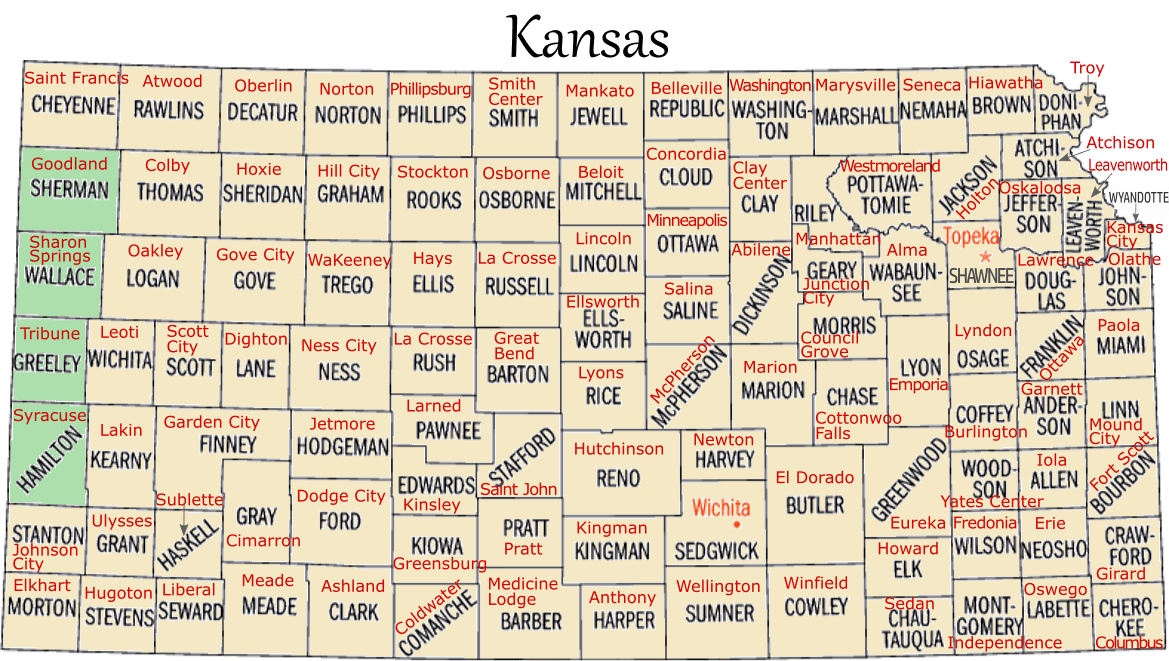
The counties in Kansas that fall under the Mountain Time Zone are primarily located in the westernmost tier of the state. These often include areas like:
- Greeley County
- Hamilton County
- Kearny County
- Scott County
- Sherman County
- Wichita County
While these counties are geographically smaller than those in the Central Time Zone, it’s important for anyone planning to visit or conduct business in these specific regions to be aware of the time difference. Traveling from a Central Time county to a Mountain Time county in Kansas means you will be turning your clock back one hour.
Navigating the Time Zone Boundary
The transition between the Central Time Zone and the Mountain Time Zone within Kansas is not marked by a major highway sign or a dramatic shift in landscape, but it is a real difference that can impact schedules. For instance, if you were attending an event in Garden City (which is in the Mountain Time Zone) and had a dinner reservation in Hays (which is in the Central Time Zone) on the same day, you would need to account for the one-hour shift. This is particularly relevant for activities like agricultural tours or visiting smaller, rural attractions that might operate on local time.
Practical Implications and Tips for Time Zone Awareness
Whether you are a tourist embarking on an adventure across the Sunflower State or a professional managing interstate operations, understanding Kansas’s time zones is essential for smooth coordination.
Travel Planning and Itineraries
When booking flights into Kansas airports such as Wichita Dwight D. Eisenhower National Airport (ICT) or Kansas City International Airport (MCI), all arrival and departure times are listed according to the airport’s local time zone. Since most of Kansas is in CT, this is usually the primary time zone you’ll encounter. However, if your destination is in the westernmost counties, be mindful of the potential one-hour difference.
When planning road trips, consider how crossing the time zone boundary might affect your arrival times. For example, if you’re driving from Wichita (CT) to Lakin (MT), your journey will appear to take one hour longer than the mileage might suggest, purely due to the time zone change. It’s always a good practice to set your watch or phone to the local time as soon as you cross the boundary.
Business and Professional Engagements
For businesses operating across Kansas, especially those with offices or clients in both the central and western parts of the state, clear communication about time zones is paramount. Conference calls, client meetings, and project deadlines should always specify the time zone to avoid confusion. For instance, a call scheduled for 2:00 PM CST would be 1:00 PM MST. Many businesses operating across time zones utilize scheduling software that automatically accounts for these differences, but manual confirmation is still a wise precaution.
Local Culture and Events
Kansas boasts a rich local culture, from small-town festivals to larger city events. Understanding the time zone ensures you don’t miss out. A county fair in Scott City (MT) might advertise an evening concert starting at 7:00 PM, which, if you’re coming from Salina (CT), would mean the concert begins at 8:00 PM your time. Similarly, local news broadcasts and community events will adhere to the local time zone of the broadcast area.

Daylight Saving Time Considerations
The observance of daylight saving time in Kansas can sometimes lead to minor confusion, especially during the transition periods. Travelers should double-check whether they are arriving or departing during a period when daylight saving time is active. While most digital devices automatically adjust, analog clocks will need manual intervention. This also impacts scheduling for early morning activities like birdwatching tours in areas like the Quivira National Wildlife Refuge or sunrise photography sessions.
In summary, while the question of “What timezone is Kansas in?” might seem simple, it encompasses two distinct zones: the Central Time Zone for the majority and the Mountain Time Zone for a select few western counties. By remaining aware of these distinctions and the nuances of daylight saving time, visitors and residents alike can navigate their schedules with precision, ensuring a seamless experience in the heartland of America.
LifeOutOfTheBox is a participant in the Amazon Services LLC Associates Program, an affiliate advertising program designed to provide a means for sites to earn advertising fees by advertising and linking to Amazon.com. Amazon, the Amazon logo, AmazonSupply, and the AmazonSupply logo are trademarks of Amazon.com, Inc. or its affiliates. As an Amazon Associate we earn affiliate commissions from qualifying purchases.