
Welcome to the Sunshine State, a land renowned for its stunning beaches, vibrant cities, and endless attractions. For travelers planning an unforgettable trip or residents navigating daily life, understanding the local time zone is more than just a matter of convenience; it’s a crucial aspect of seamless travel planning and efficient living. While the United States boasts several time zones, Florida presents a unique situation, straddling two distinct zones that can occasionally lead to confusion for the uninitiated. This guide will unravel the intricacies of Florida’s time zones, delving into the historical context, practical implications for tourism and daily life, and essential tips to ensure your visit or stay is perfectly synchronized.
A Tale of Two Times: Florida’s Dual Time Zones
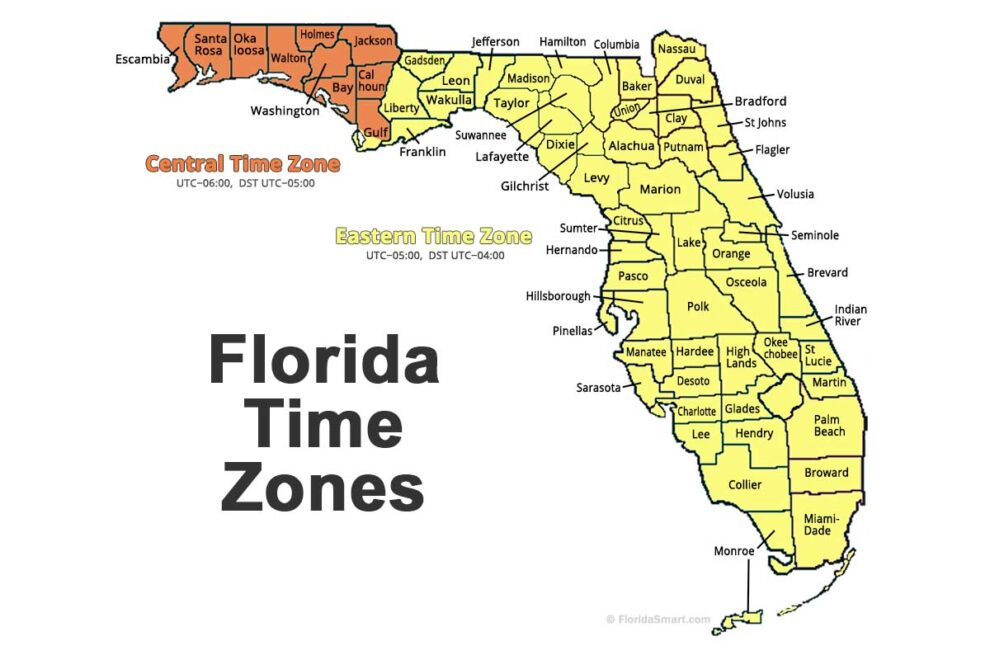
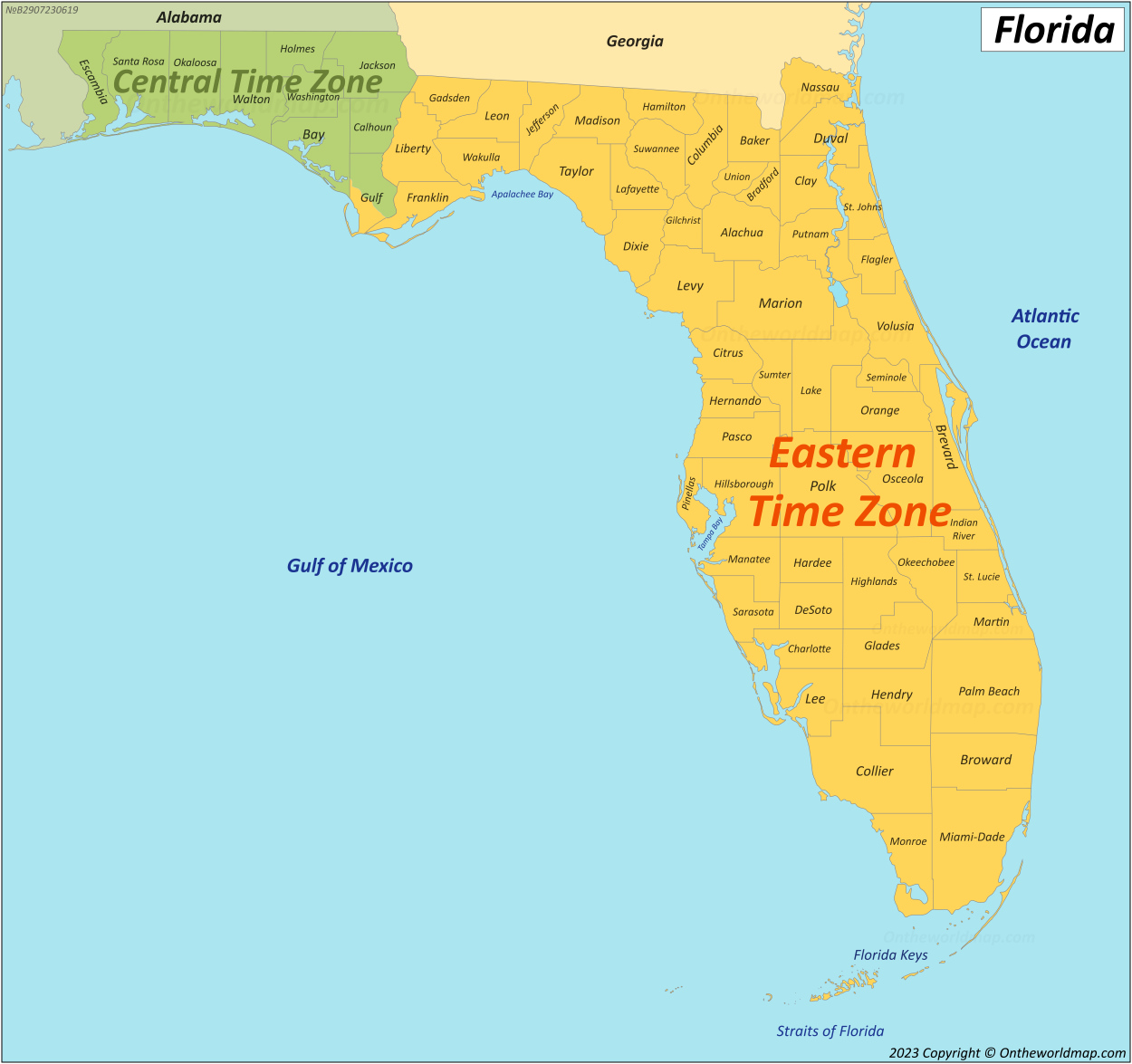
Unlike many states that fall neatly into a single time zone, Florida is a fascinating anomaly, primarily operating on Eastern Time (ET) but with a significant portion of its western Panhandle adhering to Central Time (CT). This geographical split, dictated by historical precedent and practical considerations, means that a journey across the state can literally involve changing your watch an hour forward or backward.
The Eastern Time Zone Dominance
The vast majority of Florida – stretching from its southern tip to most of its northern border – observes Eastern Time. This includes all of the state’s most iconic and populous areas, making it the default time zone for most visitors and residents. When you think of Florida’s bustling metropolises and world-famous theme parks, you’re almost certainly thinking of places that operate on Eastern Standard Time (EST) during the winter months and Eastern Daylight Time (EDT) during the summer.
Major cities and tourist hotspots within the Eastern Time zone include:
- Miami: The vibrant cultural hub and gateway to Latin America, known for its art deco architecture and dazzling nightlife.
- Orlando: Home to world-renowned theme parks like Walt Disney World and Universal Studios, attracting millions of visitors annually.
- Tampa: A dynamic city on the Gulf Coast, offering a blend of historic charm and modern attractions.
- Jacksonville: Florida’s largest city by land area, boasting beautiful beaches and a thriving urban core.
- Fort Lauderdale: The “Venice of America,” famous for its canals, beaches, and upscale amenities.
- West Palm Beach: A sophisticated destination known for its luxury lifestyle, high-end shopping, and cultural experiences.
- Tallahassee: The state capital, rich in history and home to several universities.
For those planning holidays or business trips to these popular destinations, understanding the local time is paramount for booking flights, arranging hotel check-ins, scheduling tours, and meeting appointments. Most flights into Florida’s major international airports, such as Miami International Airport or Orlando International Airport, will operate on Eastern Time, ensuring that your arrival aligns seamlessly with your accommodation bookings and planned activities.
Exploring the Central Time Zone in the Panhandle
The Florida Panhandle, a distinctive strip of land stretching westward along the Gulf of Mexico, represents the state’s embrace of Central Time. This region, bordering Alabama and Georgia, aligns with its western neighbors, using Central Standard Time (CST) and Central Daylight Time (CDT). The dividing line is primarily the Apalachicola River, though there are nuances to specific county boundaries.
The counties that primarily observe Central Time include:
- Escambia County (including Pensacola)
- Santa Rosa County
- Okaloosa County (including Destin and Fort Walton Beach)
- Walton County
- Holmes County
- Washington County
- Bay County (including Panama City and Panama City Beach)
- The western parts of Gulf County (including Port St. Joe and Mexico Beach)
The decision to place these areas in Central Time historically stemmed from their closer economic and social ties to Alabama and other states further west, rather than to peninsular Florida. For travelers embarking on a road trip across the Panhandle, particularly if driving from destinations like Tallahassee (which is in Eastern Time) to Pensacola, remember to adjust your watch as you cross the invisible time zone boundary. This subtle shift can impact everything from dinner reservations to the timing of local events and the operation hours of regional attractions. Always double-check your itinerary, especially when booking accommodation or activities in these specific Panhandle locales.
Navigating Daylight Saving Time in the Sunshine State
Like most of the United States, Florida observes Daylight Saving Time (DST), adding another layer of consideration to the state’s timekeeping. This annual ritual, designed to make better use of daylight, shifts the clock forward an hour in spring and back an hour in fall.
The Annual Shift: Spring Forward, Fall Back
Daylight Saving Time begins on the second Sunday in March, when clocks “spring forward” one hour. This means that Eastern Standard Time (EST) becomes Eastern Daylight Time (EDT), and Central Standard Time (CST) becomes Central Daylight Time (CDT). The change allows for longer daylight hours in the evenings, a boon for tourism, outdoor activities, and leisure. For example, a sunset in Miami might be at 7:00 PM during EST but will shift to 8:00 PM during EDT, offering more time to enjoy the beaches or explore the city after work or sightseeing.
DST concludes on the first Sunday in November, when clocks “fall back” one hour, returning to Standard Time. This means shorter daylight evenings but an extra hour of sleep for most. For travelers, this transition can affect travel plans, flight schedules, and the timing of pre-booked tours or events, making it essential to confirm the exact time for any appointments around these dates. Hotels and resorts typically manage these changes seamlessly, but confirming check-in/check-out times is always a good practice.
Potential Legislative Changes
For several years, there have been discussions and legislative efforts in Florida to permanently adopt Daylight Saving Time. In 2018, the Florida legislature passed the Sunshine Protection Act, which proposed making Daylight Saving Time year-round. This would mean that Florida would no longer “fall back” in November, effectively staying on EDT (or CDT for the Panhandle) all year. The rationale behind this move is to maximize evening daylight, boosting tourism, commerce, and outdoor activities.
However, for this act to take effect, it requires approval from the U.S. Congress, which has yet to grant such a waiver. The broader debate within the United States about permanently adopting Daylight Saving Time or Standard Time continues. As such, Florida continues to observe the biannual shift. Travelers and residents should remain aware of this ongoing discussion, as any future federal approval could fundamentally alter how time is observed across the state, impacting everything from booking accommodations to planning local events and business operations.
The Historical Tapestry of Florida’s Time Zones
Understanding the contemporary time zone arrangement in Florida benefits from a look back at how time itself became standardized in the United States. The current system is a product of practical necessity, scientific standardization, and federal legislation, all of which played a role in shaping Florida‘s unique timekeeping.
From Local Solar Time to Standardized Zones
Before the late 19th century, timekeeping in the United States was largely a local affair. Communities would set their clocks based on “local solar time,” with noon occurring when the sun was directly overhead. This meant that every town had a slightly different time, leading to significant confusion, especially as transportation and communication improved. A traveler journeying from Jacksonville to Pensacola, for instance, would encounter numerous small time adjustments along the way.
The rise of the railroads in the mid-19th century made this chaotic system untenable. Railroad companies, operating on tight schedules across vast distances, desperately needed a standardized time system to prevent collisions and ensure efficient operations. Different railway lines often kept their own time, adding to the complexity. This necessity was the primary catalyst for the push towards standardized time zones.
The Impact of Railroads and Federal Legislation
In 1883, the major railroad companies in the United States voluntarily adopted a system of four standard time zones: Eastern, Central, Mountain, and Pacific. These zones were generally based on meridians of longitude, with each zone being approximately 15 degrees wide, representing a one-hour difference. Florida, due to its elongated shape and geographical position, found itself at the eastern edge of the Central Time zone and well within the Eastern Time zone.
While this railroad-driven system brought order, it wasn’t legally binding. It wasn’t until the Standard Time Act of 1918 that the United States Congress officially adopted the standard time zones and introduced Daylight Saving Time nationwide. This act delegated the responsibility for defining time zone boundaries to the Interstate Commerce Commission, which later transferred to the U.S. Department of Transportation with the Uniform Time Act of 1966.
These acts formalized the current time zone boundaries, including the division of Florida. The placement of the Panhandle in Central Time was a pragmatic decision, reflecting the region’s geographical alignment and economic ties, making it easier for trade, travel, and communication with neighboring states like Alabama. The main body of Florida, with its strong connections to the Atlantic coast and major eastern cities, naturally fell into the Eastern Time zone, aligning with major population centers like New York and Washington D.C.

Practical Implications for Travelers and Residents
The dual time zones in Florida, coupled with the observance of Daylight Saving Time, have several practical implications that both visitors and long-term residents need to consider. From planning your arrival to managing daily routines, being mindful of the clock is key to a smooth Florida experience.
Planning Your Florida Itinerary
For travelers, the most significant impact of Florida‘s time zones lies in itinerary planning.
- Flights and Transportation: When booking flights, especially those with connections or arrivals/departures from different parts of Florida, always confirm the local time. A flight scheduled to depart from Panama City (CT) to Orlando (ET) will effectively lose an hour during the journey, even if the flight duration is short. Similarly, driving across the state, say from Pensacola to Jacksonville, requires a time adjustment.
- Hotel and Accommodation Bookings: Ensure your check-in and check-out times align with the correct local time zone of your chosen hotel, resort, apartment, or villa. Many hotels, particularly those near the time zone boundary, are adept at assisting guests, but it’s always wise to confirm details beforehand to avoid missing a check-in window or incurring late check-out fees.
- Attractions and Events: Theme park opening hours, museum schedules, showtimes, restaurant reservations, and guided tours are all strictly tied to the local time. If you’re staying in the Panhandle but planning a day trip into an Eastern Time area (or vice versa), remember to factor in the one-hour difference. Missing the start of a popular show or a pre-booked excursion due to a time zone mix-up can be frustrating.
- Communication: When coordinating with friends, family, or business contacts across Florida or elsewhere, clarify which time zone you are referring to. This is especially important for business travelers scheduling meetings or for families coordinating reunion activities across different parts of the state.
Business, Daily Life, and Seamless Transitions
For residents and businesses in Florida, the time zone differences are an ingrained part of daily life.
- Business Operations: Companies with operations across both time zones must carefully manage schedules, logistics, and communication to ensure seamless coordination. This is particularly relevant for supply chains, distribution networks, and customer service operations that serve clients statewide.
- Media and Broadcasting: Television and radio broadcasts often adjust their schedules to accommodate both time zones, sometimes broadcasting programs at “8/7 Central” or providing separate feeds.
- Emergency Services: All emergency services, including law enforcement and medical aid, operate on the local time of their jurisdiction.
- Long-Term Stays and Relocation: For those considering a long-term stay or relocation to Florida, understanding the time zones is part of adapting to the local lifestyle. It influences everything from school bus schedules to local government meeting times.
In conclusion, while the Florida time zone can seem a bit complex at first glance due to its dual nature and observance of Daylight Saving Time, it is entirely manageable with a little awareness. Whether you’re planning a luxury travel escape to Miami, a family trip to Orlando’s theme parks, a budget-friendly beach vacation in Panama City, or a business stay in Tallahassee, being prepared for the time differences will ensure your experience in the Sunshine State is as smooth and enjoyable as possible. Always check local times for your specific destination, and embrace the unique rhythm of a state that truly lives in two times at once.
LifeOutOfTheBox is a participant in the Amazon Services LLC Associates Program, an affiliate advertising program designed to provide a means for sites to earn advertising fees by advertising and linking to Amazon.com. Amazon, the Amazon logo, AmazonSupply, and the AmazonSupply logo are trademarks of Amazon.com, Inc. or its affiliates. As an Amazon Associate we earn affiliate commissions from qualifying purchases.