
Florida, affectionately known as the Sunshine State, beckons millions of travelers each year with its promise of endless sun, pristine beaches, and world-class attractions. However, understanding the temperature in Florida is far more nuanced than simply expecting warmth. Its unique geographical position, stretching from the temperate north to the subtropical south, means that the climate can vary dramatically depending on where and when you visit. For anyone planning a trip, from a quick weekend getaway to a long-term stay, comprehending these climatic differences is crucial for an enjoyable and comfortable experience, influencing everything from your packing list to your choice of accommodation and daily itinerary.
This comprehensive guide will delve into the intricacies of Florida’s temperatures, exploring seasonal shifts, regional variations, and how these factors impact your travel plans. Whether you’re dreaming of a winter escape from the cold, a vibrant spring break, a sun-soaked summer adventure, or a serene autumn retreat, we’ll equip you with the knowledge to navigate Florida’s diverse climate like a seasoned traveler, ensuring your travel experience is nothing short of perfect.
Understanding Florida’s Diverse Climate
Florida’s climate is a fascinating blend of subtropical and tropical influences, largely dictated by its peninsula shape, bordered by the Atlantic Coast to the east and the Gulf Coast to the west. This geographical layout, coupled with its proximity to the Caribbean and the Gulf of Mexico, results in a climate that is generally warm and humid, but with distinct seasonal patterns and significant regional disparities that travelers must consider.
A Subtropical Paradise: General Characteristics
Most of Florida experiences a subtropical climate, characterized by hot, humid summers and mild, dry winters. The southern tip of the peninsula, including the Florida Keys, technically falls into a tropical climate zone, meaning it generally experiences less variation in temperature throughout the year and is truly frost-free. Humidity is a constant companion across the state, especially during the warmer months, often making the “feels like” temperature considerably higher than the actual mercury reading. This high humidity is a key factor in how comfortable (or uncomfortable) you might feel, influencing outdoor activities and the need for air-conditioned hotels or resorts. Abundant sunshine is another defining characteristic, contributing to the state’s popular nickname. Even on days with rain, the sun often makes an appearance, living up to the promise of a sunny destination.
Seasonal Temperature Breakdown
Florida essentially has two main seasons: a warm, wet season from May to October, and a cool, dry season from November to April. However, to truly appreciate the state’s climate, it’s helpful to break it down into four traditional seasons:
Winter (December – February)
Winter in Florida is arguably the most popular time to visit for those escaping colder northern climates. Temperatures are wonderfully mild and comfortable, particularly in Central and South Florida.
- North Florida (e.g., Jacksonville, Tallahassee): Averages in the low 60s°F (15-18°C) during the day, dropping into the 40s°F (4-9°C) at night. Occasional cold fronts can bring temperatures down to freezing or below for short periods, especially in the panhandle.
- Central Florida (e.g., Orlando, Tampa): Averages in the low to mid-70s°F (21-24°C) during the day, with nights in the 50s°F (10-15°C). It’s generally pleasant and rarely truly cold.
- South Florida (e.g., Miami, Key West): Enjoy averages in the mid-70s°F (24-27°C) by day and 60s°F (15-21°C) at night. This region experiences very little true winter weather, making it a hotspot for “snowbirds” and those seeking year-round warmth.
Humidity is generally lower during winter, making sunny days feel even more delightful. This is peak season for tourism as visitors flock to the state for outdoor activities, theme parks, and cultural events without the oppressive summer heat.
Spring (March – May)
Spring is a glorious time in Florida, offering a transition from the mild winter to the warmer summer. The weather is typically warm and less humid than summer, making it ideal for a wide range of experiences.
- North Florida: Averages climb from the 70s°F (21-26°C) in March to the low 80s°F (27-29°C) by May, with nights comfortably in the 50s-60s°F (10-21°C).
- Central Florida: Expect daily averages in the mid-70s°F to mid-80s°F (24-30°C), with pleasant evenings in the 60s°F (15-21°C). This period is perfect for theme park visits, as the heat isn’t yet at its peak.
- South Florida: Temperatures steadily rise from the low 80s°F (27-29°C) in March to the high 80s°F (30-32°C) by May. Nighttime lows remain in the 70s°F (21-26°C).
Humidity levels begin to rise as spring progresses, but it’s generally manageable. Spring break crowds are a significant factor during this period, particularly in coastal cities, affecting hotel availability and prices.
Summer (June – August)
Florida summers are defined by heat, humidity, and afternoon thunderstorms. While intense, this season offers unique opportunities for water-based activities and indoor attractions.
- Across the State: Daily high temperatures consistently reach the high 80s°F to low 90s°F (30-35°C). The “feels like” temperature, due to high humidity (often 70-90%), can frequently exceed 100°F (38°C). Nighttime lows are typically in the 70s°F (21-26°C), offering little respite from the warmth.
Afternoon thunderstorms are a daily occurrence, usually brief but intense, providing a temporary cooldown before the sun reemerges. This is the wet season, and while it might seem counterintuitive, it’s a popular time for families visiting theme parks, benefiting from school holidays. Hotels with excellent air conditioning and inviting pools become essential amenities.
Autumn (September – November)
Autumn in Florida sees a gradual transition from the heat of summer to the mildness of winter. Early autumn is still quite warm and humid, but by November, the weather becomes truly delightful.
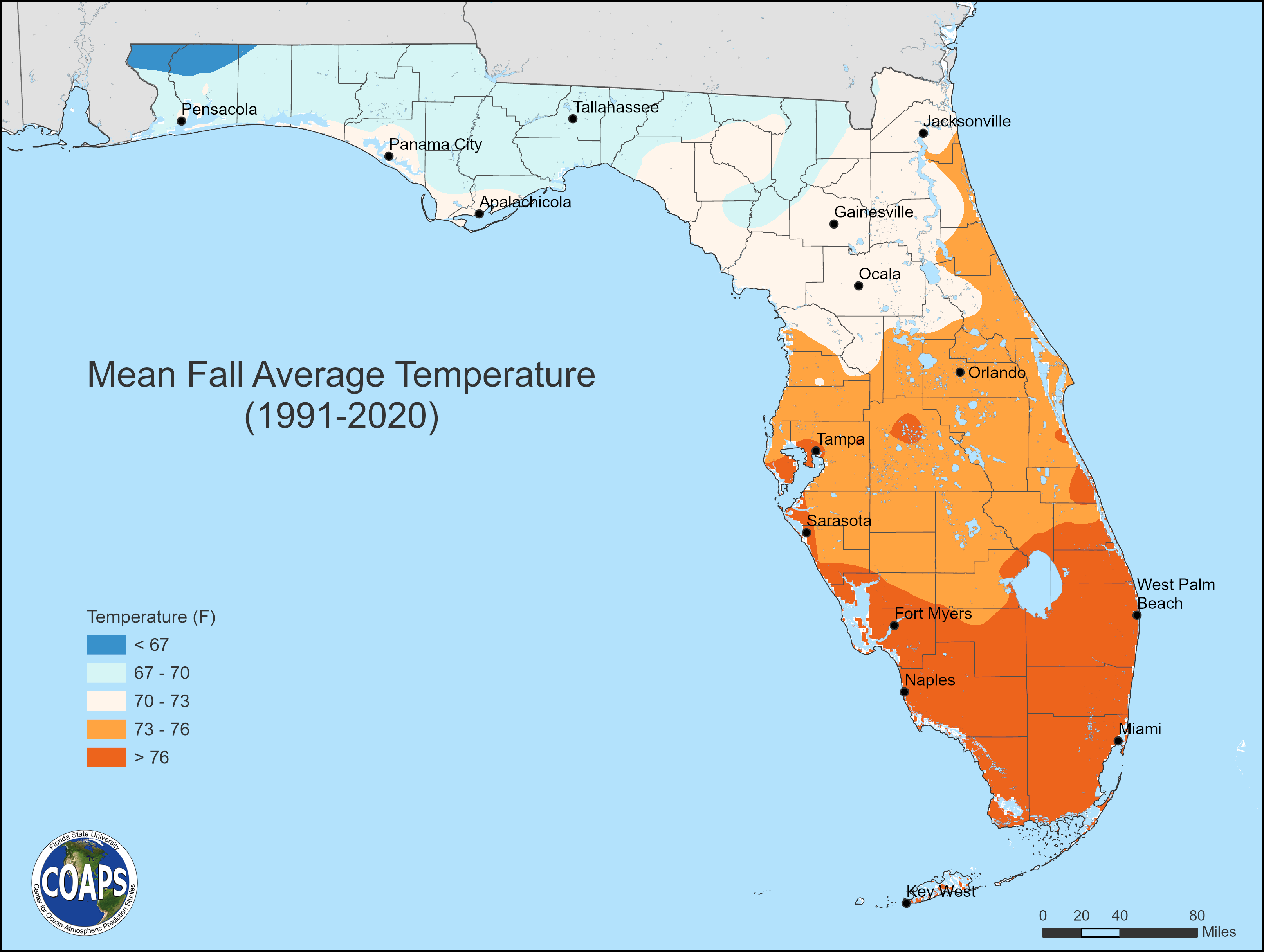
- North Florida: September and October can still see highs in the 80s°F (27-32°C), but November brings cooler days in the 70s°F (21-26°C) and crisp nights in the 50s°F (10-15°C).
- Central Florida: Temperatures range from the mid-80s°F (29-32°C) in early autumn, cooling to the mid-70s°F (24-26°C) by late November. Nights become comfortably cool.
- South Florida: Remains warm in September and October, with highs in the mid-80s°F (29-32°C), before easing into the upper 70s°F (25-27°C) by late November. Nighttime temperatures stay in the 60s-70s°F (15-26°C).
Hurricane season officially runs until November 30th, so early autumn travelers should monitor weather forecasts. However, by mid-to-late autumn, especially in November, the humidity drops, and the weather becomes incredibly pleasant, making it another peak season for outdoor pursuits and festivals.
Regional Temperature Variations Across the Sunshine State
While Florida is widely known for its warm weather, the perception of “warm” can vary significantly from one end of the state to the other. Its elongated shape and position relative to the equator create distinct climatic zones that directly influence local temperatures and, consequently, traveler experiences. Understanding these regional differences is key to choosing the perfect destination for your specific climate preferences.
North Florida’s Cooler Climes
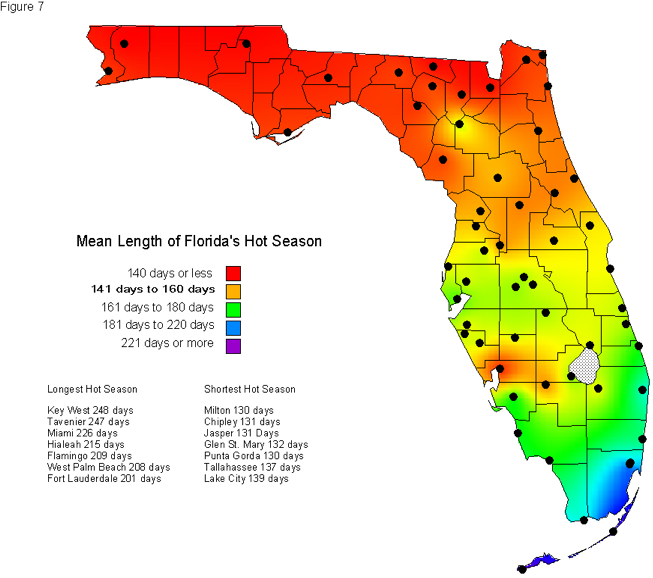
The northernmost part of Florida, including cities like Jacksonville, Tallahassee, and Pensacola in the panhandle, experiences the most distinct four seasons. This region is geographically closer to the rest of the United States and is more susceptible to cold fronts originating from the north.
- Winters: Are noticeably cooler here compared to Central and South Florida. While generally mild, with daytime highs often in the 60s°F (15-20°C), temperatures can dip into the 30s°F (0-4°C) at night, and occasional freezes are not uncommon. Frost can occur, and packing layers is advisable.
- Summers: Are still hot and humid, with highs frequently in the low 90s°F (32-34°C), but perhaps with slightly less intensity than the very southern tip of the state. Afternoon thunderstorms are prevalent.
- Spring and Fall: Offer exceptionally pleasant weather, with warm days and comfortably cool evenings, making them ideal for exploring landmarks such as St. Augustine’s historic sites or the natural beauty of Amelia Island.
Central Florida’s Balanced Appeal
Central Florida, home to major metropolitan areas like Orlando, Tampa, and St. Petersburg, offers a more balanced subtropical climate that attracts a vast majority of the state’s tourists, especially those visiting the world-famous theme parks.
- Winters: Are delightful, with daytime temperatures typically ranging from the low 70s°F (21-23°C) to the occasional high 70s°F (26°C). Nights are cooler, often in the 50s°F (10-15°C), requiring a light jacket. This mild weather is perfect for outdoor theme park activities and enjoying resort amenities without overheating.
- Summers: Mirror much of Florida with hot and humid conditions, highs in the low 90s°F (32-34°C), and frequent afternoon downpours. The humidity can make even short walks feel strenuous, emphasizing the importance of air-conditioned attractions and frequent breaks.
- Spring and Fall: Are highly favored, offering warm, sunny days in the 70s°F to 80s°F (21-30°C) and lower humidity. These shoulder seasons are excellent for exploring attractions like Walt Disney World Resort or Universal Orlando Resort before the peak summer heat or winter crowds. Coastal cities like Sarasota and Daytona Beach also thrive during these pleasant months.
South Florida’s Tropical Warmth
The southernmost part of Florida, encompassing Miami, Fort Lauderdale, Naples, and the Florida Keys, boasts a truly tropical climate. This region experiences the least seasonal variation and remains warm to hot year-round.
- Winters: Are essentially warm, dry extensions of summer. Daytime highs consistently hover in the mid-70s°F to low 80s°F (24-28°C), with nights rarely dropping below the low 60s°F (15-18°C). This makes it a prime destination for those seeking guaranteed warmth and endless beach days, particularly in areas like South Beach.
- Summers: Are intensely hot and humid, with daily highs often in the high 80s°F (30-32°C) or low 90s°F (32-34°C), but the heat index can push past 100°F (38°C) consistently. Heavy, albeit brief, tropical downpours are a daily ritual, providing temporary relief. This is the time for water sports, indoor galleries, and enjoying vibrant nightlife.
- Spring and Fall: Offer continued warmth, with temperatures in the 80s°F (27-32°C). While the humidity gradually decreases in late fall, early spring and fall still feel very much like summer. The Florida Keys maintain their distinctive warmth throughout the year, making them a consistent choice for those craving tropical vibes regardless of the season.
Planning Your Florida Trip: Temperature-Driven Activities and Accommodation Choices
Understanding Florida’s temperature variations is not just about curiosity; it’s a strategic tool for planning the perfect trip. The climate will fundamentally shape your itinerary, the type of accommodation you choose, and even your packing strategy. Tailoring your visit to the prevailing temperatures can significantly enhance your enjoyment and overall lifestyle experience in the Sunshine State.
Best Times to Visit for Specific Activities
The ideal time to visit Florida truly depends on your planned activities and tolerance for heat and crowds.
-
Beach & Water Sports (Swimming, Snorkeling, Kayaking): While Florida’s beaches are beautiful year-round, the best time for comfortable swimming and extensive water sports is generally late spring (April-May) and early autumn (September-October). The water is warm, and the intense summer humidity isn’t yet at its peak or has started to subside. Summer is also popular, especially for children, despite the heat, as the ocean provides a welcome escape. During winter, while air temperatures are pleasant, the ocean can feel a bit cool for some, especially in North and Central Florida. Head to Clearwater Beach or Cocoa Beach during these shoulder seasons.
-
Theme Parks (Walt Disney World Resort, Universal Orlando Resort, etc.): The most comfortable times to visit Orlando’s major theme parks are winter (December-February) and spring (March-May). The cooler, drier air makes for more pleasant walking and waiting in lines. However, these periods often coincide with higher crowd levels (e.g., Christmas, Spring Break). Summer offers thinner crowds in theory (due to intense heat), but the heat and humidity are significant factors, making early morning or late evening visits preferable. Late autumn (November) also offers a sweet spot of pleasant temperatures and potentially fewer crowds before the holiday rush.
-
Nature & Wildlife Exploration (Everglades National Park, Birdwatching, Manatee Viewing): Winter (December-March) is unequivocally the best time for wildlife viewing. Cooler temperatures mean fewer mosquitoes and more active wildlife. Manatees congregate in warmer spring-fed rivers, making sightings common. Hiking in places like Everglades National Park is much more comfortable in the absence of stifling heat and humidity.
-
Cultural & Urban Exploration (Art Deco Historic District, St. Augustine, City Tours): Exploring cities and historical landmarks is most enjoyable during the cooler, drier months of winter and spring. Walking tours of Miami’s vibrant neighborhoods or St. Augustine’s ancient streets are far more pleasant when temperatures are in the 70s°F (21-26°C) rather than the humid 90s°F (32°C).
Maximizing Comfort: Accommodation & Lifestyle Tips
Regardless of when you visit, a few strategic choices can make a significant difference in your Florida experience:
-
Choosing the Right Accommodation: Always prioritize hotels, resorts, villas, or apartments with excellent air conditioning. In summer, a refreshing pool is a non-negotiable amenity for midday cool-downs. If visiting in winter, particularly in North Florida, consider hotels with heated pools or indoor options. For a luxury travel experience, upscale resorts often offer enhanced climate control and shaded relaxation areas. For budget travel, simply ensuring reliable AC can be the most impactful factor.
-
Packing Essentials:
- Lightweight, Breathable Clothing: Cotton, linen, and moisture-wicking fabrics are your best friends, especially from spring through autumn.
- Sun Protection: Sunscreen (high SPF), wide-brimmed hats, and sunglasses are vital year-round, given Florida’s intense sun.
- Rain Gear: A lightweight rain jacket or compact umbrella is essential, particularly during the summer rainy season.
- Layers for Winter: Even in mild Florida winters, evenings can be cool, especially in the north. Pack a light jacket or sweater.
-
Hydration and Scheduling: Stay hydrated by drinking plenty of water, even if you don’t feel thirsty, especially during summer. Schedule outdoor activities for early mornings or late afternoons to avoid the hottest parts of the day. Utilize midday for indoor attractions or leisurely meals.
-
Long-term Stay Considerations: For “snowbirds” or those considering an extended winter retreat, a long-term stay in South Florida or the Florida Keys guarantees the warmest temperatures. Booking well in advance is crucial, as these popular regions fill up quickly.
Beyond the Thermometer: Humidity and Comfort
While the numerical temperature is a primary concern, the real “feel” of Florida’s climate is heavily influenced by humidity. Humidity refers to the amount of water vapor in the air, and Florida’s subtropical and tropical nature means it often has high levels, particularly during the long summer months.
When humidity is high, the air feels thicker and heavier. More importantly, high humidity impedes the body’s natural cooling mechanism: sweat evaporation. When sweat can’t evaporate efficiently, you feel hotter and stickier, even if the actual air temperature isn’t extraordinarily high. This is why meteorologists often refer to the “heat index” or “feels like” temperature, which combines air temperature with relative humidity to give a more accurate representation of how the human body perceives the heat. A 90°F (32°C) day with high humidity can feel like 105°F (40°C) or more.
Tips for Dealing with Humidity:
- Embrace Air Conditioning: This is your best friend. Plan breaks in air-conditioned spaces like malls, museums, hotels, and restaurants.
- Stay Hydrated: Drink more water than you think you need. High humidity and heat can lead to rapid dehydration.
- Wear Appropriate Clothing: Stick to light-colored, loose-fitting clothes made from breathable fabrics like cotton or moisture-wicking synthetics. Avoid heavy denim or tight clothing.
- Shower Frequently: A cool shower can offer immediate relief from the sticky feeling of humidity.
- Manage Outdoor Activities: Schedule strenuous outdoor activities for early morning or after sunset when humidity might be slightly lower, and temperatures are certainly cooler.
- Look for Water Features: Spending time near the ocean, a lake, or a pool can provide a psychological and physical respite, as evaporative cooling from water bodies can sometimes offer localized relief.
By understanding that Florida’s temperatures are a combination of the thermometer reading and the prevailing humidity, travelers can better prepare for their journey, ensuring a more comfortable and enjoyable tourism experience, regardless of the season.
In conclusion, Florida offers a climate for nearly every preference, from the mild winters of the north to the year-round tropical warmth of its southern tip. Whether you’re seeking to escape the cold, bask in the summer sun, or enjoy the pleasant shoulder seasons, a little foresight into the state’s diverse temperatures and humidity levels will allow you to plan an unforgettable adventure in this vibrant and ever-welcoming destination.
LifeOutOfTheBox is a participant in the Amazon Services LLC Associates Program, an affiliate advertising program designed to provide a means for sites to earn advertising fees by advertising and linking to Amazon.com. Amazon, the Amazon logo, AmazonSupply, and the AmazonSupply logo are trademarks of Amazon.com, Inc. or its affiliates. As an Amazon Associate we earn affiliate commissions from qualifying purchases.