
Florida, often affectionately known as the Sunshine State, is a premier travel destination in the USA, luring millions of visitors each year with its stunning beaches, vibrant cities, and world-class attractions. However, understanding “what is the temperature in Florida” is far more nuanced than simply expecting perpetual sunshine. The state’s unique geography, stretching from the temperate north to the subtropical and tropical south, results in a diverse climate that significantly influences travel experiences, accommodation choices, and the array of activities one can enjoy. For anyone planning a trip – whether a luxurious escape, a budget-friendly adventure, a family vacation, or a business stay – delving into the intricacies of Florida’s temperatures is paramount to crafting the perfect itinerary and ensuring a comfortable, memorable journey. This comprehensive guide will navigate the Sunshine State’s varying climates, helping you to plan your ultimate Florida experience, no matter the season or your travel style.
Understanding Florida’s Diverse Climate
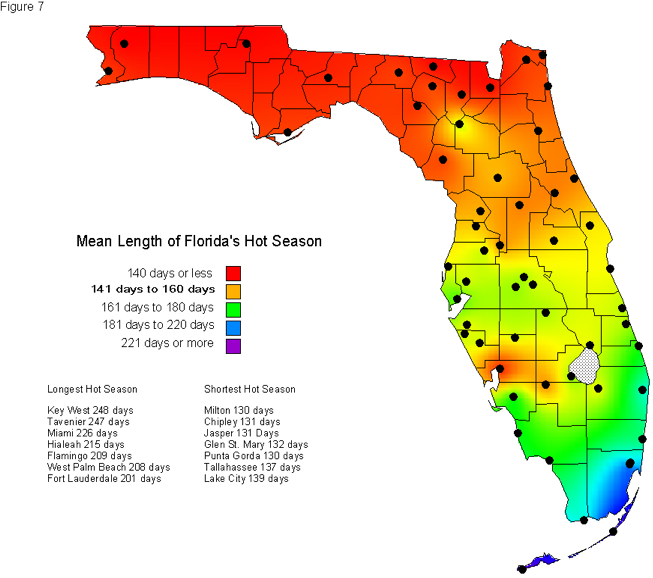
Florida’s climate is primarily characterized by long, hot, and humid summers and mild, short winters. The state is bounded by the Atlantic Ocean to the east and the Gulf of Mexico to the west, with its southernmost tip almost brushing the Caribbean. This geographical positioning plays a crucial role in its weather patterns, leading to significant variations across its regions and seasons. While the overall picture is one of warmth, knowing when and where to expect certain temperatures can drastically enhance your travel planning, from deciding on the best time to book your flight to choosing the right attire.
Seasonal Breakdown: A Month-by-Month Guide
Florida truly experiences two main seasons: a hot, wet season from late May to October, and a cooler, drier season from November to April.
-
Winter (December – February): This is arguably the most popular time to visit Florida, particularly for those escaping colder northern climates. Temperatures are mild and pleasant across much of the state, ranging from average highs in the mid-60s°F (18-20°C) in North Florida to the low 70s°F (22-23°C) in South Florida. Nighttime lows can dip into the 40s°F (4-9°C) in the north, but typically stay in the 50s°F (10-15°C) further south. Humidity is low, and sunshine is abundant. This is ideal weather for outdoor activities, theme parks, and beach relaxation without the intense heat.
-
Spring (March – May): Spring is another fantastic time to visit, characterized by warming temperatures and generally lower humidity than summer. March and April see average highs in the 70s°F (21-26°C) statewide, gradually climbing into the 80s°F (27-31°C) by May. Rainfall begins to increase towards the end of spring as the wet season approaches, but it’s still predominantly sunny. The ocean temperatures become more inviting for swimming, and the natural beauty of Florida’s landscapes truly comes alive.
-
Summer (June – August): Florida summers are synonymous with heat, humidity, and afternoon thunderstorms. Average daily highs consistently hover in the high 80s°F to low 90s°F (31-34°C) across the state, with heat indices often making it feel much hotter. The humidity is often above 70-80%, contributing to a sticky, tropical feel. Short, intense thunderstorms are a daily occurrence, usually in the late afternoon, providing a brief respite from the heat before clearing to reveal sunshine again. Despite the heat, this is peak season for family travel, especially to theme parks, due to school holidays.
-
Fall (September – November): Early fall still carries the characteristics of summer, with high temperatures and humidity persisting through September and even into October. However, as November approaches, a noticeable shift occurs. Temperatures gradually cool down into the 70s°F (21-26°C), humidity drops, and the frequency of tropical storms diminishes. Late fall is often considered a “sweet spot” by many experienced travelers, offering pleasant weather without the peak season crowds. This period also coincides with the hurricane season, which officially runs from June 1st to November 30th, with the peak usually occurring from mid-August to late October.
Regional Variations: North, Central, and South Florida
While Florida’s overall climate trends are consistent, there are distinct regional differences that travelers should consider.
-
North Florida (e.g., Jacksonville, St. Augustine, Panhandle cities like Tallahassee): This region experiences the most pronounced seasonal variations. Winters can be surprisingly chilly, with occasional freezes and average lows in the 40s°F (4-9°C), and even some rare snowfall in the farthest north. Summers are hot and humid, similar to the rest of the state, but usually with slightly lower average temperatures than South Florida. The Panhandle, particularly, is known for its “Emerald Coast” beaches and a more distinct four-season feel compared to the peninsula.
-
Central Florida (e.g., Orlando, Tampa, Daytona Beach): This is the heart of Florida’s tourism, home to major theme parks. Temperatures here are a comfortable middle ground. Winters are mild and pleasant, rarely seeing extreme cold. Summers are hot and humid, with daily afternoon showers. The proximity to both the Atlantic and Gulf coasts often means localized weather patterns, but generally, it’s a consistently warm destination.
-
South Florida (e.g., Miami, Fort Lauderdale, Key West, Naples): This region boasts a tropical to subtropical climate, with the warmest temperatures year-round. Winters are warm and dry, with average highs in the 70s°F (21-26°C) and comfortable nights. Summers are long, hot, and very humid, often with intense sun. Freezes are virtually unheard of. The Florida Keys have a truly tropical climate, experiencing less rainfall than mainland Florida during the wet season but generally higher humidity. Water temperatures remain warm enough for swimming all year in South Florida.
Temperature’s Impact on Travel and Tourism
Florida’s climate is a primary determinant of its tourism seasons and the types of activities travelers seek. From selecting the ideal time for a beach vacation to planning excursions into natural parks, understanding the temperature implications is key to maximizing your travel experience.
Best Times to Visit for Different Activities
The ideal time to visit Florida depends entirely on your planned activities and tolerance for heat and crowds.
-
Beach Vacations: For classic beach relaxation, the spring (March-May) and late fall (November) offer the best combination of warm water, pleasant air temperatures, and fewer crowds. Winter is also excellent for sunbathing, especially in South Florida, though the water can be a bit cooler for swimming for some. Summer is hot, but the warm ocean waters are perfect for a refreshing dip, provided you can handle the humidity. Iconic spots like South Beach in Miami or the serene shores of Sarasota are popular year-round.
-
Theme Parks (Walt Disney World Resort, Universal Orlando Resort, Busch Gardens Tampa Bay, SeaWorld Orlando): The winter months (December-February) are prime for visiting theme parks due to the comfortable temperatures and lower humidity, although holiday periods can bring significant crowds. Spring (March-May, excluding Spring Break) and late fall (November) are also excellent choices, offering good weather before the peak summer heat and school holiday crowds. Summer visits require careful planning: arrive early, utilize water rides, and plan for afternoon breaks to avoid the midday sun and inevitable thunderstorms.
-
Outdoor Adventures (Everglades National Park, hiking, kayaking): Winter and spring are undoubtedly the best seasons for exploring Florida’s natural beauty. Cooler temperatures make hiking, biking, and wildlife viewing far more enjoyable. Mosquito activity is also significantly lower. The heat and humidity of summer can make such activities challenging, especially in areas like the Everglades, where insects are also more prevalent.
-
Festivals and Events: Florida hosts numerous festivals throughout the year. Winter and spring are popular for outdoor arts festivals, music events, and food and wine showcases, taking advantage of the pleasant weather. Summer often sees more indoor or evening events to beat the heat, while fall transitions into harvest festivals and cooler-weather celebrations.
Packing Essentials and Staying Comfortable
No matter when you visit, intelligent packing is crucial for a comfortable Florida trip.
- Lightweight, Breathable Clothing: Cotton, linen, and moisture-wicking fabrics are your best friends, especially during the warmer months. Even in winter, days can be warm enough for shorts and t-shirts, though layers are advisable for cooler evenings.
- Sun Protection: Sunscreen (high SPF), hats, and sunglasses are non-negotiable year-round. The Florida sun is intense.
- Rain Gear: A lightweight rain jacket or umbrella is essential, particularly from May to October, for those sudden afternoon downpours.
- Hydration: Always carry a reusable water bottle. Staying hydrated is vital, especially when spending time outdoors.
- Insect Repellent: Especially important for evenings, outdoor activities, and visits during the wet season.
- Appropriate Footwear: Comfortable walking shoes are a must for theme parks and sightseeing. Sandals or flip-flops are perfect for the beach and casual outings.
Florida’s Accommodation Scene: Adapting to the Climate
The vast array of accommodations in Florida caters to every preference and budget, with facilities and amenities often designed with the state’s climate in mind. From luxurious resorts to budget-friendly apartments, the focus is on comfort regardless of the temperature outside.
From Beachfront Resorts to Cozy Villas
Florida’s hotels and accommodation options are as diverse as its landscapes.
- Beachfront Resorts: Along the coasts, opulent resorts offer direct beach access, multiple pools, and often luxury suites with ocean views. These are particularly sought after during the pleasant winter and spring months, but also provide a refreshing escape from the summer heat with their air-conditioned interiors and extensive water features. Destinations like Palm Beach, Amelia Island, and the Southwest Florida coast are renowned for their high-end resorts.
- Theme Park Hotels: In Orlando, an entire ecosystem of hotels exists around Walt Disney World and Universal Orlando Resort, ranging from value resorts to deluxe suites. Many offer complimentary transport and early park access, perfect for beating the crowds and morning heat.
- Apartments and Villas: For longer stays, family trips, or those seeking more privacy and space, renting an apartment or villa is an excellent option. These often come with private pools – a significant plus during hot Florida summers – and fully equipped kitchens, providing a home-away-from-home experience. They can be found in residential areas, tourist enclaves, and purpose-built vacation communities throughout the state.
- Boutique Hotels and Inns: Quaint boutique hotels and historic inns, particularly in cities like St. Augustine and Key West, offer unique local culture and charm. Many feature shaded courtyards or intimate pools, providing cool retreats from the sunshine.
Amenities for Every Season
Regardless of your chosen accommodation, Florida properties generally excel in offering amenities that combat the heat and maximize comfort.
- Air Conditioning: Universal and essential, robust air conditioning systems are standard in all Florida accommodations, providing a vital escape from the summer heat and humidity.
- Swimming Pools: Most hotels and rental properties boast swimming pools, often heated for winter use and always refreshing during summer. Many resorts feature elaborate water parks, lazy rivers, and splash zones, making them destinations in themselves.
- Outdoor Spaces: While shaded patios, balconies, and screened lanais are common, they are designed to be enjoyed during the cooler parts of the day or year. During summer, these spaces might be best utilized in the early mornings or evenings.
- Indoor Activities: Many resorts and hotels offer indoor entertainment options, from game rooms to fitness centers and spas, providing alternatives during rainy afternoons or excessively hot periods.
Exploring Florida’s Landmarks in Any Weather
Florida is dotted with famous places, significant architecture, rich history, and breathtaking natural wonders. The state’s varied temperatures dictate how and when best to experience these landmarks, encouraging a blend of outdoor adventures and climate-controlled explorations.
Outdoor Attractions and Climate Considerations
Many of Florida’s most iconic landmarks are outdoors, making temperature a significant factor in their enjoyment.
- Beaches: From the white sands of Clearwater Beach to the vibrant shores of Fort Lauderdale, Florida’s beaches are a year-round draw. During summer, plan your beach time for mornings or late afternoons to avoid the midday sun. In winter, even if it’s too cool to swim, the beaches offer picturesque strolls and stunning sunsets.
- National Parks & Preserves: Everglades National Park, Dry Tortugas National Park, and countless state parks offer unparalleled natural beauty. The cooler, drier months (November-April) are ideal for airboat tours, kayaking, bird watching, and hiking, as wildlife is more active and insects are less bothersome.
- Historic Districts: Exploring the cobblestone streets of St. Augustine’s historic district, America’s oldest continuously inhabited European-established settlement, is best done in the spring or fall. While beautiful in summer, the heat can make walking tours challenging. Many tours have covered sections or offer evening options.
Indoor Escapes for Cooler or Hotter Days
Florida offers a wealth of indoor attractions, perfect for escaping a summer downpour or a rare winter chill.
- Museums: The state boasts an impressive collection of museums catering to various interests. The Phillip and Patricia Frost Museum of Science in Miami, the Ringling Museum of Art in Sarasota, and the Kennedy Space Center Visitor Complex near Cape Canaveral offer fascinating insights into science, art, history, and space exploration in a climate-controlled environment.
- Aquariums: The Florida Aquarium in Tampa and SeaWorld Orlando (which has many indoor exhibits) provide captivating glimpses into marine life, perfect for family trips on a hot day.
- Shopping Malls: Florida’s numerous shopping malls, from the upscale boutiques of Bal Harbour Shops to the sprawling outlets near Orlando, provide a comfortable, air-conditioned haven for retail therapy.
- Performing Arts Centers: Throughout the state, world-class performing arts centers host concerts, Broadway shows, and local productions, offering sophisticated entertainment regardless of the outside temperature.
Lifestyle Choices: Tailoring Your Florida Experience
Florida caters to an incredibly diverse range of lifestyles and travel preferences. Understanding how the climate influences these choices ensures a trip tailored precisely to your desires, whether you’re seeking opulence or adventure on a shoestring.
Luxury vs. Budget Travel in the Sunshine State
Florida’s temperatures, and by extension its seasons, play a significant role in travel costs.
- Luxury Travel: The peak tourist season (winter and spring) aligns with Florida’s most pleasant weather, and consequently, higher prices for luxury resorts, fine dining, and exclusive experiences. For those seeking opulence, this is the time to enjoy world-class amenities, championship golf courses, and yachting in ideal conditions. Booking accommodations with amenities like private pools, spa services, and gourmet restaurants that can be enjoyed irrespective of the weather ensures a comfortable and indulgent experience year-round. However, even in summer, luxury travelers can find exquisite experiences, often at slightly reduced rates, and enjoy less crowded attractions.
- Budget Travel: Savvy budget travelers often target the shoulder seasons (late spring, early fall) or even the summer months for their Florida adventures. While the heat and humidity are higher, prices for flights, hotels, and vacation rentals are typically lower. Many attractions offer summer discounts, and the numerous free beaches and state parks remain accessible. Focusing on self-catering accommodation like apartments or villas, utilizing public transport where available, and seeking out local eateries can help keep costs down while still enjoying the Sunshine State. For those prioritizing a long-term stay, off-season rates on rentals can be particularly attractive.
Family Adventures and Business Stays
The climate impacts how both family groups and business travelers plan their visits.
- Family Trips: For families, school holidays often dictate travel times, making summer a popular, albeit hot, choice. Planning family trips during the milder spring or fall can offer a more comfortable experience, especially for younger children. Regardless of the season, water parks, splash pads, and hotels with children’s programs are invaluable for keeping kids entertained and cool. Many family-friendly resorts are designed with expansive indoor and outdoor activities that can pivot based on weather conditions. When comparing accommodation, families often look for suites or villas that offer separate living areas and kitchens, enhancing both comfort and budget control.
- Business Stays: Business travelers visiting Florida for conferences, conventions, or corporate meetings often find themselves in cities like Miami, Orlando, or Tampa. These cities are well-equipped with modern conference centers, business hotels, and transportation infrastructure, all designed with climate control in mind. Most business-focused accommodations offer robust air conditioning, indoor meeting spaces, and fitness centers, ensuring productivity and comfort regardless of the external temperature. When arranging business travel, selecting hotels that are conveniently located and offer seamless booking and review processes can streamline the experience, ensuring a focus on work rather than weather concerns.
In conclusion, understanding what is the temperature in Florida is about more than just checking a forecast; it’s about appreciating the state’s diverse microclimates and how they shape every aspect of a visit. Whether you’re seeking the cool breezes of a winter escape, the vibrant warmth of a spring break, the lively heat of a summer family adventure, or the pleasant mildness of a fall retreat, Florida offers a multitude of experiences. By considering the seasonal and regional temperature variations, packing appropriately, and choosing accommodations and activities wisely, travelers can ensure their Florida journey is not only comfortable but also perfectly aligned with their travel dreams and lifestyle aspirations. The Sunshine State truly shines brightest when you know how to navigate its radiant and varied climate.
LifeOutOfTheBox is a participant in the Amazon Services LLC Associates Program, an affiliate advertising program designed to provide a means for sites to earn advertising fees by advertising and linking to Amazon.com. Amazon, the Amazon logo, AmazonSupply, and the AmazonSupply logo are trademarks of Amazon.com, Inc. or its affiliates. As an Amazon Associate we earn affiliate commissions from qualifying purchases.