
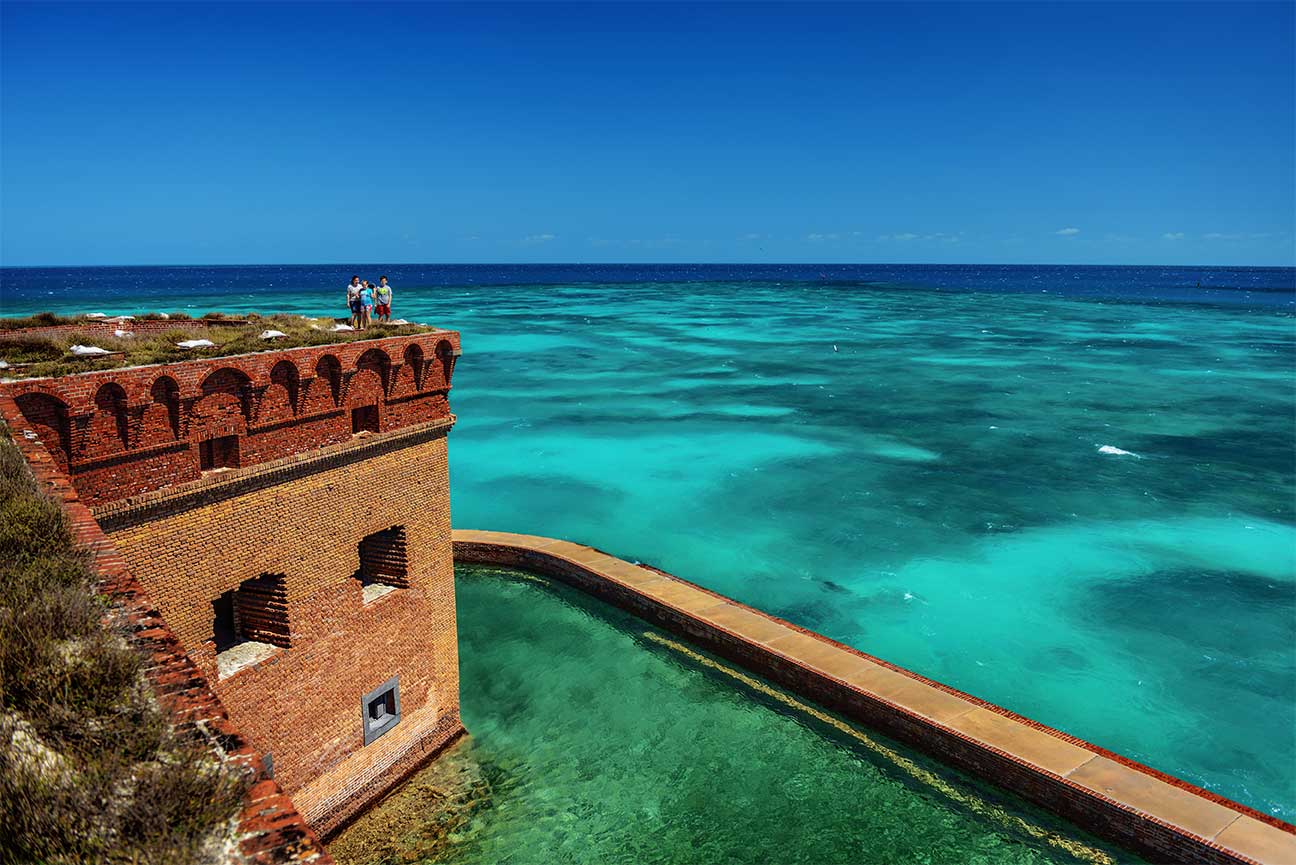
The allure of the Dry Tortugas National Park is undeniable, a remote archipelago teeming with vibrant marine life, historical fortifications, and pristine natural beauty. For many visitors planning a trip to the Florida Keys, a key question emerges: how far is this secluded paradise from the bustling atmosphere of Key West? Understanding this distance is crucial for logistical planning, whether you’re considering a day trip or an extended stay. The journey, while seemingly short on a map, involves navigating the turquoise waters of the Gulf of Mexico, making the distance more about the experience of travel than a simple mileage count.
Understanding the Nautical Distance
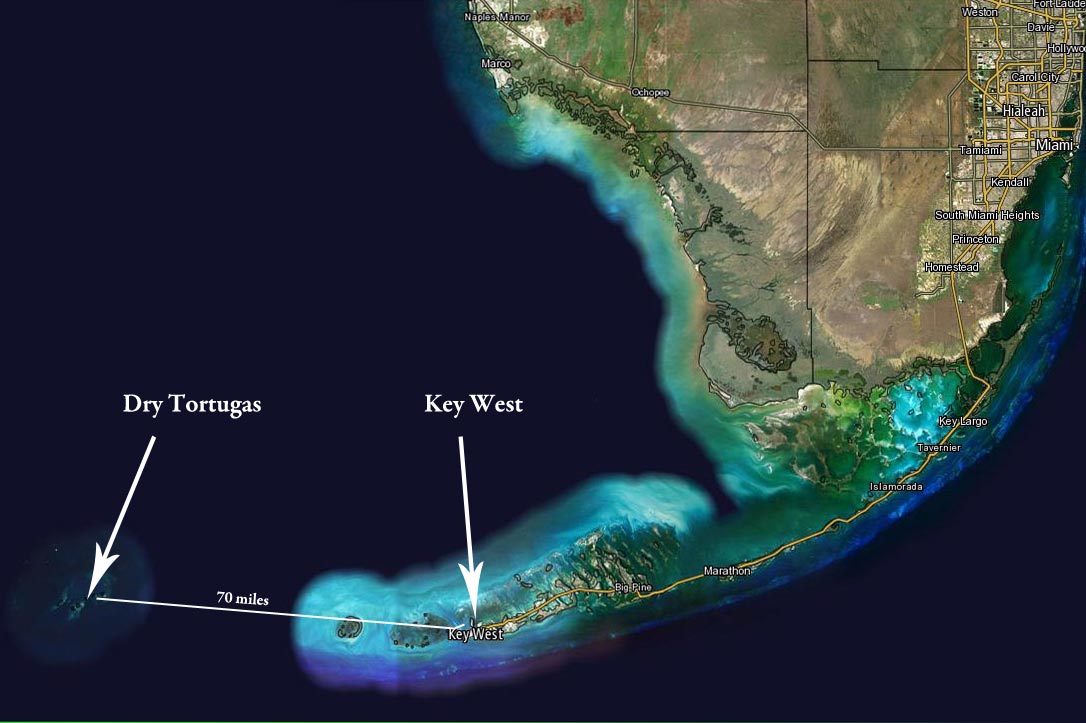
The direct geographical distance between Key West and Dry Tortugas National Park is approximately 70 miles (about 113 kilometers) as the crow flies. However, this figure is a straight line and doesn’t account for the actual routes taken by vessels. The commonly traversed nautical miles are generally a bit longer, often ranging from 70 to 80 miles depending on the specific departure and arrival points within each location and the prevailing sea conditions. This stretch of water is not merely a passage but an introduction to the wilder, less developed side of the Florida Keys.
The Gulf of Mexico: A Scenic Route
Traveling from Key West to the Dry Tortugas means traversing a significant portion of the Gulf of Mexico. This journey is renowned for its stunning visuals. As you leave the familiar shores of Key West, the landscape transforms. The water clarity increases dramatically, revealing an underwater world that hints at the treasures awaiting you. Expect to see pods of dolphins playing in the boat’s wake, migratory birds soaring overhead, and, on clear days, the distinct shape of the Dry Tortugas appearing on the horizon. The journey itself is an integral part of the adventure, offering a sense of remoteness and escape that is increasingly rare.
Modes of Transportation and Their Impact on Travel Time
The distance of 70-80 nautical miles necessitates specific modes of transportation, and each offers a unique perspective on the journey and impacts the travel time considerably. Unlike hopping in a car, reaching Dry Tortugas requires planning around maritime travel.
The Yankee Freedom Ferry
The most popular and accessible way to reach Dry Tortugas from Key West is via the Yankee Freedom Ferry. This high-speed catamaran is designed for comfort and efficiency, making the trip as enjoyable as possible. The ferry typically departs from the Key West Bight Ferry Terminal early in the morning and arrives at Garden Key, the primary island of the Dry Tortugas National Park, a few hours later.
- Departure Point: Key West Bight Ferry Terminal, a convenient location within Key West.
- Travel Time: The ferry journey usually takes approximately 2 hours and 15 minutes each way. This includes a brief period of slower cruising as the ferry enters the protected waters of the park.
- Experience: Passengers are treated to scenic views, often with opportunities to spot marine life. The ferry provides amenities such as restrooms, enclosed seating, and an open-air deck. Breakfast and lunch are often included in the ticket price, enhancing the day trip experience. The early departure ensures ample time to explore Fort Jefferson and snorkel in the surrounding waters before the return journey.
Private Boat Charters
For those seeking a more exclusive and flexible experience, private boat charters offer an alternative to the Yankee Freedom Ferry. This option allows for greater control over the itinerary, departure times, and the ability to explore more secluded areas within the park.
- Flexibility: Chartering a private vessel means you can tailor the trip to your group’s preferences, including stops at other islands or extended time at specific snorkeling spots.
- Travel Time: The travel time for private charters can vary significantly depending on the size and speed of the boat. Smaller, faster boats might make the journey in around 1.5 to 2 hours, while larger, slower vessels could take closer to 3 hours.
- Cost: Private charters are typically more expensive than the ferry, making them a premium option for families, groups, or individuals prioritizing privacy and customization.
- Navigational Considerations: It’s essential that the captain of a private charter is experienced in navigating these waters, as conditions can change rapidly.
Seaplane Tours
A more breathtaking, albeit brief, way to experience the distance and the park itself is through a seaplane tour. While not a primary mode of transport to the islands for extended stays, these tours offer a unique aerial perspective.
- Aerial Views: Seaplanes depart from Key West and provide unparalleled views of the archipelago, Fort Jefferson, and the surrounding coral reefs.
- Short Duration: The flight itself is relatively short, typically lasting around 30-40 minutes each way. This allows visitors to witness the scale of the park from above and appreciate its remote location.
- Limited Time on Ground: Seaplane tours usually offer a few hours on Garden Key, allowing for a condensed but impactful visit.
Factors Influencing Travel Time and Experience
Beyond the choice of transportation, several environmental and logistical factors can influence the actual time it takes to reach Dry Tortugas from Key West and the overall experience of the journey.
Sea Conditions and Weather
The Gulf of Mexico, while often calm, can experience unpredictable weather patterns. Rough seas can significantly impact travel time, making the journey less comfortable and potentially leading to delays.
- Wind and Waves: Strong winds can create choppy water, slowing down even fast vessels and making the ride more turbulent. Swells can also affect the speed and comfort of the journey.
- Visibility: Fog or heavy rain can reduce visibility, necessitating slower speeds for safety. This is particularly important for private boat operators who may not have the advanced radar systems of larger commercial vessels.
- Seasonal Variations: While the Florida Keys enjoy a generally pleasant climate, hurricane season (June through November) can bring more severe weather events that could disrupt travel plans entirely. Visitors are advised to monitor weather forecasts closely when planning their trip.
Departure and Arrival Points
The exact starting and ending points within Key West and Dry Tortugas National Park can add minor variations to the total distance.
- Key West Harbor vs. Other Marinas: The primary departure point for the ferry is the Key West Bight Ferry Terminal. If you are departing from a private marina further down the island, your initial travel to open water might add a few minutes.
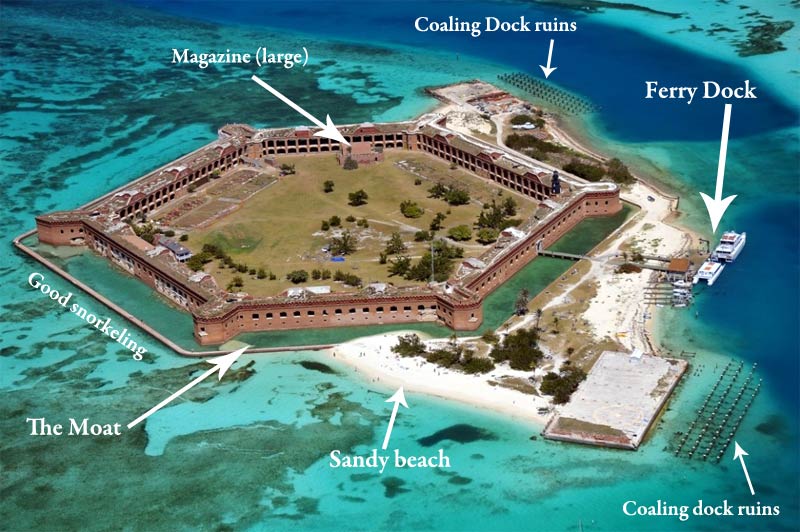
- Garden Key vs. Other Islands: While Garden Key is the primary disembarkation point for most visitors due to the presence of Fort Jefferson, charter boats might choose to anchor or dock near other islands within the park for a more secluded experience. This could slightly alter the final leg of the journey.
Passenger Comfort and Logistics
For many, the journey itself is an opportunity to relax and prepare for the adventure ahead. Understanding the logistics of embarking and disembarking is also part of the travel planning.
- Embarkation Process: Arriving at the ferry terminal well in advance of departure is crucial. This allows ample time for check-in, boarding procedures, and securing a comfortable seat. The time spent loading passengers and provisions contributes to the overall departure logistics.
- Disembarkation at Dry Tortugas: Upon arrival at Dry Tortugas National Park, the process of disembarking and getting onto Garden Key is usually swift, especially for the Yankee Freedom Ferry, which has dedicated facilities.
Planning Your Expedition to Dry Tortugas
Knowing that Dry Tortugas is approximately 70-80 nautical miles from Key West is the first step in planning an unforgettable trip. This distance underscores the park’s remote and pristine nature, offering a genuine escape from the mainland.
Day Trip vs. Overnight Stay
The distance and travel time naturally lend themselves to a day trip, which is the most common way visitors experience the park. The Yankee Freedom Ferry is perfectly suited for this, allowing a full day of exploration. However, for those who wish to immerse themselves more deeply, camping on Garden Key is an option. Overnight stays require special permits and careful planning due to the limited amenities. The longer you plan to stay, the more crucial it becomes to be prepared for self-sufficiency, carrying all necessary supplies for food, water, and shelter.
Booking in Advance
Due to the popularity of Dry Tortugas National Park and the limited transportation options, booking your ferry tickets or private charter well in advance is highly recommended, especially during peak seasons. Tickets for the Yankee Freedom Ferry often sell out months ahead.
What to Pack
Given the journey and the remote nature of the destination, packing appropriately is essential.
- Sun Protection: Sunscreen, hats, and sunglasses are paramount. The sun’s intensity is amplified on the water.
- Water: While some tours provide water, bringing extra is always wise.
- Snorkel Gear: If you have your own preferred gear, bring it. Rental is usually available, but personal equipment ensures comfort and fit.
- Camera: The photographic opportunities are immense, from the historic fort to the vibrant coral reefs.
- Light Jacket: Even on warm days, the sea breeze can be cool during the journey.
The distance from Key West to Dry Tortugas is more than just a number; it’s a gateway to a protected marine sanctuary and a historical marvel, promising an adventure that is well worth the voyage.
LifeOutOfTheBox is a participant in the Amazon Services LLC Associates Program, an affiliate advertising program designed to provide a means for sites to earn advertising fees by advertising and linking to Amazon.com. Amazon, the Amazon logo, AmazonSupply, and the AmazonSupply logo are trademarks of Amazon.com, Inc. or its affiliates. As an Amazon Associate we earn affiliate commissions from qualifying purchases.