
The possibility of the Oakland Athletics relocating to Las Vegas has sent ripples through the sports world and beyond, sparking considerable debate and anticipation. This potential seismic shift in professional baseball’s landscape is more than just a change of scenery for a ball club; it represents a complex interplay of economic factors, urban development, fan engagement, and the evolving identity of a major league franchise. As talks progress and speculation intensifies, understanding the multifaceted implications of such a move is crucial for anyone interested in the future of Major League Baseball and the burgeoning sports scene in Nevada.

The Allure of the Desert Oasis: Why Las Vegas?
Las Vegas has rapidly transformed from a city primarily known for its casinos and entertainment into a legitimate contender for major professional sports franchises. Several key factors contribute to its growing appeal:
A Growing Metropolitan Area and Untapped Market
The population of the Las Vegas Valley has experienced substantial growth over the past few decades, creating a larger and more diverse potential fan base. Unlike established sports markets, Las Vegas represents a relatively untapped market for professional baseball, offering a unique opportunity for a franchise to establish deep roots and build a dedicated following from the ground up. This lack of entrenched loyalty can be both a challenge and an advantage, allowing a new team to become the undisputed centerpiece of the local sports landscape.
Economic Incentives and Public Support
Cities vying for professional sports teams often offer significant economic incentives to attract franchises. Las Vegas has demonstrated a willingness to invest in sports infrastructure, as evidenced by the construction of Allegiant Stadium for the Las Vegas Raiders and the T-Mobile Arena for the Vegas Golden Knights. The potential for public funding or partnerships for a new baseball stadium in Las Vegas is a significant draw for team ownership looking to minimize their capital outlay and ensure a modern, state-of-the-art facility.
A Unique Entertainment Ecosystem
Las Vegas is synonymous with entertainment. The city’s established infrastructure for hosting large-scale events, accommodating tourists, and providing a vibrant atmosphere aligns well with the experience-driven nature of modern sports consumption. A baseball team in Las Vegas could potentially tap into the city’s existing tourism industry, attracting fans from across the country and beyond who are already visiting for other attractions. This synergy between sports and entertainment could create a truly distinctive fan experience, differentiating it from more traditional baseball markets.
The Baseball Stadium Proposal
Central to any potential relocation is the development of a suitable ballpark. Reports indicate that the Athletics are exploring options for a retractable-roof stadium in Las Vegas, a necessity given the extreme desert heat. This would be a significant departure from the open-air stadiums common in many other baseball cities.
A Modern Architectural Marvel
The design and features of a new stadium would be critical to its success. Expectations are for a state-of-the-art facility that incorporates the latest in fan amenities, technology, and architectural innovation. A retractable roof would allow for games to be played regardless of weather conditions, a crucial consideration in Las Vegas. Furthermore, the stadium’s location and integration into the broader Las Vegas entertainment district would be paramount to creating a holistic fan experience.
Funding and Development Hurdles
Securing funding for a new stadium is often one of the most challenging aspects of a relocation. While Nevada has shown a commitment to sports, the specifics of stadium financing, including public contributions and private investment, will be subject to intense negotiation and scrutiny. The long-term viability of a public-private partnership for a baseball stadium in Las Vegas will be a key determinant in the project’s progression.
The Oakland Perspective: A Lingering Legacy
The potential departure of the Athletics from Oakland is a deeply sensitive issue, fraught with historical significance and emotional resonance for a dedicated fanbase. The team’s connection to Oakland spans decades, marked by iconic moments and a strong sense of community identity.
A Rich History and Loyal Fanbase
For generations, the Athletics have been an integral part of the Oakland experience. Their numerous World Series championships and the legendary players who have donned their uniform have created a deep emotional bond with the city and its residents. This loyal fanbase, despite facing numerous challenges and uncertainties surrounding the team’s future, has consistently shown up to support the A’s.
The Struggle for a New Stadium in Oakland
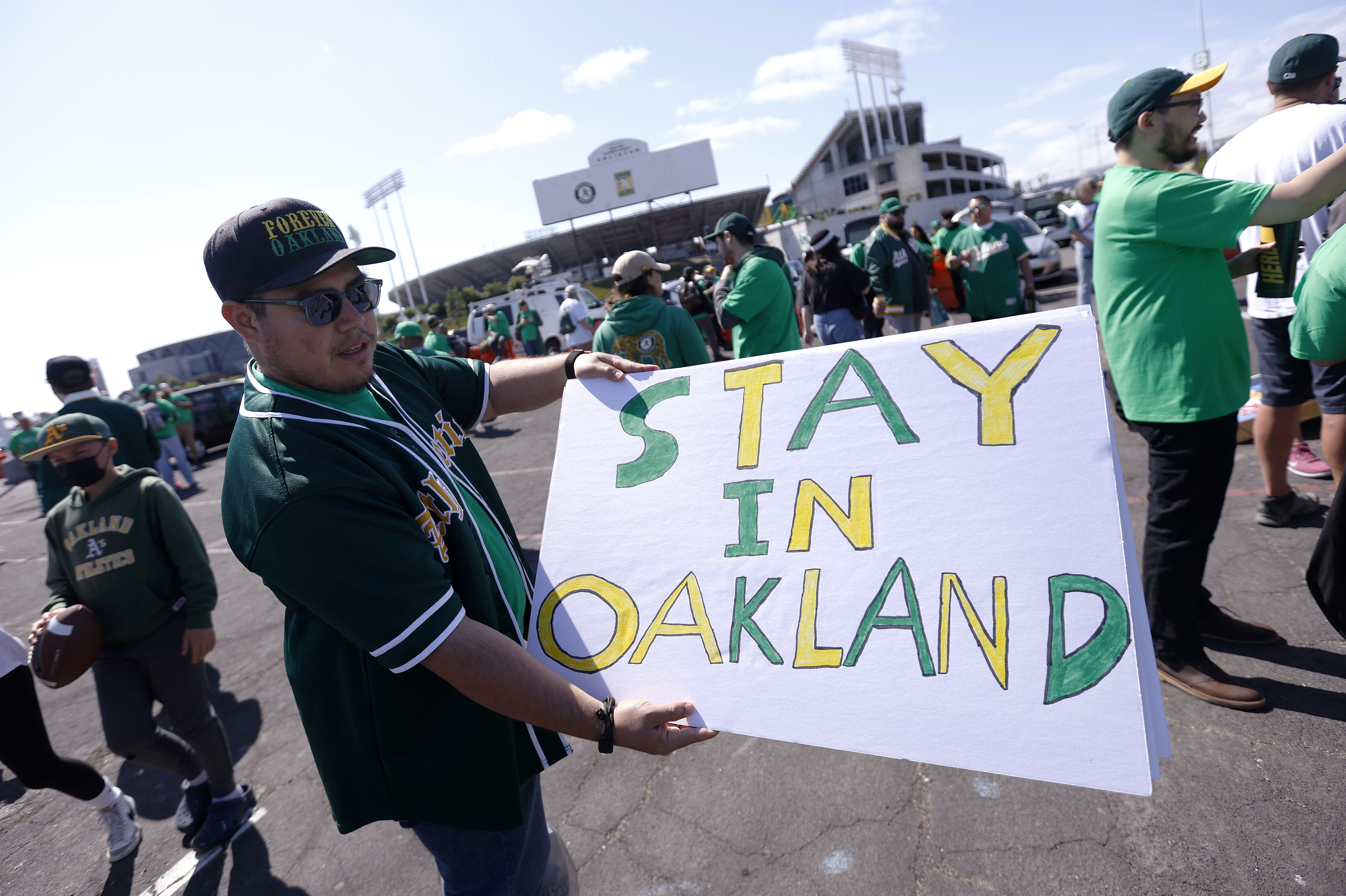
The primary driver behind the Athletics’ exploration of relocation has been the long-standing inability to secure a suitable new stadium in Oakland. Despite years of discussions and proposed sites, including the waterfront Howard Terminal project, political hurdles, environmental concerns, and community opposition have persistently stalled progress. The aging RingCentral Coliseum, a dual-purpose venue, is widely considered outdated and ill-suited for modern professional baseball, impacting both player performance and fan experience.
Navigating the Complexities of Ballpark Development
The challenges in Oakland highlight the intricate web of stakeholders and regulatory processes involved in developing large-scale sports facilities. Zoning laws, environmental impact studies, community engagement, and securing necessary approvals can all contribute to significant delays, as the Athletics have experienced firsthand. The quest for a modern ballpark has become a protracted saga, ultimately leading the franchise to explore alternative locations.
The Impact on Oakland and the Bay Area
A departure of the Athletics would represent a significant loss for Oakland, not only in terms of sports and entertainment but also economically and culturally. The team contributes to local jobs, boosts civic pride, and serves as a unifying force for the community. The void left by a departing major league team can be difficult to fill, impacting the city’s image and its appeal as a place to live, work, and visit.
Implications for the Tourism Landscape
The potential arrival of an MLB team in Las Vegas would undoubtedly reshape the city’s tourism landscape, adding another major draw to an already bustling destination.
A New Cornerstone for “The Entertainment Capital of the World”
Las Vegas has mastered the art of entertainment, offering a diverse array of attractions from world-class shows and fine dining to unique attractions and vibrant nightlife. The addition of a professional baseball team would provide yet another compelling reason for visitors to choose Las Vegas for their vacation. The prospect of attending a baseball game in a new, state-of-the-art stadium, combined with the city’s other offerings, creates a potent package for tourists.
Expanding the Season and Diversifying Attractions
While Las Vegas has historically been a year-round destination, a baseball season typically runs from late March/early April through September/October. This would extend the peak tourist season and provide an additional entertainment option during the shoulder months. Furthermore, it diversifies the city’s appeal beyond its traditional gambling and convention industries, attracting a broader demographic of travelers. Imagine combining a business conference with a Major League Baseball game, or extending a weekend getaway to include a Sunday afternoon ballgame.
Integrating Sports with Existing Tourism Packages
The success of a Las Vegas baseball team will likely hinge on its ability to integrate seamlessly with the city’s existing tourism infrastructure. Hotels, casinos, and tour operators could develop special packages that include game tickets, dining, and other entertainment options. This collaborative approach would benefit both the team and the broader tourism industry, creating a win-win scenario for all involved.
The Specter of Expansion vs. Relocation
It’s important to note that the conversation around the Athletics often brings up the broader topic of MLB expansion. While expansion involves creating entirely new franchises, relocation is about moving an existing one. In the case of the A’s, the pathway to Las Vegas appears to be through relocation, a process that requires approval from Major League Baseball’s ownership.
The Road Ahead: Uncertainty and Anticipation
The future of the Oakland Athletics remains in flux, with significant decisions yet to be made. The team’s ownership, league officials, and local stakeholders in both Oakland and Las Vegas are engaged in complex negotiations and strategic planning.
League Approval and Fan Sentiment
Ultimately, any relocation must be approved by the Major League Baseball ownership. This process involves assessing the financial viability, market potential, and overall benefit to the league. Fan sentiment, while not always a deciding factor, carries weight, and the emotional impact of such a move on the existing fanbase cannot be understated. The narratives of Oakland’s passionate supporters and Las Vegas’s eager new market will undoubtedly shape the ongoing discussion.

The Impact on the American Baseball Landscape
A move of this magnitude would have far-reaching implications for the geography of professional baseball. It would represent Las Vegas’s emergence as a legitimate major league sports city, further solidifying its status as a global entertainment hub. For Oakland, it would mark the end of an era, prompting a period of reflection and a potential search for a new identity in the professional sports world. The ongoing saga of the A’s is a compelling case study in the ever-evolving dynamics of professional sports, urban development, and the enduring power of fandom.
LifeOutOfTheBox is a participant in the Amazon Services LLC Associates Program, an affiliate advertising program designed to provide a means for sites to earn advertising fees by advertising and linking to Amazon.com. Amazon, the Amazon logo, AmazonSupply, and the AmazonSupply logo are trademarks of Amazon.com, Inc. or its affiliates. As an Amazon Associate we earn affiliate commissions from qualifying purchases.