
Embarking on a journey from the Mile High City of Denver to the glittering oasis of Las Vegas is a popular choice for travelers seeking a dramatic shift in scenery and experience. Whether you’re drawn by the allure of the Rocky Mountains or the vibrant energy of the Nevada desert, understanding the travel logistics is key to planning a seamless adventure. This guide will delve into the various ways to cover the distance between these two iconic American cities, exploring the practicalities of each mode of transport.
Driving Distance and Route
The most common way to travel between Denver and Las Vegas is by car, offering a sense of freedom and the opportunity to explore the diverse landscapes of the American West. The direct driving distance is approximately 750 to 800 miles, depending on the specific route taken.

Primary Driving Route: I-70 West to US-6 West to US-191 South to I-15 South
This route typically takes around 11 to 13 hours of pure driving time, not including stops for gas, meals, or rest. It’s a journey that traverses through some of the most scenic parts of Colorado and Utah before descending into the desert terrain of Nevada.
-
Leg 1: Denver to Grand Junction, Colorado
The initial stretch involves taking Interstate 70 West out of Denver. This highway is renowned for its breathtaking mountain vistas, particularly as you pass through the Eisenhower Tunnel and the ski resort towns of Vail and Aspen (though Aspen requires a slight detour). The landscape gradually transitions from alpine forests to high desert plateau as you approach Grand Junction. This portion of the drive is about 4 to 5 hours. -
Leg 2: Grand Junction, Colorado to Richfield, Utah
From Grand Junction, you’ll continue on US-6 West, which merges with US-191 South. This segment takes you through stunning red rock country and past the entrance to Arches National Park and Canyonlands National Park. While these are incredible destinations, time constraints for a direct drive mean you’ll be passing through. You’ll eventually reach Richfield, Utah, where you’ll connect with Interstate 15 South. This part of the journey can take another 4 to 5 hours. -
Leg 3: Richfield, Utah to Las Vegas, Nevada
Interstate 15 South is your direct path to Las Vegas. As you travel through Utah, the scenery becomes increasingly arid and mountainous before entering the stark beauty of the Mojave Desert in Arizona and then Nevada. You will pass through St. George, Utah, a charming city that offers a pleasant stopping point. The final leg into Las Vegas is roughly 3 to 4 hours.
Alternative Driving Routes
While the primary route is the most direct, other options exist, often chosen for specific scenic interests or to avoid certain weather conditions. For instance, one might opt for a more southerly route through New Mexico, which would involve navigating different highways and extending the travel time. It’s always advisable to check road conditions and weather forecasts, especially if traveling during winter months, as mountain passes on I-70 can experience significant snow and closures.
Planning Your Road Trip
Given the long driving hours, most travelers break this trip into at least two days. Popular overnight stops include Grand Junction, Green River, or Richfield, Utah. These towns offer a range of lodging options, from budget-friendly motels to more comfortable hotels, and provide opportunities to refuel and rest before continuing your journey.
Air Travel Options
For those prioritizing speed and efficiency, flying is the most practical option for traveling from Denver to Las Vegas. The distance, while manageable by car, translates to a significantly shorter travel time when airborne.
Denver International Airport (DEN) to Harry Reid International Airport (LAS)
Denver International Airport (DEN), a major hub for United Airlines and a focus city for others, offers numerous daily flights to Harry Reid International Airport (LAS) in Las Vegas. The flight duration is typically around 2 to 2.5 hours, making it a swift connection between the two cities.
- Airline Choices: Several major carriers operate this route, including United Airlines, Southwest Airlines, Frontier Airlines, and Allegiant Air. The availability of flights and price points can vary significantly depending on the airline, the day of the week, and how far in advance you book.
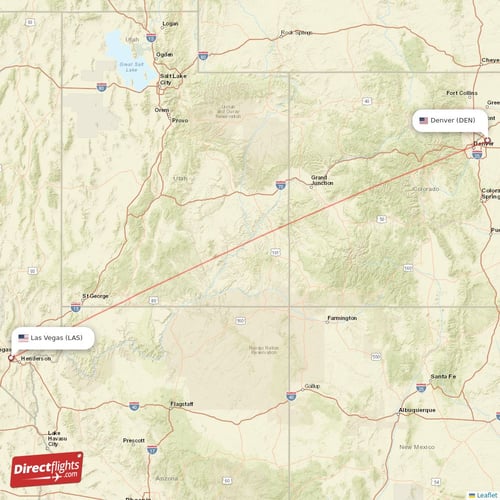
-
Booking and Timing: It is generally recommended to book flights several weeks or even months in advance, especially if you are traveling during peak seasons or holidays. Early booking often secures lower fares. Consider flying mid-week for potentially better prices than weekend travel.
-
Airport Logistics: When flying, remember to factor in travel time to and from the airports, security screening, and boarding procedures. For Denver International Airport, allow ample time, as it is a large airport with considerable ground transportation options. Upon arrival at Harry Reid International Airport, you have access to taxis, ride-sharing services, and shuttle buses to reach your accommodation on the Las Vegas Strip or downtown.
Advantages of Flying
The primary advantage of flying is time savings. For travelers on a tight schedule or those who simply prefer to spend more time at their destination, air travel is the logical choice. It also eliminates the stresses associated with long-distance driving, such as traffic, vehicle maintenance, and navigating unfamiliar roads.
Bus and Train Travel
While less common for this particular route due to the significant distances and time involved, bus and train travel are still options to consider for the intrepid traveler or those looking for a more economical or environmentally conscious way to journey between Denver and Las Vegas.
Bus Services
Companies like Greyhound offer intercity bus services that can connect Denver and Las Vegas. However, this is a lengthy endeavor, often taking upwards of 15 to 20 hours, if not longer, with multiple stops and transfers.
-
The Journey: The bus route typically follows a similar path to the driving route, traversing through Colorado, Utah, and Nevada. While it offers a chance to relax and observe the changing scenery without the stress of driving, it requires significant patience.
-
Practicalities: Passengers should be prepared for extended periods of sitting and potential delays. Many buses are equipped with Wi-Fi and restrooms, but comfort levels can vary. It’s advisable to bring snacks, drinks, and entertainment for the journey.
Train Services
Amtrak does not offer a direct train route between Denver and Las Vegas. Traveling by train would necessitate a multi-leg journey with significant layovers and likely involve taking a bus for a portion of the route, making it a considerably longer and more complex option than either driving or flying. While train travel offers a unique perspective and comfort, its impracticality for this specific connection makes it a niche choice for the dedicated rail enthusiast.

Choosing Your Mode of Transport
The decision of how far from Denver to Las Vegas you’ll travel, and by what means, ultimately depends on your priorities: time, budget, and the experience you seek.
-
For Speed and Convenience: Flying is undoubtedly the winner. It maximizes your time at your destination and minimizes travel fatigue.
-
For Flexibility and Scenery: Driving offers unparalleled freedom. You can stop at points of interest, adjust your itinerary on the fly, and truly appreciate the vastness and beauty of the American West. It’s ideal for those who enjoy the journey as much as the destination and are not on a strict time limit.
-
For Budget-Conscious or Leisurely Travel: Bus travel is the most economical option but demands a significant time commitment. It’s best suited for those with ample time and a desire to experience the country from ground level at a slower pace.
Regardless of your chosen method, planning is paramount. Researching routes, booking in advance, and understanding the travel times and potential costs will ensure your transition from the mountain air of Denver to the desert heat of Las Vegas is a memorable and enjoyable part of your overall travel experience.
LifeOutOfTheBox is a participant in the Amazon Services LLC Associates Program, an affiliate advertising program designed to provide a means for sites to earn advertising fees by advertising and linking to Amazon.com. Amazon, the Amazon logo, AmazonSupply, and the AmazonSupply logo are trademarks of Amazon.com, Inc. or its affiliates. As an Amazon Associate we earn affiliate commissions from qualifying purchases.