
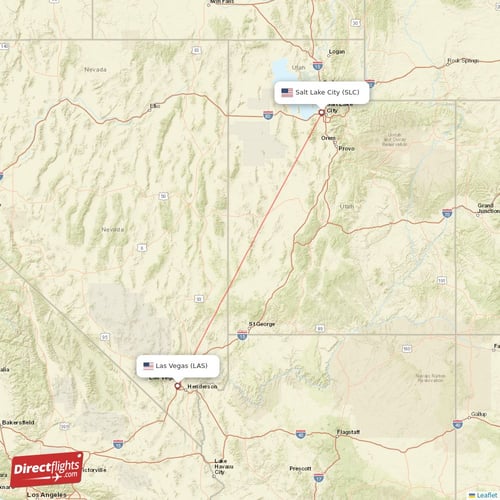
The allure of the open road often beckons travelers seeking to connect disparate yet equally captivating landscapes. For those embarking on a journey from the dazzling neon of Las Vegas to the serene, mountainous embrace of Salt Lake City, understanding the distance is merely the first step in planning an unforgettable excursion. This route, traversing diverse terrains and offering a spectrum of experiences, spans approximately 420 miles (676 kilometers) by car. The drive, estimated to take around 6 to 7 hours without significant stops, is a significant undertaking, but one that rewards the intrepid traveler with changing vistas, unique attractions, and a palpable shift in atmosphere as the arid desert gradually yields to the majestic peaks of the Rocky Mountains.
Planning Your Road Trip: Distance, Time, and Key Considerations
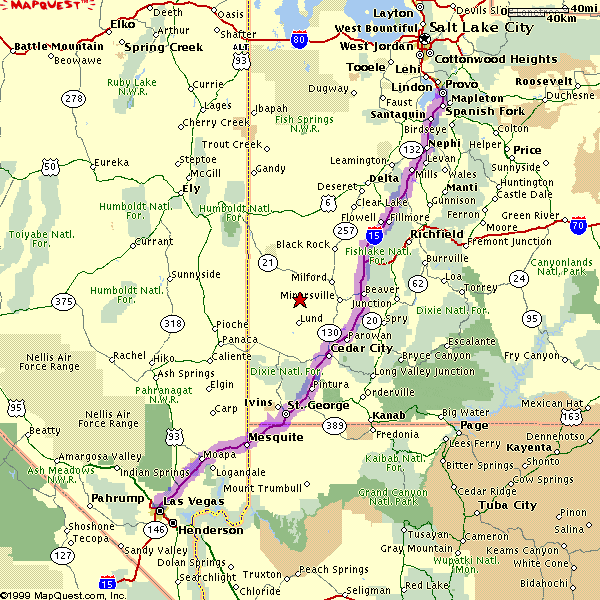
The direct driving distance between Las Vegas, Nevada, and Salt Lake City, Utah, is a crucial piece of information for any road trip planner. While satellite navigation systems often provide the most accurate real-time estimates, understanding the general mileage allows for better preparation regarding fuel, rest stops, and potential overnight stays. The primary route, predominantly along Interstate 15 North, is a well-maintained highway that facilitates a relatively smooth and efficient journey.
Driving Time Estimates
The estimated driving time of 6 to 7 hours is contingent upon several factors. Traffic conditions, particularly in and around the metropolitan areas of Las Vegas and Salt Lake City, can significantly impact travel duration. Driving during peak hours or encountering unexpected construction can easily add an hour or more to the journey. Furthermore, the speed limits along Interstate 15 vary, generally ranging from 70 to 80 miles per hour in most sections through Nevada and Utah. Maintaining legal speeds and accounting for potential slowdowns is essential for an accurate time projection.
Fuel and Rest Stops
Given the substantial distance, planning for fuel stops is paramount. While Interstate 15 is lined with service areas and towns offering gas stations, it’s always prudent to refuel when the opportunity arises, especially when passing through more remote stretches. The drive passes through several notable towns and cities that serve as excellent points for refueling and stretching your legs. These include St. George, Utah, approximately two hours north of Las Vegas, and Provo, a vibrant city situated about an hour south of Salt Lake City.
Vehicle Preparation
Before setting off on this journey, ensuring your vehicle is in optimal condition is a non-negotiable aspect of road trip safety. A thorough check of tires, brakes, fluid levels, and battery is recommended. Given the potential for extreme temperatures, particularly in the desert regions of Nevada, having a well-maintained air conditioning system is also a comfort necessity. Carrying an emergency kit, including jumper cables, a first-aid kit, and a basic toolkit, can provide peace of mind.
Exploring the Route: Notable Stops and Scenic Diversions
The drive from Las Vegas to Salt Lake City is far more than just a transfer between two major cities; it’s an opportunity to witness the dramatic transformation of the American West. While the most direct route sticks to the interstate, there are several points of interest that can be incorporated into a longer, more enriching travel experience.
The Virgin River Gorge
One of the most visually striking segments of this drive is the Virgin River Gorge, a dramatic canyon carved by the Virgin River in northwestern Arizona, though the interstate passes through it en route to Utah. As Interstate 15 winds through this spectacular geological formation, towering limestone cliffs rise on either side, creating a breathtaking spectacle. Drivers will experience a dramatic change in scenery, with the arid desert landscape giving way to rugged, colorful rock formations. Pull-offs are limited within the gorge itself due to safety and engineering constraints, but the sheer visual impact from the highway is immense.
Zion National Park and Surrounding Areas
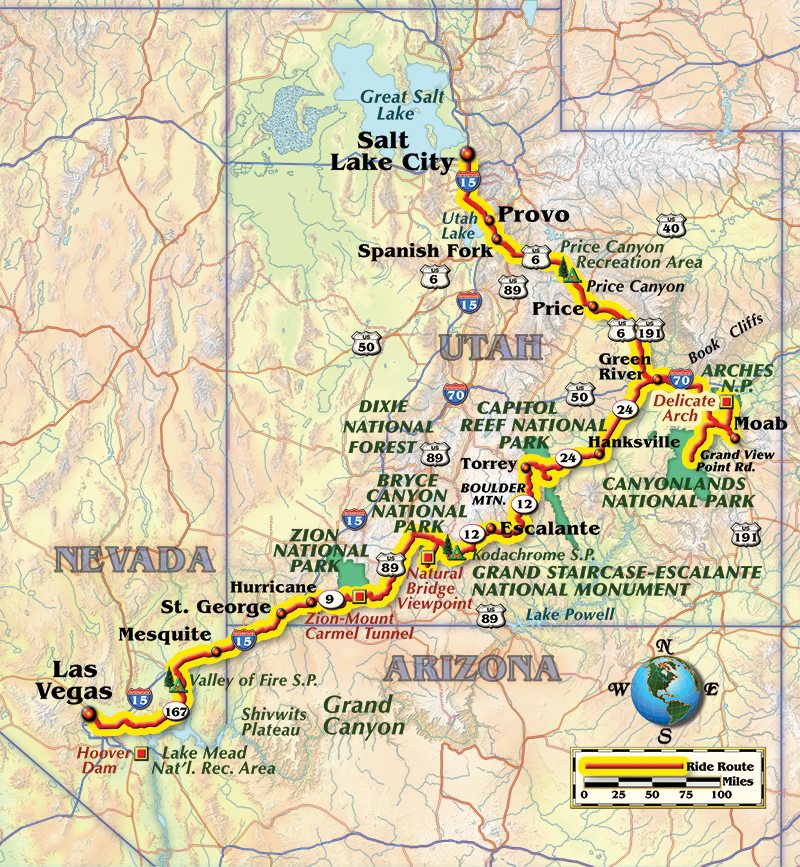
While not directly on Interstate 15, the detour to Zion National Park is a highly recommended excursion for those with extra time. Located just a short drive west of St. George, Zion is renowned for its colossal sandstone cliffs, narrow canyons, and diverse hiking trails. Visitors can marvel at iconic landmarks like Angels Landing and The Narrows. Even without a full day dedicated to hiking, a scenic drive through the park or a visit to the visitor center offers a glimpse into Utah’s natural grandeur. Nearby, the charming town of Springdale offers lodging and dining options for those wishing to extend their stay.
Cedar City and the Shakespeare Festival
Continuing north on Interstate 15, the route passes through Cedar City, a city nestled at a higher elevation and known for its vibrant arts scene. Cedar City is famously home to the Utah Shakespeare Festival, which draws theater enthusiasts from across the country during its season. If your road trip coincides with the festival, attending a performance can be a unique and memorable cultural experience. The city also serves as a gateway to outdoor recreation in the surrounding Dixie National Forest.
The Great Salt Lake Desert and Bonneville Salt Flats
As you approach Salt Lake City, the landscape opens up into the vast expanse of the Great Salt Lake Desert. The most iconic feature here is undoubtedly the Bonneville Salt Flats, a shimmering, almost otherworldly expanse of pure white salt. This unique geological wonder is famous for its use as a venue for land speed record attempts due to its incredibly flat and hard surface. A stop at the Bonneville Salt Flats offers unparalleled photographic opportunities and a chance to experience a landscape unlike any other. The sheer scale and stark beauty of this location are awe-inspiring.
Travel Options: Driving, Flying, and Alternative Modes
While the road trip along Interstate 15 is a popular and rewarding way to travel between Las Vegas and Salt Lake City, it is not the only option. Depending on time constraints and personal preferences, travelers can also consider flying or exploring other less conventional modes of transport.
The Convenience of Air Travel
For those prioritizing speed and efficiency, flying is the most direct option. McCarran International Airport in Las Vegas and Salt Lake City International Airport offer numerous daily flights between the two cities. The flight duration is typically around 1 hour and 15 minutes. This mode of transport is ideal for business travelers or individuals with limited vacation time who wish to maximize their experience at their destination. However, it bypasses the scenic beauty and the charming roadside attractions that make the road trip so appealing.
Bus and Rail Services
Intercity bus services also connect Las Vegas and Salt Lake City. While typically more economical than flying, bus journeys are considerably longer, often spanning 8 to 10 hours or more, depending on the route and stops. Similarly, while Amtrak offers passenger rail service across the United States, the route between these two specific cities is not a direct or particularly time-efficient option. Rail enthusiasts might find the journey appealing for its unique perspective, but it is generally not the preferred choice for those seeking to cover the distance swiftly.
Considerations for RV and Campervan Travel
For travelers who embrace a slower pace and a desire for flexibility, an RV or campervan journey offers a unique way to traverse the 420 miles. This allows for spontaneous stops at points of interest, national parks, and scenic overlooks that might otherwise be missed. The route through Utah offers numerous campgrounds and RV parks, particularly near popular destinations like Zion National Park and the Wasatch Mountains. While extending the travel time significantly, this method fosters a deeper connection with the landscape and provides an immersive travel experience. Planning for water and power hookups, as well as designated RV dump stations, is crucial for such a journey.
Arrival in Salt Lake City: Embracing Utah’s Capital
Upon completing the approximately 420-mile journey, travelers arrive in Salt Lake City, the capital and most populous city of Utah. Nestled in the Salt Lake Valley, at the base of the majestic Wasatch Mountains, the city offers a striking contrast to the vibrant energy of Las Vegas. Its urban landscape is characterized by a blend of modern architecture and historical sites, reflecting its rich history as the center of the Church of Jesus Christ of Latter-day Saints.
Key Attractions and Experiences
Salt Lake City boasts a wealth of attractions that cater to diverse interests. The iconic Temple Square, the heart of the LDS Church, is a must-visit, with its impressive architecture and well-maintained gardens. Visitors can explore the Salt Lake Temple, the Tabernacle (home to the world-renowned Tabernacle Choir at Temple Square), and the Joseph Smith Memorial Building. Beyond religious sites, the city offers the Natural History Museum of Utah, the Clark Planetarium, and a thriving culinary scene.
Outdoor Recreation Opportunities
The proximity of Salt Lake City to the Wasatch Mountains makes it a paradise for outdoor enthusiasts. In the winter, the “Greatest Snow on Earth” draws skiers and snowboarders to world-class resorts such as Alta Ski Area, Snowbird, and Park City Mountain Resort. Summer months offer opportunities for hiking, mountain biking, and exploring the many trails that crisscross the mountains. The nearby Great Salt Lake also provides unique recreational activities, including sailing and birdwatching.
Navigating Salt Lake City
Getting around Salt Lake City is relatively straightforward. The city has a public transportation system, UTA (Utah Transit Authority), which includes buses and a light rail system known as the TRAX lines. For those who prefer the freedom of their own vehicle, Interstate 15 provides convenient access to various parts of the city and surrounding areas. Parking is generally available, though it can be more challenging and costly in the downtown core. Understanding the city’s grid system, with streets generally oriented north-south and east-west, can aid in navigation.
LifeOutOfTheBox is a participant in the Amazon Services LLC Associates Program, an affiliate advertising program designed to provide a means for sites to earn advertising fees by advertising and linking to Amazon.com. Amazon, the Amazon logo, AmazonSupply, and the AmazonSupply logo are trademarks of Amazon.com, Inc. or its affiliates. As an Amazon Associate we earn affiliate commissions from qualifying purchases.