
Planning a road trip between two distinctly different, yet equally captivating, corners of California and Nevada involves understanding the geography that separates them. The question of “How far is Bakersfield from Las Vegas?” is a fundamental one for any traveler looking to bridge the gap between the agricultural heartland and the dazzling entertainment capital. This journey, while seemingly straightforward on a map, offers a variety of considerations for the discerning traveler, from the most efficient routes to the potential for scenic detours.
Understanding the Distance and Driving Routes
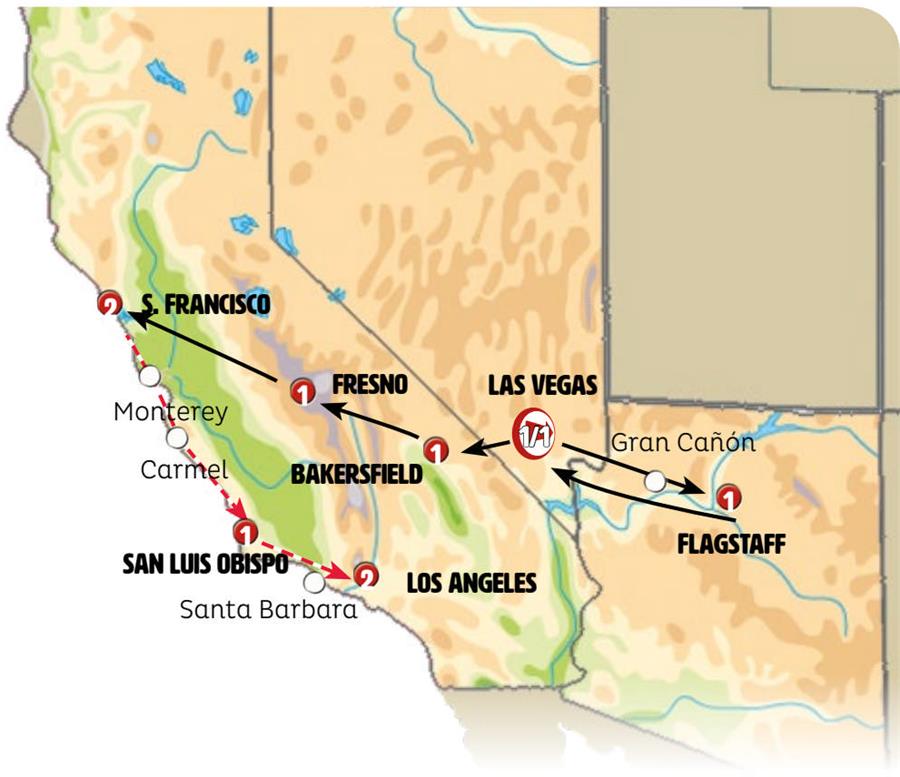
The direct distance between Bakersfield and Las Vegas is approximately 300 to 320 miles, depending on the specific starting and ending points within each city. However, the actual driving distance and time can fluctuate based on the chosen route, traffic conditions, and the number of stops made along the way. Generally, the drive can take anywhere from 4.5 to 6 hours, without significant delays.
The Most Direct Route: SR 58 East to I-15 North
The most commonly traveled and often the quickest route from Bakersfield to Las Vegas utilizes State Route 58 (SR 58) eastbound, which eventually merges with Interstate 15 (I-15) North.
- Starting in Bakersfield: Drivers will typically head east on SR 58, passing through towns like Tehachapi and the scenic Tehachapi Pass. This section of the drive offers glimpses of California’s agricultural and wind farm landscapes.
- Transition to I-15: SR 58 East will lead you towards Barstow, where you will connect with I-15 North. This is the primary artery that takes you directly into the greater Las Vegas area.
- Navigating I-15: As you drive on I-15 North, you’ll traverse through the Mojave Desert. This stretch is known for its vast, open landscapes and can be particularly hot during the summer months. It’s crucial to ensure your vehicle is in good condition and that you have ample water and fuel.
- Approaching Las Vegas: The final leg of the journey involves following I-15 North as it enters the Las Vegas Valley, leading you directly to the famous Las Vegas Strip or other destinations within the city.
This route is generally well-maintained and offers ample services, including gas stations and rest stops, particularly along I-15. However, it’s wise to check traffic conditions before departure, especially if traveling during peak holiday periods or on weekends, as I-15 can experience significant congestion.
Alternative Routes and Considerations
While the SR 58 to I-15 route is the most direct, there are alternative paths that travelers might consider, especially if they are looking for a different experience or if certain conditions make the primary route less appealing.
- Via Palmdale and Lancaster: An alternative involves heading south from Bakersfield towards Palmdale and Lancaster via highways like SR 99 South and SR 14 North, and then connecting to SR 58 East or heading further east to join I-15 North. This route can be longer but might be preferable for those who wish to experience more of the Antelope Valley region.
- Scenic Detours and Points of Interest: For the more adventurous traveler, the journey between Bakersfield and Las Vegas can be punctuated with stops at unique desert attractions. While not on the most direct path, venturing slightly off course could lead to visits to places like the Mojave National Preserve, which offers stunning desert vistas, unique geological formations, and a chance to experience the solitude of the desert. Another possibility, though a significant detour, is exploring areas around Death Valley National Park, though this would add considerable time and planning to the trip.
When considering alternative routes, it’s essential to factor in the increased mileage, potential for less frequent services, and the driving conditions of less traveled roads. Always have a reliable GPS or map, and inform someone of your travel plans.
Planning Your Road Trip: Essential Tips for the Journey
A road trip from Bakersfield to Las Vegas requires thoughtful preparation to ensure a safe, comfortable, and enjoyable experience. The transition from the temperate climate of the San Joaquin Valley to the arid desert environment of Southern Nevada necessitates careful consideration of vehicle maintenance, personal supplies, and timing.
Vehicle Preparation and Safety
Your vehicle is your lifeline on this desert journey. Before embarking, a thorough check is paramount.

- Tire Inspection: Ensure tires are properly inflated and have sufficient tread depth. The desert heat can put significant stress on tires, increasing the risk of blowouts. Checking the spare tire and ensuring you have the necessary tools to change it is also critical.
- Fluid Levels: Verify all fluid levels, including engine oil, coolant, brake fluid, and windshield washer fluid. Overheating is a common concern in desert climates, so ensuring your cooling system is in optimal condition is vital.
- Brakes: Test your brakes to ensure they are responsive and in good working order.
- Air Conditioning: Given the potential for extreme heat, a functioning air conditioning system is not just a comfort but a safety feature, helping to prevent heat exhaustion.
- Emergency Kit: Pack an emergency kit that includes jumper cables, a first-aid kit, a flashlight, blankets, and non-perishable food and water.
What to Pack and Bring
Beyond vehicle readiness, personal preparedness is key to a successful road trip across the desert.
- Hydration: Carry an abundance of water. The dry desert air can dehydrate you quickly, even if you don’t feel intensely hot. Aim for at least one gallon of water per person per day of travel, even for a single-day drive, as a safety buffer.
- Snacks: Pack non-perishable snacks like granola bars, trail mix, and fruit. While there are services along I-15, having provisions can be a lifesaver, especially if unexpected delays occur.
- Sun Protection: Bring sunscreen with a high SPF, hats, sunglasses, and lip balm with SPF. The desert sun is intense, and protection is essential to prevent sunburn and heatstroke.
- Appropriate Clothing: Pack lightweight, breathable clothing. Layers are advisable, as temperatures can fluctuate, especially if traveling in the shoulder seasons. A light jacket or sweater might be useful for cooler desert evenings.
- Navigation Tools: While GPS devices and smartphone apps are incredibly useful, it’s wise to have a physical map as a backup, especially in areas where cell service might be spotty.
Timing Your Departure and Travel
The time of day and year can significantly impact your driving experience.
- Avoid Midday Heat: If possible, plan your drive to avoid the hottest parts of the day, particularly during the summer months (June through September). An early morning departure from Bakersfield can get you to Las Vegas before the most extreme heat sets in.
- Weather Considerations: Be aware of weather forecasts. While the desert is generally dry, flash floods can occur in washes and canyons after heavy rains. Dust storms are also a possibility in certain conditions.
- Holiday Travel: If traveling during major holidays or weekends, expect increased traffic, especially on I-15. Booking accommodations in Las Vegas in advance is highly recommended during these periods.
By taking these preparatory steps, travelers can transform the journey from Bakersfield to Las Vegas into a smooth and memorable part of their overall travel experience, setting the stage for the excitement that awaits in the vibrant city of Las Vegas.
Exploring Beyond the Drive: What to Expect Upon Arrival in Las Vegas
Upon completing the drive from Bakersfield to Las Vegas, travelers are greeted by a city that offers a stark and exhilarating contrast to the serene desert landscapes they have traversed. The distance, approximately 300-320 miles, is a gateway to an entertainment mecca renowned for its world-class casinos, extravagant resorts, and a pulsating nightlife that draws millions each year.
The Allure of the Las Vegas Strip
The iconic Las Vegas Strip is a nearly four-mile stretch of Las Vegas Boulevard South that is home to a constellation of themed hotels, each a destination in itself. From the romantic canals of The Venetian and the replica Eiffel Tower at Paris Las Vegas to the Bellagio’s mesmerizing Fountains and the opulence of The Bellagio, the Strip offers an unparalleled visual and sensory experience.
- Accommodation Options: Hotels on the Strip range from budget-friendly to ultra-luxury, catering to every kind of traveler. Many feature expansive casino floors, diverse dining options from celebrity chef restaurants to casual eateries, and elaborate entertainment venues.
- Entertainment Galore: Beyond gambling, Las Vegas is a global hub for live entertainment. Visitors can catch world-renowned musical acts, spectacular production shows like Cirque du Soleil, stand-up comedy, and championship boxing matches.
- Dining and Nightlife: The culinary scene in Las Vegas is second to none, with an impressive array of international cuisines and fine dining establishments. The city’s nightlife is equally vibrant, with rooftop bars offering panoramic views, exclusive nightclubs, and intimate lounges.
Exploring Downtown Las Vegas and Beyond
While the Strip garners much of the attention, Downtown Las Vegas, also known as Fremont Street, offers a different, more nostalgic, and perhaps more authentic, flavor of the city.
- Fremont Street Experience: This pedestrian mall is famous for its dazzling Viva Vision light canopy show, live music, and street performers. It’s a more compact and historic area, featuring older, classic Las Vegas casinos.
- Arts District: For those seeking a more bohemian vibe, the Arts District offers a collection of galleries, vintage shops, and unique eateries.
- Off-Strip Attractions: Venture further afield to discover attractions like the Hoover Dam, a monumental feat of engineering offering historical tours and stunning views, or the natural beauty of Red Rock Canyon National Conservation Area, a short drive from the city, providing hiking and scenic drives amidst dramatic desert landscapes.
The journey from Bakersfield to Las Vegas is more than just a drive; it’s a transition from the practicalities of agricultural life to the exhilarating fantasy of a world-famous entertainment destination. Understanding the distance, planning the route, and preparing for the unique environment are all integral components of making this cross-state adventure a resounding success.
LifeOutOfTheBox is a participant in the Amazon Services LLC Associates Program, an affiliate advertising program designed to provide a means for sites to earn advertising fees by advertising and linking to Amazon.com. Amazon, the Amazon logo, AmazonSupply, and the AmazonSupply logo are trademarks of Amazon.com, Inc. or its affiliates. As an Amazon Associate we earn affiliate commissions from qualifying purchases.