
The allure of Las Vegas has long captivated travelers from Los Angeles, offering a vibrant escape with its dazzling lights, world-class entertainment, and an array of unique experiences. This proximity makes it an incredibly popular weekend getaway, road trip destination, or even a spontaneous excursion for Angelenos. Understanding the distance, travel times, and the various ways to make the journey is crucial for planning an efficient and enjoyable trip. Whether you’re seeking the thrill of the casino floor, a gourmet dining experience, or a show that will leave you breathless, knowing the logistics of reaching the “Entertainment Capital of the World” is the first step to maximizing your adventure.
The Road Less Traveled (And The Fastest One)
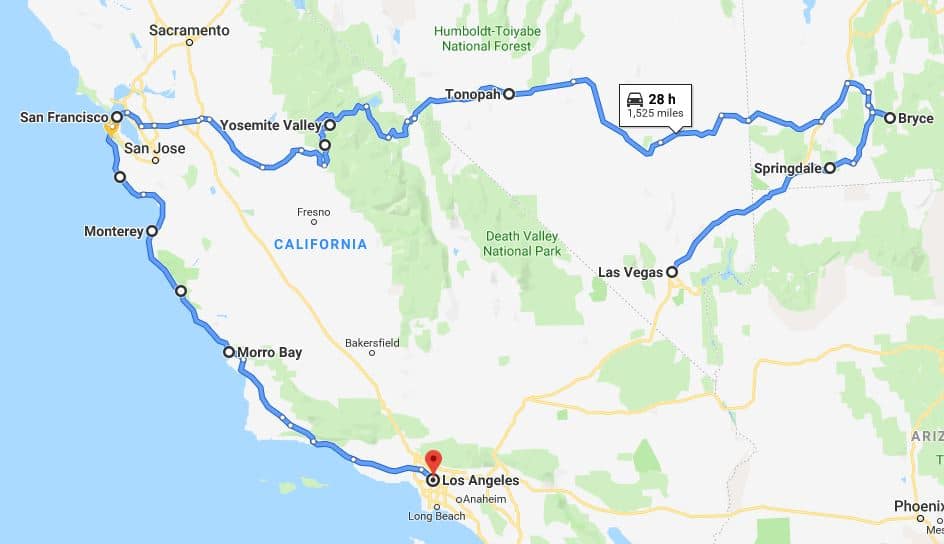
The most common and often the most flexible way to travel between Los Angeles and Las Vegas is by car. This journey, primarily along Interstate 15 North (I-15 N), is a well-trodden path for many.
Driving Distance and Time
The approximate driving distance from Los Angeles to Las Vegas is around 270 miles (435 kilometers). This mileage can vary slightly depending on your specific starting point within the vast expanse of Los Angeles County and your final destination in Las Vegas, which is often referred to as the Las Vegas Strip or Downtown.
Under ideal conditions, the drive can take anywhere from 4 to 5 hours. However, this is a figure that is frequently subject to significant fluctuations. Traffic is the primary variable, especially when departing Los Angeles during peak hours, such as Friday afternoons, or returning to Los Angeles on Sunday evenings. The infamous traffic congestion on I-15 can easily add an hour or more to your travel time.
Key Considerations for the Road Trip
- Traffic: As mentioned, traffic is the most significant factor. Planning your departure and return times to avoid rush hour in both cities, particularly the Inland Empire and the San Bernardino metropolitan area, can save you considerable time and frustration. Early morning departures on Fridays and late Sunday returns are notorious for congestion.
- Rest Stops and Fuel: Along I-15 N, you’ll find numerous service areas and towns offering fuel, food, and rest stops. Popular stops include Barstow and Baker. It’s advisable to fill up your gas tank before leaving the greater Los Angeles area and to be mindful of fuel levels as you enter more remote stretches of the Mojave Desert.
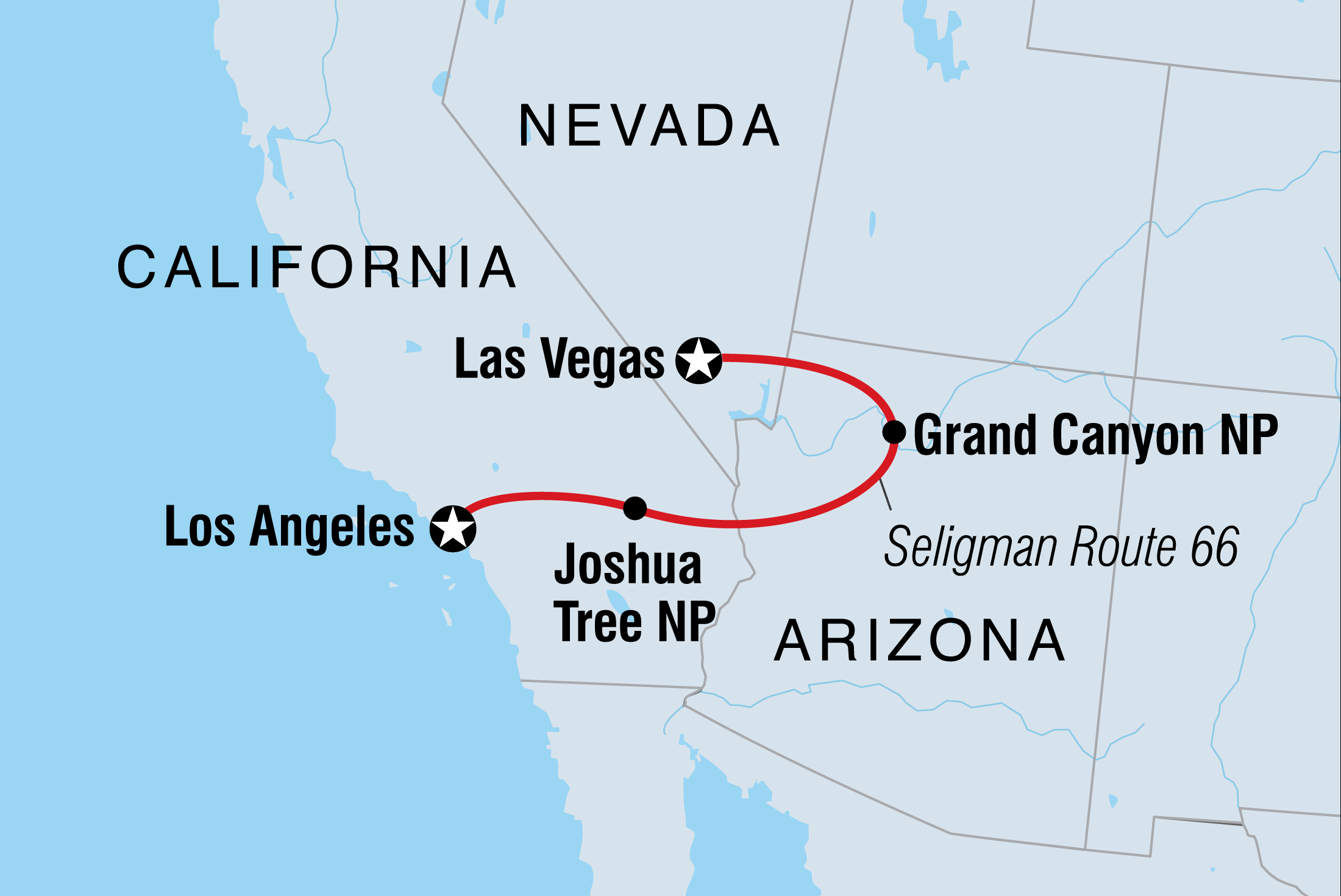
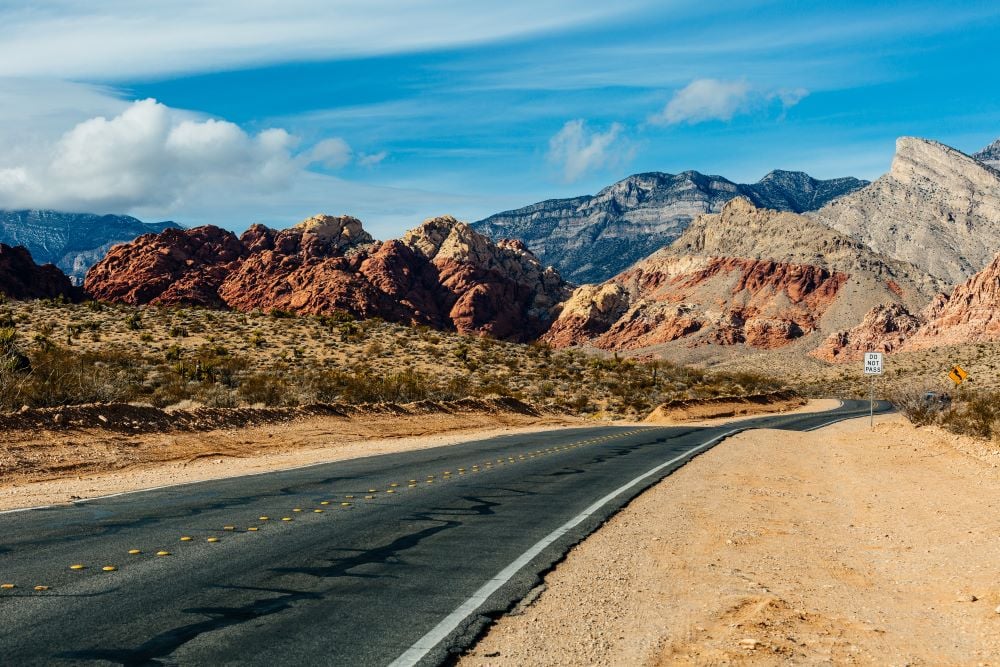
- Scenery: The drive itself offers a transition from urban sprawl to the stark beauty of the Mojave Desert. While not as dramatically scenic as some other road trips, the vastness of the desert landscape, the towering Joshua trees, and the unique rock formations provide a distinctive visual experience.
- Weather: Be prepared for desert weather. Summers can be extremely hot, with temperatures often exceeding 100°F (38°C). Winters are generally mild but can bring cooler temperatures and occasional dust storms. It’s always wise to check the weather forecast before you depart.
- Vehicle Maintenance: Ensure your vehicle is in good condition, especially tires and cooling systems, given the potential for high temperatures and long stretches without immediate assistance.
Beyond the Wheel: Alternative Travel Options
While driving offers the most flexibility, several other modes of transportation provide convenient ways to reach Las Vegas from Los Angeles, each with its own set of advantages.
Flying: The Speediest Solution
For those prioritizing time above all else, flying is the clear winner. Several airlines operate frequent flights between Los Angeles International Airport (LAX) and McCarran International Airport (LAS) in Las Vegas.
Flight Details
- Flight Duration: The actual flight time is remarkably short, typically around 1 hour to 1 hour and 30 minutes.
- Total Travel Time: When factoring in travel to and from airports, security checks, boarding, and deplaning, the total door-to-door travel time can range from 4 to 6 hours, depending on airport efficiency and proximity of your accommodations to the airport.
- Airports: Major airports serving the Los Angeles area include LAX, Hollywood Burbank Airport (BUR), Long Beach Airport (LGB), and Ontario International Airport (ONT).
- Cost: Airfare prices can vary significantly based on the airline, time of booking, and season. It is often more expensive than driving, especially for groups.
Bus Services: A Budget-Friendly Choice
For budget-conscious travelers, bus services offer a more economical, albeit longer, alternative. Several companies operate routes between Los Angeles and Las Vegas.
Bus Travel Insights
- Travel Time: Bus journeys typically take between 6 to 8 hours, sometimes longer, depending on the number of stops and traffic conditions.
- Comfort and Amenities: Modern buses often provide amenities such as Wi-Fi, power outlets, and reclining seats, making the extended journey more bearable.
- Departure Points: Buses usually depart from various locations within Los Angeles, often near downtown or major transit hubs.
- Cost-Effectiveness: This is usually the cheapest option, especially for solo travelers or couples looking to minimize travel expenses.
Train: A Scenic, Though Less Direct, Route
While not as direct or common as other methods, traveling by train is an option, though it typically involves transfers and a longer overall journey.
Train Travel Considerations
- Route: Amtrak offers services that can connect Los Angeles to Las Vegas, but it’s not a direct line. Passengers often travel from Los Angeles Union Station to a connection point, such as Barstow, and then take a bus the remainder of the way.
- Travel Time: This route is significantly longer than driving or flying, often taking 8 hours or more.
- Experience: For those who enjoy the journey as much as the destination, the train can offer a more relaxed and scenic experience, allowing you to see parts of Southern California and the desert landscape at a slower pace.
- Cost: Train tickets can be comparable to or even more expensive than flying, depending on the booking class and availability.
Planning Your Journey: Essential Tips for a Seamless Trip
Regardless of your chosen mode of transportation, thorough planning is key to a smooth and enjoyable trip from Los Angeles to Las Vegas.
Pre-Trip Preparations
- Book in Advance: For flights and popular bus routes, booking in advance can secure better prices and ensure availability, especially for weekend travel. Train tickets should also be booked ahead of time.
- Accommodation: Las Vegas offers a vast array of hotels, from luxurious resorts on the Strip like Bellagio and Caesars Palace to more budget-friendly options downtown or off-Strip. Booking your hotel in advance is highly recommended, particularly during major events or holidays.
- Entertainment and Dining: Popular shows, concerts, and sought-after restaurants often require reservations months in advance. Researching and booking these experiences ahead of time will prevent disappointment.
- Vehicle Check (if driving): If you’re driving, ensure your car is serviced. Check tire pressure, oil, coolant, and brakes. Pack an emergency kit with water, snacks, a first-aid kit, and a phone charger.
- Navigation: Download offline maps or ensure you have a reliable GPS system, as cell service can be spotty in certain desert areas.
During Your Trip
- Stay Hydrated: Especially in the desert climate, drinking plenty of water is essential, even if you’re just passing through.
- Factor in Time Zones: While both Los Angeles and Las Vegas observe Pacific Time (PT), it’s always good to be aware.
- Flexibility: While planning is crucial, build some flexibility into your itinerary. Traffic delays or unexpected opportunities can arise, and being able to adapt will enhance your experience.
- Enjoy the Journey: Whether you’re cruising down I-15, soaring through the skies, or enjoying the changing scenery from a bus or train window, remember that the journey itself is part of the adventure to the glittering oasis of Las Vegas.