
The allure of the desert landscape, punctuated by the shimmering expanse of Lake Havasu, beckons many a traveler seeking an escape from the dazzling lights of Las Vegas. While both destinations offer unique experiences, understanding the geographical relationship between them is crucial for planning a seamless road trip or a multi-destination adventure. This guide delves into the distances, travel times, and practical considerations for journeying from the vibrant energy of Las Vegas to the tranquil waters of Lake Havasu.
The Direct Route: Distance and Driving Time
The most common and direct route from Las Vegas to Lake Havasu traverses a significant portion of the Mojave Desert. The primary highway utilized for this journey is U.S. Route 95 South, which eventually connects to State Route 95 South and then State Route 68 West, leading directly into Lake Havasu City.

Driving Distance
The total driving distance between Las Vegas and Lake Havasu is approximately 180 to 190 miles (290 to 306 kilometers). This figure can vary slightly depending on the specific starting point within Las Vegas and the exact destination within Lake Havasu City. For instance, departing from the Las Vegas Strip and arriving at the London Bridge in Lake Havasu would generally fall within this range.
Estimated Driving Time
Under normal traffic conditions and without significant stops, the estimated driving time for this route is typically between 3 hours and 3 hours and 30 minutes. Several factors can influence this duration, including:
- Traffic Congestion: While the route largely avoids major metropolitan traffic after leaving the Las Vegas valley, periods of heavy local traffic near either endpoint can add time.
- Road Construction: Unexpected road work or closures, especially along U.S. Route 95, can cause delays. It’s always advisable to check local traffic reports before departing.
- Weather Conditions: The desert climate can present challenges, particularly during summer months with extreme heat. Dust storms, though less common, can also reduce visibility and slow travel.
- Stops and Breaks: This estimated time does not include stops for gas, food, or rest. Most travelers will want to factor in at least one significant stop, which can add an hour or more to the overall journey.
Alternative Routes and Considerations
While the direct route is the most efficient, a few alternative paths exist, offering different scenic opportunities or logistical advantages depending on your travel plans.
Scenic Detours
For those with more time and a desire to explore the surrounding desert landscapes, a slight detour could be considered. However, these are generally less direct and will significantly increase travel time. One such possibility might involve venturing further south on U.S. Route 95 before heading west, potentially passing through smaller desert towns that offer a glimpse into local life. These routes are best suited for travelers with a flexible itinerary and a spirit of exploration.
Travel Options Beyond Personal Vehicles
While driving a personal vehicle or a rental car is the most common method of travel between Las Vegas and Lake Havasu, other options, though less prevalent, may exist.
- Ride-Sharing Services: Long-distance ride-sharing is not a typical or cost-effective option for this route.
- Private Transportation: For those seeking ultimate convenience and a luxurious travel experience, private car services or charter buses can be arranged. These options come at a premium but offer a door-to-door service tailored to individual needs.
- Air Travel: There are no direct commercial flights between Las Vegas and Lake Havasu. The nearest regional airport with scheduled commercial service to Lake Havasu City is Laughlin/Bullhead International Airport (IFP), which is still a considerable drive from Lake Havasu City itself. Flying would involve a flight from McCarran International Airport (LAS) to a larger hub, then a connecting flight to a smaller regional airport, followed by a ground transfer. This is generally not a practical or time-saving option for this specific journey.
Planning Your Journey: Stops and Amenities
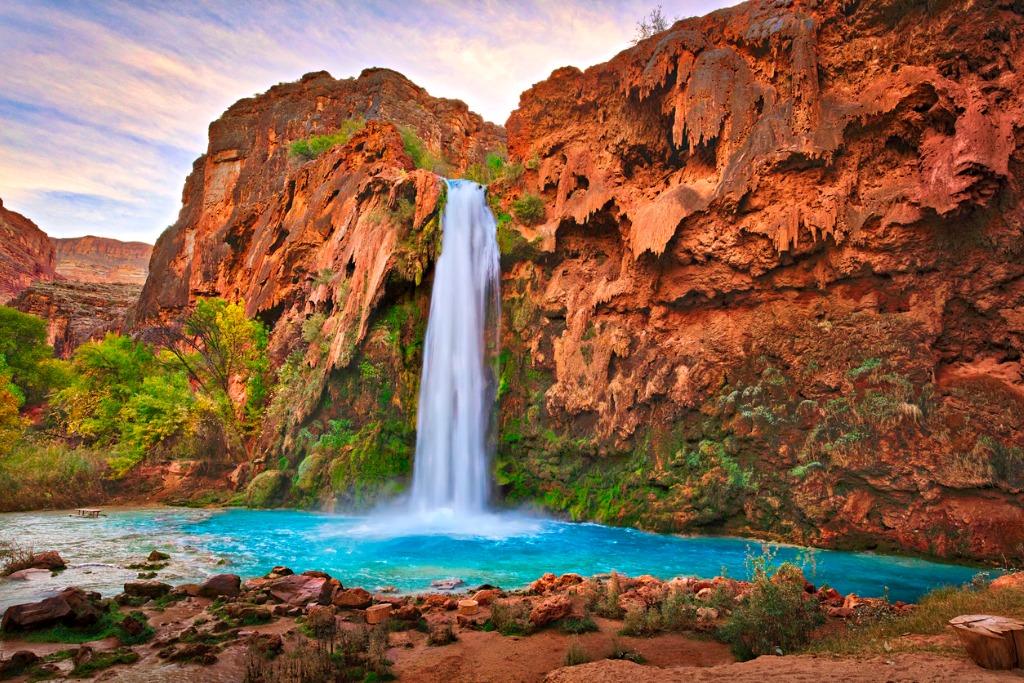
The drive from Las Vegas to Lake Havasu is a journey through arid beauty, and planning your stops can enhance the experience.
Mid-Point Stops and Rest Areas
The most logical place for a break is often around the halfway point of the journey. Towns like Searchlight, Nevada, or Fort Mojave Reservation, Arizona, offer basic amenities, including gas stations and convenience stores. However, these are generally small communities with limited dining and extensive services.
For more substantial breaks with a wider array of dining and restroom facilities, it’s advisable to plan a stop closer to the larger towns along U.S. Route 95 in Nevada or upon crossing into Arizona. Many travelers opt to stop for lunch or a longer rest shortly after leaving the Las Vegas metropolitan area or closer to their destination.
Fuel and Services
It is crucial to ensure your vehicle is adequately fueled before departing Las Vegas, as gas stations can be sparse in certain stretches of the desert. While there are stations in Searchlight and along the highways, it’s wise to fill up whenever you see a reliable station, especially if your fuel gauge is nearing half-empty. Lake Havasu City itself has numerous gas stations, so refueling upon arrival is also an option.
Amenities in Lake Havasu City
Upon reaching Lake Havasu, you will find a well-developed city with a full range of amenities. This includes:
- Accommodation: A variety of hotels, motels, resorts, and vacation rentals are available, catering to different budgets and preferences. Options range from budget-friendly motels to luxurious lakeside resorts.
- Dining: Numerous restaurants, from casual diners to fine dining establishments, offer diverse culinary experiences.
- Shopping: Retail stores, grocery stores, and specialty shops are readily accessible.
- Recreation: As a premier watersports destination, Lake Havasu offers boat rentals, jet ski rentals, and numerous opportunities for swimming, fishing, and other aquatic activities.
- Attractions: Beyond the iconic London Bridge, the city boasts parks, museums, and scenic viewpoints.
Preparing for Your Desert Drive
The drive from Las Vegas to Lake Havasu is a quintessential desert road trip. Proper preparation is key to ensuring a safe and enjoyable experience.
Vehicle Readiness
Before embarking on this journey, ensure your vehicle is in good working order.
- Tires: Check tire pressure and tread depth. Desert terrain and heat can put extra strain on tires.
- Fluids: Ensure all fluid levels (coolant, oil, windshield washer fluid) are topped up.
- Brakes: A routine brake check is always recommended for any road trip.
- Emergency Kit: Pack an emergency kit including jumper cables, a first-aid kit, a flashlight, basic tools, and water.
Essential Packing
Beyond your personal luggage, consider these essentials for a desert drive:
- Water: Carry ample water for all passengers, exceeding your estimated needs. Staying hydrated is paramount in the desert.
- Snacks: Non-perishable snacks are useful for any unexpected delays or lengthy drives.
- Sun Protection: Sunscreen, hats, and sunglasses are essential to protect against the intense desert sun.
- Navigation: While GPS is readily available, having a physical map as a backup can be beneficial, especially in areas with spotty cell service.
- Entertainment: Download music, podcasts, or audiobooks to make the drive more enjoyable.
The journey from Las Vegas to Lake Havasu is a relatively straightforward drive, offering a stark contrast in environments. By understanding the distance, travel time, and practical considerations, travelers can transition smoothly from the neon glow of the city to the serene waters of the lake, embarking on an unforgettable desert adventure.
LifeOutOfTheBox is a participant in the Amazon Services LLC Associates Program, an affiliate advertising program designed to provide a means for sites to earn advertising fees by advertising and linking to Amazon.com. Amazon, the Amazon logo, AmazonSupply, and the AmazonSupply logo are trademarks of Amazon.com, Inc. or its affiliates. As an Amazon Associate we earn affiliate commissions from qualifying purchases.