
The allure of the Neon City and the majestic natural beauty of Zion National Park present a compelling dichotomy for travelers. Many visitors to Las Vegas consider a detour to this natural wonderland, drawn by the promise of dramatic canyons, emerald pools, and unparalleled hiking opportunities. Understanding the distance and travel logistics between these two iconic Nevada and Utah destinations is crucial for effective planning. This exploration delves into the various ways to make this journey, from driving times to alternative routes and considerations for a seamless transition between the urban excitement of Las Vegas and the serene grandeur of Zion.
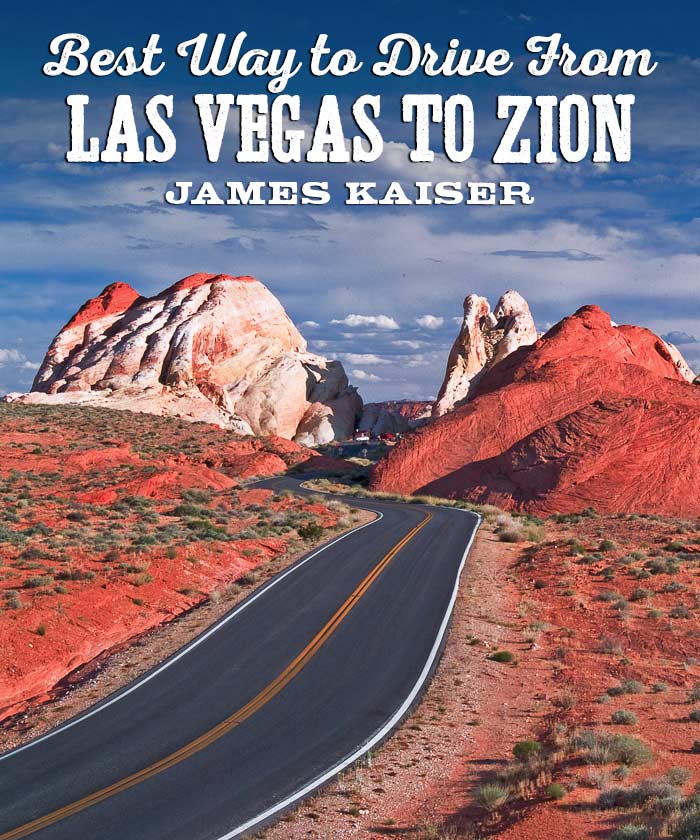
Driving Distances and Routes
The most common and direct method of travel between Las Vegas and Zion National Park is by car. This offers the utmost flexibility, allowing travelers to set their own pace and make spontaneous stops.
The Direct Route
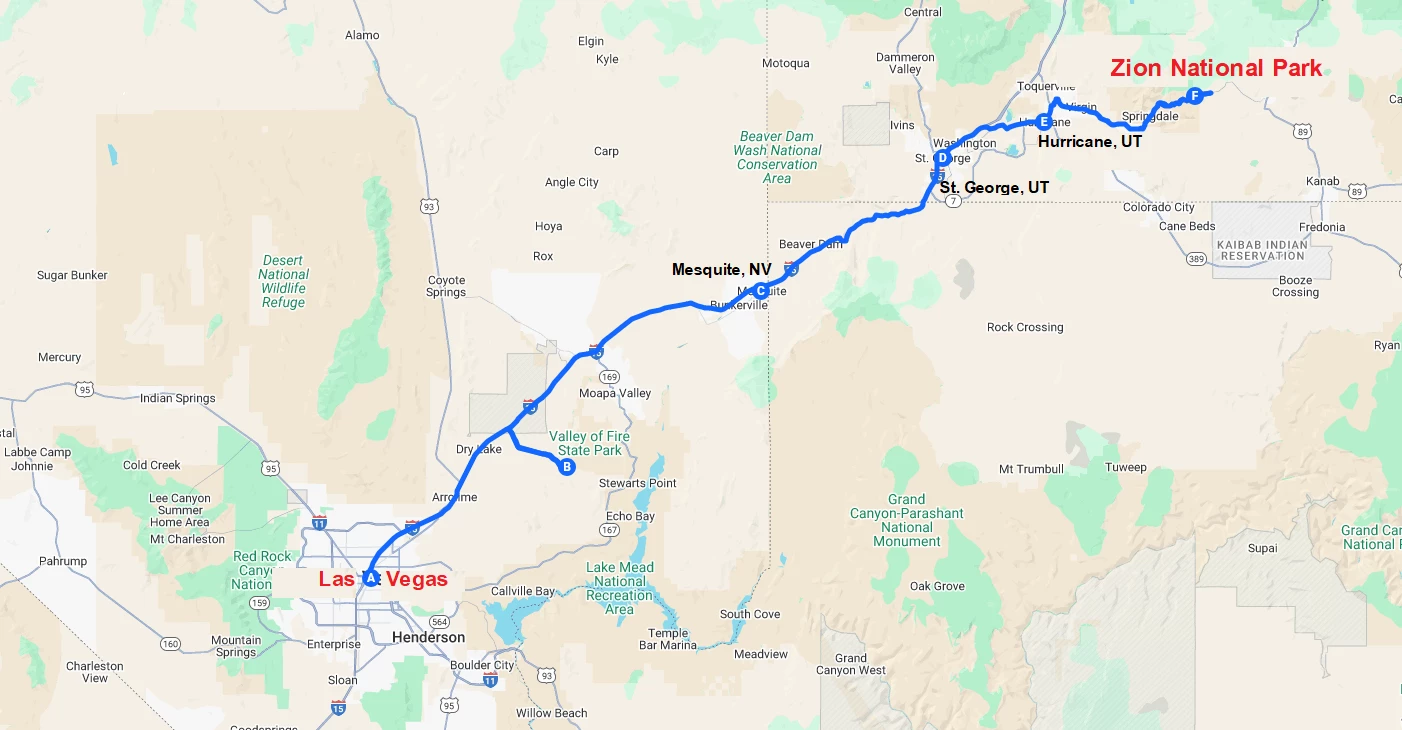
The primary route involves heading north out of Las Vegas on Interstate 15 North. This highway is well-maintained and offers a straightforward drive for the majority of the journey. The distance is approximately 160 miles, and under optimal conditions, the drive typically takes around 2.5 to 3 hours.
- Initial Leg: From Las Vegas, you’ll navigate through the outskirts of the city and enter the vast desert landscape of Nevada. The scenery, while arid, possesses its own stark beauty, with distant mountain ranges and wide-open skies.
- Crossing the Border: After roughly 1.5 to 2 hours, you will cross the state line into Utah. The terrain begins to change subtly, with more prominent rock formations appearing on the horizon.
- The Final Stretch to Zion: As you approach your destination, you’ll take Exit 16 off of Interstate 15 North, following signs for State Route 9 East. This scenic byway winds through the charming town of Springdale, the gateway to Zion National Park. The final miles offer tantalizing glimpses of the towering sandstone cliffs that define the park’s iconic landscape.
Considerations for the Drive:
- Traffic: While generally uncongested, traffic leaving Las Vegas on a Friday afternoon or returning on a Sunday evening can be heavy. Factor in potential delays, especially if traveling during peak hours or holiday weekends.
- Gas: There are numerous gas stations along Interstate 15 in Nevada and just after crossing into Utah. However, it’s always wise to ensure your tank is sufficiently full before embarking on the drive, particularly if you plan on exploring scenic detours.
- Rest Stops: Ample rest areas are available along Interstate 15 for breaks and to stretch your legs.
- Scenic Detours: For those with extra time and a desire to experience more of the regional landscape, several scenic routes can be incorporated. One popular option is to take State Route 15 West from St. George towards Kolob Canyons, an often-overlooked section of Zion National Park accessible from the interstate. This adds significant time but offers a unique perspective on the park’s geology.
Alternative Routes and Their Implications
While the Interstate 15 route is the most direct, alternative paths exist that can offer a different experience, albeit with increased travel time.
- The Scenic Southern Approach (via State Route 143): This route is significantly longer and more circuitous but rewards travelers with breathtaking alpine scenery in the Cedar Breaks National Monument area before descending towards Zion. It typically adds several hours to the journey and is best undertaken by those with ample time and a passion for diverse landscapes. This route would involve heading north on I-15 to Parowan, then taking State Route 143 east to State Route 14, and eventually connecting to State Route 9 which leads to Zion.
Factors to Consider for Alternative Routes:
- Time Commitment: These routes are best suited for multi-day trips where the journey itself is part of the adventure.
- Road Conditions: Mountain roads can be subject to weather-related closures, especially during winter months. Always check road conditions before departure.
- Vehicle Suitability: While most standard vehicles can manage these roads, a vehicle with good clearance might be beneficial for some unpaved access points.
Travel Time Variations and Factors
The estimated driving times between Las Vegas and Zion National Park are based on ideal conditions. However, several factors can significantly influence the actual travel duration.
Peak Travel Seasons
The popularity of both Las Vegas and Zion National Park means that travel times can be affected by the influx of visitors.
- Spring (March-May): This is a prime time for visiting Zion as the weather is pleasant for hiking. Las Vegas also experiences high visitor numbers, particularly during major conventions and holidays like Spring Break. Expect moderate to heavy traffic leaving Las Vegas and increased congestion on the roads leading into and within Zion National Park.
- Summer (June-August): While Las Vegas can be extremely hot, Zion is a popular summer destination, though heat can be a significant factor for hikers. This period sees substantial crowds at both locations, leading to potential delays. The drive itself might remain consistent, but access into the park can be time-consuming due to shuttle systems and parking limitations.
- Fall (September-November): Autumn offers cooler temperatures and beautiful fall foliage in the higher elevations around Zion. Las Vegas continues to draw crowds, especially during weekends and events. Traffic can be considerable, particularly on Friday afternoons and Sundays.
- Winter (December-February): Las Vegas remains a year-round destination, though its nightlife and entertainment are the primary draw. Zion National Park experiences fewer visitors, offering a more tranquil experience, but some trails may be closed due to snow or ice. Travel times are generally shorter, but it’s crucial to check weather and road conditions, as snow can impact I-15 and the roads within Zion.
Time of Day and Day of the Week
The time of day and the specific day of the week you choose to travel can significantly impact your journey.
- Weekday Mornings: Departing Las Vegas early on a weekday morning (before 8 AM) is often the best way to avoid commuter traffic and enjoy a smoother drive.
- Weekday Afternoons/Evenings: As the day progresses, traffic in and around Las Vegas will increase. Returning to Las Vegas on a Sunday afternoon can involve significant delays as weekend visitors head home.
- Weekends: Fridays are notorious for outgoing weekend traffic from Las Vegas. Similarly, Sunday afternoons see a surge of returning traffic.
Weather Conditions
Weather plays a vital role in travel safety and efficiency, especially when venturing between urban environments and natural landscapes.
- Desert Heat: Nevada and parts of southern Utah can experience extreme heat, particularly during summer months. This can make driving uncomfortable and increases the risk of heat-related issues if you stop to explore. Ensure your vehicle’s air conditioning is in good working order.
- Monsoon Season: From mid-July to mid-September, the southwestern United States experiences a monsoon season. While these storms can bring welcome rain, they can also cause flash floods, especially in canyons like those found in Zion National Park. Flash floods can lead to road closures and hazardous driving conditions. Always check weather forecasts and park alerts.
- Winter Conditions: While less common in the desert lowlands, snow and ice can occur on Interstate 15, particularly at higher elevations. This can lead to reduced speeds, temporary closures, and the need for caution. Roads within Zion National Park can also be affected by snow and ice, impacting access to certain areas.
Planning Your Transition: From City Lights to Canyon Vistas
The decision to travel from Las Vegas to Zion National Park signifies a desire for contrasting experiences. Careful planning ensures a smooth and enjoyable transition between these vastly different environments.
Accommodation Considerations
- In Las Vegas: Visitors often choose from an extensive array of hotels and resorts on or near the Las Vegas Strip, offering everything from budget-friendly options to ultra-luxury accommodations. Staying in Las Vegas the night before your drive to Zion allows for a relaxed morning departure.
- Near Zion National Park: The primary gateway to Zion is the town of Springdale. Here, you’ll find a range of lodging options, including charming inns, motels, and boutique hotels. Booking accommodation in Springdale well in advance is highly recommended, especially during peak seasons, as options can fill up quickly. Alternative lodging can be found in nearby towns such as Hurricane and La Verkin, which are a short drive from the park entrance. For a more rustic experience, campgrounds within Zion National Park are also available, though they require early reservations.
Packing Essentials for Both Destinations
The vastly different environments of Las Vegas and Zion National Park necessitate different packing strategies.
- For Las Vegas: Think stylish attire for evenings out, comfortable shoes for walking the Strip, swimwear for pool time, and perhaps some cooler clothing for daytime excursions. Sun protection is still important due to the desert climate.
- For Zion National Park: Focus on practical, outdoor gear. This includes sturdy hiking boots, moisture-wicking clothing layers, a wide-brimmed hat, sunglasses, sunscreen, a reusable water bottle (essential for hydration), and a small backpack for day hikes. A lightweight rain jacket is advisable, especially during monsoon season. Binoculars can enhance wildlife viewing.
Timing Your Visit for Optimal Experience
The duration of your stay in each location will influence your travel plans.
- Day Trip from Las Vegas: A day trip to Zion from Las Vegas is ambitious but possible for those with limited time. It involves an early departure and a late return, allowing for a few hours to explore the main canyon. This option is best suited for those who want a taste of Zion’s grandeur without an overnight stay.
- Overnight Stays: For a more immersive experience, dedicating at least one night to Zion National Park is highly recommended. This allows for hiking trails, scenic drives, and time to appreciate the park’s unique geological formations at a more relaxed pace. It also provides the opportunity to witness sunrise or sunset over the canyons, a truly magical experience.
- Extended Stays: Combining Las Vegas with Zion can easily be extended into a week-long or longer trip. This allows for deeper exploration of Zion, perhaps venturing into lesser-known areas or enjoying more strenuous hikes, and also ample time to enjoy the entertainment and dining options in Las Vegas.
By understanding the distances, routes, and influencing factors, travelers can effectively plan their journey from the vibrant entertainment capital of Las Vegas to the awe-inspiring natural beauty of Zion National Park, ensuring a memorable and well-executed travel experience.
LifeOutOfTheBox is a participant in the Amazon Services LLC Associates Program, an affiliate advertising program designed to provide a means for sites to earn advertising fees by advertising and linking to Amazon.com. Amazon, the Amazon logo, AmazonSupply, and the AmazonSupply logo are trademarks of Amazon.com, Inc. or its affiliates. As an Amazon Associate we earn affiliate commissions from qualifying purchases.