
Embarking on a journey from the glittering Strip of Las Vegas to the majestic landscapes of Utah is a popular choice for travelers seeking a dynamic shift in scenery and experiences. This transition often marks a move from the intoxicating energy of the desert metropolis to the breathtaking natural wonders that define the Beehive State. Understanding the distance and various travel options is key to planning a seamless and enjoyable adventure.
The proximity between these two iconic destinations makes them an ideal pairing for a multifaceted vacation. Whether you’re drawn by the allure of slot machines and world-class entertainment in Nevada or the towering red rock formations and vast national parks of Utah, the route offers a spectrum of possibilities. The answer to “how far” is not a single number, but rather a gateway to a variety of travel times and scenic routes, each offering its own unique charm and set of considerations.
Driving Distances and Times
The most direct and commonly traveled route from Las Vegas to Utah primarily depends on your specific destination within the state. However, a general overview can be provided for the most frequented areas.
To Southern Utah’s Mighty 5
Many travelers from Las Vegas head towards the renowned “Mighty 5” national parks of Utah. This region offers some of the most spectacular natural beauty in the United States.
Zion National Park
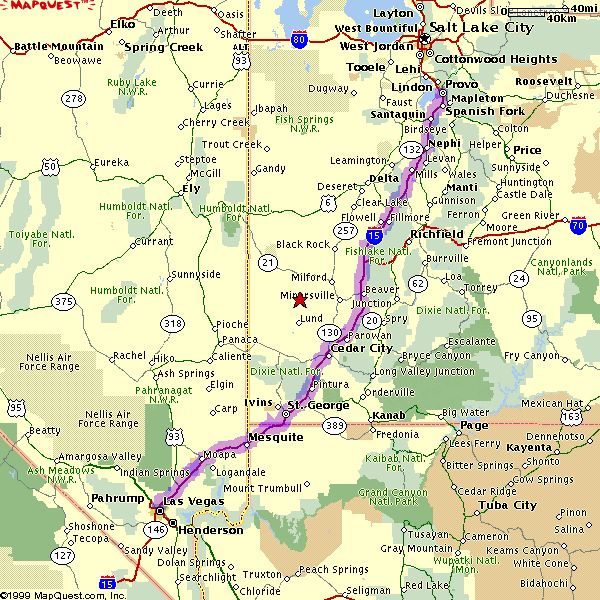
One of the most accessible and popular destinations is Zion National Park. The drive from Las Vegas to the park’s south entrance, near Springdale, Utah, is approximately 160 miles. This journey typically takes around 2.5 to 3 hours, depending on traffic conditions and your pace. The route largely follows I-15 North, a well-maintained interstate highway. This drive is scenic in its own right, transitioning from the arid plains surrounding Las Vegas to the dramatic desert vistas as you approach Utah.
Bryce Canyon National Park
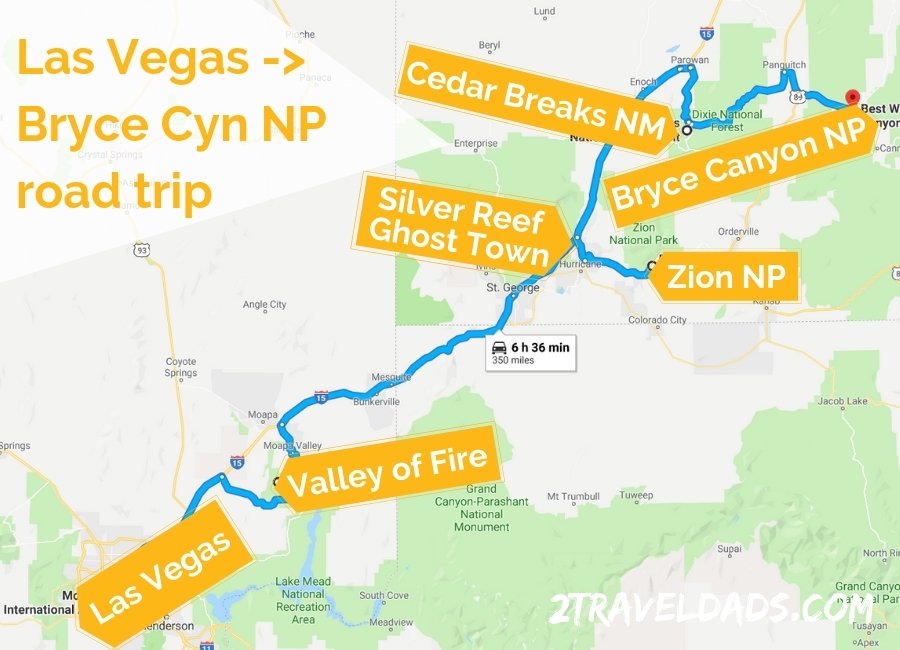
Further east, Bryce Canyon National Park presents its unique hoodoo-filled amphitheaters. From Las Vegas, the total driving distance to Bryce Canyon is roughly 260 miles, with an estimated driving time of 4 to 4.5 hours. This route also utilizes I-15 North for a significant portion before diverting onto scenic state highways that wind through the varied terrain of southern Utah.
Arches and Canyonlands National Parks
For those venturing to Moab, the gateway to Arches National Park and Canyonlands National Park, the distance increases considerably. The drive from Las Vegas to Moab is approximately 450 miles, and this journey can take anywhere from 6.5 to 7.5 hours. This is a full day’s drive, and many travelers opt to break it up with an overnight stay in a town like St. George or Provo, Utah. The route involves extensive driving through diverse landscapes, offering glimpses of high desert, mountains, and expansive plains.
Capitol Reef National Park
Capitol Reef National Park, known for its Waterpocket Fold, is another gem in the southern part of the state. The drive from Las Vegas to the main Fruita district of Capitol Reef is about 390 miles, taking approximately 6 to 6.5 hours. This route often involves a combination of interstates and state highways, providing a rich tapestry of Utah’s geological formations.
Bryce Canyon and Zion Combination
A common itinerary involves visiting both Zion National Park and Bryce Canyon National Park due to their relative proximity to each other and their manageable distance from Las Vegas. The drive between Zion and Bryce is about 70-80 miles and takes approximately 1.5 hours. This makes it feasible to experience both parks within a single trip originating from Las Vegas, perhaps spending a night in a town like Kanab or Springdale.
To Northern Utah
While southern Utah is a primary draw, the northern part of the state, including its capital, Salt Lake City, also offers compelling reasons to visit.
Salt Lake City
The drive from Las Vegas to Salt Lake City is a longer undertaking, covering approximately 420 miles. This journey typically takes about 6 to 6.5 hours of pure driving time. The route is predominantly along I-15 North, passing through central Utah. This is a direct and efficient route, though it lacks the dramatic geological vistas of the southern part of the state until you approach the Wasatch Front.
Travel Modes and Considerations
Beyond the raw distance, the best way to travel from Las Vegas to Utah involves considering various modes of transportation and personal preferences.
Driving Your Own Vehicle or Rental Car
The most popular method for traversing the distance between Las Vegas and Utah is by car. This offers unparalleled flexibility, allowing you to stop at scenic viewpoints, explore off-the-beaten-path attractions, and set your own schedule. If you are flying into Las Vegas, renting a car is a straightforward process with numerous agencies available at McCarran International Airport (now Harry Reid International Airport). When planning your drive, it’s essential to factor in:
- Fuel: Utah is vast, and gas stations can be sparse in some remote areas, especially between national parks. Ensure your tank is full before leaving major towns.
- Vehicle Condition: A reliable vehicle is crucial, especially if you plan to drive on unpaved roads or in varying weather conditions. Consider the season; winter driving in the higher elevations of Utah can be hazardous.
- Navigation: While GPS is readily available, downloading offline maps is highly recommended for areas with limited cell service.
- Rest Stops and Breaks: The distances can be substantial, so plan for regular breaks to stretch your legs and stay alert.
Flying to Utah
For travelers prioritizing speed, flying directly into an airport in Utah is an option, though it’s often less direct and can be more expensive than driving.
Closest Airports to Popular Destinations
- For Southern Utah: The closest major airport to Zion National Park and Bryce Canyon National Park is St. George Regional Airport (SGU), located about 120 miles from Las Vegas. However, direct flights to SGU from Las Vegas are rare, and it’s more common to fly into a larger hub like Salt Lake City or Phoenix and then drive or connect to a smaller flight. If you fly into Salt Lake City International Airport (SLC), you can then rent a car for the drive south. The drive from SLC to Zion is about 310 miles and takes approximately 4.5 to 5 hours.
- For Moab Area: Canyonlands Field Airport (CNY) serves Moab, but it primarily handles regional flights. Larger commercial airlines fly into Grand Junction Regional Airport (GJT) in Colorado, about 110 miles east of Moab, or into Salt Lake City International Airport (SLC), which is a longer drive.
Flying into Las Vegas and then driving is often the most economical and convenient method for accessing the national parks of southern Utah.
Bus and Train Travel
Public transportation options between Las Vegas and Utah are limited and generally not practical for reaching the remote national park areas. There are bus services that connect major cities like Las Vegas and Salt Lake City, but these journeys can be lengthy and may require transfers. Train travel is even less direct for this specific route, with no direct passenger rail lines connecting the two states for this purpose. For this particular journey, a car remains the dominant and most recommended mode of transport.
Scenic Routes and Detours
The drive from Las Vegas to Utah offers opportunities for incredible scenic detours, transforming a simple transfer into a rich travel experience.
The I-15 Corridor
The primary artery connecting Las Vegas to most of Utah is Interstate 15. While an interstate is designed for efficiency, the stretch through Nevada and into Utah is far from monotonous.
- Virgin River Gorge: As you cross the border into Arizona (briefly, before entering Utah via St. George), you will drive through the spectacular Virgin River Gorge. This dramatic canyon carved by the Virgin River features towering sandstone cliffs and winding roads, offering breathtaking views.
- St. George Area: The city of St. George itself is a gateway to southern Utah, surrounded by red rock formations, including the Snow Canyon State Park, a less-crowded alternative to the national parks.
Exploring Beyond the Direct Route
For those with more time, venturing off I-15 opens up a world of exploration.
Scenic Byways in Southern Utah
- Highway 12 (All-American Road): Often cited as one of the most scenic drives in America, Scenic Byway 12 connects Capitol Reef to Bryce Canyon. This route traverses through diverse landscapes, including the unique “Hogsback” section, where the road is perched precariously between two deep canyons. A drive on Highway 12 is an essential Utah experience.
- The Loneliest Road (US-50): If your destination is further north in Utah or you are seeking a more remote adventure, consider a portion of US-50, famously known as “The Loneliest Road in America.” This highway cuts across the state’s vast interior and offers a profound sense of solitude and raw desert beauty.
Potential Stops and Attractions Along the Way
- Valley of Fire State Park (Nevada): Located about an hour northeast of Las Vegas, Valley of Fire State Park is a stunning detour before heading towards Utah. Its vibrant red sandstone formations, Aztec Sandstone, and petroglyphs make it a geological wonderland.
- Cedar City (Utah): This charming southern Utah city is a good stopping point. It’s home to Southern Utah University and serves as a gateway to attractions like Zion National Park and the Brian Head Resort for skiing in winter.
- Kanab (Utah): Known as “Little Hollywood” for its history in Western film productions, Kanab is a central hub for exploring Zion National Park, Bryce Canyon National Park, the Grand Canyon North Rim (seasonal access), and the Grand Staircase-Escalante National Monument.
Planning Your Trip from Las Vegas to Utah
To ensure a smooth and memorable journey, careful planning is essential. Understanding the distances, travel times, and available options will allow you to maximize your experience.
Key Planning Factors
- Destination within Utah: As established, the exact distance and time will vary significantly based on whether you are heading to Salt Lake City, St. George, Moab, or one of the national parks. Prioritize your primary destinations.
- Time of Year: Utah’s weather varies dramatically by season. Summer can be extremely hot, especially in the deserts. Spring and fall offer pleasant temperatures for hiking and sightseeing, though some higher-elevation roads may still be subject to snow. Winter can bring snow and ice, particularly in the mountain regions and at higher elevations of the national parks.
- Duration of Stay: How long will you spend in Utah? This will dictate how many destinations you can realistically visit and whether you need to consider overnight stays along the route from Las Vegas.
- Budget: Consider costs for fuel, accommodation, park entrance fees, food, and any activities you plan to engage in. Las Vegas and Utah offer a range of options for all budgets.
Booking Accommodation and Activities
- Accommodation: Book accommodations well in advance, especially if traveling during peak season or visiting popular national parks. Options range from hotels and motels in gateway towns like Springdale, Moab, or St. George, to camping within the national parks or on surrounding BLM land. Unique stays can also be found, from glamping tents to charming bed and breakfasts.
- National Park Passes: If you plan to visit multiple national parks, consider purchasing an America the Beautiful Pass, which grants access to all national parks and federal recreational lands for a year.
- Car Rentals: If you need to rent a car, compare prices and book in advance, especially if you require a larger vehicle or a 4WD for specific excursions.
Preparing for the Journey
- Pack Accordingly: Bring layers of clothing, sturdy hiking shoes, sun protection (hats, sunscreen, sunglasses), a reusable water bottle, and a first-aid kit. For desert travel, be prepared for temperature fluctuations.
- Download Offline Maps: Crucial for navigating areas with poor cell service.
- Check Road Conditions: Especially important if traveling in winter or spring when mountain passes can be affected by snow. Websites like the Utah Department of Transportation (UDOT) provide real-time information.
The journey from Las Vegas to Utah is more than just a transfer of distance; it’s a transition into a world of natural grandeur and diverse landscapes. By understanding the distances, choosing the right mode of travel, and planning thoughtfully, you can ensure your transition from the neon lights to the natural wonders is as seamless and enriching as possible.
LifeOutOfTheBox is a participant in the Amazon Services LLC Associates Program, an affiliate advertising program designed to provide a means for sites to earn advertising fees by advertising and linking to Amazon.com. Amazon, the Amazon logo, AmazonSupply, and the AmazonSupply logo are trademarks of Amazon.com, Inc. or its affiliates. As an Amazon Associate we earn affiliate commissions from qualifying purchases.