
Mount Charleston, officially named the Spring Mountains National Recreation Area, offers a refreshing and dramatic escape from the glittering desert metropolis of Las Vegas. Known for its cooler temperatures, dense pine forests, and stunning alpine scenery, it stands in stark contrast to the arid landscape that characterizes Southern Nevada. For visitors and locals alike seeking a change of pace and scenery, understanding the proximity and accessibility of Mount Charleston is key to planning an enjoyable excursion.
The distance from the heart of the Las Vegas Strip to the summit area of Mount Charleston is approximately 40 to 45 miles, depending on the specific starting point in Las Vegas and the intended destination within the Spring Mountains. This translates to an average driving time of about 45 minutes to an hour, a remarkably short journey considering the significant ecological and atmospheric shift one experiences. The drive itself is a crucial part of the experience, beginning amidst the urban sprawl and gradually ascending through changing desert vegetation until it climaxes in a rich, mountainous ecosystem.
Planning Your Ascent: Travel Time and Routes
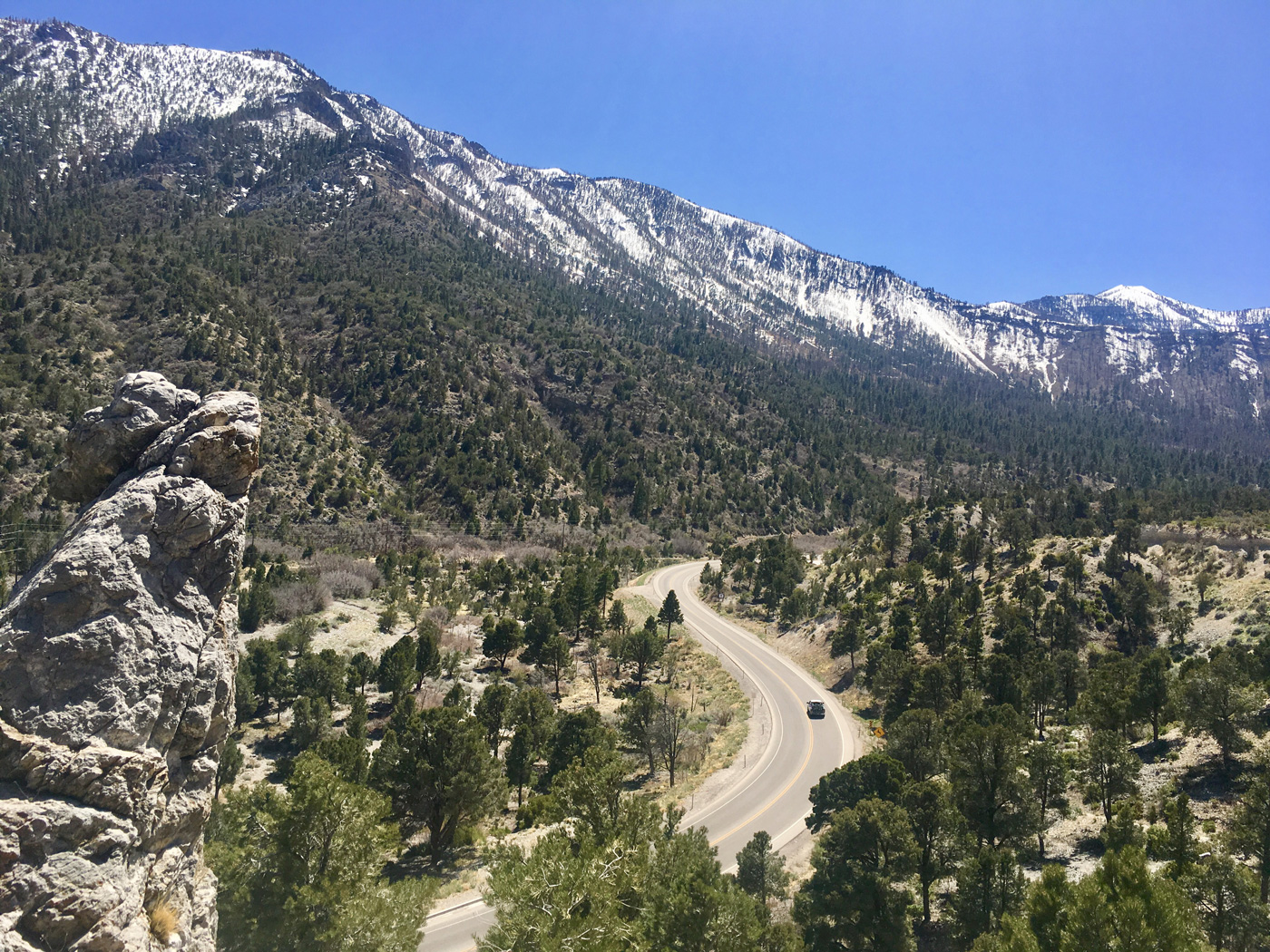
The most common and straightforward route to Mount Charleston from Las Vegas is via U.S. Route 95 North. This highway serves as the primary artery connecting the city to the mountain. After a short stretch north of downtown Las Vegas, the road begins its scenic ascent. The initial part of the drive might feel familiar, passing through the rugged desert terrain synonymous with Nevada. However, as you gain elevation, the landscape dramatically transforms. The saguaros and creosote bushes give way to juniper, pinyon pine, and eventually, the majestic Jeffrey and Ponderosa pines that define the higher elevations.
Key Turnoffs and Destinations
As you approach the Spring Mountains, several key turnoffs will dictate your final destination on Mount Charleston. The most significant is the turn onto State Route 157, also known as Kyle Canyon Road. This winding mountain road is the main gateway into the heart of the recreation area.
-
Kyle Canyon Road (SR 157): This is the primary route for accessing most of the popular trailheads, picnic areas, and the Mount Charleston Hotel. Traveling along SR 157, you’ll encounter the visitor center, various campgrounds, and access points for popular hikes like the Fletcher Canyon Trail and the Griffith Peak Trail. The drive up Kyle Canyon Road offers numerous pull-offs with breathtaking panoramic views of the Las Vegas Valley below.
-
Lee Canyon Road (SR 156): For those interested in winter sports or exploring the northern reaches of the Spring Mountains, Lee Canyon Road (SR 156) is the route to take. This road branches off from U.S. 95 North before Kyle Canyon Road. Lee Canyon is home to the Ski Resort at Lee Canyon, offering skiing and snowboarding in the winter months and hiking and mountain biking in the warmer seasons. It also provides access to trailheads for exploring the higher peaks in this section of the range.
The drive is generally smooth, with well-maintained roads. However, be prepared for winding turns and a significant elevation gain. During peak seasons, especially on weekends and holidays, traffic can increase, potentially extending travel times. It’s always advisable to check local traffic conditions before departing.
Factors Affecting Travel Time
While the average travel time is around an hour, several factors can influence how long it takes to reach Mount Charleston from Las Vegas. Understanding these variables can help travelers plan more effectively.
Time of Day and Week
- Weekends and Holidays: As mentioned, weekends and federal holidays are the busiest times for Mount Charleston. Many Las Vegas residents and tourists flock to the mountains to escape the heat and enjoy outdoor activities. Expect heavier traffic, especially during the late morning and afternoon when people are heading up, and in the late afternoon and evening when they are returning.
- Weekday Travel: If your schedule allows, visiting Mount Charleston on a weekday will generally result in a more relaxed drive with fewer crowds at trailheads and viewpoints.
- Morning vs. Afternoon: Driving up in the morning usually means less traffic. The return journey in the late afternoon or early evening can be more congested as people head back down to the valley.

Weather Conditions
- Seasonal Changes: The most dramatic impact on travel time comes from seasonal weather. In winter, snow and ice can accumulate at higher elevations, particularly on Kyle Canyon Road and Lee Canyon Road. This often necessitates slower driving speeds and, in severe conditions, can lead to temporary road closures. Chains may be required for vehicles.
- Summer Thunderstorms: While the summer months offer the most predictable driving conditions, brief but intense thunderstorms can occur in the afternoons, especially during the monsoon season (roughly July to September). These can reduce visibility and make driving conditions more challenging.
- Wind: High winds can sometimes be a factor in the desert and on mountain roads, although they are less likely to significantly impact travel times unless they are exceptionally severe.
Road Construction and Incidents
Like any road network, the routes to Mount Charleston can occasionally be affected by construction projects or unforeseen incidents. While major closures are rare, localized work or minor accidents can cause short delays. Staying informed via local news or transportation department websites is always a good practice.
Experiencing Mount Charleston: Beyond the Drive
The journey to Mount Charleston is more than just covering miles; it’s about transitioning into a different world. The moment you start gaining elevation, the temperature drops perceptibly. This microclimate is due to the significant altitude increase, with the highest point, Charleston Peak, reaching 11,918 feet. This altitude difference can be as much as 30-40 degrees Fahrenheit cooler than the Las Vegas Valley.
Natural Attractions and Activities
Mount Charleston is a haven for outdoor enthusiasts and those seeking natural beauty. The Spring Mountains National Recreation Area boasts over 100 miles of hiking trails, ranging from easy strolls to strenuous climbs.
- Hiking: Trails like the Cathedral Rock Trail offer moderate challenges with rewarding views. For more advanced hikers, the ascent to Charleston Peak via the South Loop Trail is a significant undertaking, typically requiring a full day.
- Picnicking and Camping: Numerous designated picnic areas are scattered throughout the recreation area, providing scenic spots for a meal amidst the pines. Several campgrounds offer overnight stays, allowing for a more immersive experience in the mountain environment.
- Wildlife Viewing: The diverse habitats support a variety of wildlife, including mule deer, bighorn sheep, coyotes, and numerous bird species. Keep an eye out, especially during dawn and dusk.
- Seasonal Beauty: In the spring, wildflowers bloom, painting the hillsides with color. Summer offers a respite from the valley’s heat, perfect for hiking and enjoying the cooler air. Autumn brings a spectacular display of changing foliage, though perhaps less dramatic than in the eastern United States, the golden aspens and vibrant maples are a beautiful sight against the evergreens. Winter transforms Mount Charleston into a snowy wonderland, offering opportunities for snowshoeing and cross-country skiing, in addition to downhill skiing at Lee Canyon.
Accommodations and Dining
While Mount Charleston offers a natural escape, it also provides options for comfort and sustenance. The Mount Charleston Hotel is a primary lodging option for those wishing to stay overnight. Its rustic charm and mountain setting make it a popular choice.
For dining, options are more limited than in Las Vegas but offer a delightful mountain experience. The Charming Charleston Peak restaurant, often associated with the Mount Charleston Hotel, provides a cozy atmosphere and hearty meals. Additionally, there are a few other local eateries and delis along Kyle Canyon Road that serve visitors. These spots are perfect for a post-hike meal or a warm drink on a chilly day.

A Stark Contrast: The Magic of Proximity
The magic of Mount Charleston lies not only in its inherent beauty but also in its sheer proximity to Las Vegas. In less than an hour, one can transition from the sensory overload of casinos and bright lights to the tranquil embrace of a mountain forest. This accessibility makes it an indispensable destination for those looking to break up their Las Vegas itinerary with a dose of nature.
Whether you’re planning a quick half-day trip to escape the heat, a full day of hiking and exploration, or a serene overnight stay, knowing the distance and typical travel times is essential for maximizing your Mount Charleston experience. It’s a reminder that even in the heart of the desert, dramatic and accessible natural wonders are within easy reach, offering a profoundly different, yet equally captivating, facet of the Southern Nevada landscape. The drive itself is a preview of the serene beauty that awaits, a gradual shedding of the urban, a welcoming embrace of the wild.
LifeOutOfTheBox is a participant in the Amazon Services LLC Associates Program, an affiliate advertising program designed to provide a means for sites to earn advertising fees by advertising and linking to Amazon.com. Amazon, the Amazon logo, AmazonSupply, and the AmazonSupply logo are trademarks of Amazon.com, Inc. or its affiliates. As an Amazon Associate we earn affiliate commissions from qualifying purchases.