
The journey from Salt Lake City to Las Vegas is a classic American road trip, bridging the stark beauty of the Intermountain West with the dazzling allure of the desert Southwest. Spanning approximately 420 to 450 miles, depending on the specific route taken, this drive offers a unique blend of landscapes, potential detours, and considerations for every traveler. Whether you’re seeking a direct and efficient passage or an opportunity to explore the rugged terrain and burgeoning towns along the way, understanding the distances, estimated travel times, and logistical nuances is key to planning a successful adventure.
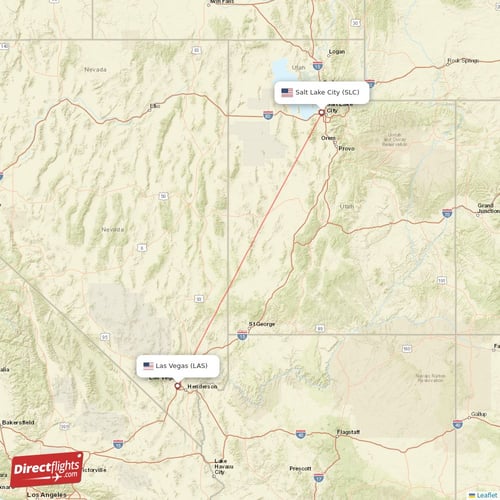
The Direct Route: I-15 South
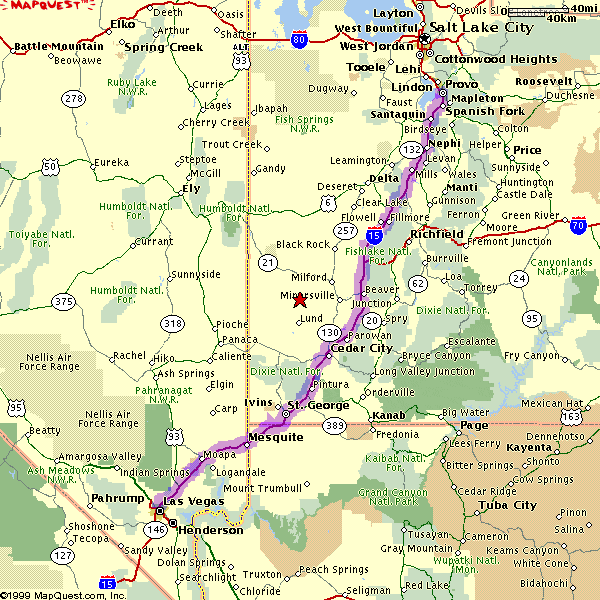
The most common and direct path from Salt Lake City to Las Vegas utilizes Interstate 15 (I-15) South for the majority of the journey. This is the artery that connects these two vibrant cities, and it’s a route favored by those prioritizing speed and simplicity.
Mileage and Time Estimates
The total mileage along I-15 South generally falls within the range of 420 to 430 miles. This figure can fluctuate slightly based on starting and ending points within each metropolitan area.
- Estimated Driving Time: Under ideal conditions, with minimal traffic and planned stops, the drive can be completed in approximately 6 to 7 hours. However, it is crucial to factor in variables that can extend this duration.
Key Waypoints and Considerations
As you traverse I-15 South, you’ll pass through several notable areas that can serve as convenient rest stops, refueling points, or even brief exploration opportunities.
- Southern Utah: The drive through Utah offers some of the most scenic stretches. You’ll pass through cities like Provo, Orem, and Cedar City. Cedar City is particularly well-situated for a mid-way break, offering amenities and a chance to stretch your legs. Further south, you’ll approach the Arizona border, passing through areas near St. George. St. George is another excellent location for services and has grown into a significant hub.
- Virgin River Gorge: A particularly breathtaking section of I-15 is the Virgin River Gorge in Arizona. This dramatic canyon offers stunning geological formations and is a visually rewarding segment of the drive. Be aware that this stretch can be prone to weather-related closures, especially during winter months, and can sometimes experience traffic delays due to its winding nature and potential for construction.
- Interstate Traffic and Road Conditions: I-15 is a major transportation corridor, particularly for commercial traffic. Expect to encounter a significant number of semi-trucks. Road conditions are generally well-maintained, but vigilance is advised, especially in areas with high elevation changes or during inclement weather. Summer heat can also affect asphalt, and winter can bring snow and ice to higher elevations, particularly in Southern Utah.
- Time Zone Change: As you cross from Utah into Arizona and then into Nevada, you will transition from Mountain Time to Pacific Time. Arizona observes Mountain Standard Time year-round, meaning it is on the same time as Mountain Daylight Time when Nevada is on Pacific Daylight Time. This can add an hour to your perceived travel time when moving westward into Nevada, so keep this in mind for arrival estimations.
Alternative Routes and Scenic Detours
While I-15 South is the most efficient, adventurous travelers might consider alternative routes that offer a more immersive experience of the landscapes and unique attractions that lie between Salt Lake City and Las Vegas. These routes generally add significant time and mileage but reward with unparalleled natural beauty and cultural insights.
The Loneliest Road: US-50 and Connecting Highways
For those who truly want to embrace the vastness of the American West, venturing onto US-50 across Nevada can be an unforgettable experience. This is often referred to as “The Loneliest Road in America.”
- Route Outline: This would involve driving south from Salt Lake City towards Ely, Nevada, likely via US-93. From Ely, you would then take US-50 west towards Fallon, before connecting to US-95 South, which eventually leads to Las Vegas.
- Mileage and Time: This route is considerably longer, potentially adding several hundred miles and significantly increasing travel time to 10-12 hours or more of pure driving, not including any exploration.
- Attractions and Considerations: This journey traverses vast desert plains, mountain ranges, and historic mining towns. It is crucial to be extremely well-prepared for this route:
- Fuel: Gas stations are few and far between. Ensure your fuel tank is full before departing any significant town.
- Supplies: Carry ample water, food, and a well-stocked emergency kit. Cell service is unreliable.
- Vehicle: Ensure your vehicle is in excellent mechanical condition.
- Points of Interest: You might pass near the Great Basin National Park, offering a chance to explore ancient bristlecone pines and Lehman Caves. Towns like Eureka and Austin offer a glimpse into Nevada’s past.
Southern Utah Scenic Byways
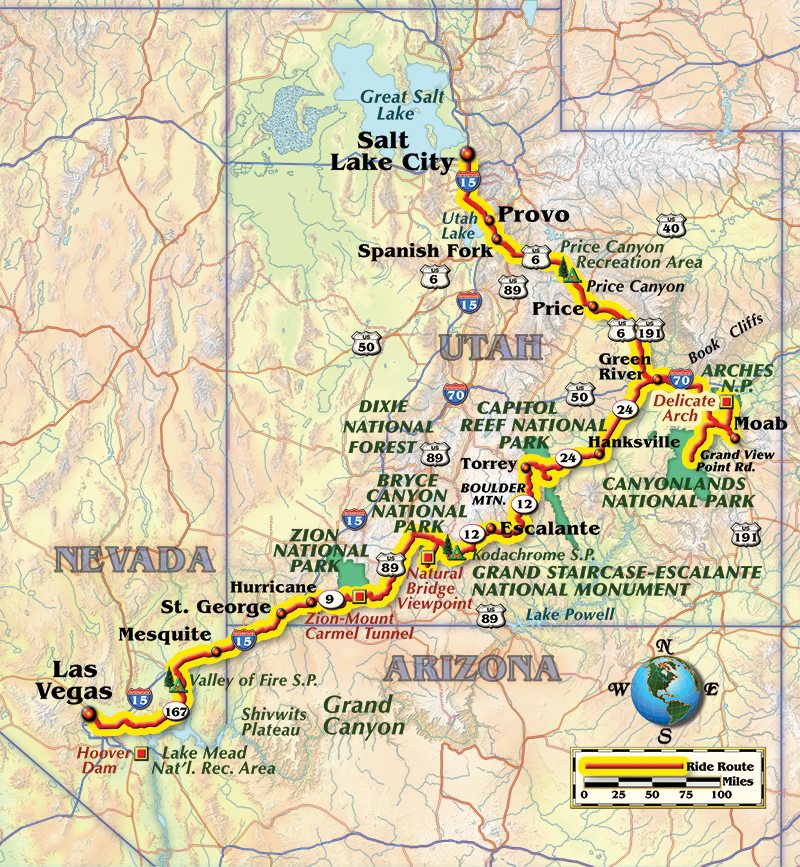
Another approach for those with more time involves detouring through some of Southern Utah’s world-renowned national parks before making the final push to Las Vegas.
- Route Suggestion: From Salt Lake City, head south on I-15 towards Zion National Park. Spend a day or two exploring its towering sandstone cliffs and scenic drives. From Zion, you can then drive to Bryce Canyon National Park, famous for its unique hoodoos, and then potentially head towards Grand Staircase-Escalante National Monument for further exploration. From this region, you would typically connect back to I-15 South or take routes like [UT-9] to [UT-59] which leads into Arizona and eventually links to I-15.
- Mileage and Time: This option dramatically increases mileage, adding hundreds of miles, and will require at least 3-5 additional days, depending on how extensively you wish to explore each park.
- Logistics: This requires meticulous planning for accommodation within or near the parks, park entrance fees, and ensuring your vehicle is prepared for varying road conditions, including potentially unpaved roads in some monument areas.
Preparing for the Drive: Practicalities and Tips
Regardless of the route chosen, proper preparation is paramount for a safe and enjoyable journey from Salt Lake City to Las Vegas. The desert climate presents unique challenges, and understanding the nuances of this particular drive will enhance the experience.
Vehicle Maintenance and Safety
Your vehicle is your lifeline on this journey. Ensure it’s in peak condition before you depart.
- Tire Check: Inspect tire pressure and tread depth. Consider your spare tire’s condition and ensure you have the necessary tools for a change.
- Fluid Levels: Check engine oil, coolant, brake fluid, and windshield washer fluid.
- Brakes: Ensure your braking system is in good working order, especially crucial for descending the grades on I-15.
- Emergency Kit: Pack a comprehensive emergency kit including a first-aid kit, jumper cables, flashlight, basic tools, non-perishable food, and plenty of water. A satellite communication device can be a lifesaver on more remote routes.
Hydration and Nutrition
The desert environment is dehydrating, and access to services can be sparse.
- Water is Essential: Carry far more water than you think you’ll need. Aim for at least one gallon per person per day if you plan on any stops or hiking, and at least a few liters per person for the car journey itself.
- Snacks: Pack non-perishable snacks like trail mix, granola bars, jerky, and fruit. This will save you money and ensure you have sustenance during longer stretches.
Navigation and Connectivity
Modern technology is a boon, but it has limitations in remote areas.
- GPS and Maps: Utilize GPS devices or smartphone navigation apps, but also carry physical maps as a backup. Download offline maps for areas where cell service may be spotty.
- Cell Service: Be aware that cell phone reception can be extremely limited or non-existent for significant portions of the drive, particularly on alternative routes. Inform someone of your travel plans and expected arrival time.
Best Times to Travel
The weather can significantly impact the drive.
- Spring and Fall: These seasons generally offer the most pleasant temperatures for driving and outdoor activities. Expect mild days and cool evenings.
- Summer: Las Vegas and the surrounding deserts experience extreme heat in the summer. Temperatures can regularly exceed 100°F (38°C), making driving in the heat challenging and increasing the risk of vehicle overheating and heatstroke. Ensure your car’s air conditioning is functioning perfectly.
- Winter: While the Las Vegas area generally remains mild, higher elevations in Utah and parts of Arizona can experience snow and ice, potentially leading to road closures and hazardous driving conditions. Always check weather forecasts and road conditions before departing.
By understanding the distances, contemplating the various route options, and meticulously preparing for the practicalities of desert travel, the drive from Salt Lake City to Las Vegas can transform from a simple transit to an integral and memorable part of your travel experience.
LifeOutOfTheBox is a participant in the Amazon Services LLC Associates Program, an affiliate advertising program designed to provide a means for sites to earn advertising fees by advertising and linking to Amazon.com. Amazon, the Amazon logo, AmazonSupply, and the AmazonSupply logo are trademarks of Amazon.com, Inc. or its affiliates. As an Amazon Associate we earn affiliate commissions from qualifying purchases.