
Embarking on a journey from the dazzling lights of Las Vegas to the majestic granite cliffs of Yosemite National Park is a classic American road trip, blending the thrill of the desert metropolis with the serene grandeur of nature’s cathedral. Understanding the distance and travel time is crucial for planning an efficient and enjoyable itinerary. This guide provides a comprehensive overview of the routes, driving times, and considerations for making this trans-California adventure a reality.
The Direct Route: Understanding the Core Distance
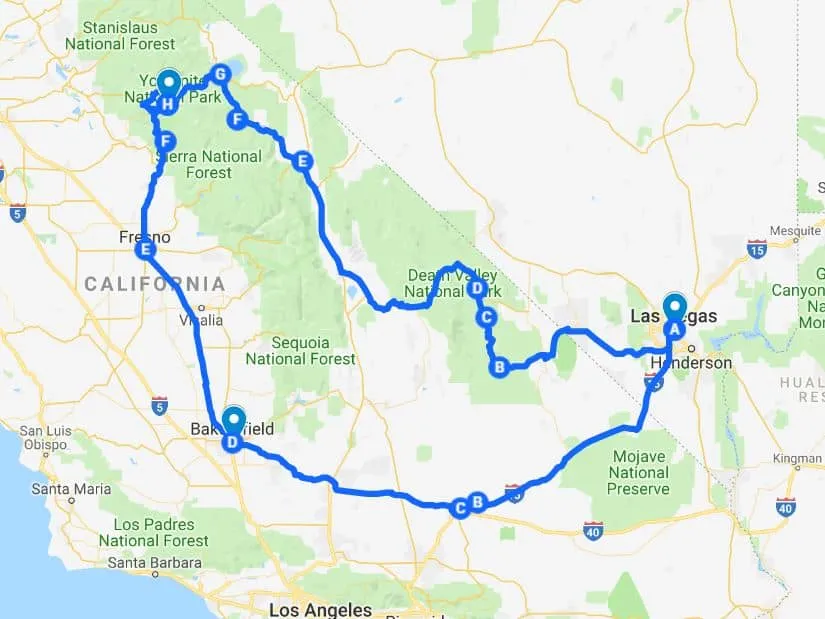
The most common and direct route from Las Vegas to Yosemite National Park primarily traverses through southern and central California. While the exact mileage can vary slightly based on the specific entrance to Yosemite you intend to reach (such as the Yosemite Valley entrance or the Tioga Pass entrance, which is seasonally closed), the general distance is approximately 550 to 600 miles.
Driving Time Estimates
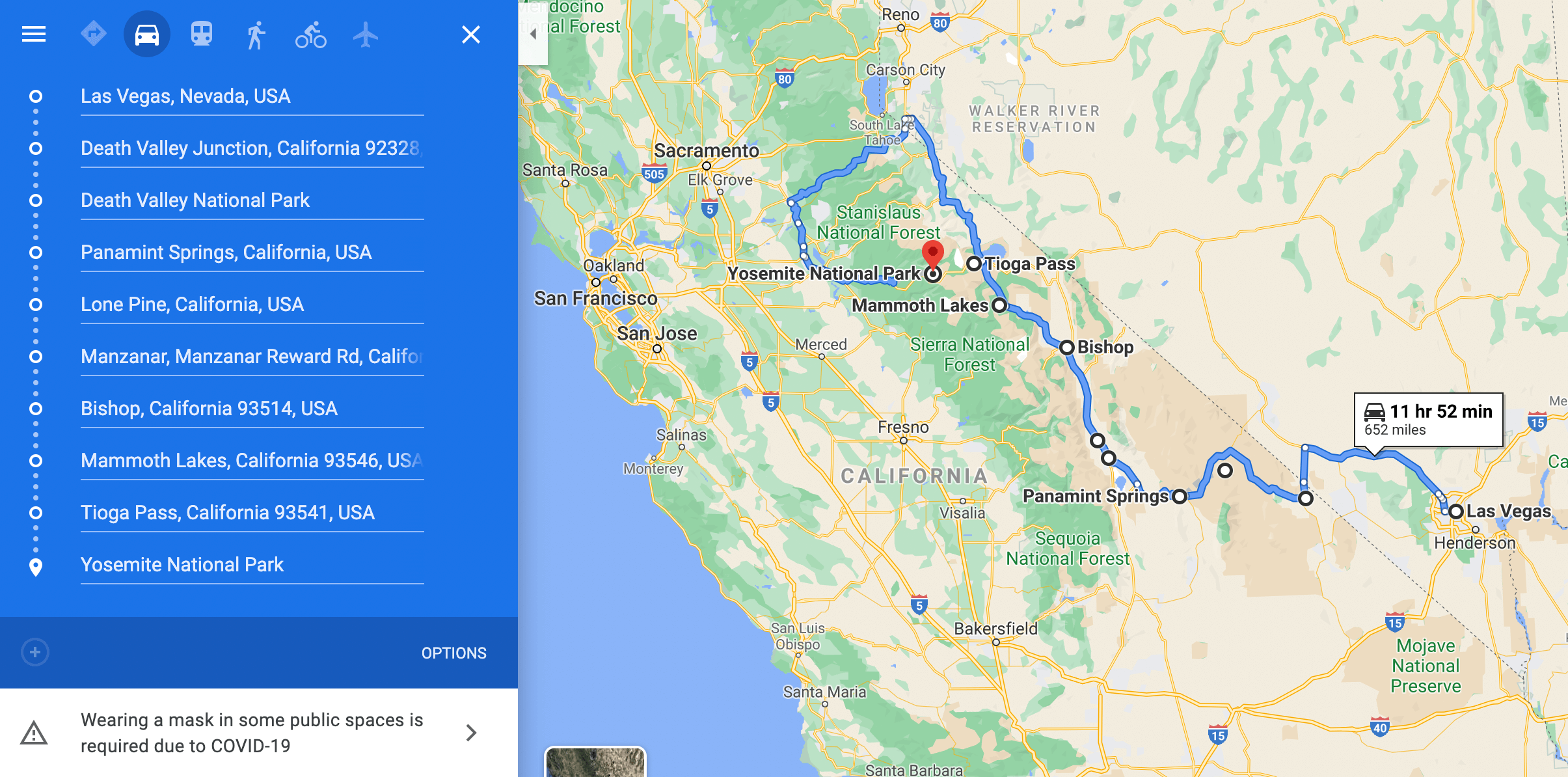
The estimated driving time for this route, without accounting for significant stops, is typically between 9 to 11 hours. This figure represents pure driving time and does not include stops for fuel, food, rest breaks, or potential traffic delays. Given the length of the journey, it is highly advisable to break this drive into at least two days to ensure a safe and comfortable experience. Attempting to complete the drive in a single day can lead to fatigue and a diminished appreciation for the scenic beauty along the way.
Key Highways and Interstates
The primary artery for this journey often involves starting on I-15 North out of Las Vegas, heading towards the greater Los Angeles metropolitan area. From there, travelers typically transition to California’s extensive freeway system, often utilizing routes like CA-58 West, CA-99 North, and eventually branching off towards CA-120 West (the main route into the western side of Yosemite National Park). The exact sequence of highways can depend on real-time traffic conditions and personal preference for avoiding urban congestion. Navigating through the Los Angeles basin can significantly add to travel time if not timed strategically to avoid rush hour.
Alternative Routes and Scenic Considerations
While the direct route is the most efficient in terms of mileage, alternative paths offer different perspectives and opportunities for exploration. These routes may add to the overall distance and driving time but can reward travelers with unique landscapes and points of interest.
The Northern California Approach (Seasonal)
For travelers visiting during the warmer months when Tioga Pass is open (typically late May to October), an alternative route involves heading north from Las Vegas on US-395. This highway is renowned for its stunning scenery, running along the eastern Sierra Nevada mountain range. The drive on US-395 offers breathtaking views of peaks like Mount Whitney and passes through charming towns such as Lone Pine and Mammoth Lakes.
Driving the Eastern Sierra
This route is considerably longer, often adding 2-3 hours to the total drive time. However, it provides access to the eastern entrance of Yosemite National Park, known as the Tioga Pass entrance. This entrance leads directly to the high country of Yosemite, including the spectacular Tuolumne Meadows and Tenaya Lake, before descending into the main Yosemite Valley.
Exploring Central Valley and Beyond
Another variation involves a more direct westward path from Las Vegas towards California’s central valley. This route might utilize CA-178 or CA-58 to connect with CA-99. While this path might seem more straightforward on a map, it often involves traversing agricultural lands and can be less scenic than the US-395 corridor. The primary advantage is consistent access, as CA-99 is an all-season route.
Planning Your Trip: Essential Considerations
The distance between Las Vegas and Yosemite National Park necessitates careful planning to maximize enjoyment and minimize logistical challenges. Several factors can influence your travel experience, from the time of year to the chosen mode of transport.
Vehicle Preparation and Fuel
Before setting off, ensure your vehicle is in excellent condition. Long drives, especially through varied terrain and altitudes, can strain a car. Check tire pressure, oil levels, and brakes. Be aware that fuel stops can become less frequent in more remote areas, particularly along the US-395 route. It is advisable to fill up whenever you have the opportunity, especially when leaving larger towns or cities. Consider carrying a spare tire and basic emergency kit.
Time of Year and Seasonal Road Closures
The season of your visit plays a significant role in determining the best route and potential challenges.
- Spring (March-May): Snowmelt can create spectacular waterfalls in Yosemite, but higher elevations may still experience snow. Tioga Pass is typically closed.
- Summer (June-August): This is the most popular time to visit Yosemite, with all park roads generally open. However, expect crowds and book accommodations and any required park entry reservations well in advance. The weather is warm and dry.
- Fall (September-November): A beautiful time to visit with fewer crowds and stunning autumn colors. Tioga Pass usually closes sometime in October or November, depending on snowfall.
- Winter (December-February): Yosemite Valley remains accessible, but chain controls may be in effect for vehicles. Many roads, including Tioga Pass and Glacier Point Road, are closed due to snow. The drive from Las Vegas will almost exclusively use the western entrances.
Overnight Stays and Itinerary Planning
Given the 9-11 hour driving time, breaking the journey is highly recommended. Popular overnight stops include:
- Bakersfield or Fresno: These cities in California’s central valley are roughly halfway along the direct route from Las Vegas and offer ample hotel and dining options. They serve as excellent staging points for entering Yosemite the following day.
- Ridgecrest or Lone Pine: If opting for the US-395 route, these towns provide convenient overnight stops with access to the stunning eastern Sierra scenery. This allows for a full day of exploration along US-395 before heading over Tioga Pass into Yosemite (seasonally).
Planning your itinerary around your chosen overnight stop will allow for a more relaxed pace and the opportunity to enjoy the landscapes rather than just the drive. Consider booking accommodations in advance, especially during peak season.
Navigating Yosemite National Park
Once you arrive in the vicinity of Yosemite National Park, understanding the internal park routes and potential congestion is key. The main attractions, such as Yosemite Valley, Glacier Point, and Mariposa Grove, require further driving within the park itself.
Yosemite Valley Traffic and Shuttle System
Yosemite Valley is the heart of the park and can experience significant traffic, especially during peak hours and seasons. Parking is often limited. Many visitors choose to park their vehicles at designated lots and utilize the free Yosemite Valley Shuttle system to access various trailheads, viewpoints, and visitor centers. This is an efficient way to avoid the frustration of finding parking and to reduce your carbon footprint within the sensitive valley ecosystem.
High-Country Access via Tioga Pass
If you arrive via the Tioga Pass entrance, you will be exploring the high country. Roads like Tioga Road connect various points of interest in this alpine region. Be aware of the altitude, which can affect some individuals. Stops along Tioga Road include stunning vistas, hiking opportunities in Tuolumne Meadows, and access to trailheads for more challenging backcountry adventures.
Entrance Fees and Park Passes
A valid Yosemite National Park entrance fee is required for each vehicle. Consider purchasing an America the Beautiful Pass if you plan to visit multiple national parks within a year, as it can offer significant savings. Check the official National Park Service website for the most current entrance fees and any reservation requirements, which are increasingly common during peak visitation periods.
In conclusion, the drive from Las Vegas to Yosemite National Park is a substantial undertaking that rewards meticulous planning. By understanding the distances, considering alternative routes, and preparing for the unique challenges and beauties of each season, you can transform this long drive into an integral and memorable part of your adventure to one of America’s most iconic natural treasures.
LifeOutOfTheBox is a participant in the Amazon Services LLC Associates Program, an affiliate advertising program designed to provide a means for sites to earn advertising fees by advertising and linking to Amazon.com. Amazon, the Amazon logo, AmazonSupply, and the AmazonSupply logo are trademarks of Amazon.com, Inc. or its affiliates. As an Amazon Associate we earn affiliate commissions from qualifying purchases.