
Embarking on a journey from the bustling metropolis of New York to the dazzling entertainment capital of Las Vegas is a popular itinerary for many travelers. Whether you’re seeking the thrill of the casinos, the allure of world-class shows, or simply a change of scenery, understanding the flight duration is a crucial element of trip planning. This comprehensive guide delves into the intricacies of this transcontinental flight, exploring the factors that influence its length and what you can expect as you traverse the skies.
Direct Flights: The Swift Path to Sin City
The most straightforward way to travel from New York to Las Vegas is by taking a direct, non-stop flight. These flights are designed for efficiency, minimizing travel time by avoiding any intermediate stops.
Typical Duration of Direct Flights
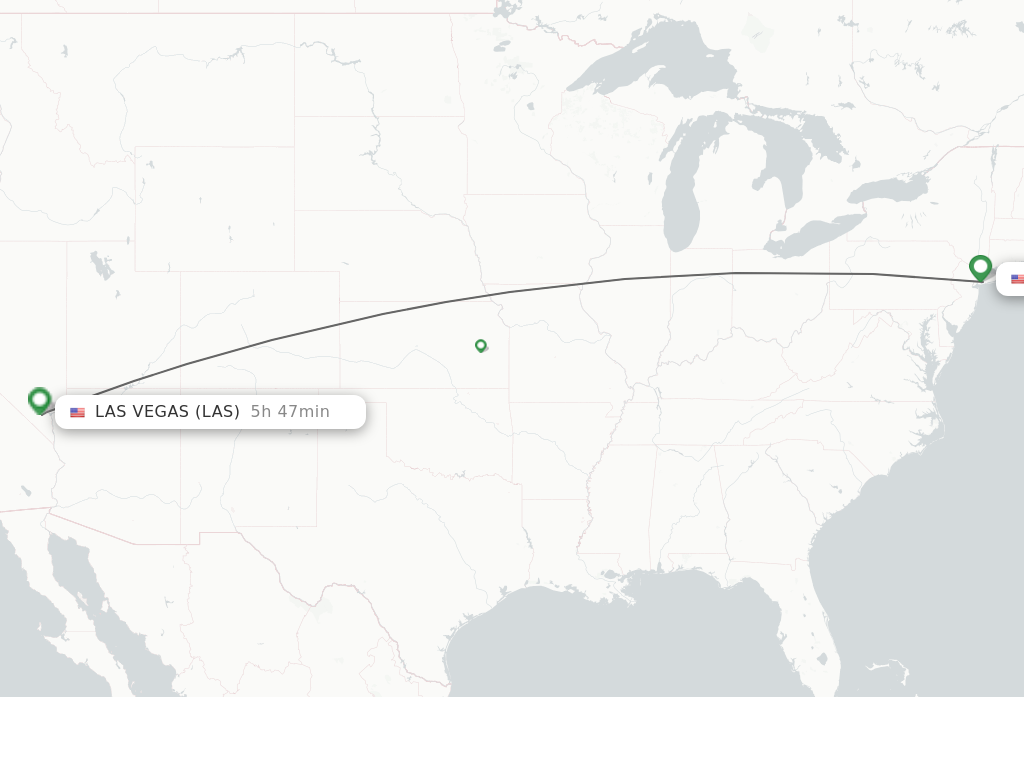
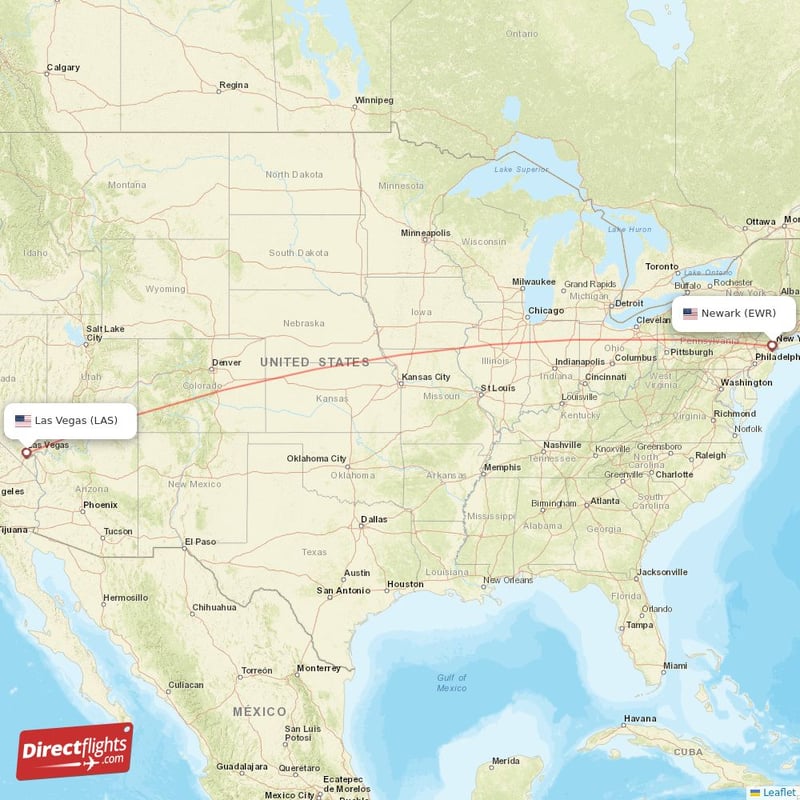
For a direct flight between New York and Las Vegas, you can generally expect the flight time to be in the range of 5 to 6 hours. This is a substantial chunk of your day, but it’s the quickest way to reach your destination. Several major airlines, including Delta Air Lines, American Airlines, and United Airlines, operate direct services on this route, typically from airports like John F. Kennedy International Airport (JFK) or Newark Liberty International Airport (EWR) to McCarran International Airport (LAS) (now known as Harry Reid International Airport).
Factors Affecting Direct Flight Times
While 5-6 hours is a standard benchmark, several variables can cause slight fluctuations:
- Jet Streams: These high-altitude air currents can significantly impact flight times. Flying eastward with a strong tailwind can shorten the journey, while flying westward against a headwind will lengthen it. The direction of travel from New York to Las Vegas is westward, meaning headwinds from jet streams are more likely to extend the flight time than shorten it.
- Aircraft Type: Different aircraft have varying cruising speeds. Larger, wide-body jets may fly at slightly different speeds than smaller, narrow-body aircraft. However, the difference is usually marginal for this particular route.
- Air Traffic Control: The efficiency of air traffic control in both the departure and arrival airspace can play a role. Congestion around major hubs like New York or Las Vegas can lead to holding patterns or slower descent, adding minutes to the overall journey.
- Weather Conditions: Severe weather, while typically avoided by rerouting, can sometimes necessitate minor adjustments to flight paths or speeds, subtly influencing the total flight duration.
Flights with Layovers: The Longer, Often Cheaper, Alternative
For travelers prioritizing cost savings or those who haven’t booked their tickets far in advance, flights with one or more layovers are a common choice. These journeys, while significantly longer, can sometimes offer more attractive pricing.
Common Layover Cities and Their Impact
Flights from New York to Las Vegas often involve a stop in cities that serve as major hubs for airlines. Some of the most frequent layover points include:
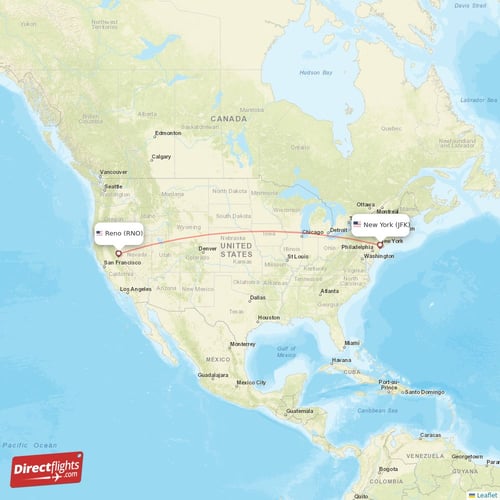
- Chicago (ORD): A hub for United Airlines, flights through Chicago are common. A layover here can add anywhere from 2 to 4 hours to your total travel time, depending on the connection duration.
- Denver (DEN): Another significant hub for United Airlines, Denver often features as a connection point. Similar to Chicago, expect an additional 2 to 4 hours.
- Dallas/Fort Worth (DFW): A primary hub for American Airlines, connecting through Dallas/Fort Worth will also contribute significantly to your travel duration.
- Atlanta (ATL): As a major hub for Delta Air Lines, Atlanta is another frequent stopover city.
The total travel time for flights with a layover can range widely, typically from 8 to 12 hours, and in some cases even longer, depending on the length of the layover. It’s crucial to carefully examine the total travel time when comparing flight options, not just the price. A short layover might be tight, while an excessively long one can turn a trip into an all-day affair.
Maximizing Your Layover Experience
While layovers can be tedious, they can also offer opportunities:
- Stretch and Rejuvenate: Use the time to get off the plane, walk around the terminal, and stretch your legs.
- Grab a Meal: Airport terminals often have a diverse range of dining options. This can be a good chance to have a proper meal instead of relying on airline snacks.
- Explore the Airport: Some larger airports, like Denver International Airport or Hartsfield-Jackson Atlanta International Airport, have interesting art installations or unique shops to explore.
- Catch Up: Use the downtime to read, work, or catch up on emails.
Planning Your Journey: Essential Considerations
When planning your trip from New York to Las Vegas, consider the following to ensure a smooth travel experience.
Choosing the Right Airport
New York is served by three major airports: John F. Kennedy International Airport (JFK), LaGuardia Airport (LGA), and Newark Liberty International Airport (EWR) in neighboring New Jersey. Flights to Las Vegas are most commonly operated from JFK and EWR. Consider the location of your starting point in New York when choosing which airport to depart from, as travel time and cost to reach each airport can vary significantly.
Time Zones and Arrival
Remember that Las Vegas is in the Pacific Time Zone (PT), while New York is in the Eastern Time Zone (ET). This means there is a three-hour difference. When a flight departs New York at 10:00 AM ET and has a flight time of 5.5 hours, it will arrive in Las Vegas at approximately 1:30 PM PT. This time zone difference is crucial for scheduling onward transportation or activities upon arrival.
Booking Strategies
- Book in Advance: For the best prices on direct flights, it’s advisable to book several weeks or even months in advance, especially if traveling during peak seasons or holidays.
- Flexibility: If your travel dates are flexible, use flight comparison websites to explore different days and times, as prices can fluctuate significantly.
- Consider Layovers Wisely: If opting for a flight with a layover, ensure the connection time is adequate. A layover of 1.5 to 3 hours is generally considered comfortable, allowing ample time for deplaning, navigating the airport, and boarding the next flight without excessive stress. Avoid extremely short layovers, which increase the risk of missing your connecting flight due to delays.
- Factor in Total Travel Time: Always look at the total travel time, not just the flight duration, when comparing options. The time spent at the airport during a layover is part of your journey.
By understanding the nuances of flight durations, potential layovers, and strategic booking practices, your journey from the vibrant streets of New York to the electrifying atmosphere of Las Vegas can be as smooth and predictable as possible. Whether you choose the direct route or a more economical connecting flight, the anticipation of arriving in the Silver State will undoubtedly make the travel time a worthwhile endeavor.
LifeOutOfTheBox is a participant in the Amazon Services LLC Associates Program, an affiliate advertising program designed to provide a means for sites to earn advertising fees by advertising and linking to Amazon.com. Amazon, the Amazon logo, AmazonSupply, and the AmazonSupply logo are trademarks of Amazon.com, Inc. or its affiliates. As an Amazon Associate we earn affiliate commissions from qualifying purchases.