
The allure of Las Vegas has long captivated travelers from around the globe, and for many in Southern California, a road trip to the Entertainment Capital of the World is a quintessential experience. The question of “How many miles is Los Angeles to Las Vegas?” is often the first logistical hurdle for those planning this exciting journey. While the distance can vary slightly depending on the exact starting and ending points within these sprawling metropolitan areas, the standard driving distance is approximately 270 miles. This translates to roughly a 4-to-5-hour drive, making it an accessible weekend getaway or a spontaneous escape. However, the true travel experience involves more than just a mileage count; it encompasses the different routes, the evolving landscape, and the anticipation of arriving in a city renowned for its vibrant nightlife, world-class entertainment, and endless opportunities for indulgence.
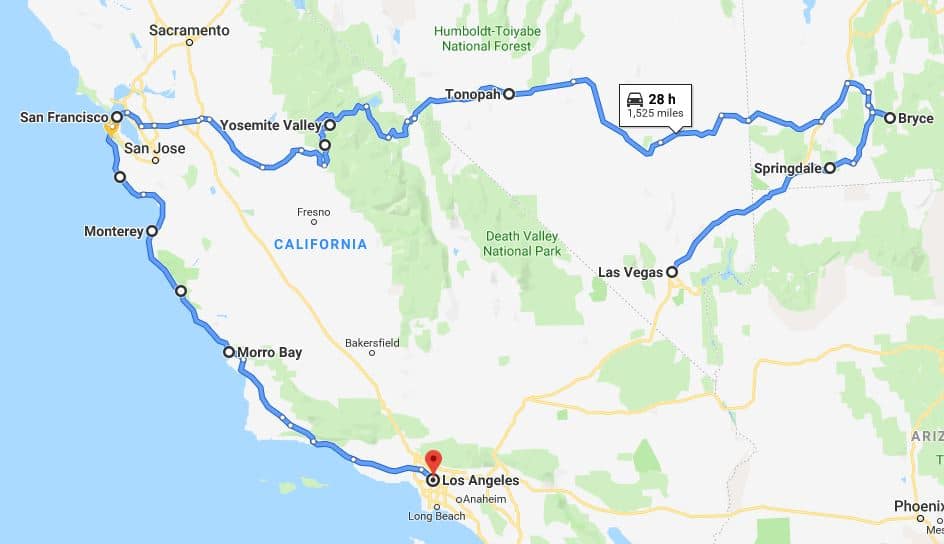
Understanding the Driving Routes
The most direct and commonly taken route from Los Angeles to Las Vegas primarily utilizes the Interstate 15 (I-15) Freeway. This major artery is the backbone of the journey, connecting these two iconic destinations.
The I-15 North Corridor
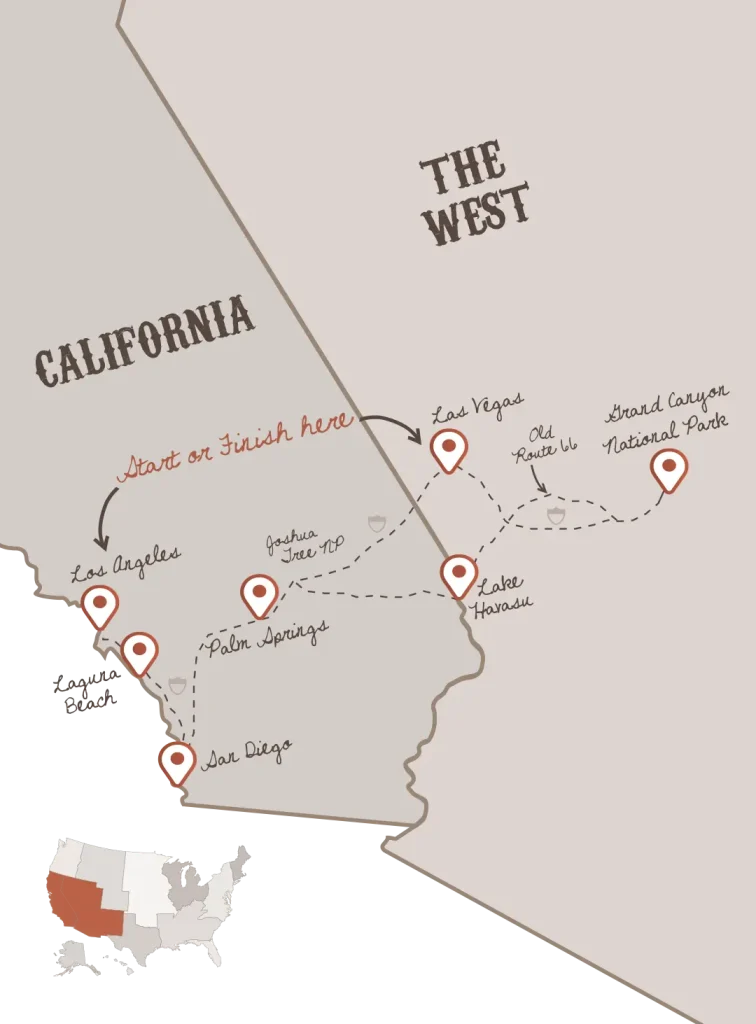
Embarking from the heart of Los Angeles, drivers will typically head east to reach the I-15 North. The initial stretch can involve navigating through some of the denser traffic of the Los Angeles basin, especially during peak hours. As you move eastward, the urban sprawl gradually gives way to the distinct desert landscape of Southern California.
Key points along the I-15 North include:
- San Bernardino/Riverside County: This region marks the transition from urban to semi-rural. You’ll pass through cities like San Bernardino and Riverside, and begin to see the rugged mountains that define the area.
- Victorville: A significant stop for many, Victorville offers services, gas stations, and dining options. It’s often a good place for a brief pause before entering the more remote stretches of the Mojave Desert.
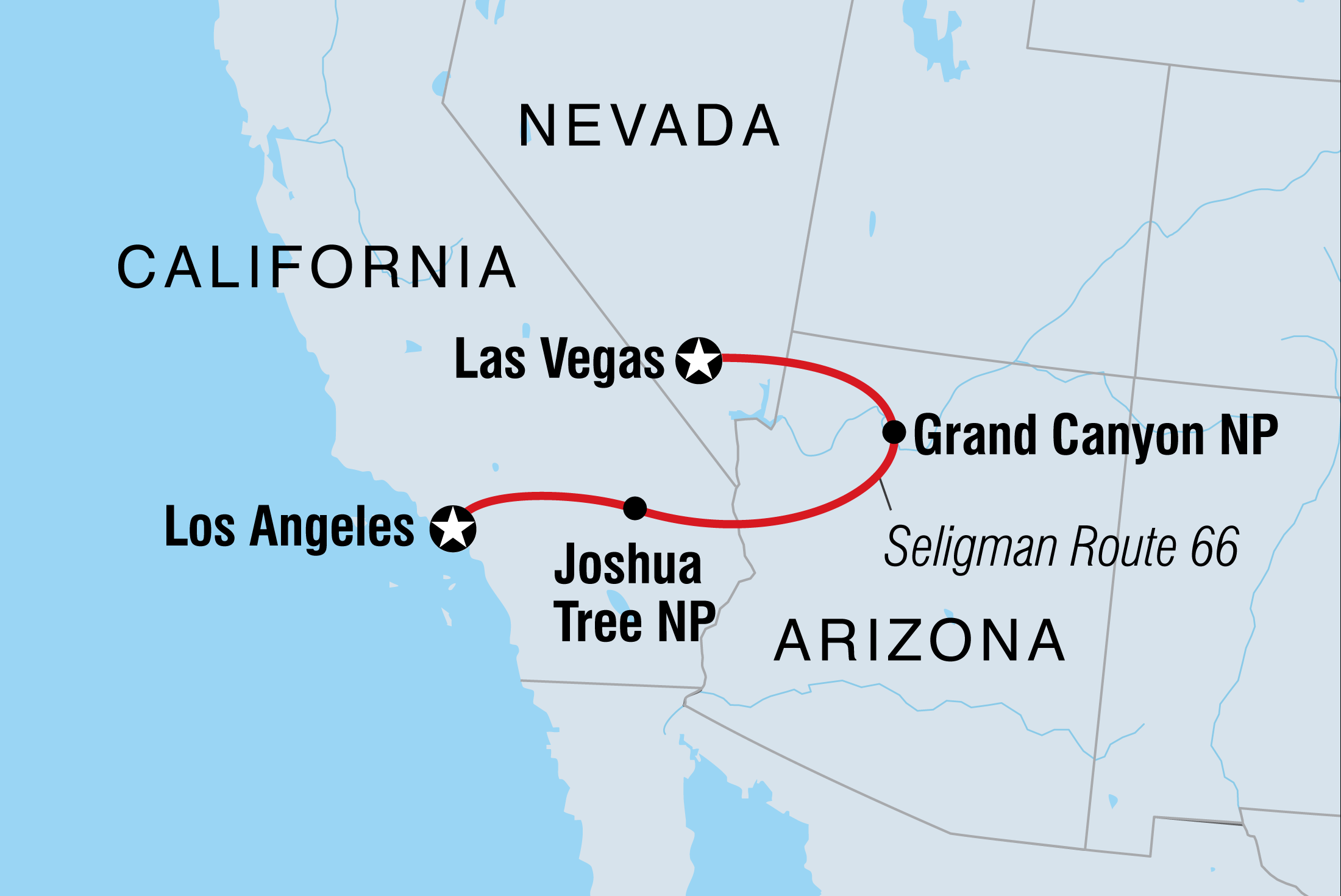
- The Mojave National Preserve: While the I-15 itself bypasses the heart of the Mojave National Preserve, its vastness is a constant backdrop. The scenery becomes increasingly stark and beautiful, with Joshua trees dotting the horizon and dramatic rock formations. It’s a powerful reminder of the raw, untamed beauty of the desert.
- Baker: Known as the “Gateway to Nevada,” Baker is a small town that serves as a crucial refueling and rest stop. It’s famous for the “World’s Tallest Thermometer,” a quirky roadside attraction that measures the extreme desert heat.
- Primm: This is the first glimpse of Nevada as you approach Las Vegas. Primm is home to a few casinos and outlet stores, offering a taste of what’s to come.
The I-15 remains the primary route until it leads you directly into the heart of Las Vegas, with exits providing access to the famous Las Vegas Strip, downtown, and surrounding areas.
Alternative Routes and Considerations
While I-15 is dominant, occasional traffic or a desire for a different perspective might lead some to explore alternatives, though these are generally longer and less direct. For instance, routes involving California State Route 58 could connect to other highways that eventually lead towards Nevada, but they add significant mileage and travel time. For the vast majority of travelers, sticking to I-15 offers the most efficient and straightforward path.
Factors Affecting Travel Time
The 270-mile distance is a static number, but the time it takes to cover it is highly dynamic. Several factors can significantly influence your arrival time in Las Vegas.
Traffic Congestion
The most significant variable is traffic. Leaving Los Angeles during rush hour (typically early morning and late afternoon on weekdays) can add an hour or more to your journey. Similarly, returning to Los Angeles on a Sunday afternoon or evening, especially around holidays, can result in extensive delays. Planning your departure and return times strategically is paramount to a smooth drive.
Road Conditions and Construction
Like any major highway system, I-15 is subject to periodic road construction, maintenance, and occasional closures. These can cause significant slowdowns or detours. It’s advisable to check real-time traffic updates from sources like the California Department of Transportation (Caltrans) and the Nevada Department of Transportation (NDOT) before and during your trip.
Weather
While the desert climate is generally dry and predictable, extreme weather events can occur. Intense heatwaves, especially during the summer months, can make driving uncomfortable and potentially impact vehicle performance. Dust storms, while less common, can drastically reduce visibility, posing a safety hazard. Winter months can bring occasional rain or even snow at higher elevations, though this is rare on the main route.
Stops and Breaks
The 4-to-5-hour drive is a theoretical minimum without any stops. Most travelers will want to pull over for gas, restrooms, food, or simply to stretch their legs. Popular stopping points include Victorville, Barstow, and Baker. Factor in at least 30-60 minutes for a couple of brief stops. If you plan a longer meal break, add more time accordingly.
Preparing for the Journey
A little preparation can go a long way in ensuring a pleasant and safe road trip from Los Angeles to Las Vegas.
Vehicle Maintenance
Before embarking on this journey, ensure your vehicle is in good condition. Check tire pressure, fluids (oil, coolant, windshield wiper fluid), and brakes. The desert heat can be demanding on a car, so a well-maintained vehicle is crucial for reliability.
Packing Essentials
- Water: Ample water is essential, especially during warmer months. Staying hydrated is vital in the desert environment.
- Snacks: Having snacks readily available can prevent the need for frequent stops and save money.
- Sun Protection: Sunscreen, sunglasses, and hats are highly recommended due to the intense desert sun.
- Navigation: While I-15 is straightforward, a GPS device or a reliable navigation app on your smartphone is indispensable. Download offline maps in case of spotty cell service in remote areas.
- Emergency Kit: A basic emergency kit with jumper cables, a first-aid kit, a flashlight, and a blanket can be invaluable.
Choosing Your Mode of Transport
While driving is the most popular method, other options exist:
- Flying: Numerous daily flights connect Los Angeles International Airport (LAX) and other Los Angeles area airports to McCarran International Airport (LAS) in Las Vegas. Flight times are typically around 1 hour, but when you factor in airport procedures, it can be comparable to driving time for a short trip.
- Bus Services: Several bus companies offer direct routes between Los Angeles and Las Vegas, providing a budget-friendly option. Travel time by bus is generally longer, often 6-8 hours, depending on the service and stops.
- Train: Currently, there is no direct train service connecting Los Angeles and Las Vegas.
For the freedom and flexibility to explore at your own pace, and to truly appreciate the scenic transition, the 270-mile drive remains the preferred choice for many adventurers. The journey itself, with its ever-changing desert vistas, is an integral part of the overall Las Vegas experience.
LifeOutOfTheBox is a participant in the Amazon Services LLC Associates Program, an affiliate advertising program designed to provide a means for sites to earn advertising fees by advertising and linking to Amazon.com. Amazon, the Amazon logo, AmazonSupply, and the AmazonSupply logo are trademarks of Amazon.com, Inc. or its affiliates. As an Amazon Associate we earn affiliate commissions from qualifying purchases.