
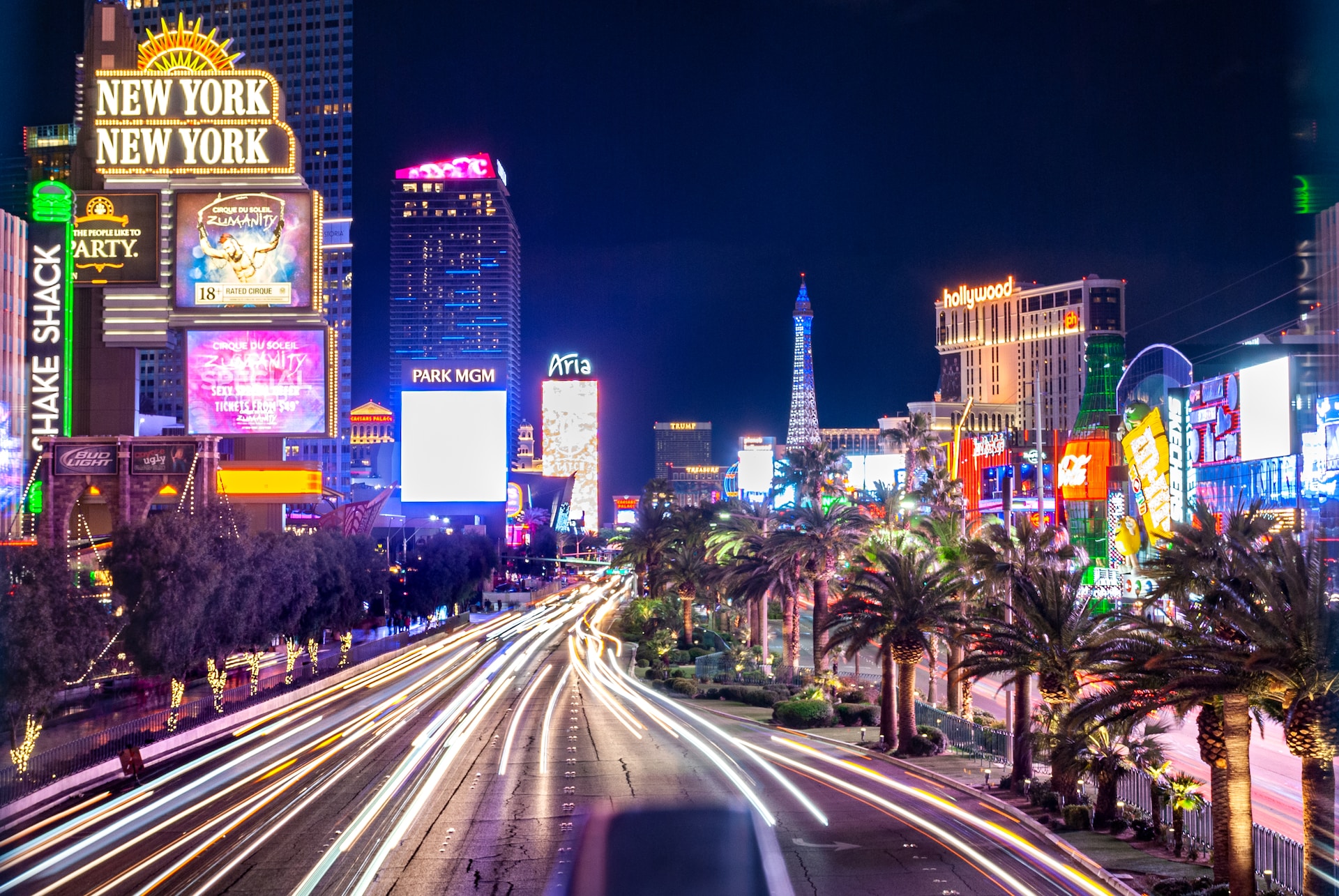
The dazzling, iconic Las Vegas Strip is synonymous with unparalleled entertainment, world-class dining, and lavish accommodations. It’s a vibrant artery pulsing with energy, attracting millions of visitors annually. While its reputation for grandeur is undisputed, a fundamental question often arises for those planning their visit or simply curious about its geography: “How long is the Las Vegas Strip?” Understanding its actual physical dimensions is key to grasping its scale and planning your exploration of this legendary stretch of Nevada desert.
Defining The Las Vegas Strip
Before we delve into the mileage, it’s crucial to establish what constitutes “The Strip.” Geographically, the majority of the world-famous resorts, casinos, and attractions are not technically within the city limits of Las Vegas itself. Instead, they are primarily located in unincorporated towns within Clark County, namely Paradise and Winchester. However, for the purposes of tourism and common understanding, “The Strip” refers to a specific, contiguous stretch of South Las Vegas Boulevard and its immediate surroundings, famed for its high concentration of mega-resorts.

The Official Length
The generally accepted length of the Las Vegas Strip is 4.1 miles (6.6 kilometers). This measurement typically encompasses the stretch of South Las Vegas Boulevard between Sahara Avenue to the north and Russell Road to the south. Within this relatively compact distance, you’ll find an astonishing density of hotels, casinos, entertainment venues, and dining establishments that have shaped the landscape of modern tourism.
Navigating The Strip: A Traveler’s Perspective
For visitors, understanding the 4.1-mile length is more than just a geographical fact; it informs how you experience the area. Walking the entire Strip is a significant undertaking, especially in the desert heat. While many come to experience the Strip on foot, it’s important to plan your mobility.
Walking the Strip
Walking allows for spontaneous exploration and the discovery of hidden gems. You can pop into different casinos, admire the architecture, and soak in the atmosphere. However, be prepared for considerable distances between resorts. What might look close on a map can be a 20-30 minute walk between two major hotels. Comfortable shoes are an absolute necessity.
Utilizing Transportation
Given its length, most visitors utilize various transportation methods to traverse the Strip efficiently.
- Taxis and Ride-Sharing Services: Easily accessible throughout the Strip, these offer door-to-door convenience but can be subject to traffic delays and surge pricing during peak times.
- The Las Vegas Monorail: This elevated train system runs along the eastern side of the Strip, with stations conveniently located at major resorts like MGM Grand, Horseshoe Las Vegas, Caesars Palace, and The Venetian. It’s an excellent way to cover significant ground quickly without battling street-level traffic.
- Trams and Shuttles: Many resorts offer internal trams or shuttles connecting different parts of their vast properties or linking to nearby sister properties.
- Deuce Bus: The RTC’s double-decker bus, known as “The Deuce,” runs 24/7 along the Strip and to downtown Las Vegas, offering a more budget-friendly option for getting around.
Beyond The Main Stretch: Expanding The Definition
While the 4.1-mile figure is the standard, the experience of the Las Vegas Strip can feel longer or shorter depending on your perspective and what you include.
The Northern and Southern Expansions
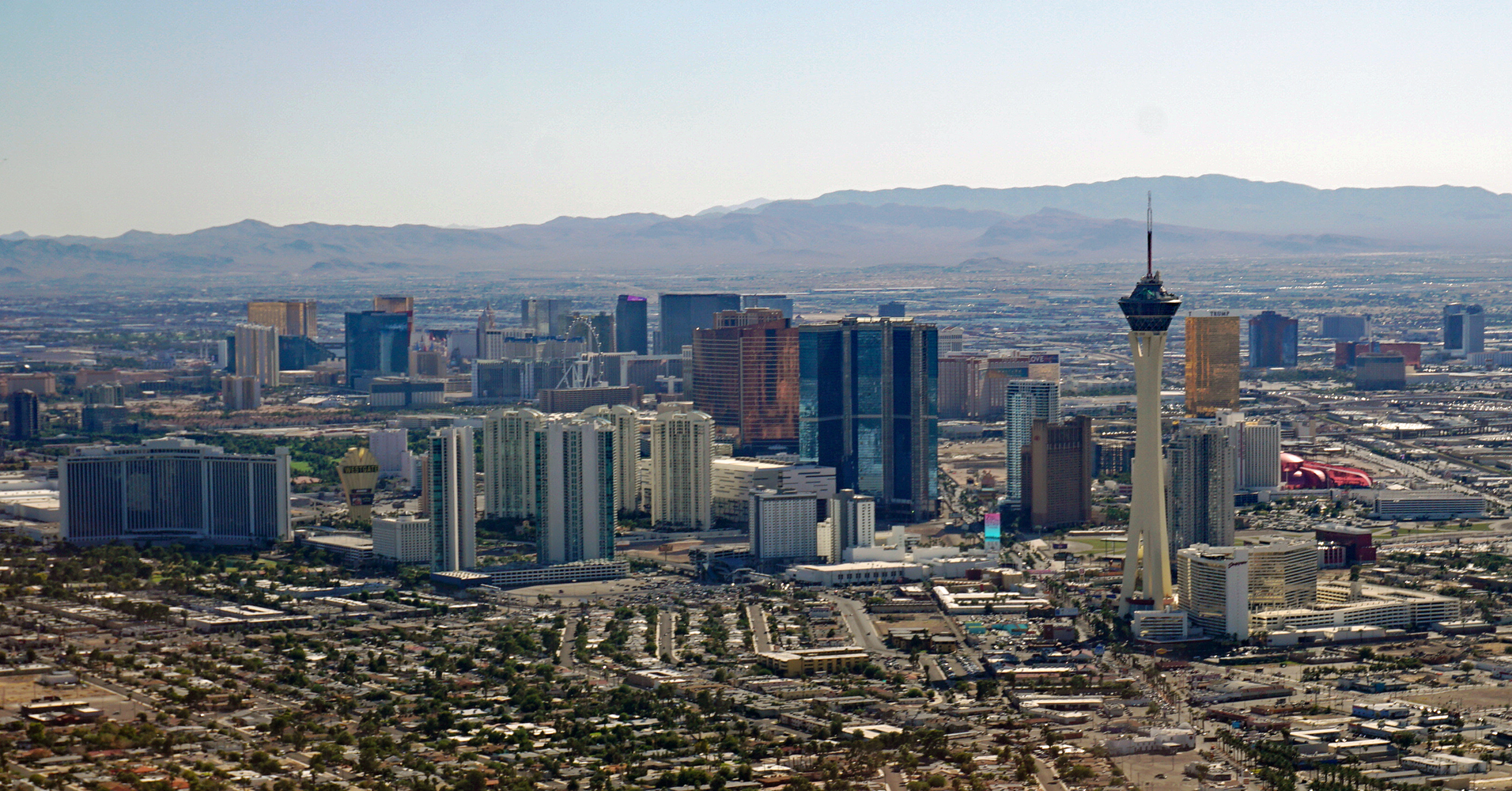
The northern end of the Strip is marked by the iconic Strat at Sahara Avenue. To the south, the boundary at Russell Road is a common reference point, with resorts like the MGM Grand and Mandalay Bay anchoring this end. However, the influence and interconnectedness of the resorts can blur these lines. Some might consider the properties slightly beyond Russell Road, such as Luxor Hotel and Casino and Mandalay Bay, as part of the quintessential Strip experience, effectively extending the walkable or drivable “Strip experience” area. Similarly, the cluster of hotels around the Strat at the northern end also contribute to the overall sense of this entertainment corridor.
The Illusion of Distance
The sheer density of attractions, the constant visual stimulation, and the immersive nature of the resorts can create an illusion. For instance, walking from Bellagio to The Venetian might feel like a brief stroll, but it’s a substantial distance. Conversely, if you’re enjoying the entertainment, dining, or gambling within a single mega-resort, you might feel like you’ve traveled miles without ever leaving its grounds, given the vastness of properties like The Venetian or MGM Grand.
The Strip’s Enduring Appeal: More Than Just Miles
The true magic of the Las Vegas Strip lies not solely in its physical dimensions, but in the concentrated spectacle it offers. The 4.1 miles are packed with an unparalleled density of experiences.
A Hub of Entertainment and Luxury
Within this relatively short span, visitors can find:
- World-Famous Hotels and Casinos: From the opulent Bellagio with its iconic fountains to the themed grandeur of The Venetian and the vibrant energy of Caesars Palace, each resort offers a unique universe.
- Dazzling Shows and Performances: The Strip is home to residencies by music legends, Broadway-caliber productions, and Cirque du Soleil spectacles, all within a short distance of each other.
- Michelin-Starred Restaurants and Celebrity Chef Establishments: The culinary scene is as diverse and high-quality as the entertainment, catering to every palate and budget.
- Unique Attractions: Beyond the casinos, attractions like the High Roller Observation Wheel, the Eiffel Tower Viewing Deck, and the various themed gardens and displays add layers to the visitor experience.
Planning Your Las Vegas Experience
Knowing the length of the Strip is fundamental for effective planning. Whether you’re aiming to see a show at one end and have dinner at the other, or you plan to explore a few resorts in depth, understanding the distances will help you allocate your time and choose the best transportation methods.
Mapping Your Exploration
- North End Focus: If you’re interested in places like the Strat or the northern cluster of resorts, plan your transport accordingly.
- Central Strip Highlights: Resorts like Bellagio, The Venetian, and Caesars Palace are in the heart of the action and are often walkable from each other, albeit still requiring a good pace.
- South Strip Wonders: For those drawn to Mandalay Bay, Luxor, and Excalibur, the Monorail and Deuce bus become particularly useful.
In conclusion, the Las Vegas Strip, officially measuring approximately 4.1 miles, is a concentrated marvel of entertainment, luxury, and innovation. Its length is a practical consideration for navigation, but its true essence lies in the density of experiences packed within those miles, making it a destination that continues to captivate and enthrall visitors from around the globe.
LifeOutOfTheBox is a participant in the Amazon Services LLC Associates Program, an affiliate advertising program designed to provide a means for sites to earn advertising fees by advertising and linking to Amazon.com. Amazon, the Amazon logo, AmazonSupply, and the AmazonSupply logo are trademarks of Amazon.com, Inc. or its affiliates. As an Amazon Associate we earn affiliate commissions from qualifying purchases.