
Navigating the cost of fuel is an essential part of planning any trip to Las Vegas, a city synonymous with entertainment and vibrant energy. For many visitors, especially those driving to the Nevada desert oasis or planning extensive excursions within the region, understanding the fluctuating price of gasoline is a key budgeting consideration. This guide delves into the factors influencing gas prices in Las Vegas, offering insights and practical tips for travelers to manage their fuel expenses effectively, ensuring that the cost of getting around doesn’t detract from the excitement of their Las Vegas experience. Whether you’re cruising down the Las Vegas Strip in a rental car or embarking on a road trip to nearby natural wonders, knowing what impacts your fuel bill is paramount.
Understanding the Factors Influencing Gas Prices in Las Vegas
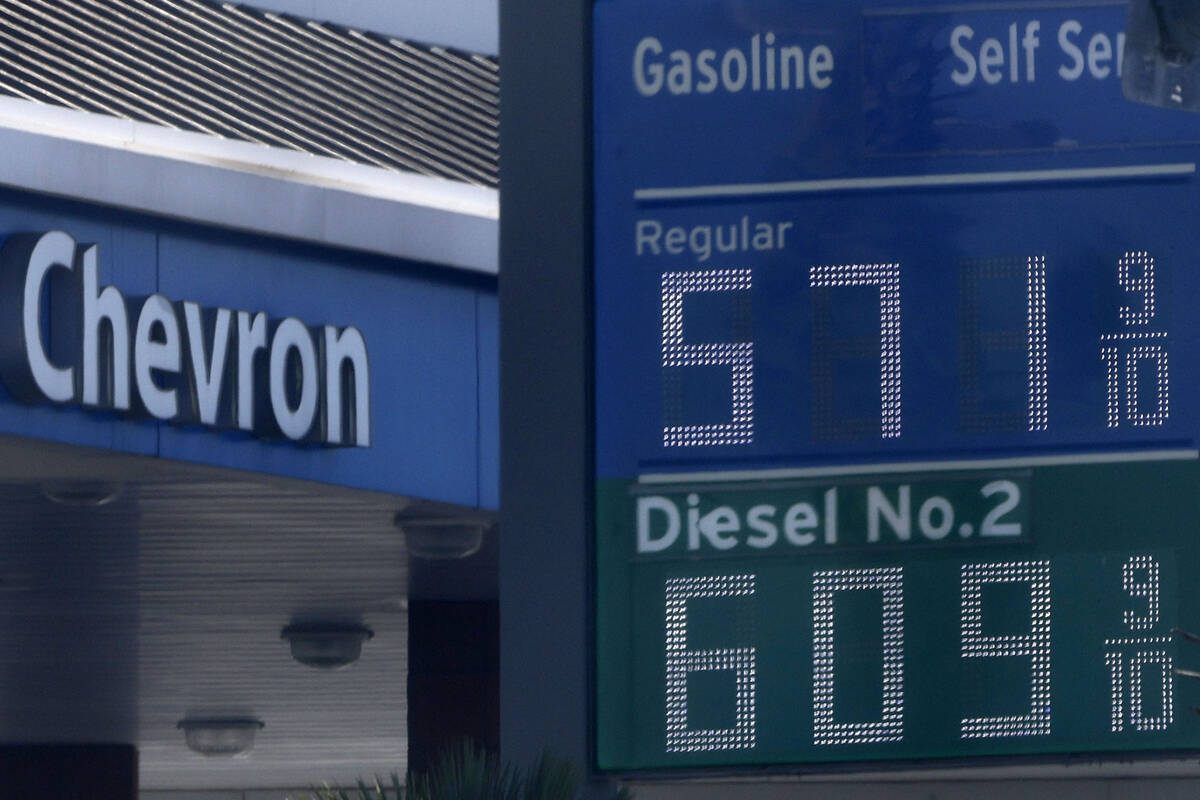
The price you see at the pump in Las Vegas is a complex interplay of global, national, and local economic forces. Unlike some other commodities, crude oil prices are subject to daily fluctuations influenced by geopolitical events, supply and demand dynamics, and market speculation. Las Vegas, like the rest of Nevada, is a landlocked state, meaning fuel must be transported over long distances, adding to the overall cost.
Global Crude Oil Markets
The primary driver of gasoline prices worldwide is the cost of crude oil. Major geopolitical events, such as conflicts in oil-producing regions, policy changes by organizations like OPEC (Organization of the Petroleum Exporting Countries), and shifts in global economic growth, can significantly impact crude oil prices. Las Vegas, being part of the broader U.S. energy market, is directly affected by these global trends. When crude oil prices surge, the cost of refined gasoline inevitably follows suit.
U.S. Refining and Distribution
Once crude oil is extracted, it’s transported to refineries for processing into gasoline. The efficiency and capacity of these refineries, along with the costs associated with their operation, play a crucial role. Las Vegas relies on a complex distribution network to receive its fuel supply. Pipeline disruptions, refinery outages (whether planned for maintenance or unplanned due to unforeseen circumstances), and the cost of transporting refined products via trucks or pipelines all contribute to the final price at the pump.
State and Local Taxes
Taxes levied by federal, state, and sometimes local governments are a significant component of gasoline prices. In Nevada, state taxes on gasoline are a fixed amount per gallon, and these revenues are typically allocated to infrastructure projects, including road maintenance and improvements. While essential for maintaining the transportation network, these taxes add directly to the consumer’s cost. It’s important for travelers to be aware that Nevada’s fuel taxes are among the higher ones in the United States, contributing to Las Vegas’s generally higher gas prices compared to some neighboring states.
Seasonal Demand and Local Competition
Gasoline demand tends to be higher during peak travel seasons, such as summer months and holidays. This increased demand can put upward pressure on prices. In Las Vegas, the influx of tourists, particularly during major events like conventions, holidays, and the Super Bowl, can also influence local demand and, consequently, prices. Furthermore, competition among gas stations within Las Vegas and its surrounding areas can create price variations. Stations located in high-traffic areas, such as along the Las Vegas Strip or near major freeways like I-15, might have different pricing strategies than those in less central locations.
Current Gas Prices in Las Vegas and Trends
Staying informed about current gas prices in Las Vegas is key for travelers looking to optimize their budget. While precise figures fluctuate daily, understanding the general price range and historical trends can be incredibly helpful.
Average Gas Prices in Las Vegas
Historically, Las Vegas gas prices tend to be slightly higher than the national average. This is often attributed to Nevada’s tax structure and the logistical costs associated with fuel distribution to an inland state. For a more precise, up-to-the-minute average, travelers can consult various online resources and gas price tracking apps. These tools often provide real-time data for specific stations and aggregated averages for cities and states. For instance, AAA (American Automobile Association) consistently publishes national and state averages, which can serve as a benchmark for Las Vegas prices.
Seasonal Price Variations
While crude oil prices are a primary global influence, local factors can lead to seasonal variations. Summer months, with increased travel, often see higher prices due to heightened demand. Conversely, prices might see slight dips in the fall or winter, though this is less pronounced than the impact of global supply shifts. Special events in Las Vegas can also create localized spikes in demand that temporarily affect prices, especially in areas with a high concentration of tourist activity.
Comparing Las Vegas to Neighboring Areas
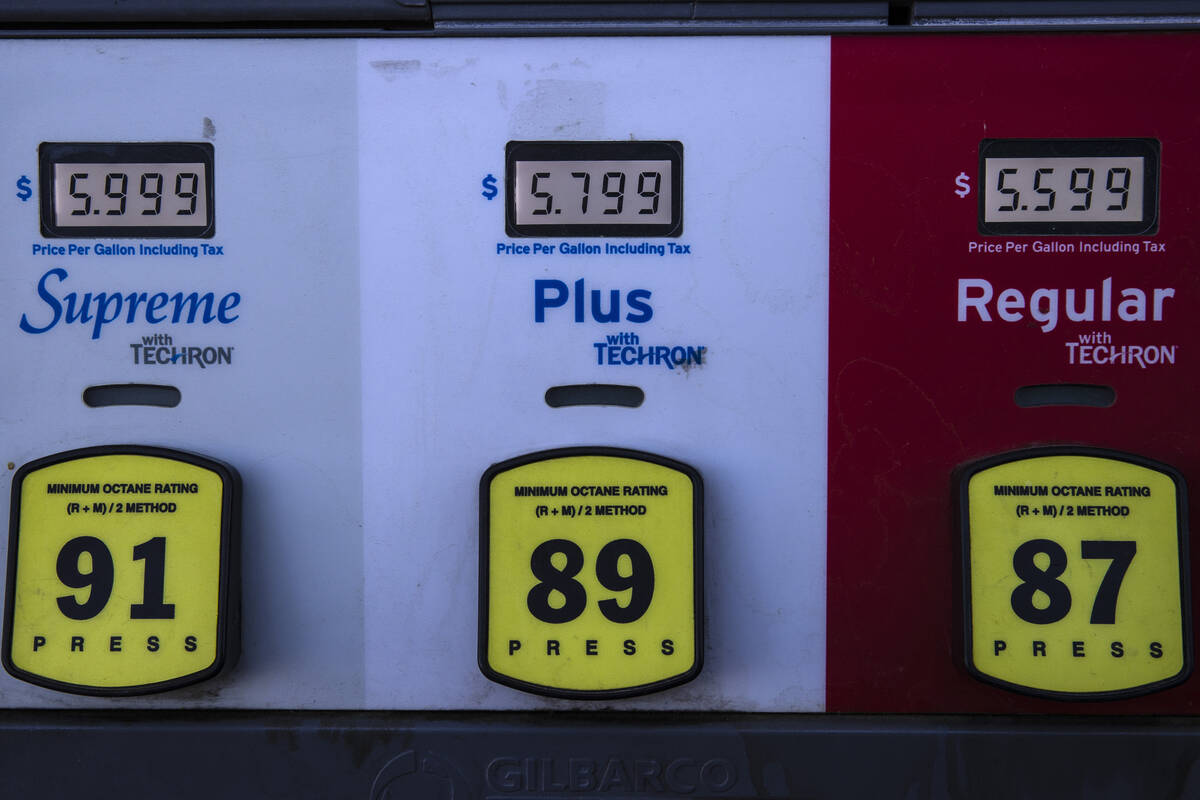
It’s common for travelers driving into Las Vegas to notice a price difference compared to their starting point or neighboring states. For example, a drive from California to Las Vegas might reveal significantly lower gas prices in Nevada than in parts of California, due to California’s higher state taxes and environmental regulations on fuel blends. Conversely, prices in Las Vegas might be higher than in states like Arizona or Utah, which may have lower tax rates or more direct access to fuel pipelines. Understanding these regional differences can inform decisions about when and where to fill up, especially for those on longer road trips.
Tips for Saving Money on Gas in Las Vegas
For any traveler aiming to make their Las Vegas trip as cost-effective as possible, implementing smart strategies for purchasing gasoline can lead to noticeable savings. These tips range from pre-trip planning to on-the-ground tactics.
Utilize Gas Price Comparison Apps and Websites
In today’s digital age, numerous free applications and websites are available to help you find the cheapest gas prices in your immediate vicinity. Apps like GasBuddy, Waze, or Google Maps allow you to input your location in Las Vegas and see a list of nearby gas stations with their current prices. This simple step can save you anywhere from a few cents to over ten cents per gallon, which adds up quickly, especially if you have a larger vehicle or plan on doing a lot of driving around the Las Vegas valley and surrounding areas.
Strategic Location Choices for Fueling Up
Gas prices can vary significantly even within a few miles. Stations located directly on the Las Vegas Strip or in prime tourist zones often command higher prices due to convenience and captive audience. Branching out a few blocks or heading into residential areas or business districts away from the immediate tourist hotspots can often result in finding considerably cheaper fuel. Similarly, gas stations located just off major freeways or at the end of exits might offer better rates than those directly at the interchange.
Consider Membership Programs and Credit Card Rewards
Many major gas station chains offer loyalty programs that provide discounts on fuel or points that can be redeemed for future savings. Signing up for these programs is usually free and can offer immediate small discounts per gallon. Furthermore, many credit cards offer rewards programs that include cash back or points on gasoline purchases. If you plan on using a credit card for your fuel expenses, choose one that maximizes your return on investment for gas. Some cards even offer a higher percentage of cash back at gas stations.
Drive Efficiently and Maintain Your Vehicle
The most effective way to save money on gas is to use less of it. Practicing fuel-efficient driving habits, such as maintaining a steady speed, avoiding rapid acceleration and braking, and ensuring your tires are properly inflated, can significantly improve your vehicle’s miles per gallon. Additionally, keeping your vehicle well-maintained, with regular oil changes and air filter replacements, ensures your engine runs at peak efficiency. A well-tuned car consumes less fuel. For visitors renting a car in Las Vegas, opting for a fuel-efficient model can also be a substantial cost-saver over the duration of their stay.
Fueling Your Las Vegas Adventures: Beyond the Strip
While the bright lights of the Las Vegas Strip are a major draw, the surrounding region offers a wealth of experiences that often require a vehicle. Planning your fuel strategy ensures you can explore these attractions without being limited by your gas tank.
Day Trips and Excursions
Las Vegas serves as a fantastic base for exploring the natural beauty of Nevada and neighboring states. Iconic destinations like Red Rock Canyon National Conservation Area, a stunning geological wonderland perfect for scenic drives and hiking, are just a short drive away. Further afield, the majestic Hoover Dam on the Colorado River offers a glimpse into engineering marvels and historical significance. For the more adventurous, a trip to Death Valley National Park in California, or the breathtaking geological formations of Valley of Fire State Park in Nevada, are popular options. These excursions often involve significant mileage, making fuel efficiency and cost management crucial.
Exploring Local Neighborhoods and Dining
Beyond the tourist zones, Las Vegas has a diverse array of local neighborhoods, each offering unique dining, shopping, and cultural experiences. Venturing into areas like Chinatown, the Arts District, or exploring the local eateries off the beaten path can provide a more authentic taste of Las Vegas life and cuisine. These explorations require driving and, therefore, consideration for fuel costs. Understanding gas prices in different parts of the metropolitan area can help you optimize your driving for these culinary and cultural quests.
Preparing for the Journey Home or Next Destination
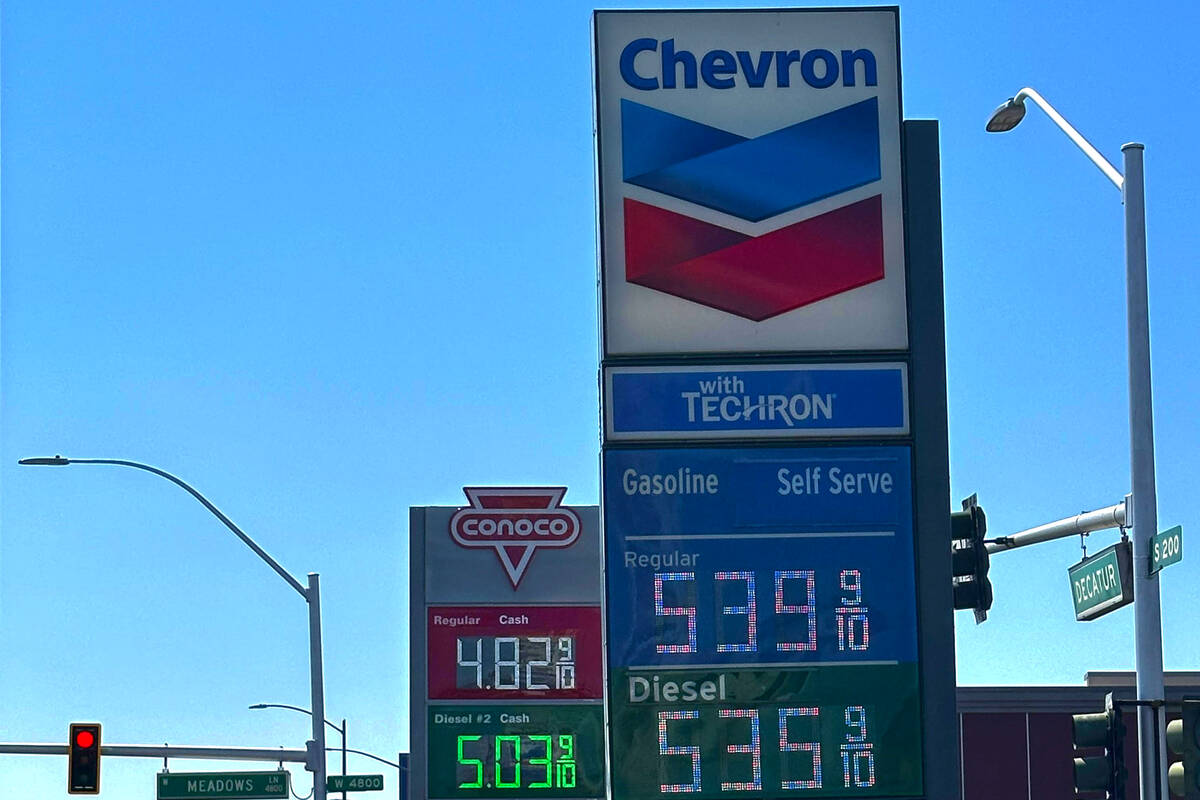
If Las Vegas is a stop on a longer road trip, planning your fuel fill-up before departing is vital. For those heading back to California, for instance, it might be more cost-effective to fill up in Las Vegas or just across the border in Arizona rather than paying higher prices in California. Likewise, if your next stop is in Utah or Arizona, comparing prices in Las Vegas with those in your destination state can help you decide whether to top off your tank before leaving or wait until you arrive. Always ensure you have enough fuel to reach your intended refueling point, factoring in potential traffic or unexpected detours.
By understanding the dynamics of gasoline prices in Las Vegas, leveraging available tools, and adopting smart driving habits, travelers can effectively manage their fuel expenses and ensure their Las Vegas adventure is both memorable and budget-friendly.
LifeOutOfTheBox is a participant in the Amazon Services LLC Associates Program, an affiliate advertising program designed to provide a means for sites to earn advertising fees by advertising and linking to Amazon.com. Amazon, the Amazon logo, AmazonSupply, and the AmazonSupply logo are trademarks of Amazon.com, Inc. or its affiliates. As an Amazon Associate we earn affiliate commissions from qualifying purchases.